• F1
  • F2
  • F4
  • F3

by Marije Boerma (20-04-2024), who recently completed a Research Master of colonial and global history at Leiden University. The topic of her thesis was the East African kanga.

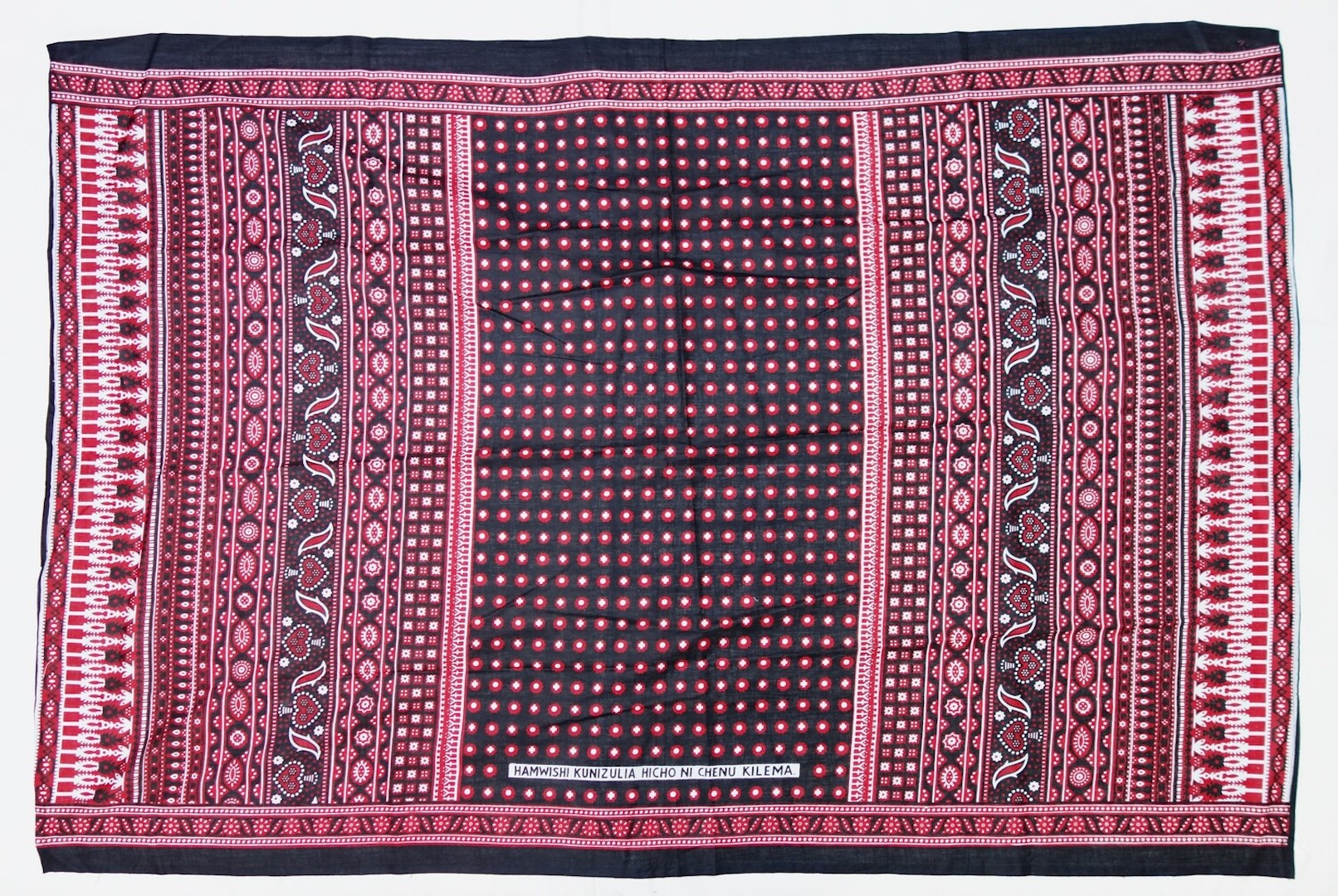
Black and speckled with red and white designs of hearts, crosses and dots: the kisutu cloth, for wrapping around the body, from the island of Zanzibar along the East African coast may be the oldest type of kanga. The TRC has a large collection of these garments, and hence it seemed appropriate to write a short blog on the subject.

Kisutu from Zanzibar, 2004 (TRC 2004.0162).Kisutu from Zanzibar, 2004 (TRC 2004.0162).

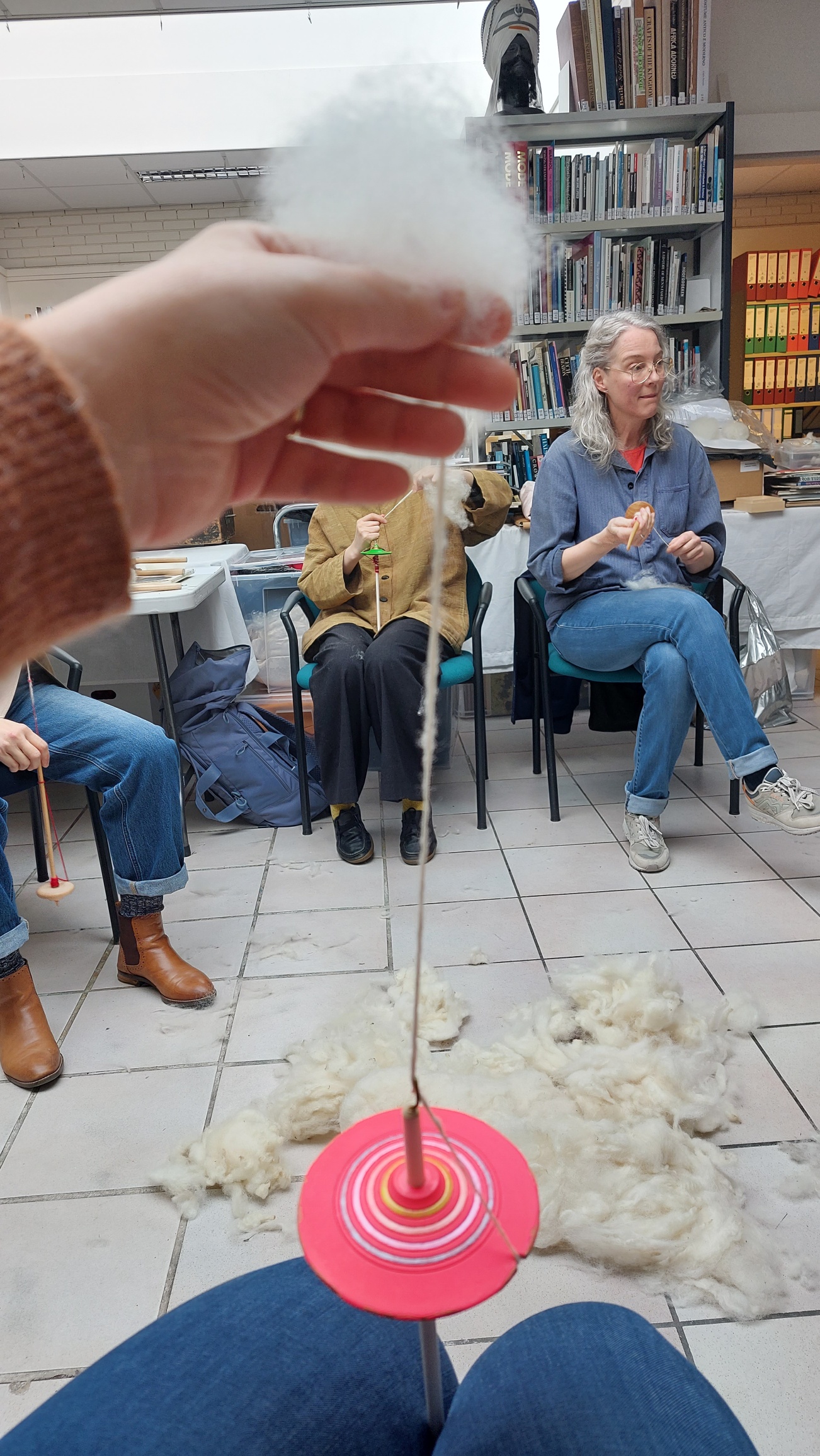
Studyday: What is a thread. TRC, 15 March 2024.Studyday: What is a thread. TRC, 15 March 2024.by Gillian Vogelsang-Eastwood, Director TRC, 17 April 2024

We have recently had three very different groups visiting and working at the TRC Leiden. How enjoyable it was to talk about various forms of textiles and to listen to what people could tell us.

The first group consisted of students from the Royal Academy of Art in The Hague, who are studying a variety of textile-related subjects including design, interior design and textiles in general. The group included students with very diverse cultural and ethnic backgrounds. There were some lively discussions about cultural appropriation, return of artefacts, role of museums, handling of objects, symbolism and textile designs.

What struck me most was the enthusiasm and understanding of the subject by the students with multiple cultural experiences. What all of the participants enjoyed, however, was opening boxes with objects from the TRC collection and physically handle textiles from around the world.

I am looking forward to hearing more from the students and learn what they gained and how they turned the newly acquired information into practice.

The second group was there for the study day ‘What is a thread?’ There were eight people present, some of whom had considerable experience with spinning, others with no experience at all.

The day started with looking at various natural fibres and their properties and then we went on to the theory of fibres (natural, artificial, synthetic, metallic, etc); at the TRC we strongly feel that if you do not understand the initial composition of cotton or wool then you will not understand how and why the fibres react when turned into a thread.

by Olivia Buchan, TRC volunteer from Scotland, and currently MA student in Russian and Eurasian Studies, Leiden University. 12 April 2024

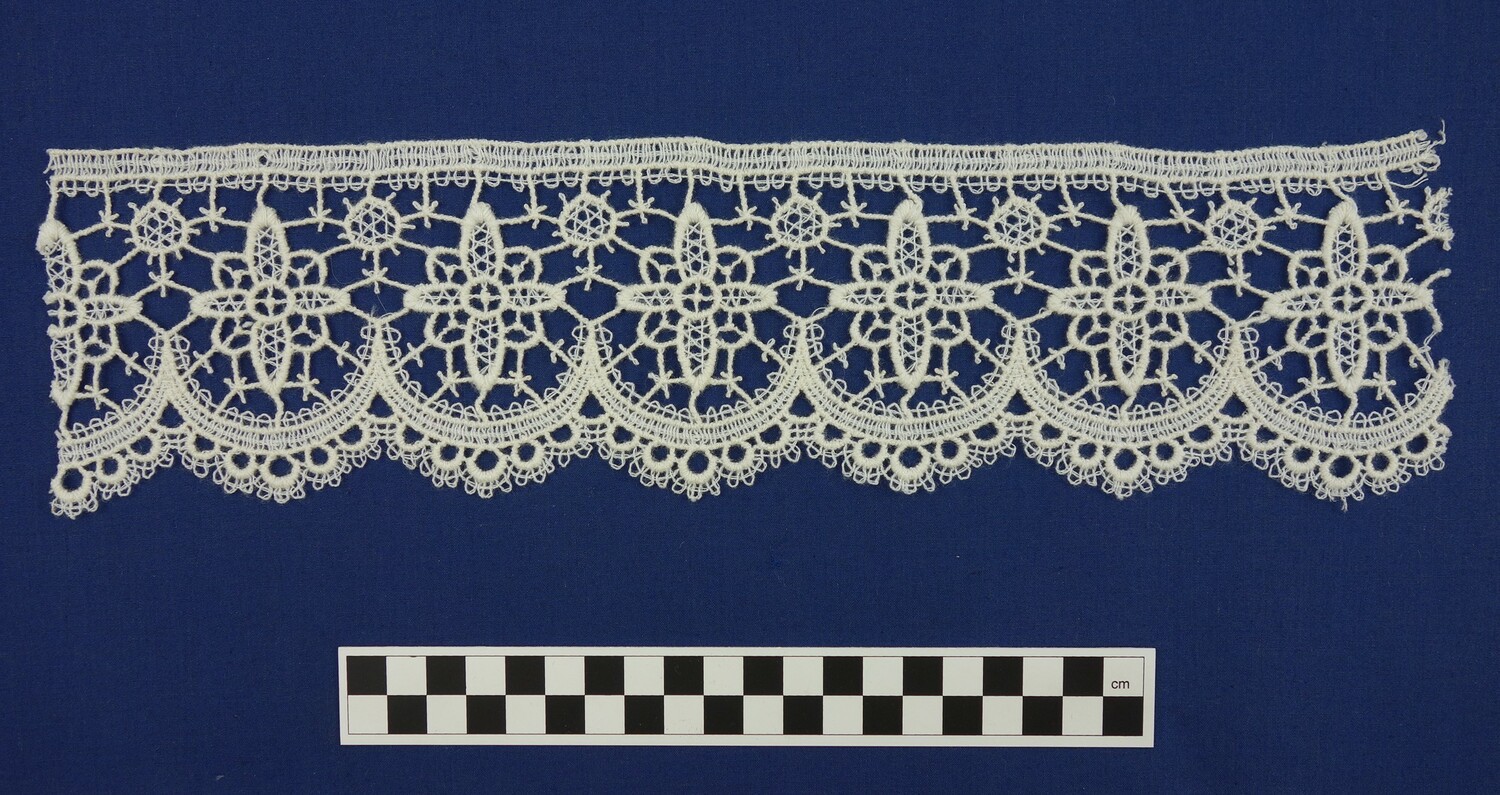
Since joining the bobbin lace classes at the TRC in the autumn of last year and later joining as a volunteer, I have been discovering just how broad the world of lace is. I am currently reorganising the TRC’s reference collection of lace, which contains over 1200 pieces (and more are continually being catalogued, photographed and added to the TRC Collection database).

Sample of chemical lace. The Netherlands (TRC 2007.0593).Sample of chemical lace. The Netherlands (TRC 2007.0593).

By Gillian Vogelsang-Eastwood, 9 April 2024

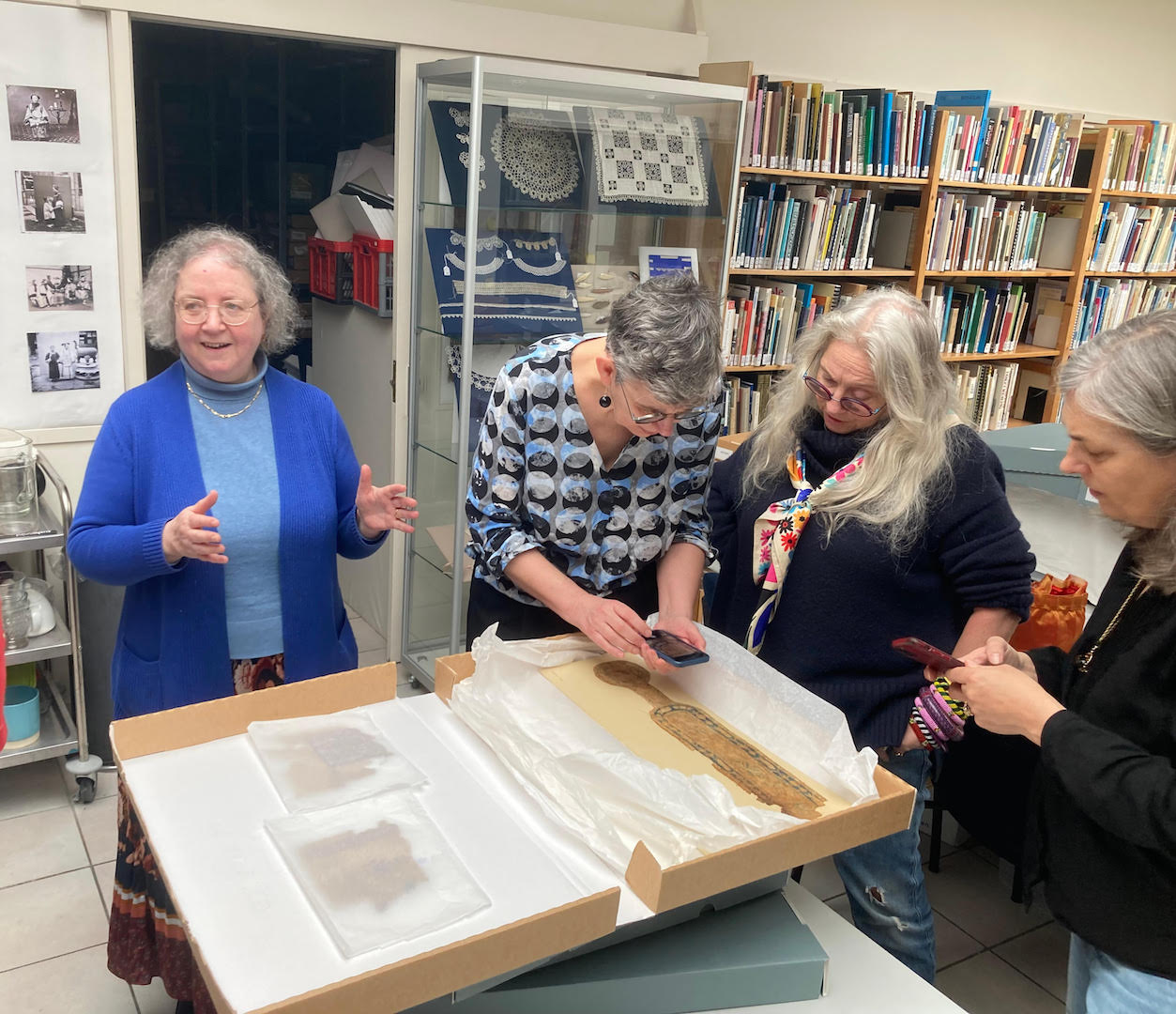
A few days ago (Saturday 6th April) we had a really interesting, pleasant and intriguing meeting in Leiden with Polish colleagues about medieval Christian wall paintings from Nubia (northern Sudan and southern Egypt), and about the role and the future of the TRC and textile studies in general. Dr. Karel Innemée , a TRC Board member, professional archaeologist and textile/dress specialist working in Egypt and Sudan, and at present an assistant professor at the University of Warsaw, brought the Polish group to see the TRC.

Polish delegation visits the TRC, 6 April 2024Polish delegation visits the TRC, 6 April 2024

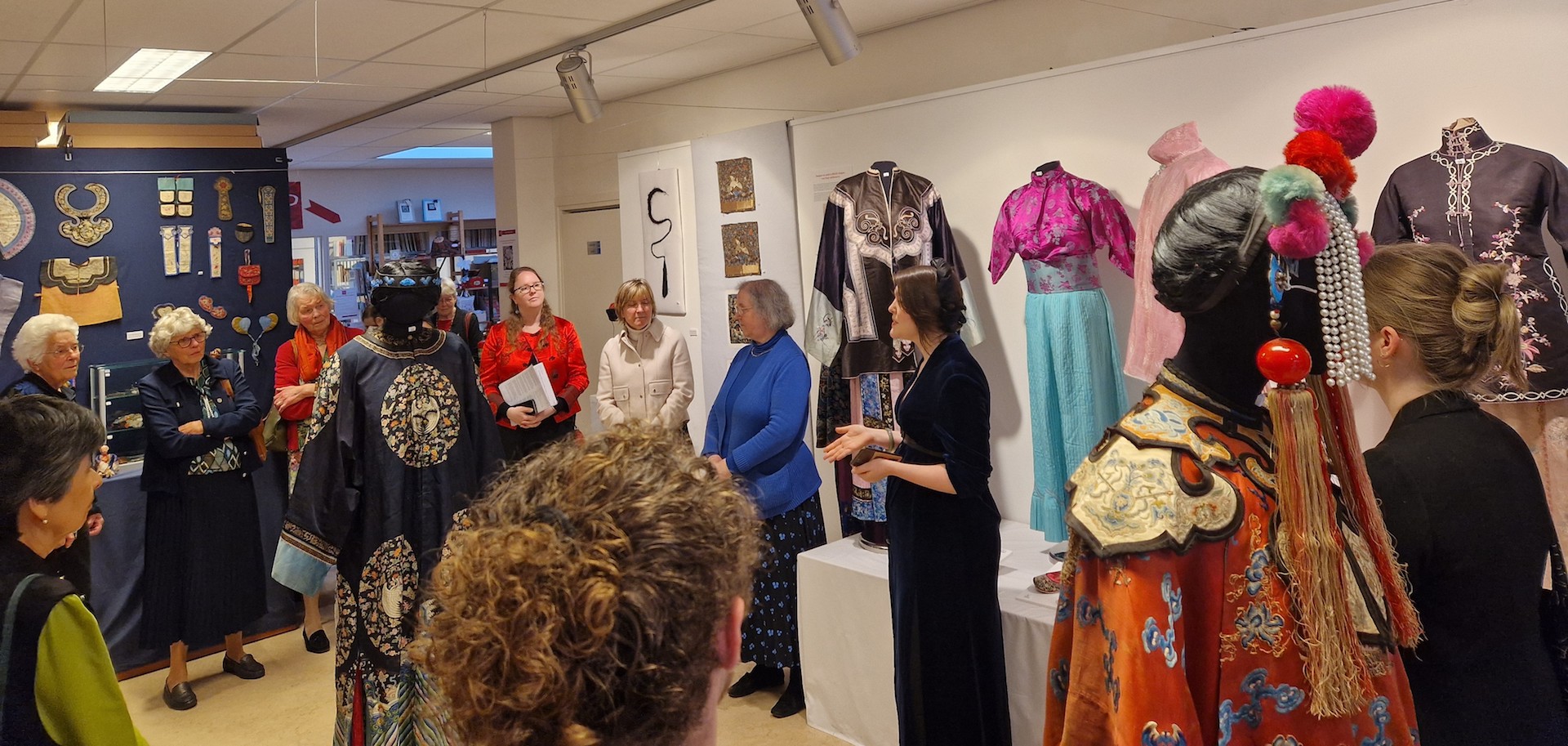
We have just had the opening (Thursday 28th March) to the TRC’s latest exhibition called ‘From Dragon Robes to Mao suits. Chinese clothing in the 20th century,' which is about the difference between late 19th century courtly and urban Chinese garments, and those influenced by Western fashions from the 1910s onwards, as well as the complete contrast with a Mao-period Communist outfit from the 1970s. The exhibition helps to explore some of the dramatic changes in Chinese dress in the 20th century.

Opening of the TRC exhibition: 'From Dragon Robes to Mao suits. Chinese clothing in the 20th century', Thursday, 28 March 2024. Photograph by TRC volunteers.Opening of the TRC exhibition: 'From Dragon Robes to Mao suits. Chinese clothing in the 20th century', Thursday, 28 March 2024. Photograph by TRC volunteers.

It was a lovely opening! I spoke about the TRC and what we want to achieve, and had the opportunity to personally thank Quirina van Vreeburg, who has recently donated a large and varied collection of Chinese gowns, jackets, shoes, hair ornaments, including items made from kingfisher feathers, as well as collars and tiger hats for boys.  

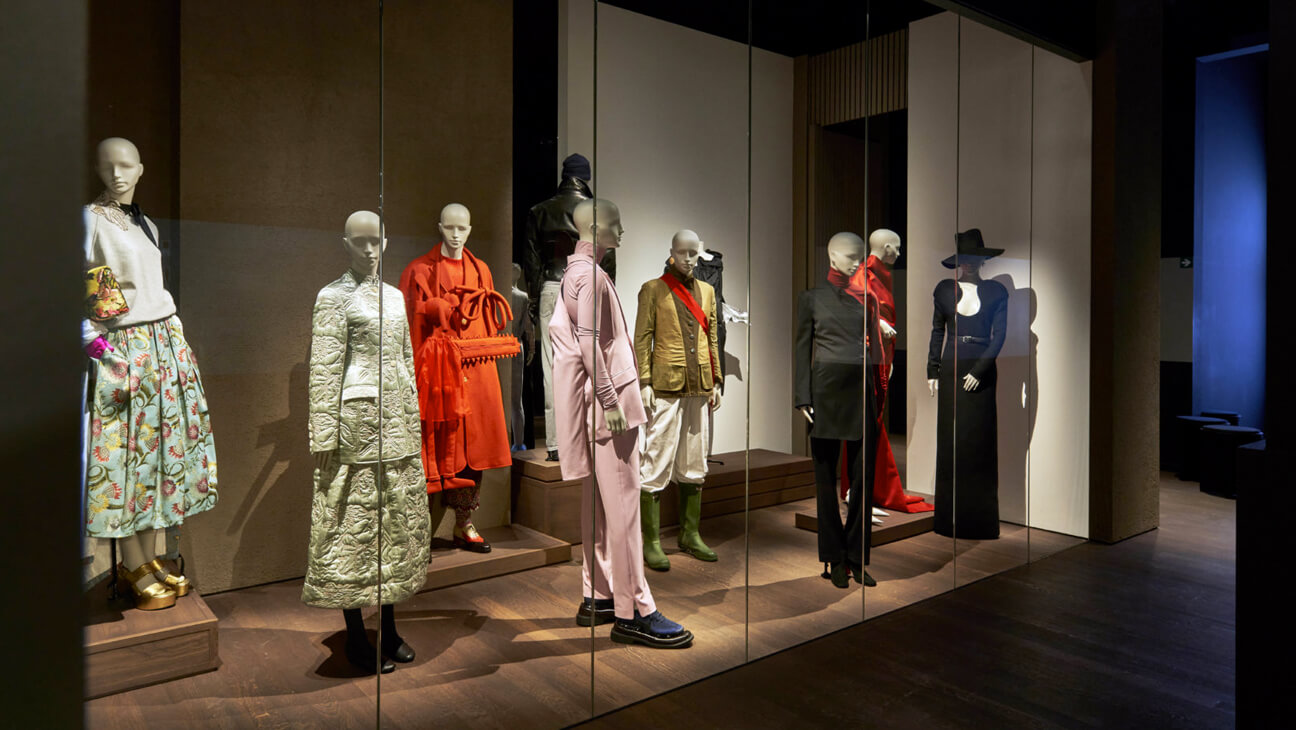
At the end of November 2023, Dieter Suls of the ModeMuseum (MoMu), Antwerp, Belgium, came to the TRC in Leiden to see what we are doing and how. His visit included a discussion about the role of textiles, dress and fashion in society. He was amazed about what can be done, at the TRC, by a group of dedicated (obsessed?) people with limited resources.

Exhibition at the MoMu, AntwerpExhibition at the MoMu, Antwerp

by Emilie Lambert, archaeology intern at the TRC; 20 March 2024

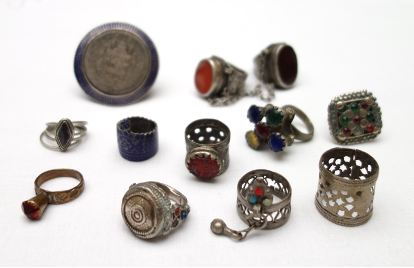
The TRC is working hard at cataloguing the Afghan jewellery from the Schinasi donation. The current blog focuses on the vast array of finger rings. Many of the pieces are already accessible in the TRC online collection catalogue.  As someone who does not wear jewellery herself, I was amazed at the number and variety of styles within this group of objects, although they all derive from a relatively small part of the world and date to a specific period of time.

Group of rings from Afghanistan and beyond, 20th century.Group of rings from Afghanistan and beyond, 20th century.

As a student in archaeology, we are often taught that each period and each region has its own particular style. Going through the finger rings from Afghanistan at the TRC I realise that that is not the case.

Gillian Vogelsang-Eastwood, 10 March 2024

A gentle day (9th March) in London visiting some very different venues! As part of looking at exhibitions and other displays, Willem and I went to three venues today. The first was St. Paul’s Cathedral, the second Apsley House, the stately home of the Duke of Wellington who defeated Napoleon in 1815, and the third was the King's Gallery (the former Queen’s Gallery), Buckingham Palace.

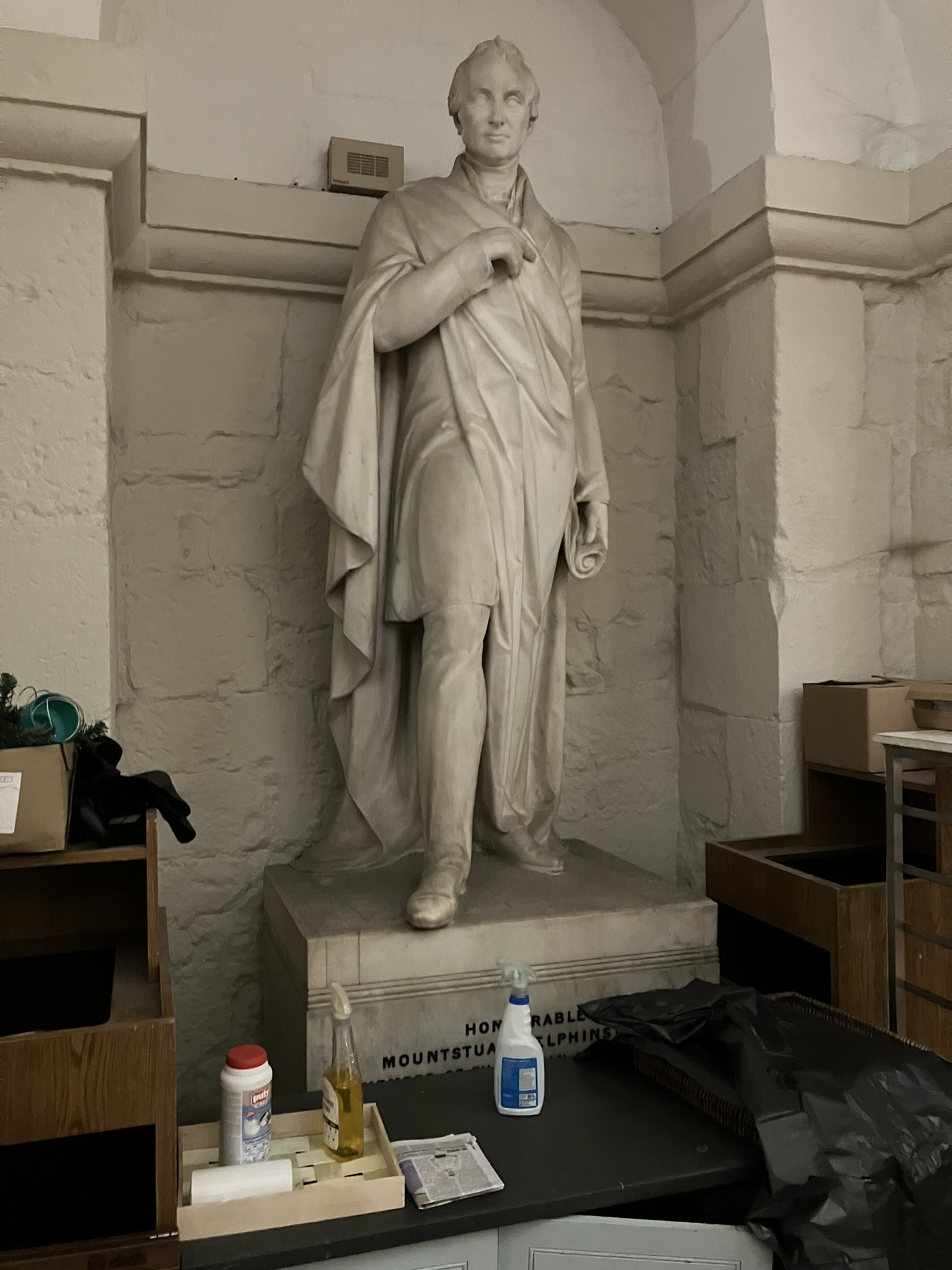
Statue of Mountstuart Elphinstone, in the crypt of St. Paul's, London. Photograph Willem Vogelsang.Statue of Mountstuart Elphinstone, in the crypt of St. Paul's, London. Photograph Willem Vogelsang.On the ground floor, the grand cathedral of St. Paul’s has become a commercial institute with a couple of small chapels for those who want to pray, but visitors have to pay for the honour of being there, and it feels like it. But there are some interesting items, such as the very grand and elaborate memorial to the Duke of Wellington!

However, going down into the Crypt is stepping into British history, as there are the graves and memorials to Sir Christopher Wren, Sir Isaac Newton, Florence Nightingale, Montgomery of El Alamein as well as many artists and poets including Blake, Millais and Turner. The 18th century memorials are subdued, the 19th century ones are not.

Zoek in TRC website

Contact

Boerhaavelaan 6
2334 EN Leiden.
Tel. +31 (0)71 5134144 (kantooruren)  
office@trcleiden.org

Het TRC is elke dag geopend tussen 10.00 en 15.00 uur.

facebook 2015 logo detail


instagram vernieuwt uiterlijk en logo


Bankrekening

NL39 INGB 0002 9823 59, t.a.v. Stichting Textile Research Centre.

Financiële giften

Het TRC is afhankelijk van project-financiering en privé-donaties. Al ons werk wordt verricht door vrijwilligers. Ter ondersteuning van de vele activiteiten van het TRC vragen wij U daarom om financiële steun:

Giften kunt U overmaken op bankrekeningnummer (IBAN) NL39 INGB 000 298 2359, t.n.v. Stichting Textile Research Centre. BIC code is: INGBNL2A

U kunt ook, heel simpel, indien u een iDEAL app heeft, de iDEAL-knop hieronder gebruiken en door een bepaald bedrag in te vullen: 


Omdat het TRC officieel is erkend als een Algemeen Nut Beogende Instelling (ANBI), en daarbij ook nog als een Culturele Instelling, zijn particuliere giften voor 125% aftrekbaar van de belasting, en voor bedrijven zelfs voor 150%. Voor meer informatie, klik hier