• F1
  • F4
  • F3
  • F2

Tapa is a non-woven cloth made from the inner bark of trees, especially the paper mulberry tree (Broussonetia papyrifera), or more occasionally from the wild fig or breadfruit tree. It’s most commonly found in Pacific Ocean island nations such as Tonga and Tahiti, but also in parts of South America and Africa. Tapa can be strong and long lasting, but it does have some disadvantages: producing tapa is very labour intensive, and it mildews and becomes weak when wet.
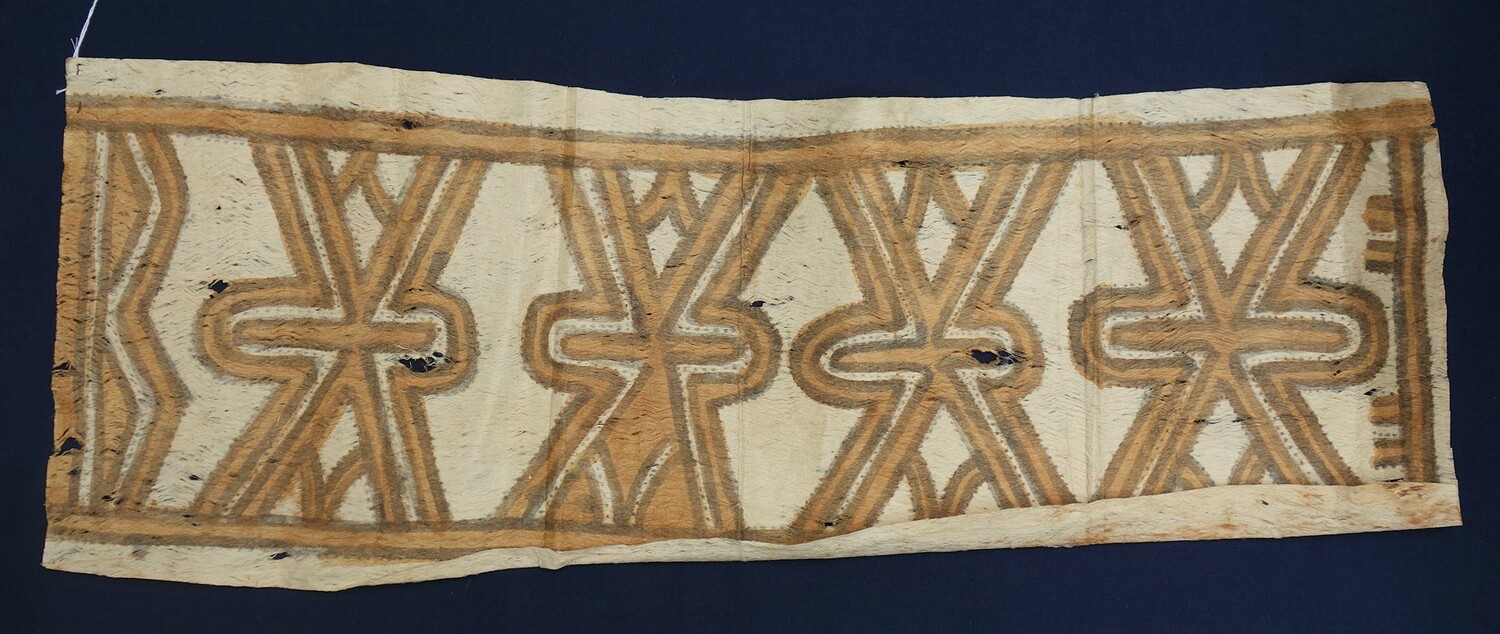
Bark cloth sample from Samoa, 1990's (TRC 2015.0070).Bark cloth sample from Samoa, 1990's (TRC 2015.0070).
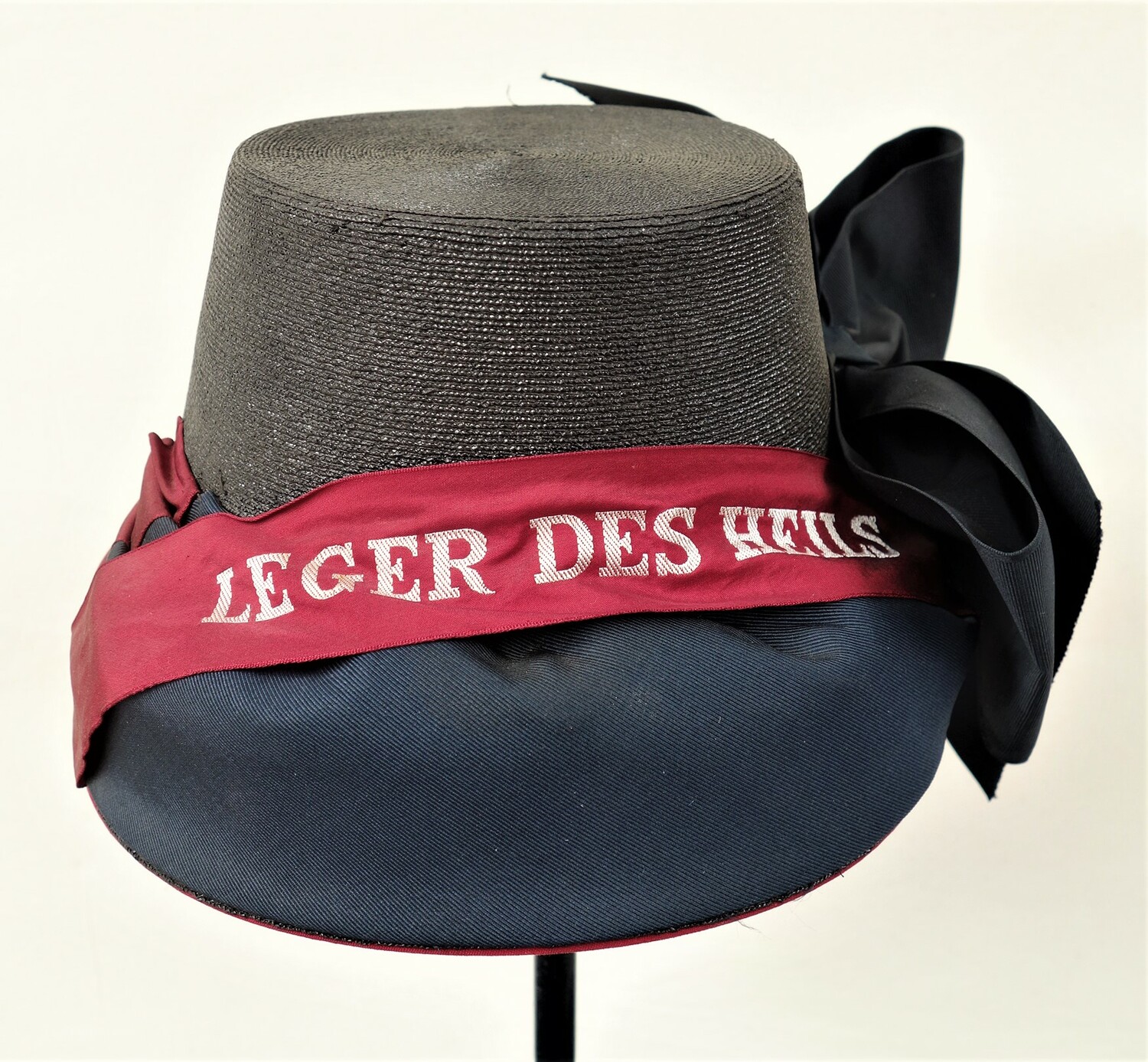
Bonnet for a woman of the Salvation Army, the Netherlands, 20th century (TRC 2020.3332a).Bonnet for a woman of the Salvation Army, the Netherlands, 20th century (TRC 2020.3332a).We have just added two Dutch army uniforms to the TRC Collection. One of them (TRC 2020.5144a-c) was for a captain (ritmeester) in the Dutch cavalry, which was worn by Boudewijn Wilmer (1943-2019) and given to the TRC Leiden by his family. The other uniform (TRC 2020.5149a-f), for a corporal in the reserves, was worn by Kees van der Zwan, who in 1995 accompanied veteran Allied airmen when they toured Holland.

As a result of these and similar donations in the past, such as the police uniform (TRC 2007.1145a-h) worn by Paul van Musscher, a former highly placed police officer here in Leiden, or the set of army officer's uniforms (TRC 2019.0091-3), some of which worn by my husband when he served in Afghanistan, we have been asked if we are going to deliberately collect military and police uniforms?

Many museums and similar institutions, as well as private collectors, are concerned with The Beautiful, with rare, aesthetically pleasing items that stimulate the delicate feelings of the connoisseur. I have to confess to something that may shock you a little, but the TRC in Leiden does not work with the criteria of ‘The Beautiful’. Instead, we are collecting and studying items that are interesting, namely textiles and garments that reflect technical developments and/or illustrate stories that provide information about past, present and future aspects of social, economic, religious, personal and group identity. And all the many variations that come with this vast concept.

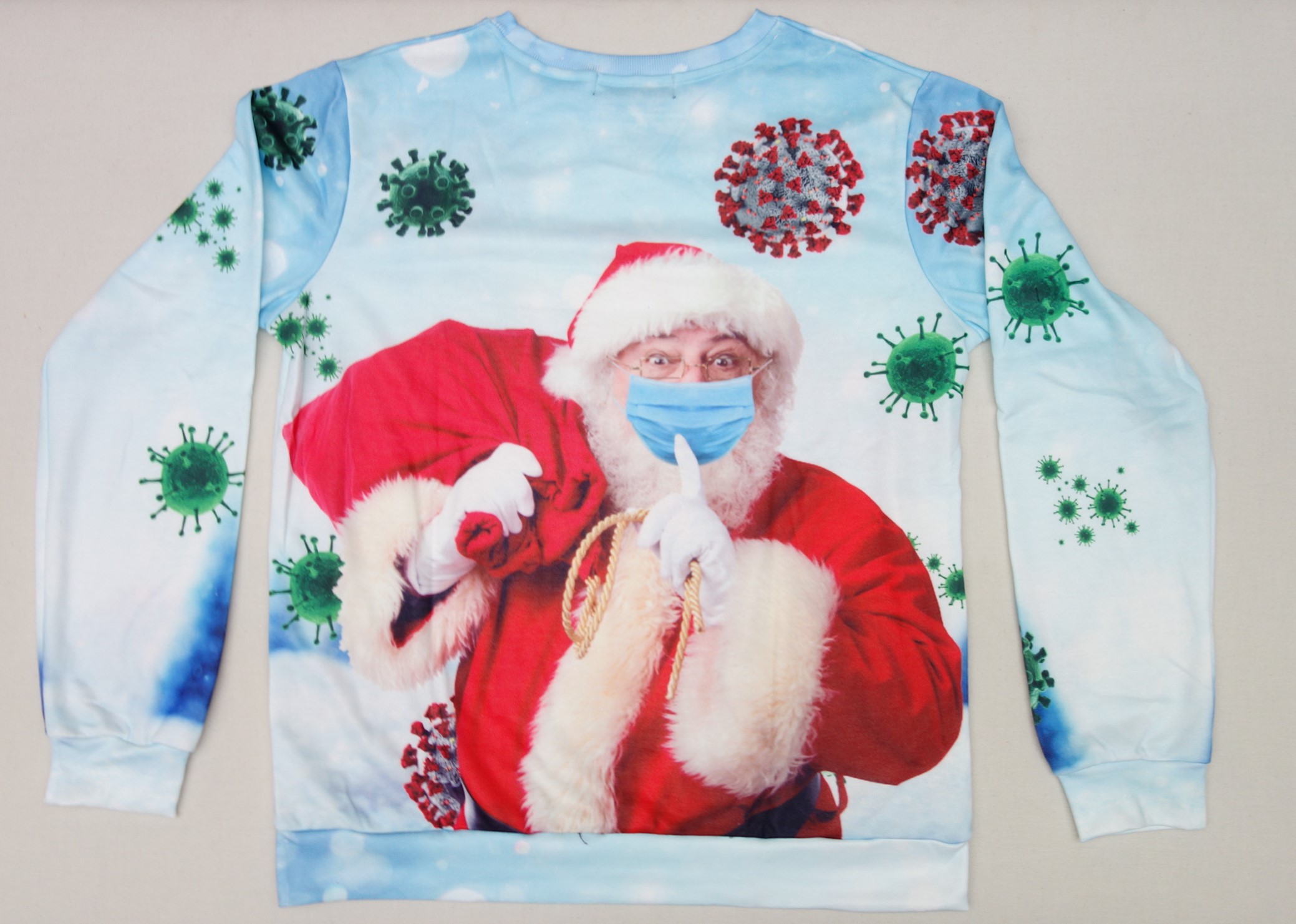
So what has all this to do with a very recent acquisition of the TRC Leiden? Well, it's a Christmas jumper, which is a story in itself. You can hardly describe it as beautiful and aesthetically pleasing. To the contrary, it is, for many of us, simply ugly. But it is meant to be!

A 'wrong', and 'orrible Christmas jumper, the latest addition to the TRC collection (TRC 2020.5178).A 'wrong', and 'orrible Christmas jumper, the latest addition to the TRC collection (TRC 2020.5178).

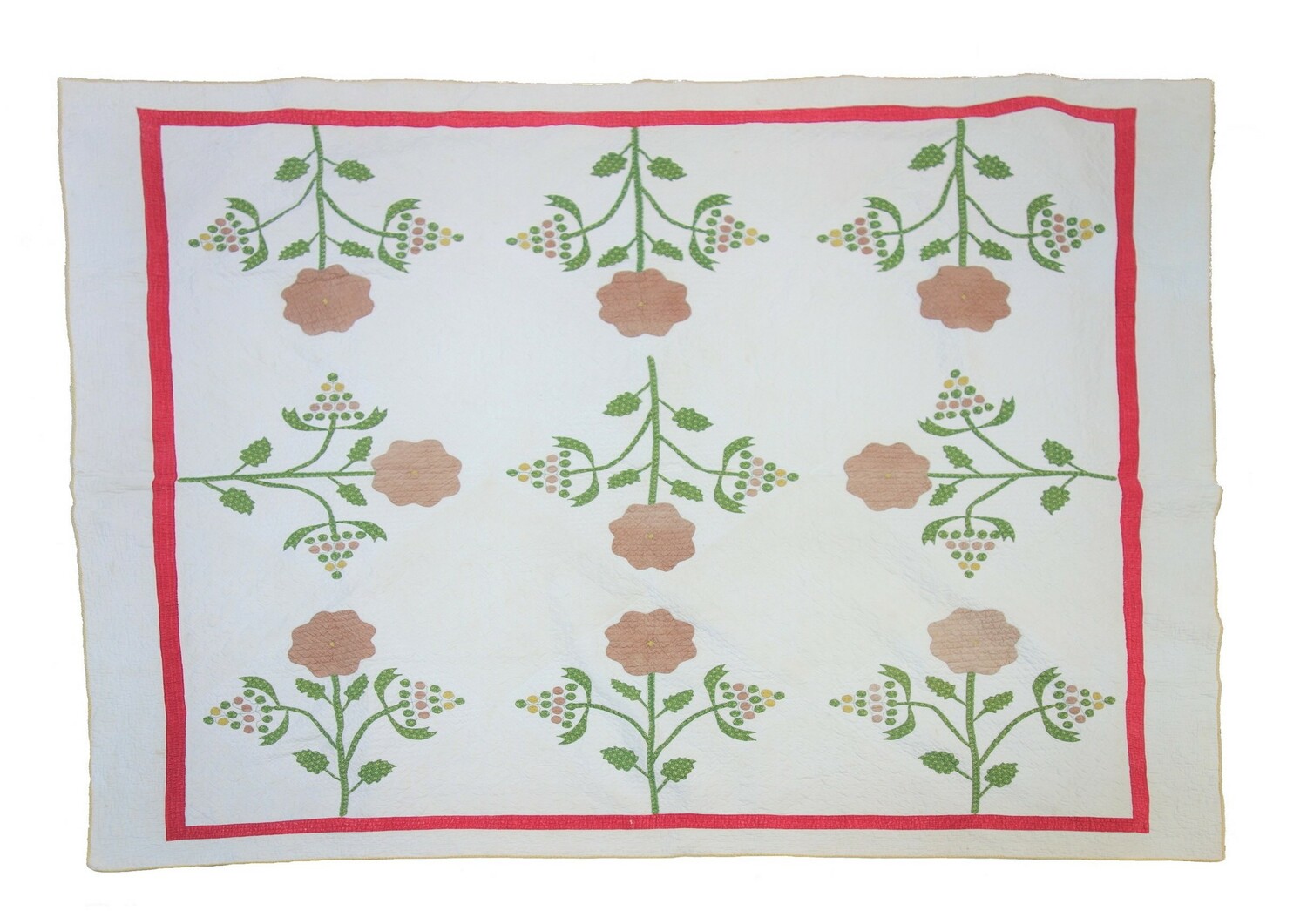
A quilt made c. 1850 in the USA, possibly by a slave (TRC 2019.2402).A quilt made c. 1850 in the USA, possibly by a slave (TRC 2019.2402).Earlier this year the TRC published a blog on an American quilt (TRC 2019.2402), dated to c. 1850s, which was probably produced by an enslaved person (see the TRC blog 'A slave quilt in the TRC collection?". The TRC collection also contains a sample of Dammur cloth from Sudan (TRC 2016.0034; see also the TRC blog 'Dammur cloth from Sudan' and 'Dammur cloth from Sudan, continued'). This was a type of locally made, relatively rough, cotton material used by Arab merchants for dressing slaves, as well as being a currency to buy them. These finds took me on a search to find out more about the role of textiles in the slave trade.

Textiles were one of the main currencies during the transatlantic slave trade, and were part of an international trade system that also saw Virginian tobacco, Danish guns, Spanish wines and cowrie shells from the Maldives traded for the lives of African men, women and children.

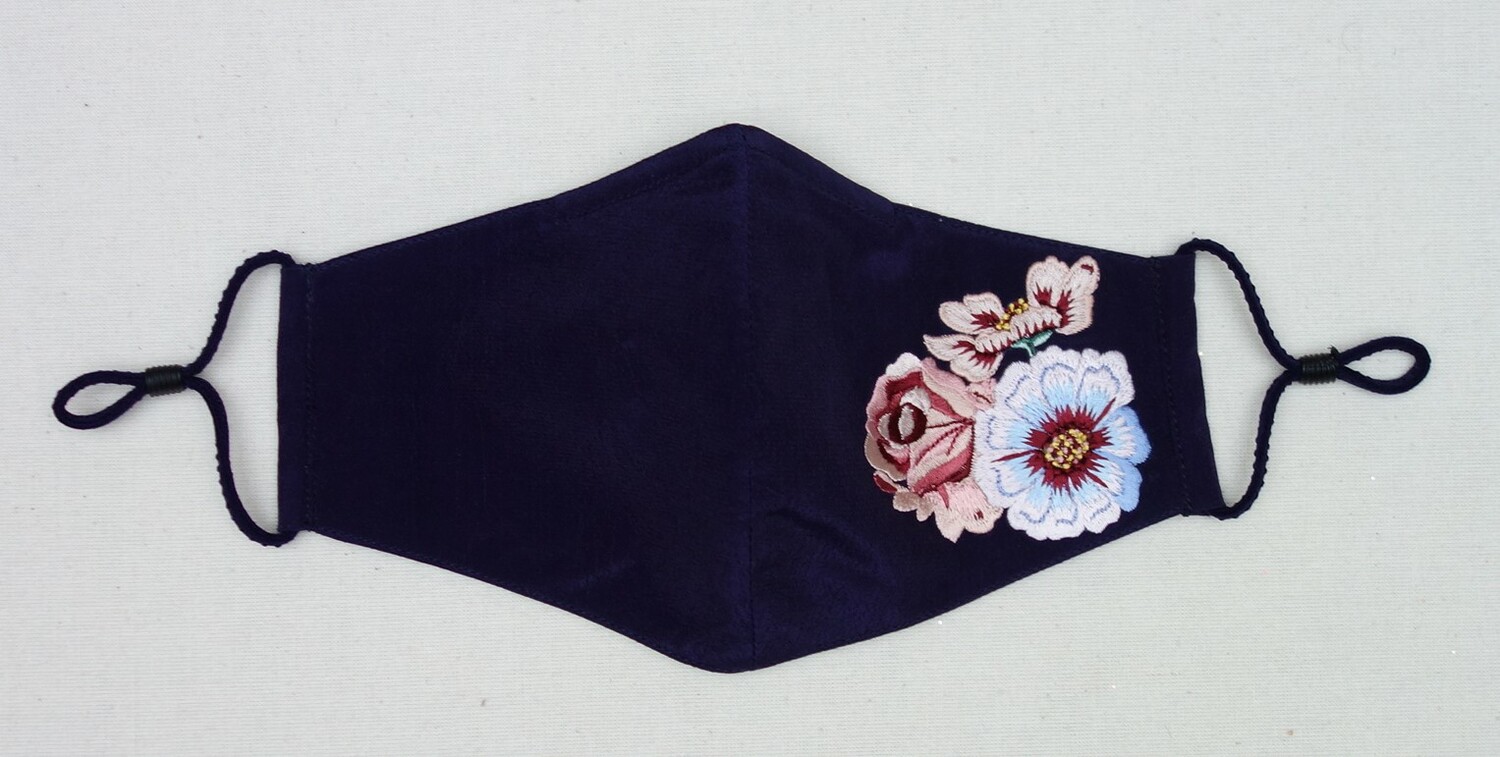
More and more people are wearing interesting, plain, colourful, funny, gruesome, as well as symbolic face masks as the corona virus situation drags on and on. There are fashion designers producing matching garments and masks, Gothic black forms  with lace and feathers, to local groups supporting various charities by making and selling suitable masks. See the recent TRC blog on the variety of face masks.

Face mask designed by the firm of Hand&Lock in London, 2020 (TRC 2020.5176a).Face mask designed by the firm of Hand&Lock in London, 2020 (TRC 2020.5176a).

It has been a while since we have published some embroidery charts via the TRC Blog, so I have been looking for some suitable items.

As we are working on the volume about Sub-Saharan African embroidery for the Bloomsbury World Encyclopedia of Embroidery series, it seemed appropriate to include some African embroidery patterns. These particular examples are based on the darned embroidered bands from a series of men's caps now in the British Museum, London. The caps come from Senegal and were acquired by the Museum in 1934.

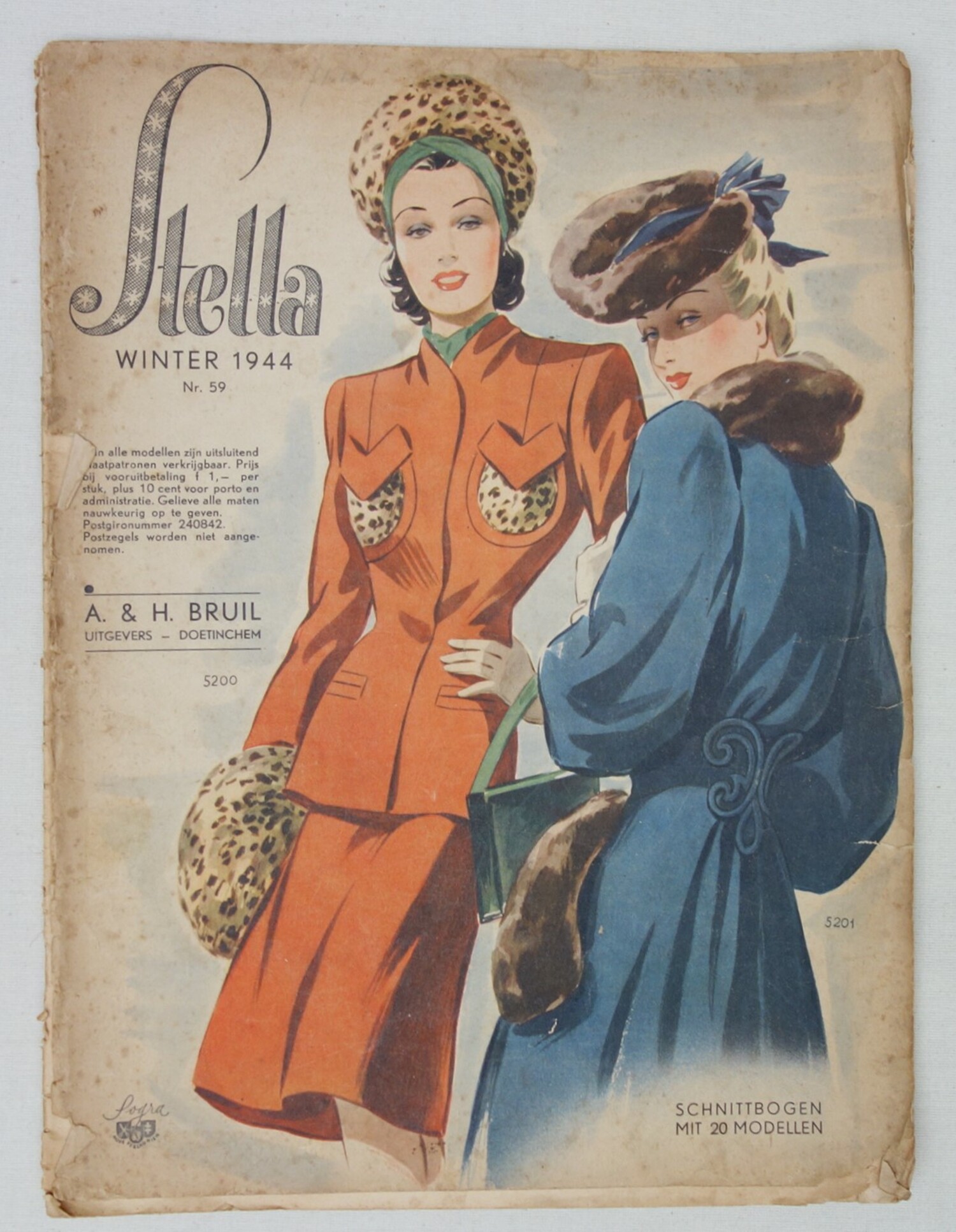
Cover of a 1944 women's magazine, called Stella, published in Doetinchem (TRC 2020.5174).Cover of a 1944 women's magazine, called Stella, published in Doetinchem (TRC 2020.5174).Last week the COVID-19 crisis led to a semi-lockdown of the Netherlands, at least until 19th January. This means that we have had to shut the TRC for visitors for much of the rest of December and early January. It does not mean that we stop with our work. The TRC staff and its many volunteers and student interns will continue with a plethora of activities, as we partially also discussed in a blog of yesterday. In the days and weeks to come, we would like to keep you informed about what we are doing:

The TRC Leiden has just extended its exhibition called Textile Tales from the Second World War until Thursday, the 4th February 2021. This means, despite the TRC being currently shut due to the lockdown, that you still have a chance to see the exhibition from the 20th January to the 4th February 2021. But please be aware, as it stands now you probably will have to announce your visit in advance!

In the meantime, we have recently received several donations that are related to the theme of the war, textiles and dress. Some of these pieces will be added to the actual and to the online exhibition on the same theme. We have been given, for example, by Esther van der Valk, some rare examples of women's fashion magazines from the period. These include one from the summer of 1940 that was in Dutch (TRC 2020.5173), one from the summer of 1944, in Dutch and German (TRC 2020.5174) and two from just after the war (1946/7 and 1948, TRC 2020.5171 and TRC 2020.5172 respectively), which were both in Dutch and French and produced in Belgium and the Netherlands..

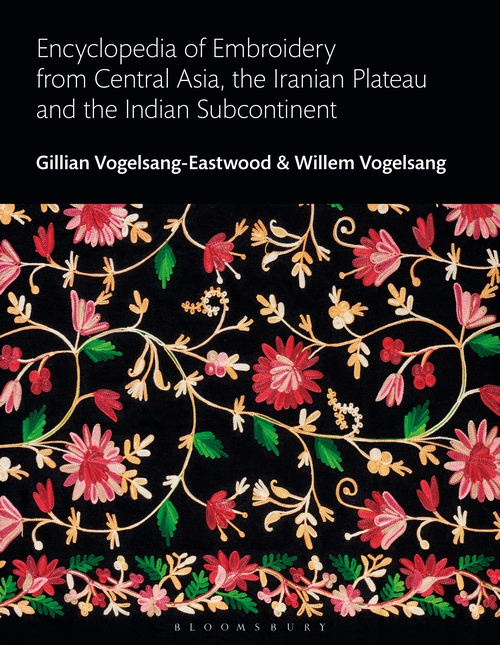
Volume 2 of the Bloomsbury World Encyclopedia of Embroidery will be published in January 2021.Volume 2 of the Bloomsbury World Encyclopedia of Embroidery will be published in January 2021.In early January 2021 the second volume of the Bloomsbury World Encyclopedia of Embroidery will become available. It is about hand embroidery from Central Asia, the Iranian plateau and the Indian Sub-Continent. More details can be found here.

In the meantime the TRC in Leiden is working on two more volumes, namely, embroidery from Scandinavia and Western Europe, and hand embroidery from Sub-Saharan Africa. We were just wondering if anyone has examples of African embroidery they would be willing to donate to the TRC Collection? Or could you send photographs?

Any 'stories' behind the suitable embroideries and textiles are also needed. Who made the pieces, what materials, threads and techniques did the makers use, and were the designs symbolic? What did the piece mean to the makers and users?

Zoek in TRC website

Contact

Boerhaavelaan 6
2334 EN Leiden.
Tel. +31 (0)71 5134144 (kantooruren)  
office@trcleiden.org

Het TRC is elke dag geopend tussen 10.00 en 15.00 uur.

facebook 2015 logo detail


instagram vernieuwt uiterlijk en logo


Bankrekening

NL39 INGB 0002 9823 59, t.a.v. Stichting Textile Research Centre.

Financiële giften

Het TRC is afhankelijk van project-financiering en privé-donaties. Al ons werk wordt verricht door vrijwilligers. Ter ondersteuning van de vele activiteiten van het TRC vragen wij U daarom om financiële steun:

Giften kunt U overmaken op bankrekeningnummer (IBAN) NL39 INGB 000 298 2359, t.n.v. Stichting Textile Research Centre. BIC code is: INGBNL2A

U kunt ook, heel simpel, indien u een iDEAL app heeft, de iDEAL-knop hieronder gebruiken en door een bepaald bedrag in te vullen: 


Omdat het TRC officieel is erkend als een Algemeen Nut Beogende Instelling (ANBI), en daarbij ook nog als een Culturele Instelling, zijn particuliere giften voor 125% aftrekbaar van de belasting, en voor bedrijven zelfs voor 150%. Voor meer informatie, klik hier