• F4
  • F1
  • F3
  • F2

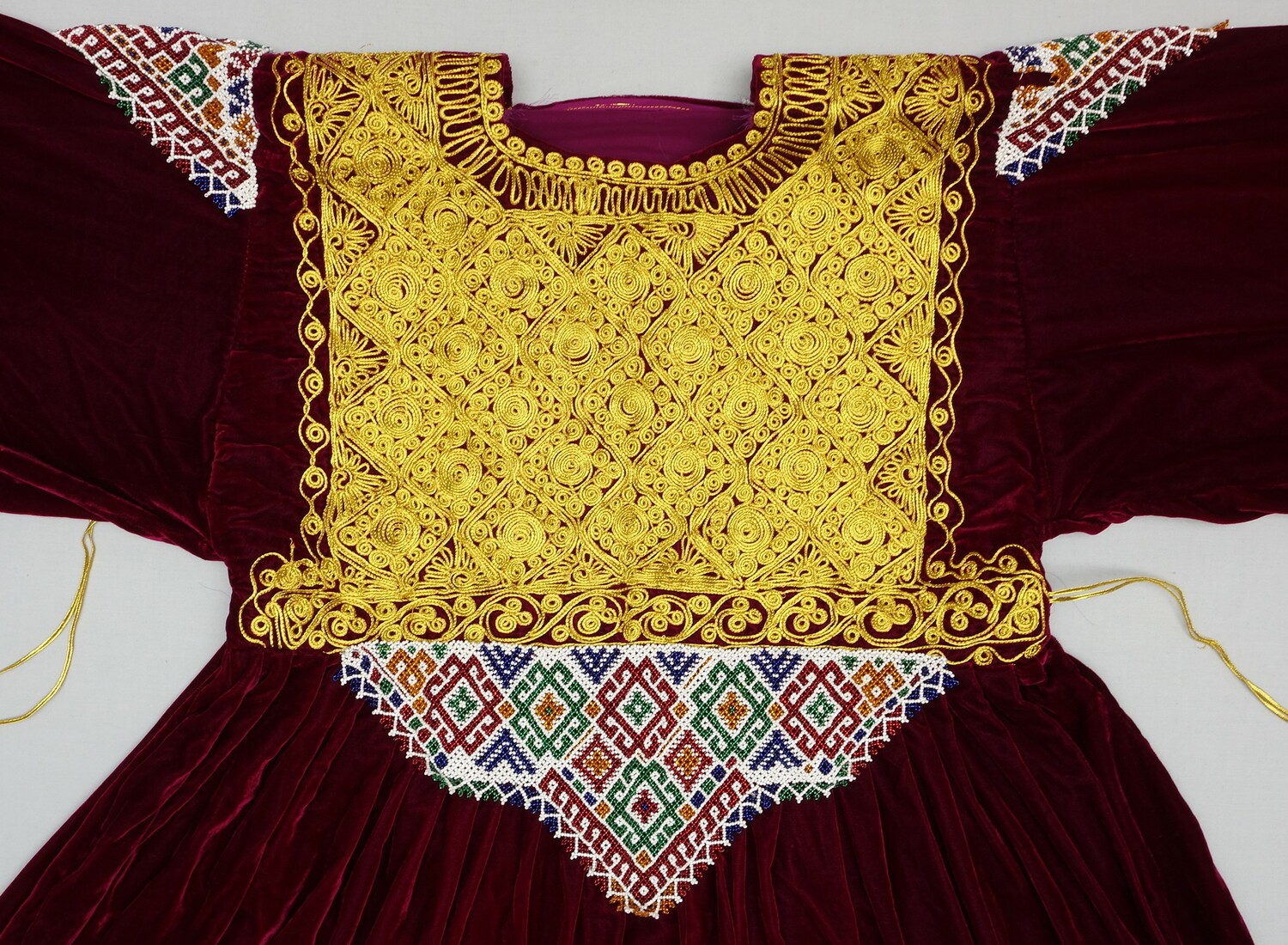
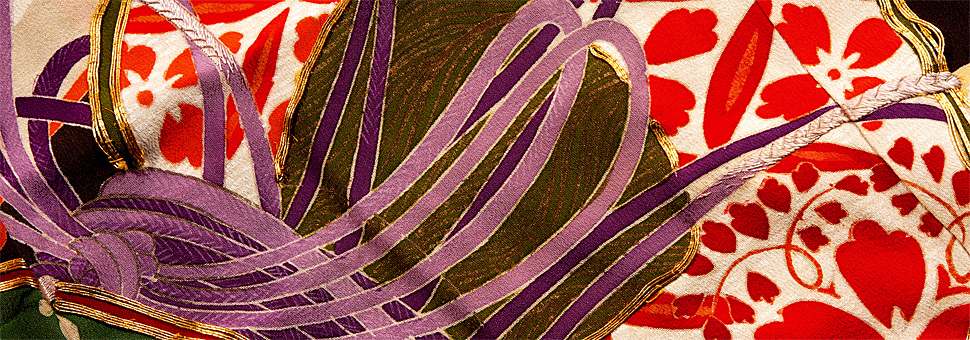
A detail of an Afghan/Pashtun bridal dress in velvet, with extensive gold thread embroidery, 2004 (TRC 2005.0251b).A detail of an Afghan/Pashtun bridal dress in velvet, with extensive gold thread embroidery, 2004 (TRC 2005.0251b).The TRC collection includes some stunning examples of gold thread embroidery. They include a Yemeni dagger belt (TRC 2012.0392), an Indonesian ikat (TRC 2013.0290), an Afghan wedding dress (TRC 2005.0251b), Indian zari work (including an example of the iconic buteh/paisley motif, TRC 2020.5154), a pair of slippers from Singapore (TRC 2009.0117a-b), and much more.

No one knows for sure when working with metallic thread began, either for weaving or embroidering. Some people have suggested that the technique may have originated in China and spread from there, but this is by no means certain. The oldest recorded instance in Europe and the Middle East dates to the Roman period. It is likely that the technique of using gold thread was developed independently in various places.
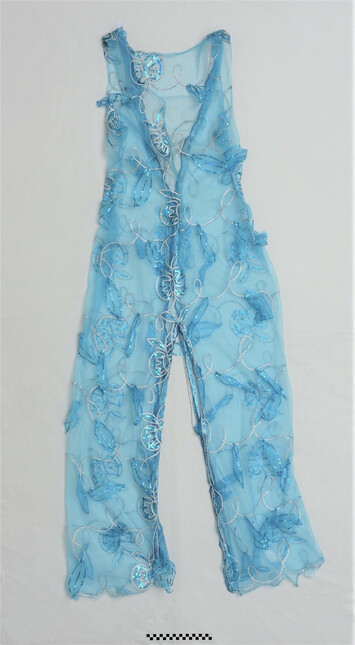
Long costume in turquoise net with applied silver coloured braids and turquoise sequins. The costume was made for drag queen Jennifer Hopelezz, Church Club, Amsterdam (TRC 2019.1622).Long costume in turquoise net with applied silver coloured braids and turquoise sequins. The costume was made for drag queen Jennifer Hopelezz, Church Club, Amsterdam (TRC 2019.1622).A few years ago the popular Amsterdam drag queen, Jennifer Hopelezz, donated a lovely turquoise net costume (TRC 2019.1622) to the TRC collection. It featured silver coloured braids and turquoise sequins, all hand stitched to the costume by Hopelezz’s husband.

This garment was more than just glitter. It had to be both comfortable to wear and flexible and sturdy enough to dance, swing and high kick in. Designing and producing clothes for performers is not an easy task.

African-American fashion designer Zelda Wynn Valdes (1905-2001) mastered the art of creating clothes that looked glamorous and that could withstand the rigors of public performance. Her customers would eventually include stars like Josephine Baker, Mae West, Ella Fitzgerald, Eartha Kitt, and opera singer Jessye Norman, among others.

Valdes was training to be a performer herself—a classical pianist, but in the 1920s found herself working in her uncle’s tailoring shop. She then worked as a stock girl in an expensive boutique, eventually becoming the shop's first black sales clerk and tailor. She opened her own dressmaking business in 1935 and never looked back.

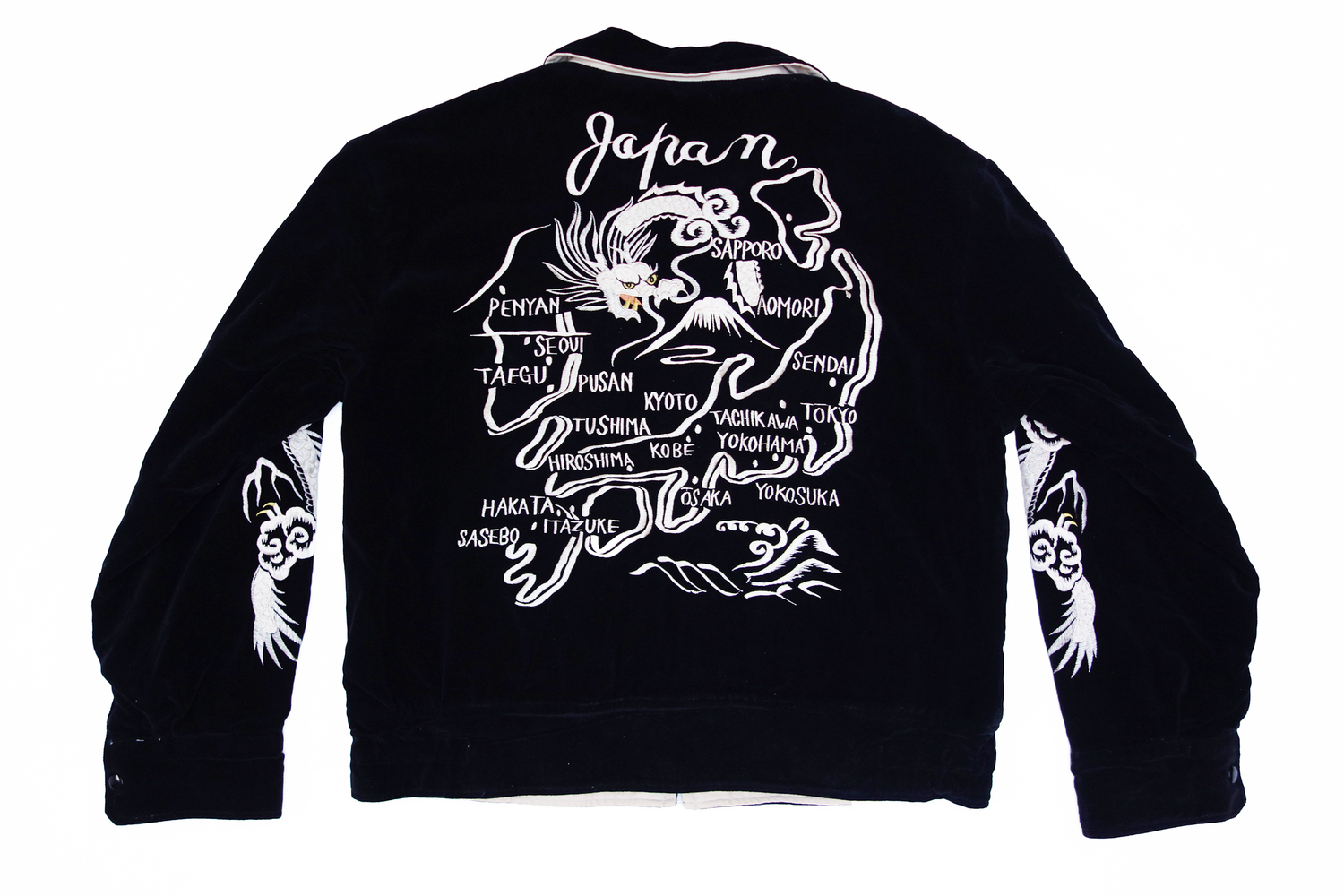
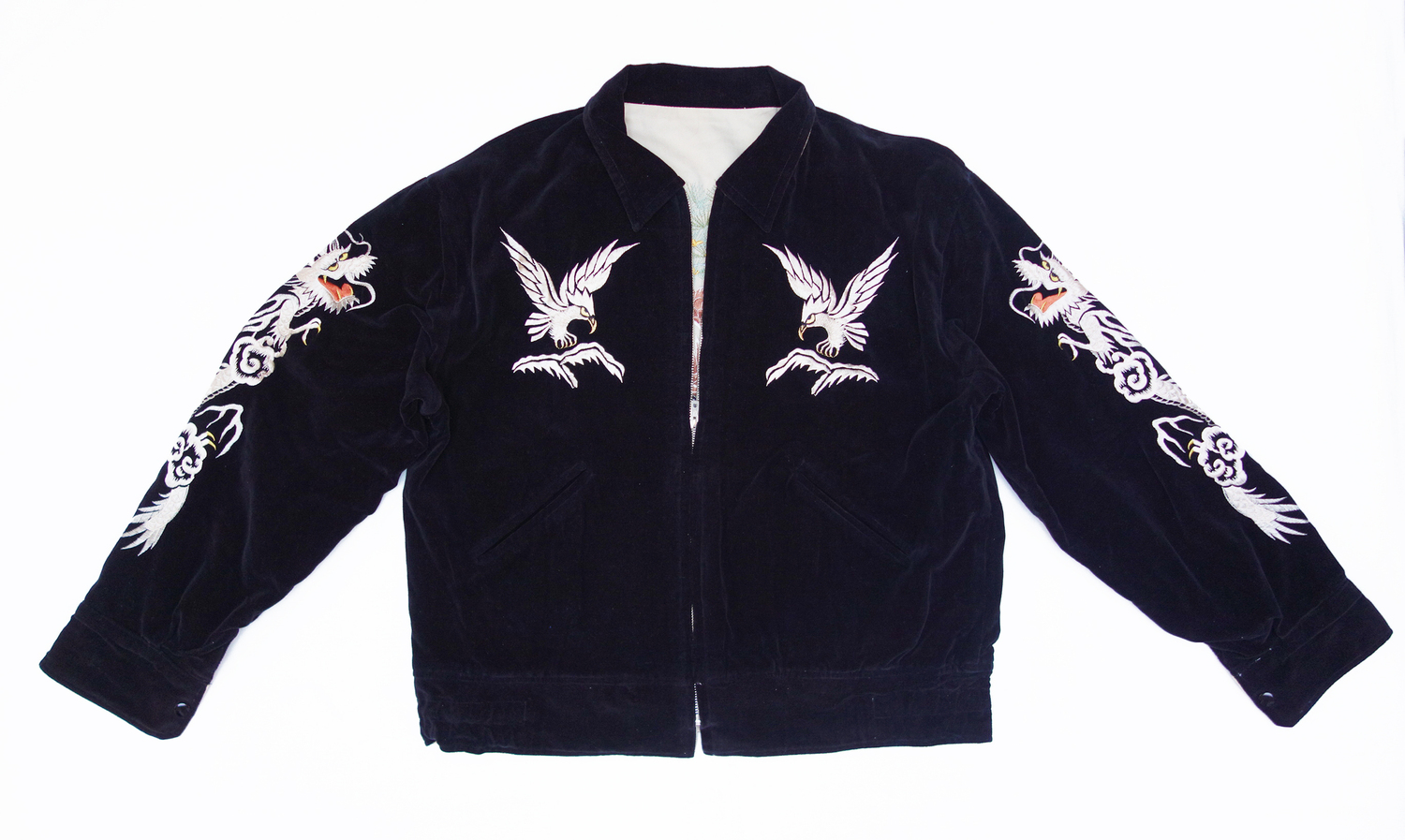
With the help of Kikuchi Naoko (Japan), a TRC (long distance) volunteer, the TRC in Leiden has been able to acquire a small collection of embroidered sukajan jackets from Japan. The term sukajan derives from: (Yokio) Suka-jan, meaning ‘(Yoko)suka jumpers’. This type of jacket dates to the end of the Second World War (1939-1945) and is based on American baseball jackets. They were worn by personnel on the US military base at Yokosuka (a city in the Kanagawa Prefecture). A specific feature of the sukajan is the use of machine embroidery (using a single needle machine that is hand operated, rather than large commercial machines).

Japanese sukajan jacket, early 21st century (TRC 2021.0625).Japanese sukajan jacket, early 21st century (TRC 2021.0625).

Back of a Japanese sukajan jacket, early 21st century (TRC 2021.0625).Back of a Japanese sukajan jacket, early 21st century (TRC 2021.0625).


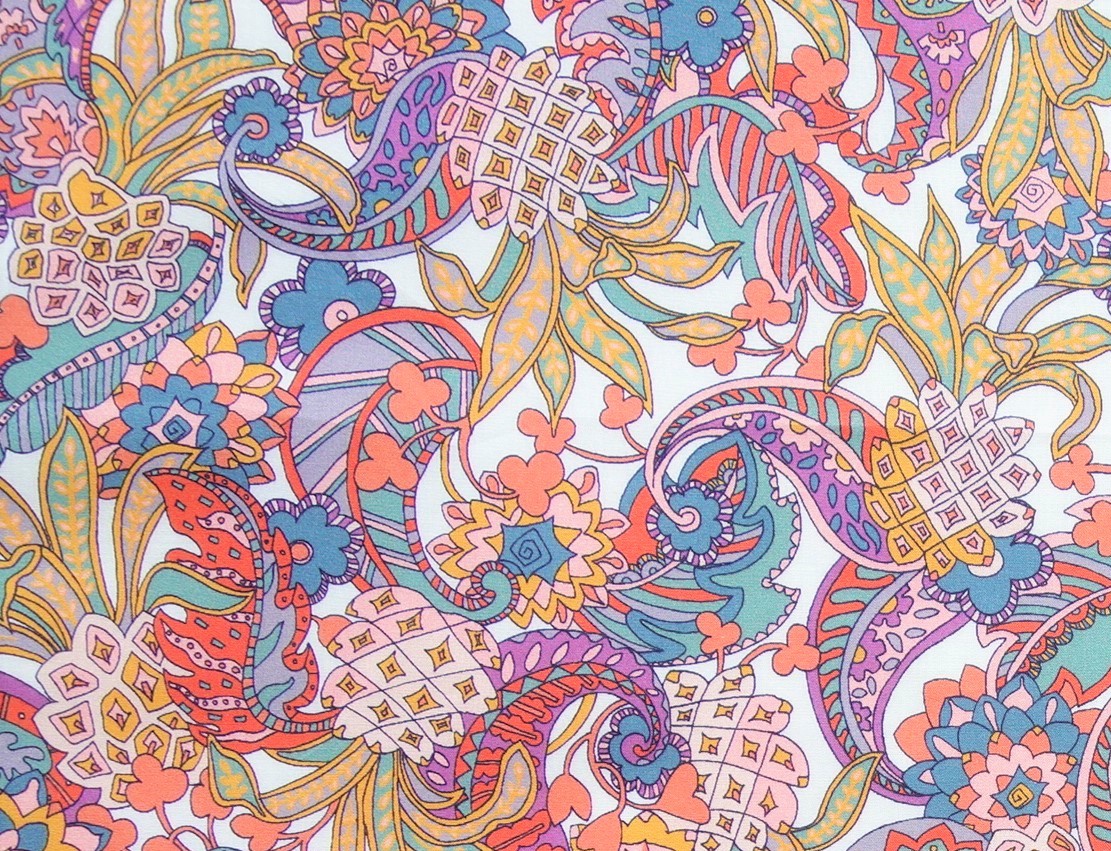
Liberty is a well-known emporium located on Great Marlborough Street, in the centre of London. Established in the late nineteenth century, it focusses on the design, production and sale of luxury textiles, clothing and household accessories. They are especially known for their Arts and Crafts, Art Nouveau and Oriental-style products.

Detail of a sample of the Pineapple Paisley design, Liberty of London, c. 2020 (TRC 2021.0638).Detail of a sample of the Pineapple Paisley design, Liberty of London, c. 2020 (TRC 2021.0638).

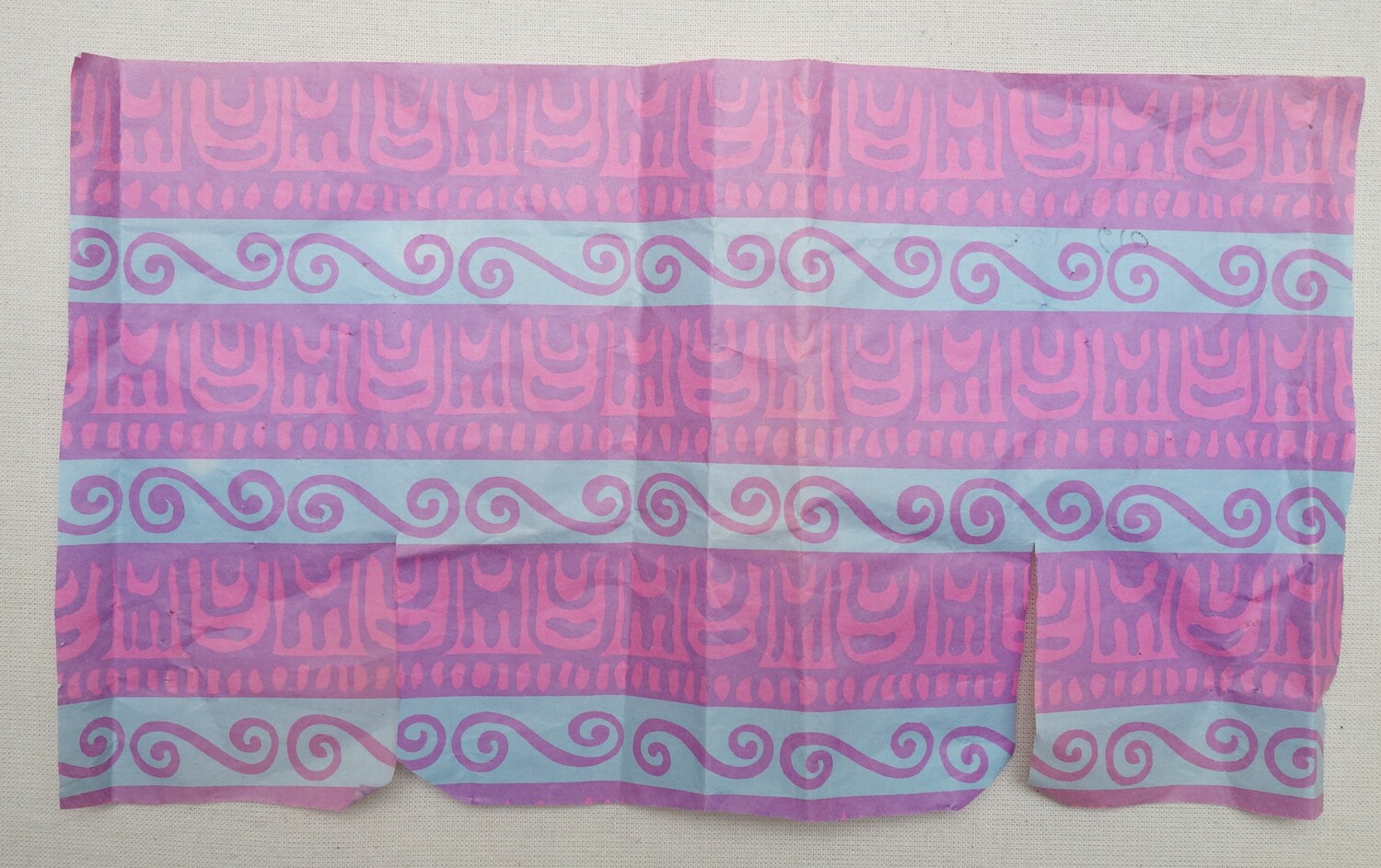
Slip of paper used for the 'sublistatic' textile transfer technique, Europe, 1970's (TRC 2021.0610).Slip of paper used for the 'sublistatic' textile transfer technique, Europe, 1970's (TRC 2021.0610).It’s amazing how a simple object can raise so many memories and at the same time highlight a forgotten textile story.

A few days ago I was cataloguing a group of items for the TRC Collection, including some paper patterns. Among the pieces there was a small rectangle made from paper with a faded 1970’s design on one side (TRC 2021.0610).

Nothing special, and yet. As a student of design history in the late 1970's I studied different textile printing methods under the guidance of Joyce Storey. One of the methods she talked about was the paper transfer technique, often referred to as ‘sublistatic’. This method was originally developed in Milan in 1953 by the company of Stampa Tessuti Artistici.

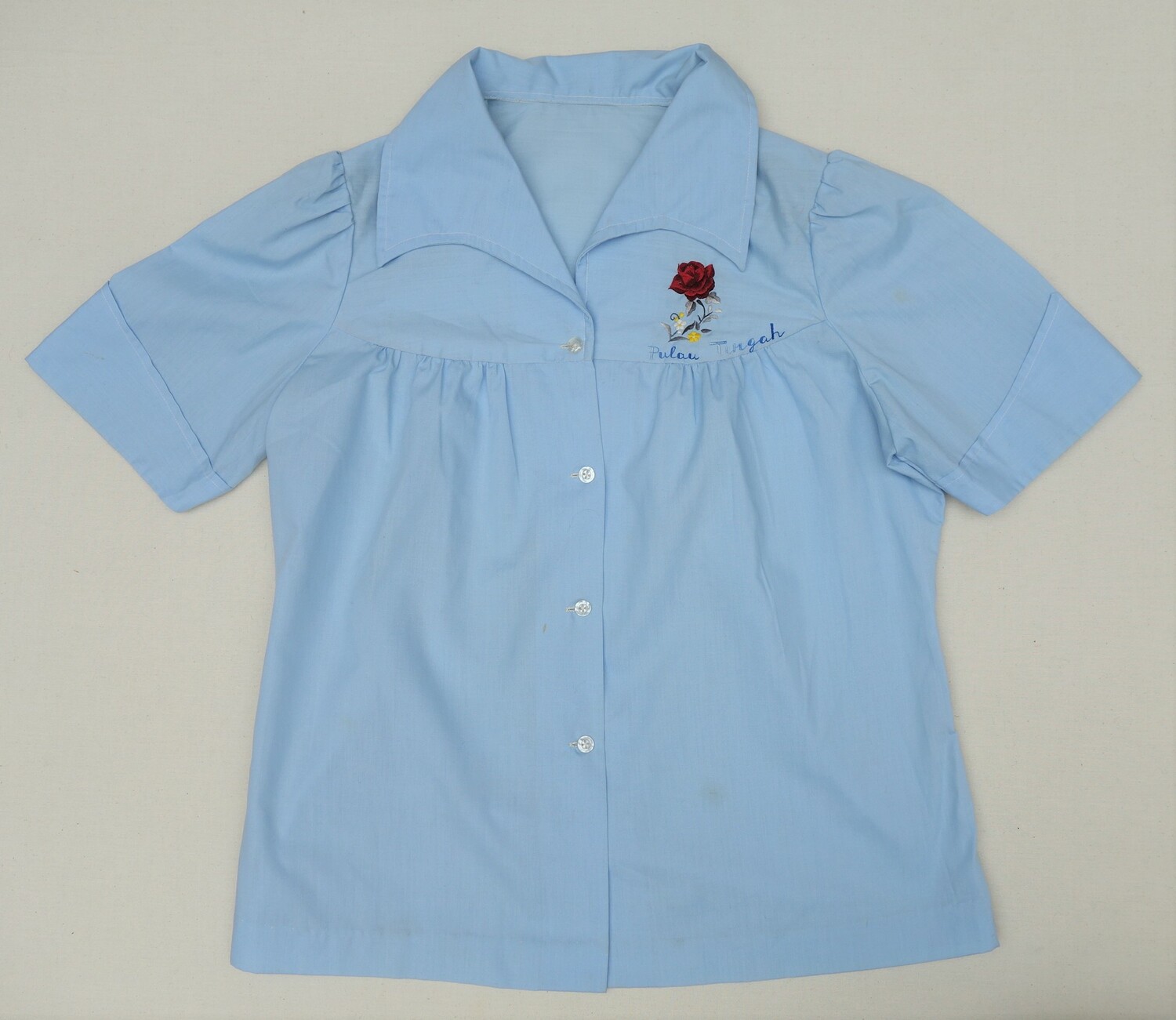
Child's blouse with embroidered bunch of flowers and the name of the island and camp of Pulau Tengah, Malaysia, specially set up for Vietnamese boat people in 1975 (TRC 2021.0417).Child's blouse with embroidered bunch of flowers and the name of the island and camp of Pulau Tengah, Malaysia, specially set up for Vietnamese boat people in 1975 (TRC 2021.0417).A few days ago we published a gentle blog about a group of garments (well, actually some bandeaus and bras) donated to TRC Leiden by Sonja Meijer-Beckman (Leiderdorp). In this blog we want to highlight some other garments from the collection, namely a child’s blouse (TRC 2021.0417) and a baby’s tunic and trousers (TRC 2021.0147a and 0147b). As with most of the clothes from the donation, these garments have a story behind them that is, sadly, still relevant to the present day.

In 1941 Mr Hans Beckman, Sonja’s father, who was a Dutch engineer, fled occupied Holland in an attempt to try and get to England. Unfortunately, he was picked up by the Germans on the French/Swiss border and was sent to the notorious concentration camp, Auschwitz/Birkenau, in Poland. He survived the camp and upon his return to Holland he immediately joined the Dutch army to fight the Japanese in Southeast Asia. Following his retirement from the Dutch armed forces in the late 1960's, among other jobs, he assisted the Red Cross and the UNHCR in Malaysia with finding facilities for another group hit by war and its consequences, namely the Vietnamese boat people, or simply, the boat people.

As part of TRC Leiden’s preparations for the Encyclopedia of Embroidery from Sub-Saharan Africa (Bloomsbury, London, 2022), we have been in contact with several embroidery groups in various African countries, notably the Queen Amina Embroiderers in Nigeria.

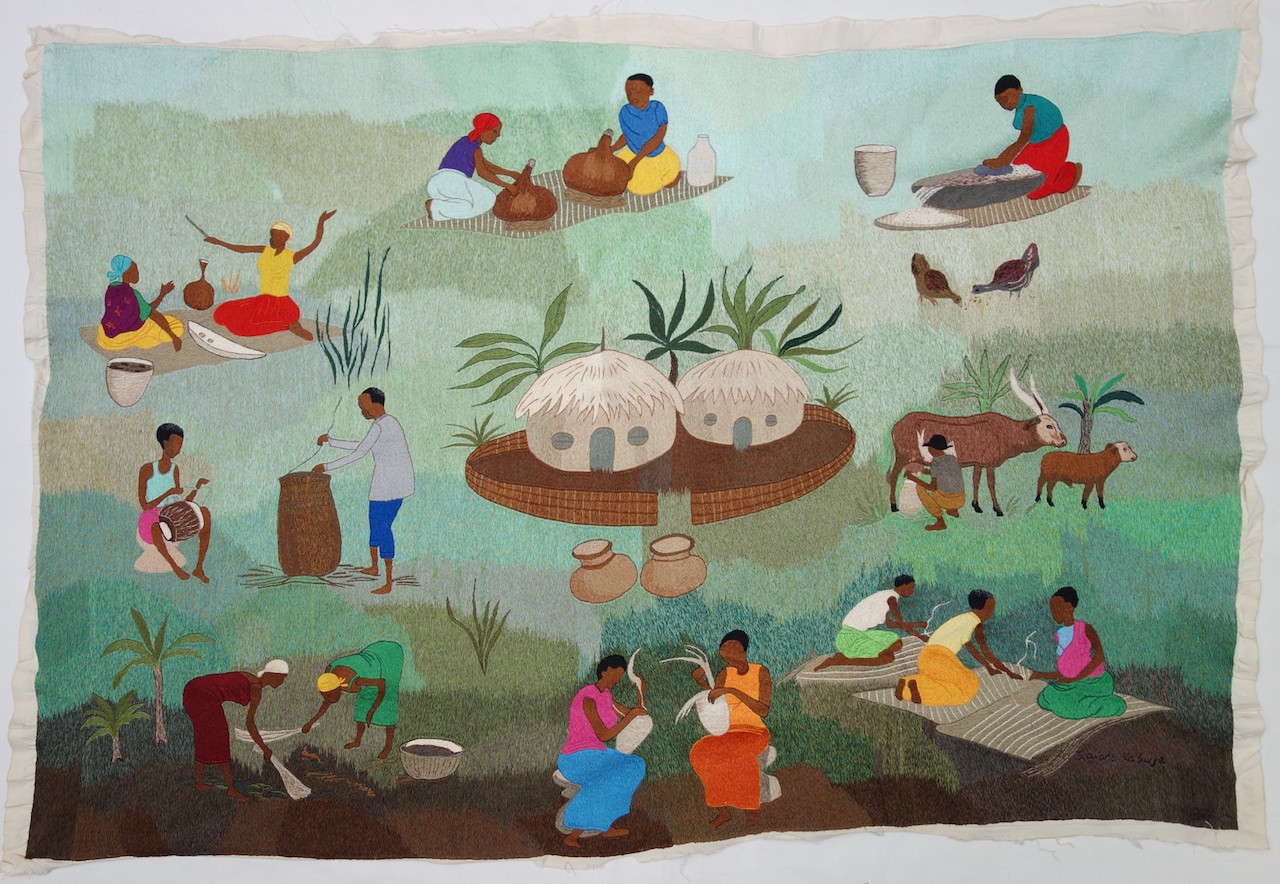
Savane Kabuye embroidery, Rwanda, 2020 (TRC 2021.0500a).Savane Kabuye embroidery, Rwanda, 2020 (TRC 2021.0500a).

Just recently we also contacted the Savane Kabuye group in Rwanda. We have also been talking with Juliana Meehan, an American who has been promoting the Rwandan group's work in the US with a travelling exhibition called PAX Rwanda: Embroideries of the Women of Savane Kabuye.

Over the last few months the TRC Leiden has been given various garments by Sonja Meijer-Beckman in Leiderdorp. The garments belonged to her grandmother, her mother and her aunt, who had a long and complex history in Slovenia, northern Italy, the Netherlands, a Nazi concentration camp in Poland and refugee centres in Southeast Asia.

Some of the stories behind the donated garments are intriguing, others are thought provoking, while various items are indicative of their times. Over the next few weeks we hope to publish a series of blogs based on the Meijer-Beckman donation.

In this blog we want to touch upon a subject I have some experience of, but it is not a topic I thought I would ever write about, namely 20th century bras.

Search in the TRC website

Contact

Boerhaavelaan 6
2334 EN Leiden.
Tel. +31 (0)6 28830428  
office@trcleiden.org 

facebook 2015 logo detail 

instagram vernieuwt uiterlijk en logo


Bank account number

NL39 INGB 0002 9823 59, in the name of the Stichting Textile Research Centre.

TRC closed until 4 May 2026

The TRC is closed to the public until Monday, 4 May 2026, due to our move to the Boerhaavelaan. The TRC remains in contact via the web, telephone and email. For direct contact and personal visits, please contact the TRC at office@trcleiden.org, or by mobile, 06-28830428.

Donations

The TRC is dependent on project support and individual donations. All of our work is being carried out by volunteers. To support the TRC activities, we therefore welcome your financial assistance: donations can be transferred to bank account number (IBAN) NL39 INGB 000 298 2359, in the name of the Stichting Textile Research Centre. BIC code is: INGBNL2A.

 You can also, very simply, if you have an iDEAL app, use the iDEAL button and fill in the amount of support you want to donate: 


Since the TRC is officially recognised as a non-profit making cultural institution (ANBI), donations are tax deductible for 125% for individuals, and 150% for commercial companies. For more information, click here