

A batch of historical buttons
Emilie Lambert, TRC intern, Leiden University (Archaeology), 15 October 2024
This summer, the TRC received a bag filled with some 60 or so odd metal buttons. With no clear time or place of origin they are items without a story...or are they? As an archaeology student who is used to having to read between the lines and fill contextual gaps, I was determined to retrieve as much information as I could.
These buttons can now be found in the TRC online catalogue, and within that, in the reference collection on fastenings. Even without the garments they were worn with, the type, shape, material and decoration of fastenings are a valuable component of dress and identity.
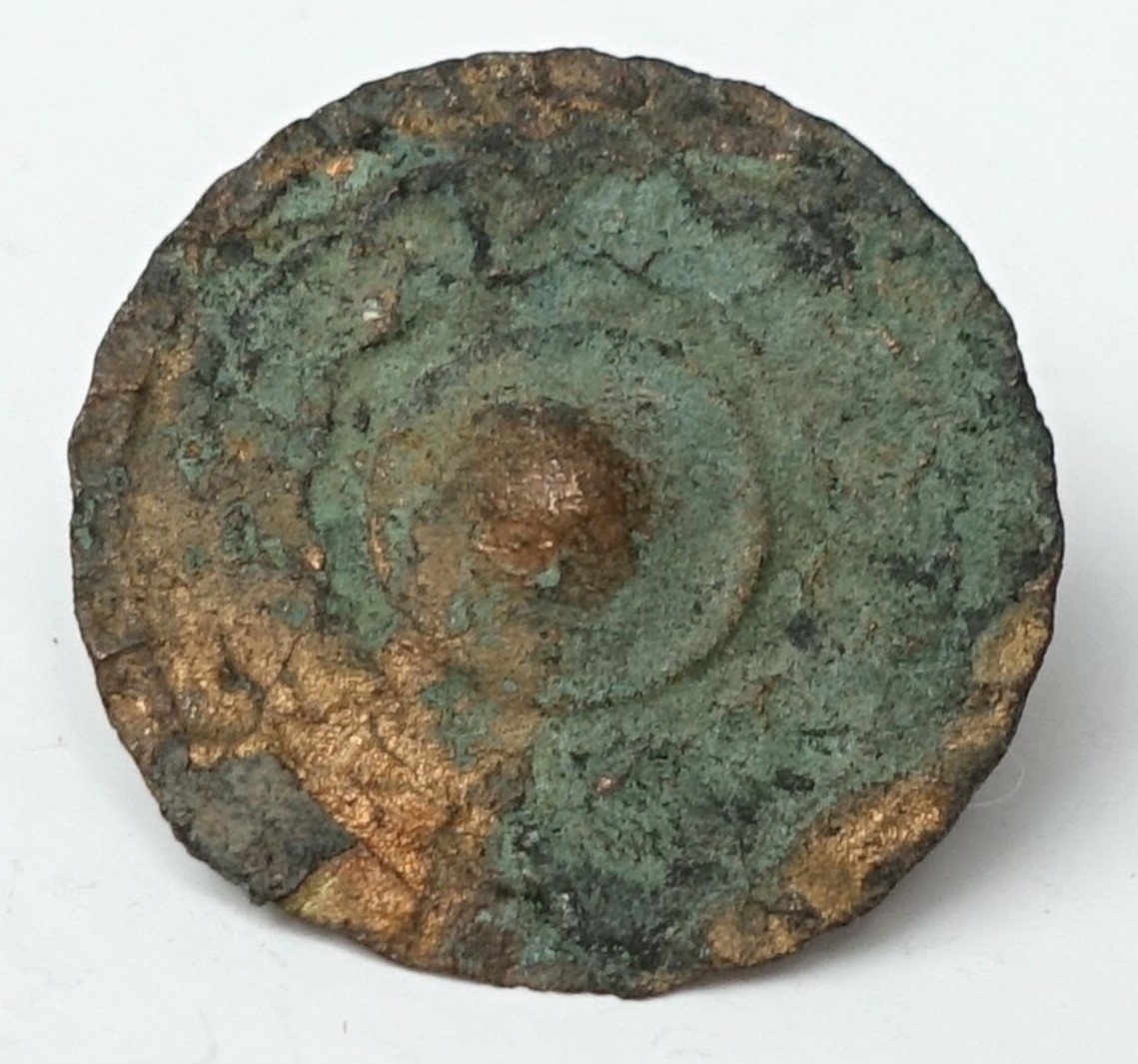 A metal button made of a thin, flat sheet with a domed centre and border decoration, with a small cone shank. The Netherlands, 19th century (TRC 2024.2592).
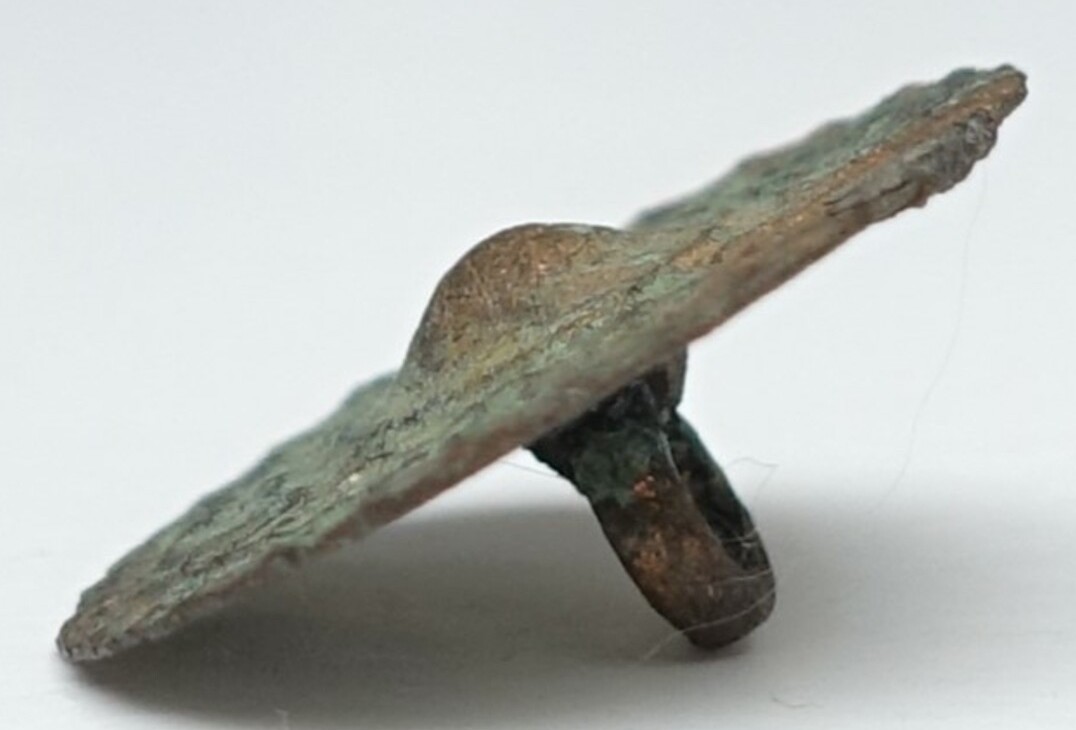 Side view showing the shank (TRC 2024.2592).
As they were being catalogued, I noticed there are many different shank attachment types. A quick literature review reveals many of these styles were first used in the 19th century. TRC 2024.2592 is an example of a flat sheet button with a small cone shank. Others, particularly those with a key (or U-cast) shank (TRC 2024.2589), are not known before the 20th century.
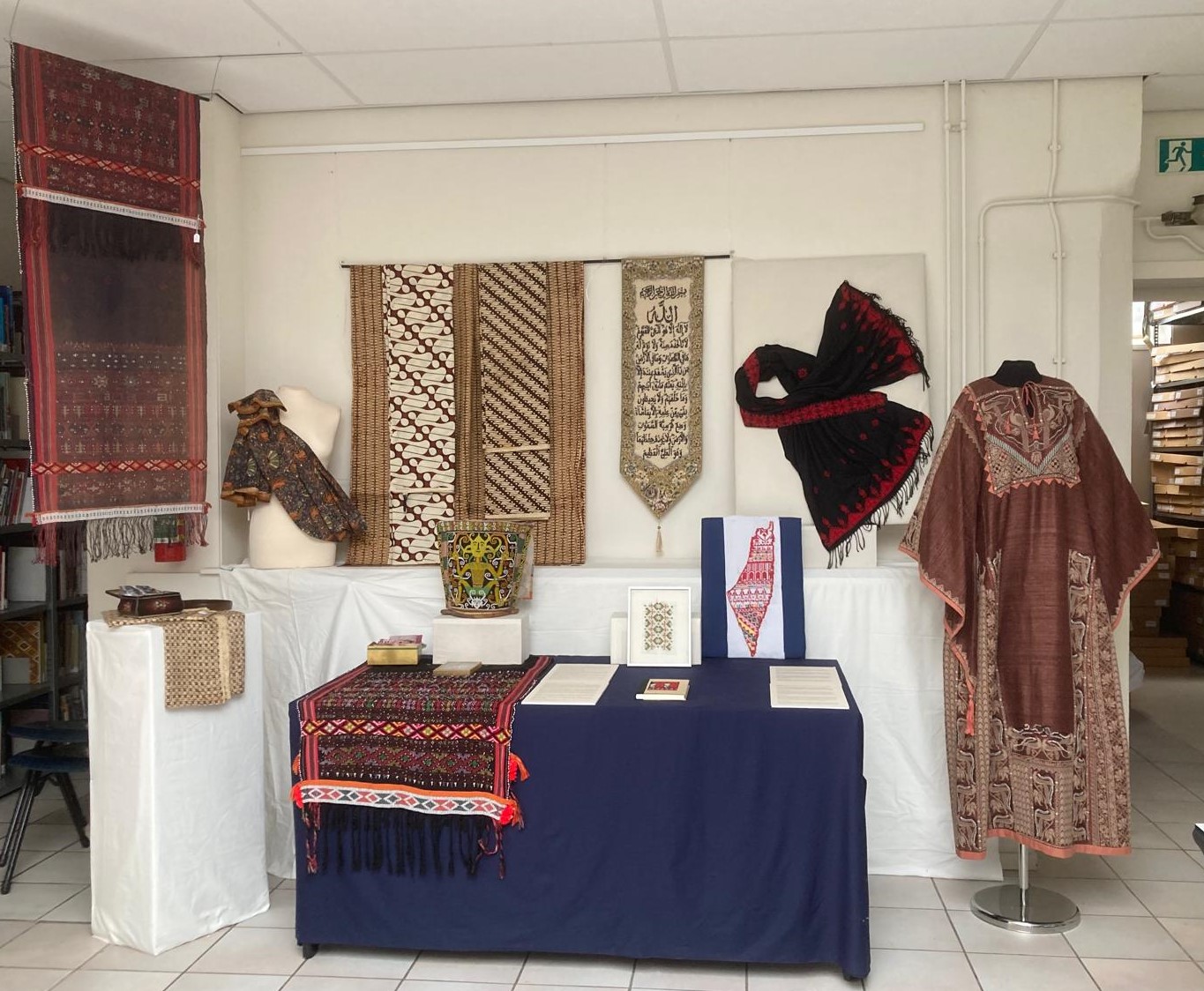
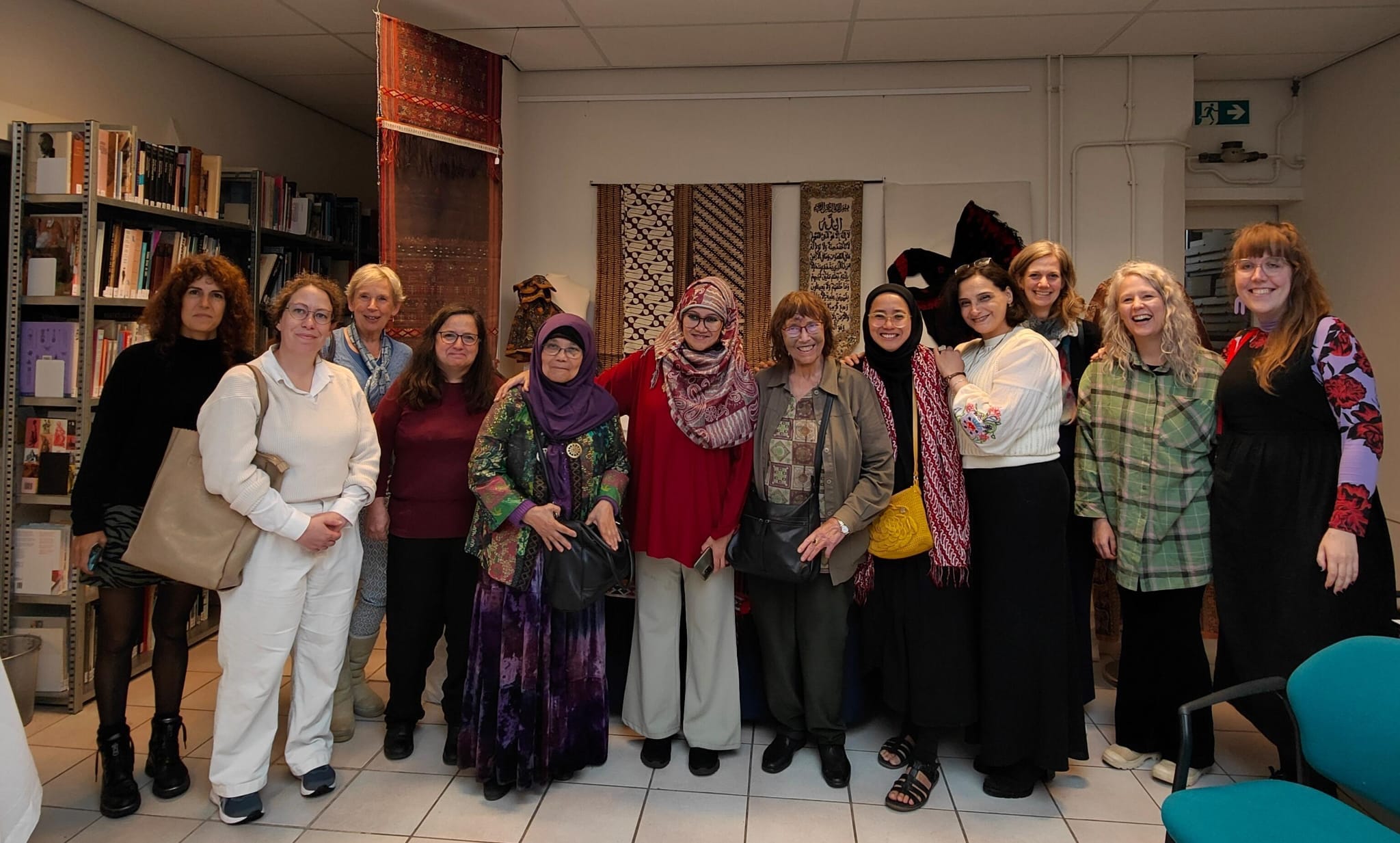
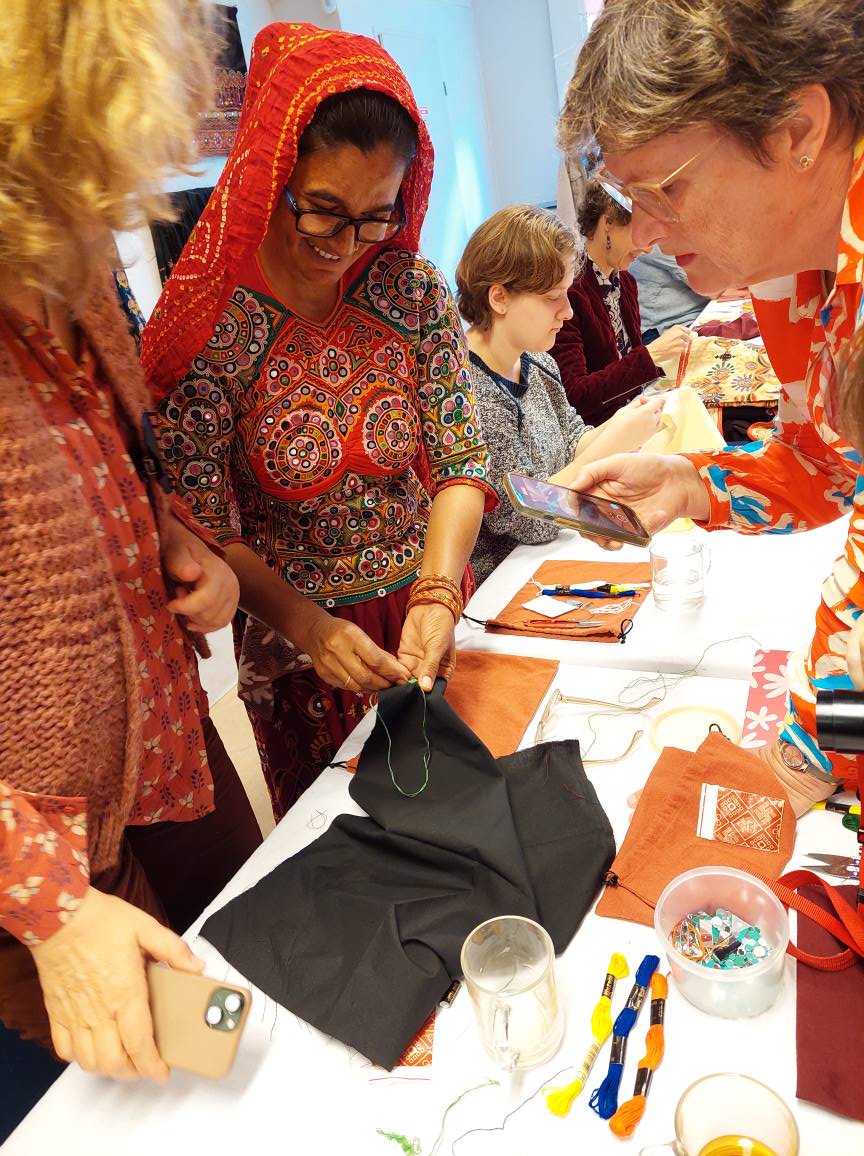
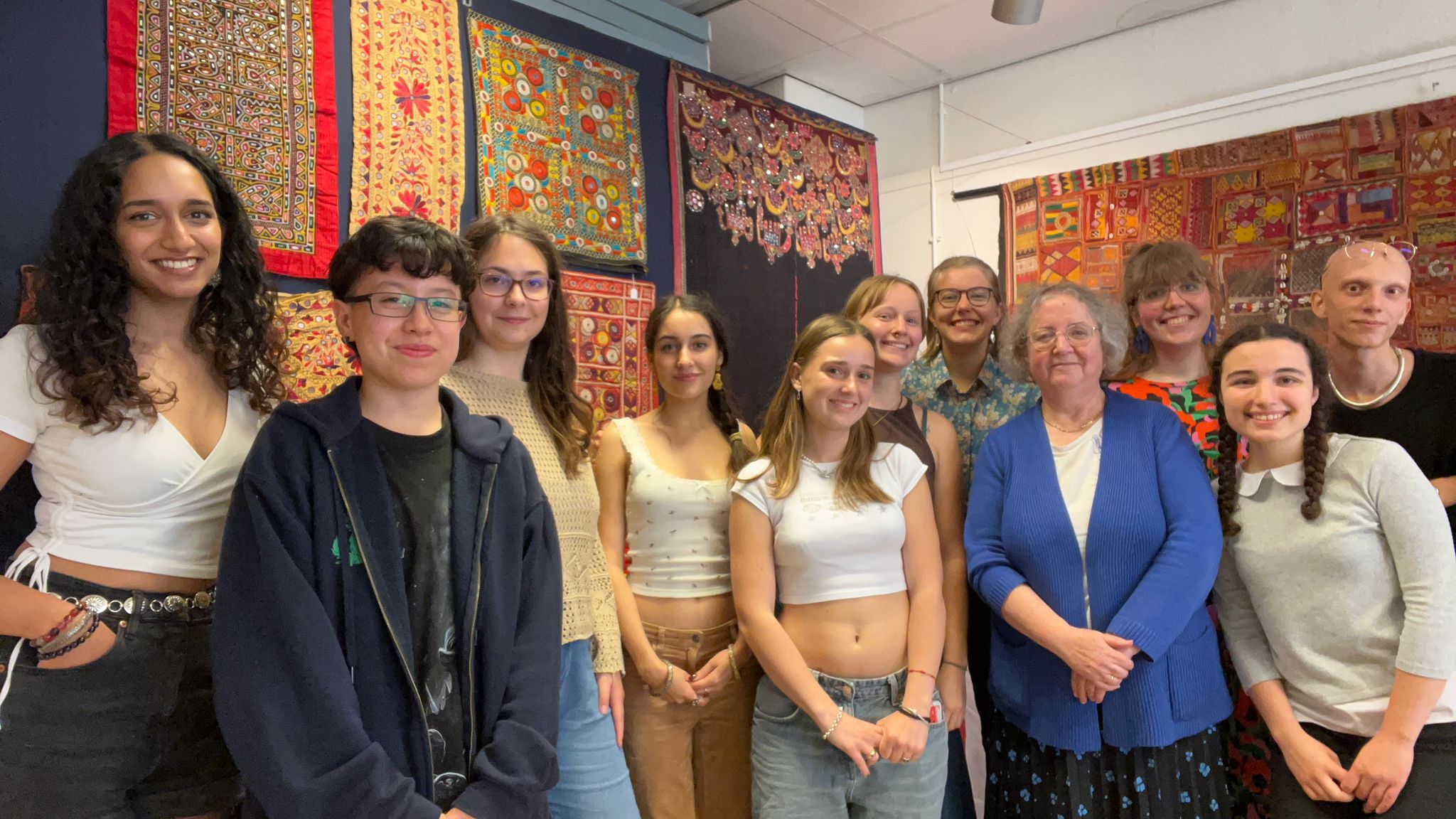
 The final activity for the Fonds voor Cultuurparticipatie project: 'Engaging textile heritage communities through citizen culture', was kicked off by the opening of this mini-exhibition with the title 'Verbinding' (Connection), on Tuesday, 1 October 2024.