
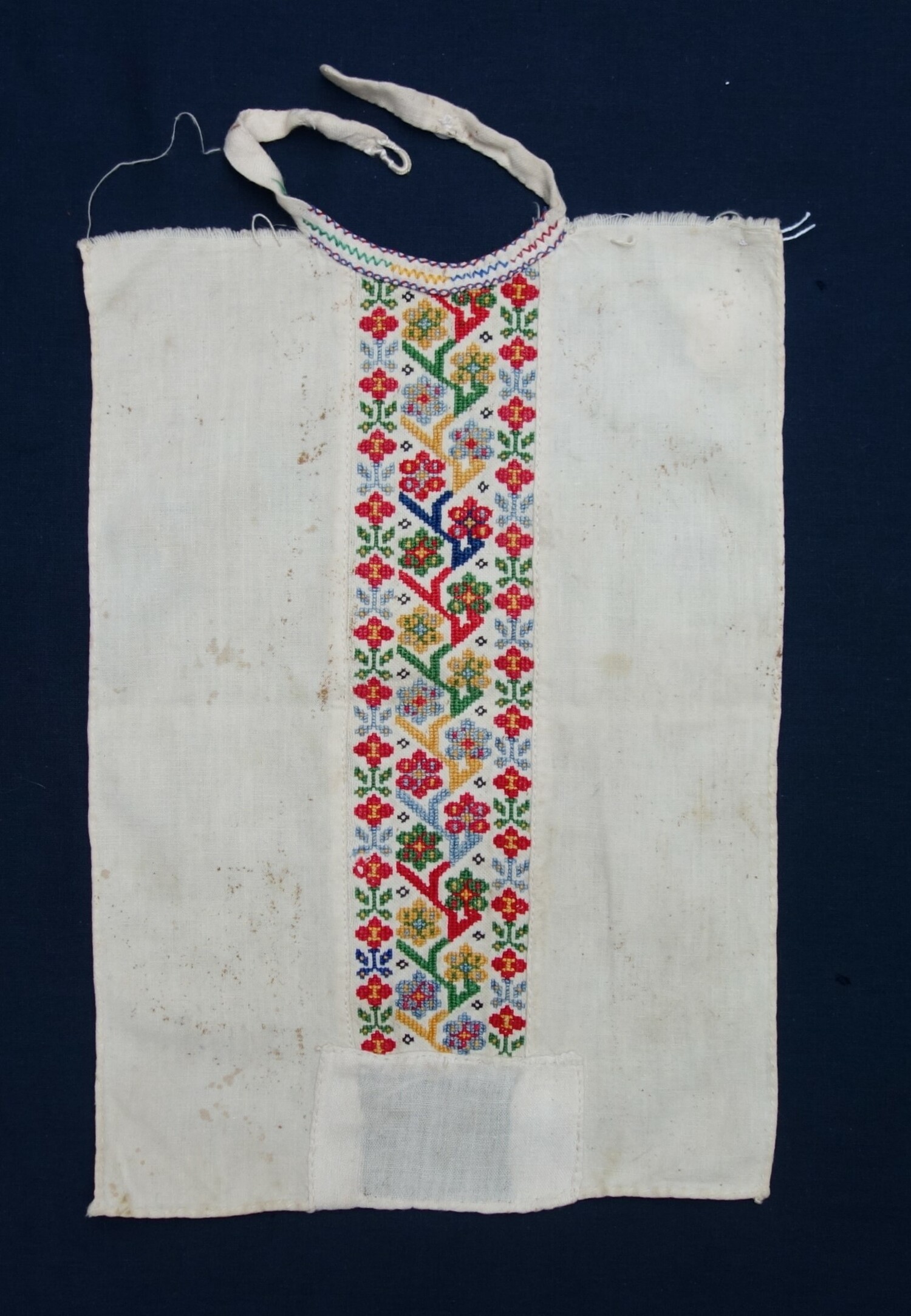
 Fig. 1. Cotton woman's plastron, hand woven and hand embroidered. Vergina, Greece, 20th century (TRC 2025.0221).I am happy to share my first post for the TRC. My name is Paul Cochet, and I am a Master's student in Design Cultures at the Vrije Universiteit, Amsterdam. Since early February, I have been an intern at the TRC.
Shortly after my arrival, I learned that the TRC had recently received a collection of garments and textiles from the former Yugoslavia. This immediately piqued my interest, as my grandmother was Slovenian.
However, I found the term 'former Yugoslavia' somewhat unsatisfactory—while the region shares many cultural similarities, national and regional identities remain strong. On Gillian Vogelsang's suggestion, I set out to identify the precise origins of each piece, secretly hoping to find some Slovenian artifacts among them.
This collection of 58 items, which included complete garments, but also embroidered panels meant to be added to such garments, as well as cords used to fasten them, was generously donated by Annelies van Eijk-Kuiper.
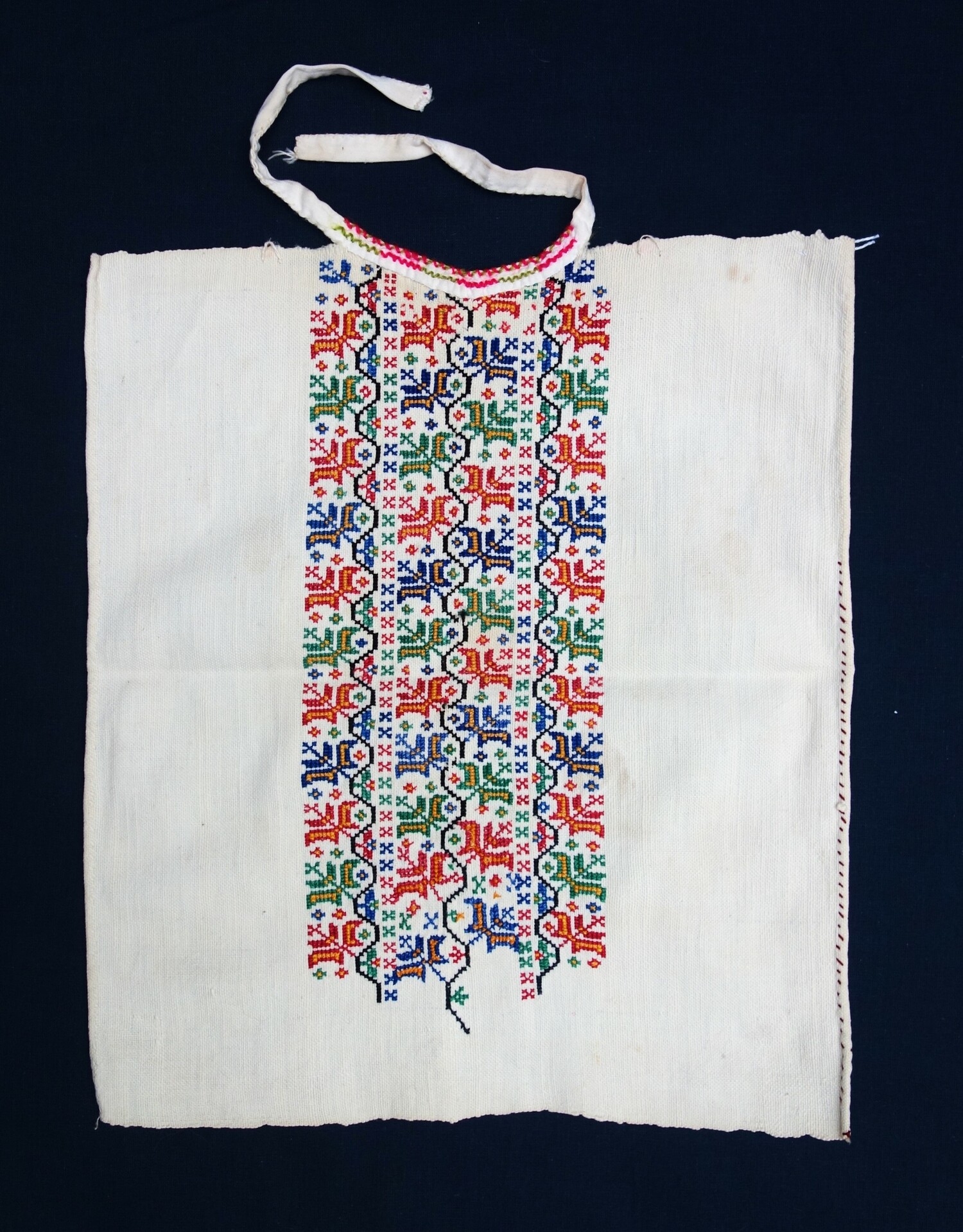 Fig. 2. Woman's plastron, cotton, hand woven and hand embroidered, Vergina, Greece, 20th century (TRC 2025.0223).Her sister, Jet Kuiper, acquired them during a trip to the region around 1970. Sadly, Jet Kuiper died a few years after her travels. While we don’t know much about the exact details of her journey, tracing the origins of the items offers insight into her itinerary. Interestingly, my research revealed that she travelled beyond Yugoslavia, exploring the broader Balkan region.
Following the advice of Gillian, I began examining the TRC’s library to identify similarities in design and embroidery. Additionally, consulting the British Museum’s extensive collection proved invaluable, as their records provided crucial information about where similar pieces were originally acquired.
One of the first pieces I identified was a set of plastrons from the Vergina region of northern Greece (Figs 1 & 2). While the design closely matches those found in The Greek Folk Costume by Angeliki Hatzimichali, comparable floral embroidery is also commonly seen on garments from Serbia. This is a good example of how interconnected the region is.
The second piece I identified was a densely embroidered waistcoat from Kosovo (Fig. 3). Its rosette pattern, worked with applied cords (passementerie), closely matched a similar example archived by the British Museum, which was traced to Prizren.
 Fig. 3. Hand embroidered woman's waistcoat (jelek). Kosovo, 20th century (TRC 2025.0241).
The headscarf (Fig. 4) appears in various versions of Balkan folk costumes. However, the most closely comparable form was found on a textile in the British Museum, where it is attributed to Croatia, although said to be linked to Bosnia as well. Its defining feature is the hand made embroidery and fringes decorating one corner.
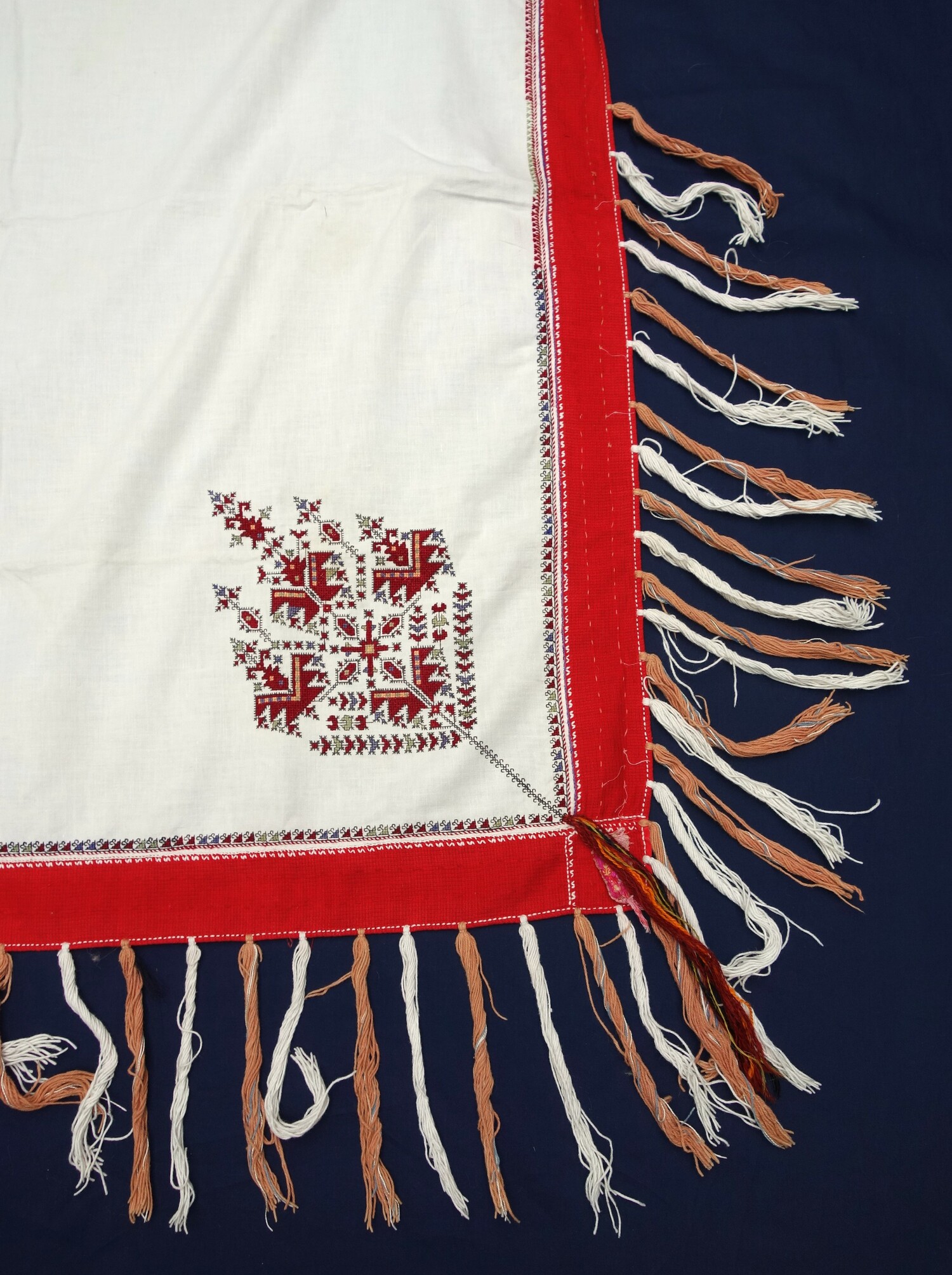 Fig. 4. Hand embroidered, cotton headscarf. Croatia, 20th century (TRC 2025.0255).
 Fig. 5. Pair of embroidered sleeves from North Macedonia, 20th century (TRC 2025.0251a-b).
Finally, the last identified pieces were all related to North Macedonian folk costumes. These included sleeves (Fig. 5), shoulder cuffs (fig. 6), and a complete dress (fig. 7). The embroidery on the sleeves and on the dress is comparable to examples from Greece.
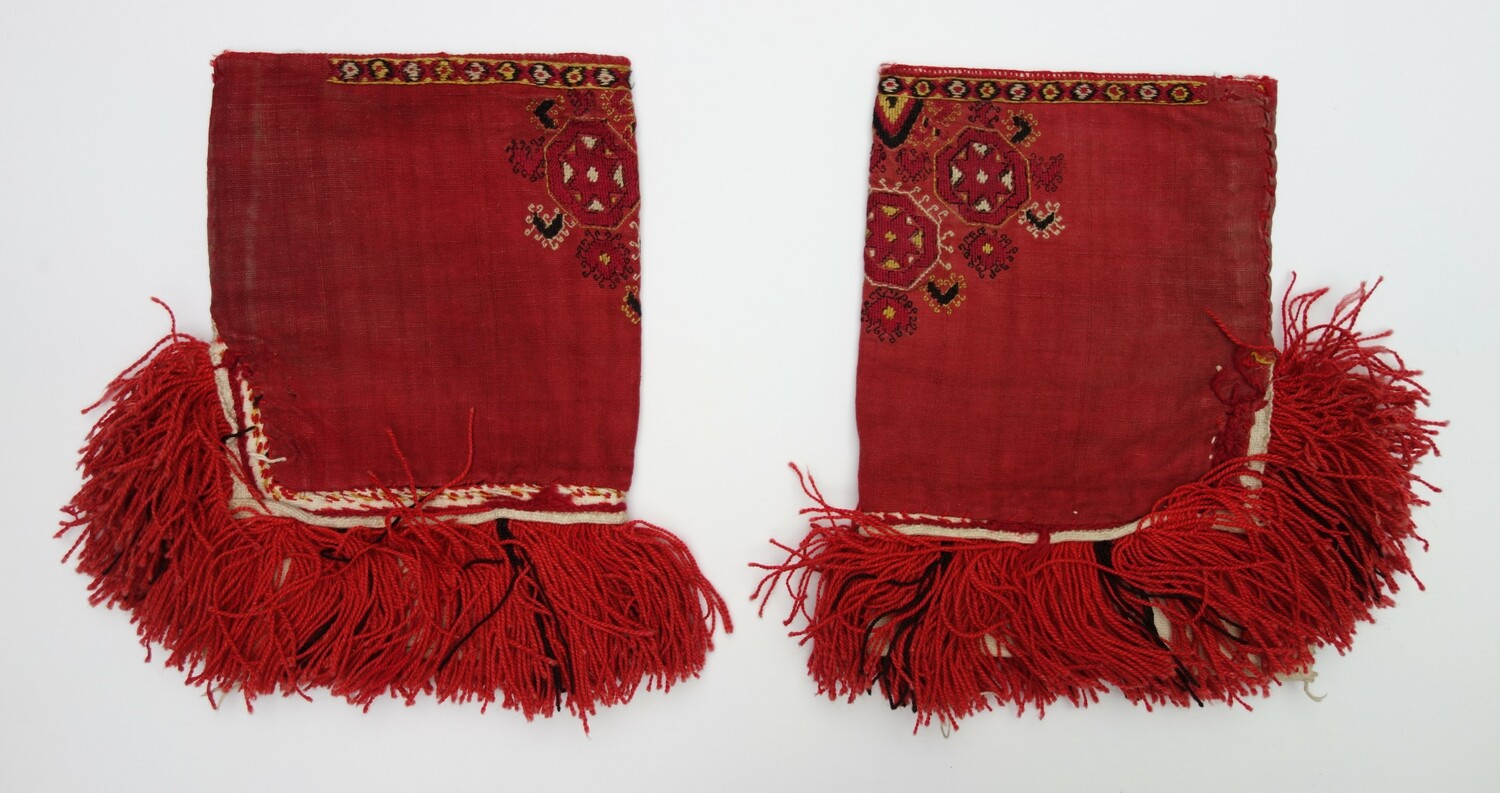 Fig. 6. Hand embroidered shoulder cuffs. Mariovo, North Macedonia, 20th century (TRC 2025.0202a-b).
The challenge of identifying these new donations was that they were all individual pieces of traditional folk costume rather than complete outfits, which would have provided more context for determining their origins.
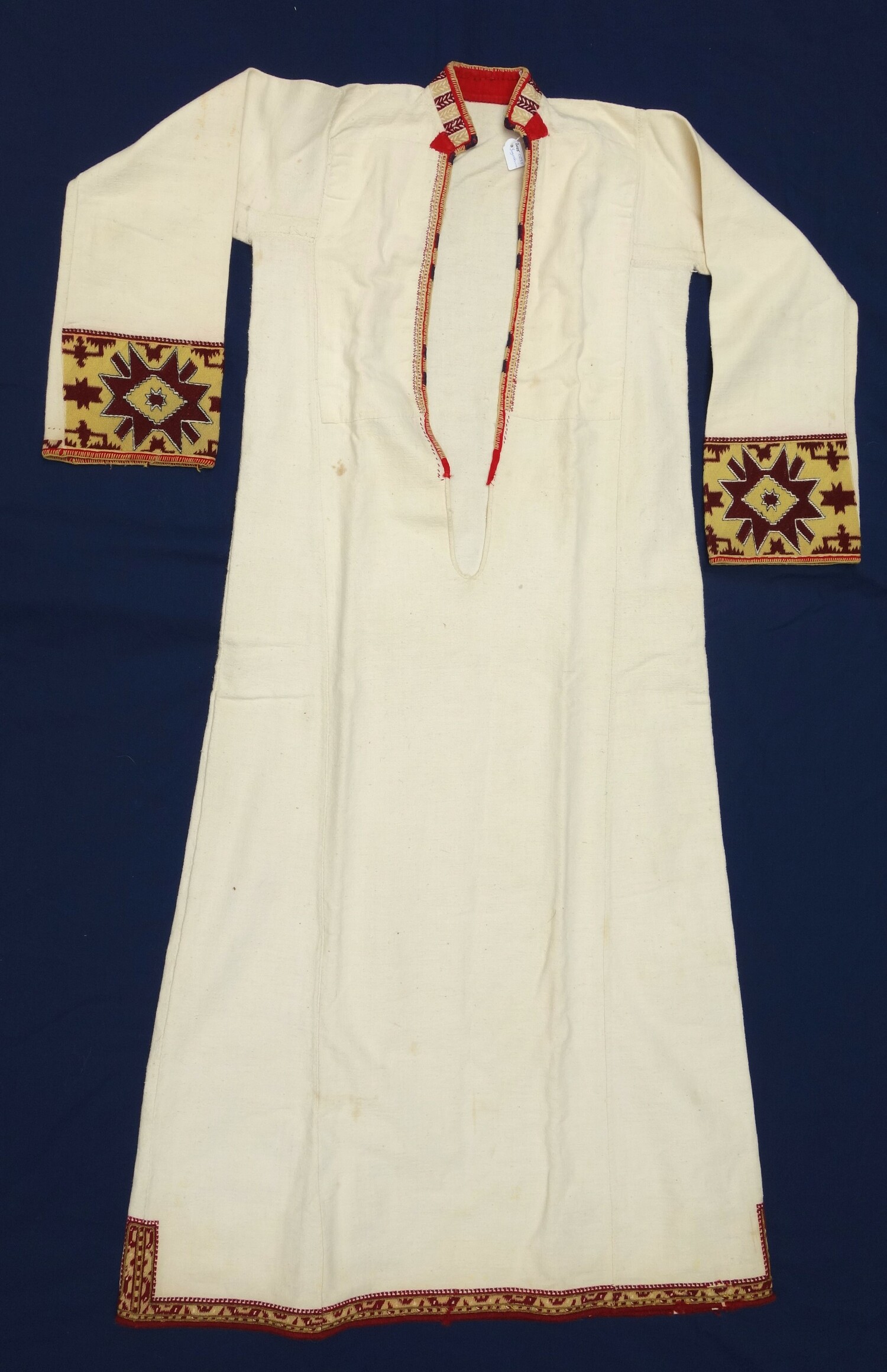 Fig. 7. Hand embroidered dress from North Macedonia, 20th century (TRC 2025.0235).
Some of these items remain unidentified, and the TRC would be most grateful if any of our readers have useful knowledge that could help us identify them! They can be found in the TRC catalogue using the keyword Yugoslavia.
Paul Cochet, 29 March 2025