• F4
  • F3
  • F2
  • F1

On June 18th the Textile Research Centre gave a workshop on pharaoh Tutankhamun’s clothing, as part of the Tutankhamun month organised by Huis van Horus, a society for Egyptology in the Netherlands and Flanders.
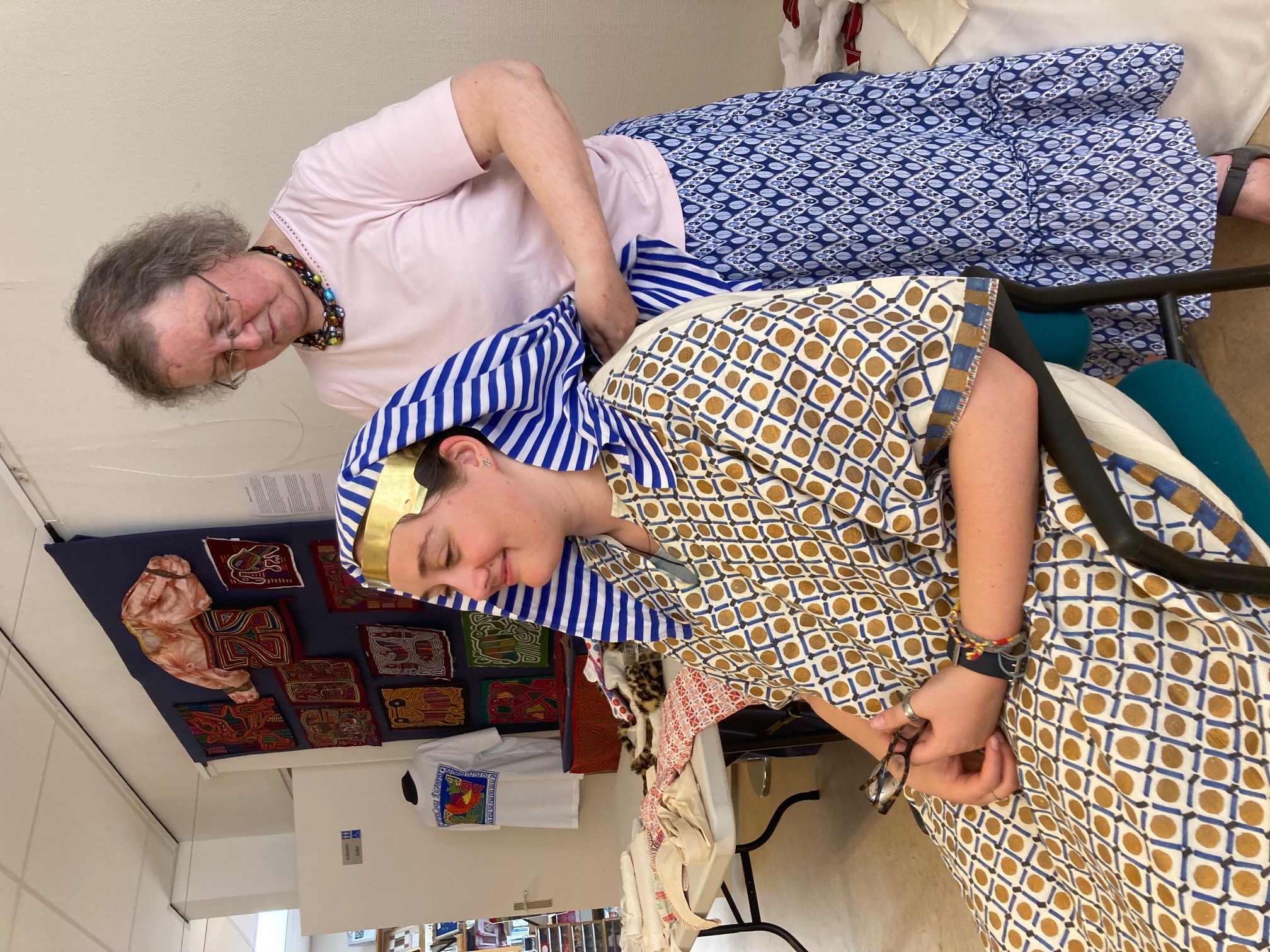
Gillian Vogelsang helping a participant to wear a (replica) nemes headdress. Photograph by Gerton Hermers.Gillian Vogelsang helping a participant to wear a (replica) nemes headdress. Photograph by Gerton Hermers.When Howard Carter discovered Tutankhamun’s tomb in 1922, he didn’t just find coffins and gold, but also hundreds of textiles. Dr. Gillian Vogelsang-Eastwood has done extensive research on the actual garments now housed at the Grand Egyptian Museum (GEM) in Cairo, and producing replicas of several of them to display their dazzling colours and designs and also to test how they would have been worn and used.

We were given a hands-on demonstration of a number of (replica) royal garments, starting with his Majesty’s underwear. A large linen triangle was tied around the waist of one of the workshop participants and then tucked in at the front, demonstrating that the king’s hips were probably quite wide.

A linen skirt was wrapped around the waist and fastened with a sash with a colourful, woven feather pattern. The pictures we see so often in museums and books were starting to come alive before our eyes.

Next, we were shown a tunic covered in an elaborate pattern of blue bead netting and golden buttons. While the replica version only had a painted pattern, the original must have been very heavy with all the faience and gold appliqués. Trying the tunic out on another one of the participants, we understood why only the front of the garment was decorated: it is quite impossible to sit down on a layer of beads and buttons. Alternatively, if the king is sitting down, the back of his tunic can’t be seen anyway, so there was apparently no need to decorate it.
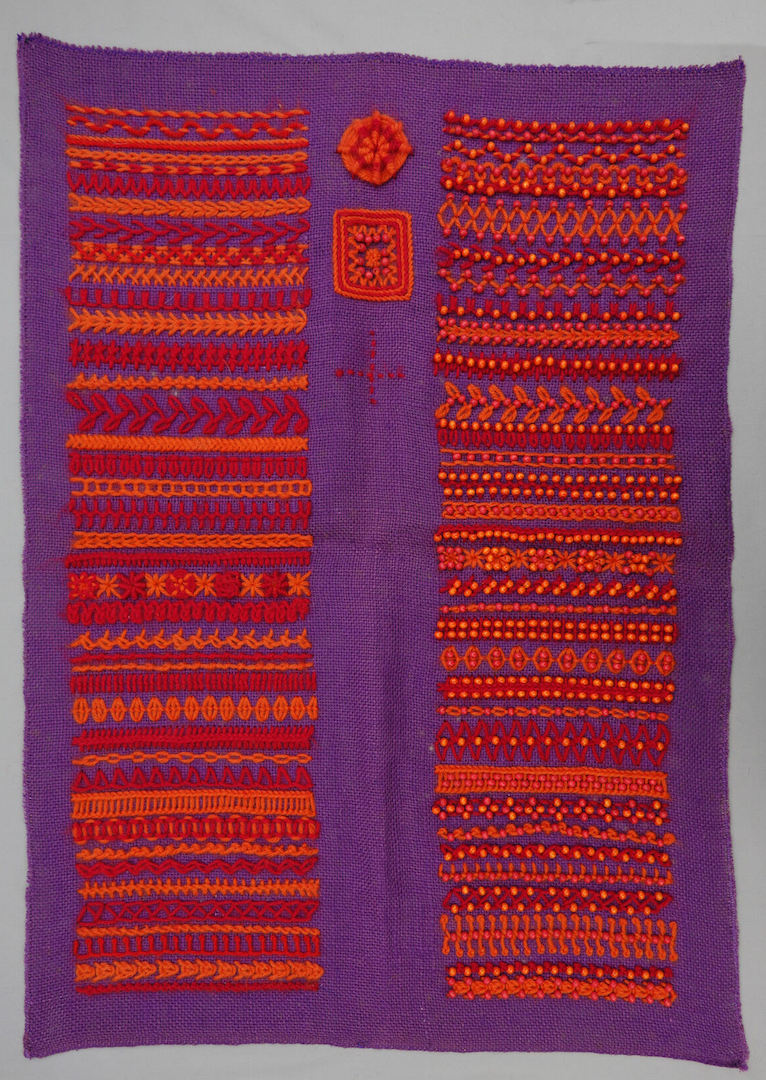
We are pleased to announce that in conjunction with graphic illustrator, Martin Hense (Rotterdam) and Bloomsbury Publishing, London, and hopefully with many volunteers from all over the world, the TRC Leiden is building a new Portal for Embroidery Stitches. In doing so we hope to complement the entries on stitches in the TRC Needles, both as regards the stitches themselves and additional information.

Sampler with a variety of stitches, embroidered by Grethe la Croix in the Netherlands, 1960s (TRC 2017.0216). To the left are different rows of stitches, and to the right the same stitches, but with added beads.Sampler with a variety of stitches, embroidered by Grethe la Croix in the Netherlands, 1960s (TRC 2017.0216). To the left are different rows of stitches, and to the right the same stitches, but with added beads.

Where else in Europe can you go from bobbin lace making, velvet identification, to hand knitted lace, card weaving and Tutankhamun’s Wardrobe in just over a week? Those are a few of the subjects that have been or will be taught or discussed at the TRC within a week, with groups of various sizes, all of whom have especially come to Leiden and the TRC.

Two participants of the TRC velvet identification study-day, on 11 June 2022Two participants of the TRC velvet identification study-day, on 11 June 2022

I am an MA student in Heritage and Memory Studies at Amsterdam University, and I started my internship at the Textile Research Centre a little over a month ago. Over the course of a month, I am discovering more and more about how the TRC preserves textile heritage through various means and about its approach to spreading knowledge through education. Being a student intern at the TRC, I had the privilege to assist and sit-in on their highly praised Intensive Textile Course from 23 to 27 May 2022.

The class studying the different kinds of fiber using the microscope. May 2022. Photograph by author.The class studying the different kinds of fiber using the microscope. May 2022. Photograph by author.

After five days of learning, touching and experimenting, I left Leiden feeling, to be frank, exhausted but also incredibly accomplished, fulfilled and inspired. Not only was I able to gain a comprehensive introduction into textile technology, I also had a chance to see TRC’s philosophy in heritage preservation put into action. In the following, I would like to share with you some of my favourite parts of the course and my main takeaways.

First and foremost, what I like about this course is the accessibility of its content despite being fairly technical. When tackling the subject of textile technology, one can find it quite intimidating as the topic could seem too big to handle and too technical to deconstruct.

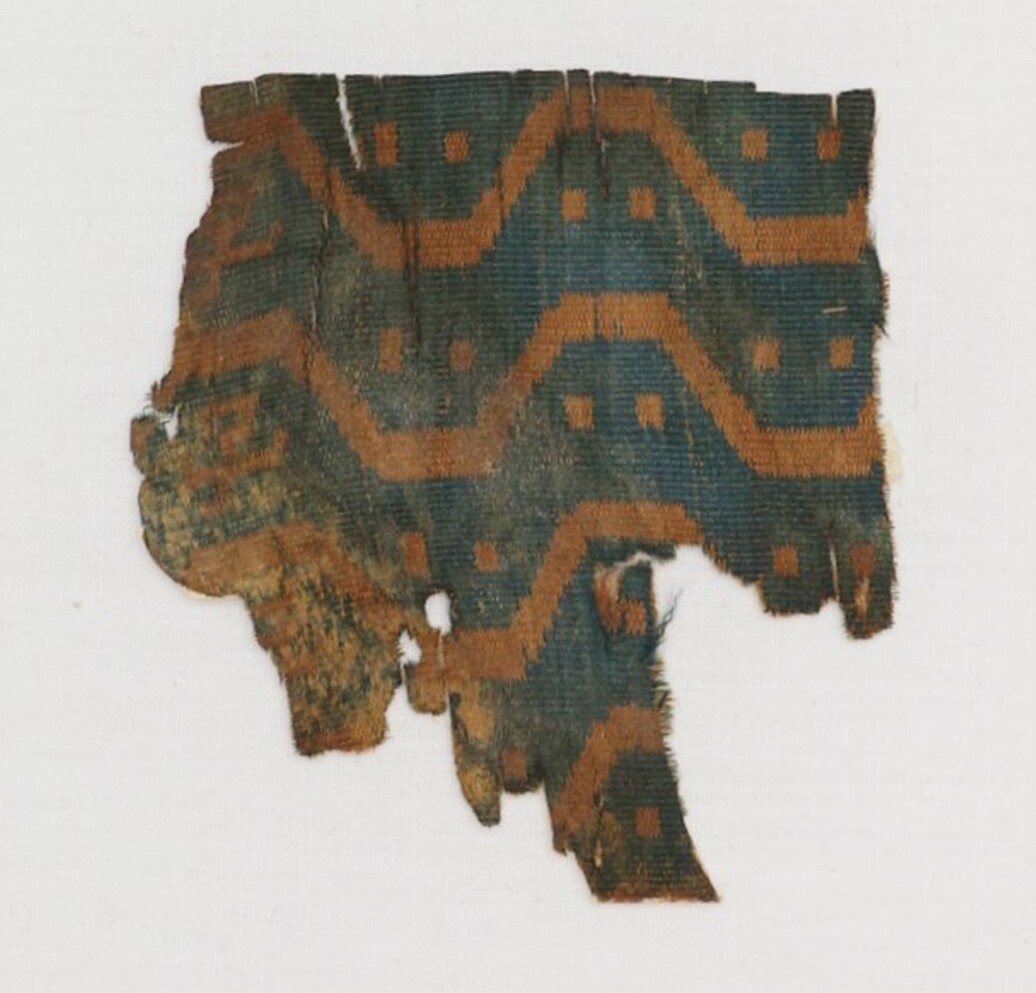
Silk cloth fragment with traces of woven Chinese characters (TRC 2000.0009).Silk cloth fragment with traces of woven Chinese characters (TRC 2000.0009).Dr Monica Klasing Chen is assistant-professor in Chinese art history at Heidelberg University, Germany. She participated in the April edition of the TRC Intensive Textile course, and wrote a blog about her experiences, further to an earlier blog published on 15 May.

+++

The TRC Intensive Textile Course was not only rewarding for the many skills we learned, but also because Dr Vogelsang selected materials and objects that catered to the specific interests of the participants.

As a sinologist, I was ecstatic to see a textile with Chinese characters woven during the 2nd century (see illustration) next to an exquisite 19th century velvet produced for the European market (see illustration). When the course took place, the TRC had coincidentally set up a display case with several lotus shoes (see illustration) and the tools for making them, also featured in their online exhibit. This was especially interesting to me, because my great-grandmother had bound feet. 

The new Taliban regime in Afghanistan remains committed to rules and regulations that restrain the freedom of women. Posters have recently been stuck up in Kabul, showing the two 'recommended' forms of women's outdoors clothing, namely the traditional 'blue burqa', and the more Middle Eastern 'black burqa' (compare an earlier TRC blog).

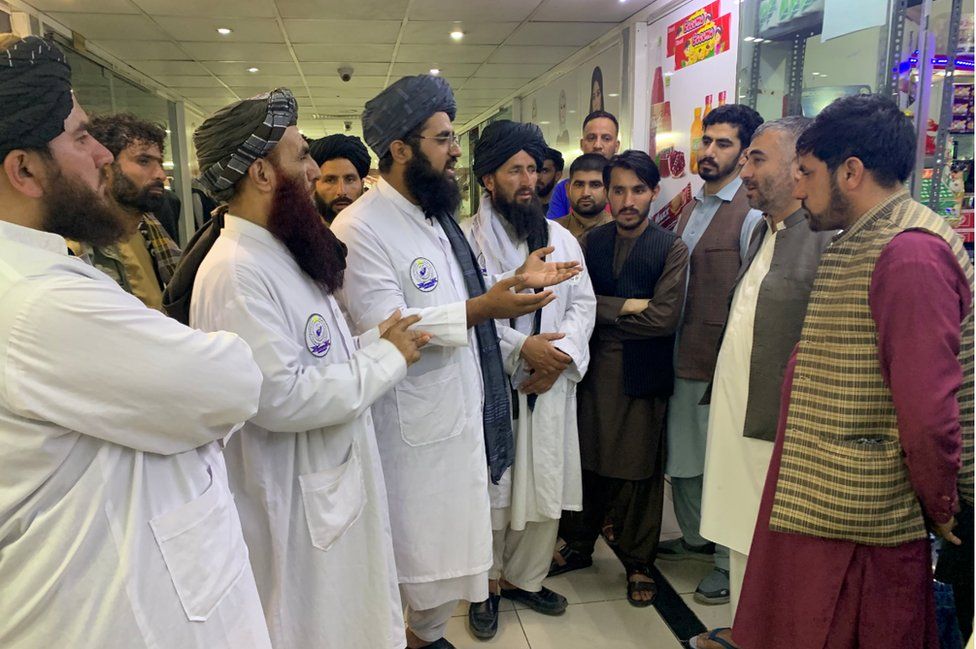
But really fascinating was the new 'uniform' of the officials of the Ministry for the Prevention of Vice and Promotion of Virtue. They were photographed recently in Kabul with their traditional long black beards, but also wearing a coat that made them look like Iranian scientists trying to develop a nuclear bomb; it is a very Western-style, white coat of a type the rest of the world associates with hospitals, laboratories, abattoirs etc. The Taliban officials wear this coat over their shalwar kamiz. It may get a bit warm. Is this garment now part of the specific uniform of officials of this ministry?

Afghan Taliban officials of the Ministry for the Prevention of Vice and the Promotion of Virtue. Photograph BBC 22 May 2022.Afghan Taliban officials of the Ministry for the Prevention of Vice and the Promotion of Virtue. Photograph BBC 22 May 2022.

Dress is a language and the white coat obviously carries a message. What does this coat tell us? There is something hygienic and clinical, scientific and objective about the coats. They are not traditional or even traditionally Islamic; the message seems to elevate the wearer above factions and political opinions. "We preach a divine message, which goes beyond any 'political' controversies."

Can anyone help the TRC to acquire such a coat for its collection?

Willem Vogelsang, 23 May 2022

We are pleased to announce the signing of a Memorandum of Understanding for further collaboration with the LDE Centre for Global Heritage and Development. CGHD is a collaborative enterprise of Delft University of Technology, Erasmus University Rotterdam and Leiden University. It focuses on the question how heritage relates to cultural, social and environmental developments and decisions.

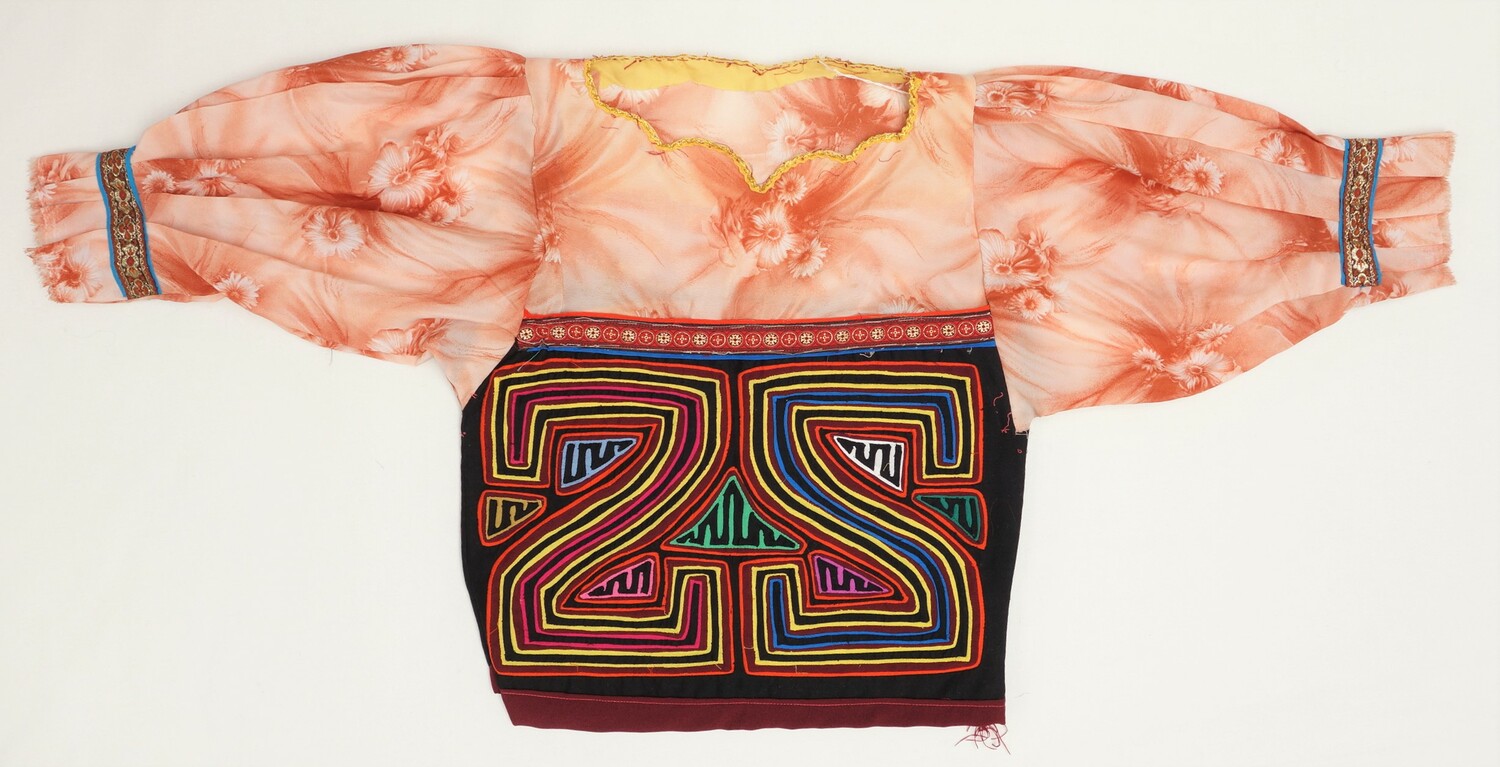
Woman's mola (blouse) from Panama, with a large appliqué with the number 25, marking the San Blas uprising of the Kuna people, in February 1925 (TRC 2014.0458).Woman's mola (blouse) from Panama, with a large appliqué with the number 25, marking the San Blas uprising of the Kuna people, in February 1925 (TRC 2014.0458).

In general terms, cooperation will cover the following fields: the setting up of joint research projects and joint publications; organising joint educational and cultural activities; exchange and support of students; exchange of faculty and/or other staff.

The MoU reflects a growing interest from the side of various academic centres for museum and heritage studies in the practical opportunities offered by the TRC for training students and others and for working 'hands on' with actual objects from the extensive TRC Collection.

The MoU was signed on behalf of the TRC by Dr Gillian Vogelsang-Eastwood, Director, and on behalf of CGHD by Prof. Pieter ter Keurs, Director.

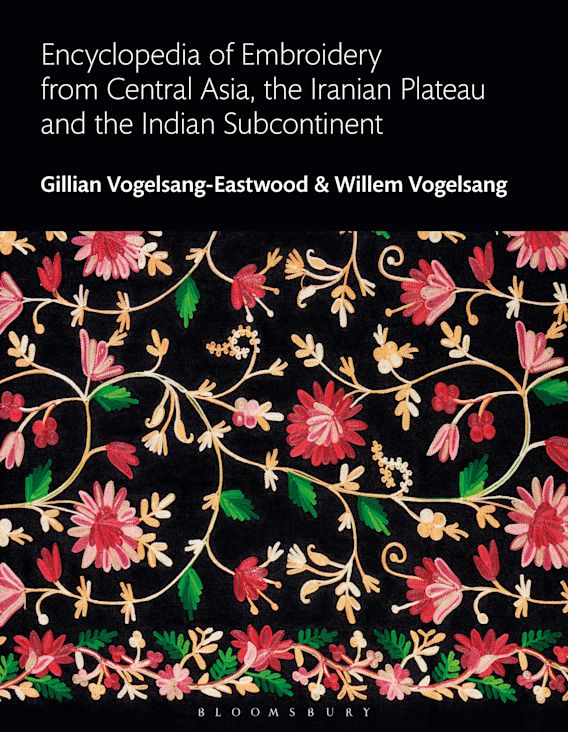
Two other reviews of the TRC-supported Bloomsbury Encyclopedia of World Embroidery, namely the Encyclopedia of Embropdiery from Central Asia, the Iran Plateau and the Indian Subcontinent (London 2021). One of them has just been published by the International Institute for Asian Studies, Leiden, the Netherlands and was written by Linda Hanssen, former curator for textiles at the Wereldmuseum in Rotterdam.. You can download the review here.

Another review was published in June 2022 by the Zai Initiative (Abu Dhabi).

Purchase of the volume against a reduced price: Click here.

The next volume in the series, on African embroideries, has been submitted, and work on the fourth volume, on embroidery from Scandinavia and western Europe, is advancing rapidly. The first volume appeared in 2016 and covered embroidery from the Arab World.

7 August 2022


Zoek in TRC website

Contact

Boerhaavelaan 6
2334 EN Leiden.
Tel. +31 (0)71 5134144 (kantooruren)  
office@trcleiden.org

Het TRC is elke dag geopend tussen 10.00 en 15.00 uur.

facebook 2015 logo detail


instagram vernieuwt uiterlijk en logo


Bankrekening

NL39 INGB 0002 9823 59, t.a.v. Stichting Textile Research Centre.

Financiële giften

Het TRC is afhankelijk van project-financiering en privé-donaties. Al ons werk wordt verricht door vrijwilligers. Ter ondersteuning van de vele activiteiten van het TRC vragen wij U daarom om financiële steun:

Giften kunt U overmaken op bankrekeningnummer (IBAN) NL39 INGB 000 298 2359, t.n.v. Stichting Textile Research Centre. BIC code is: INGBNL2A

U kunt ook, heel simpel, indien u een iDEAL app heeft, de iDEAL-knop hieronder gebruiken en door een bepaald bedrag in te vullen: 


Omdat het TRC officieel is erkend als een Algemeen Nut Beogende Instelling (ANBI), en daarbij ook nog als een Culturele Instelling, zijn particuliere giften voor 125% aftrekbaar van de belasting, en voor bedrijven zelfs voor 150%. Voor meer informatie, klik hier