• F1
  • F3
  • F2
  • F4

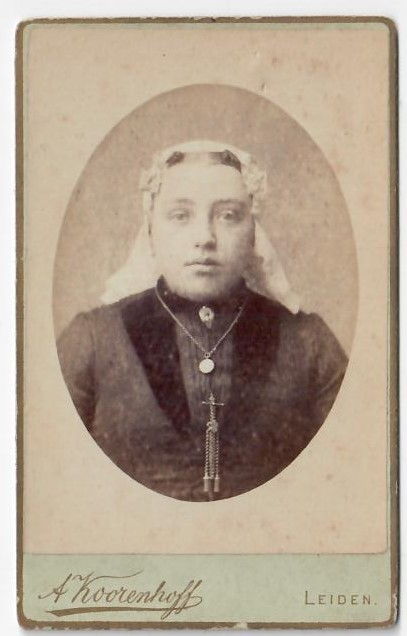
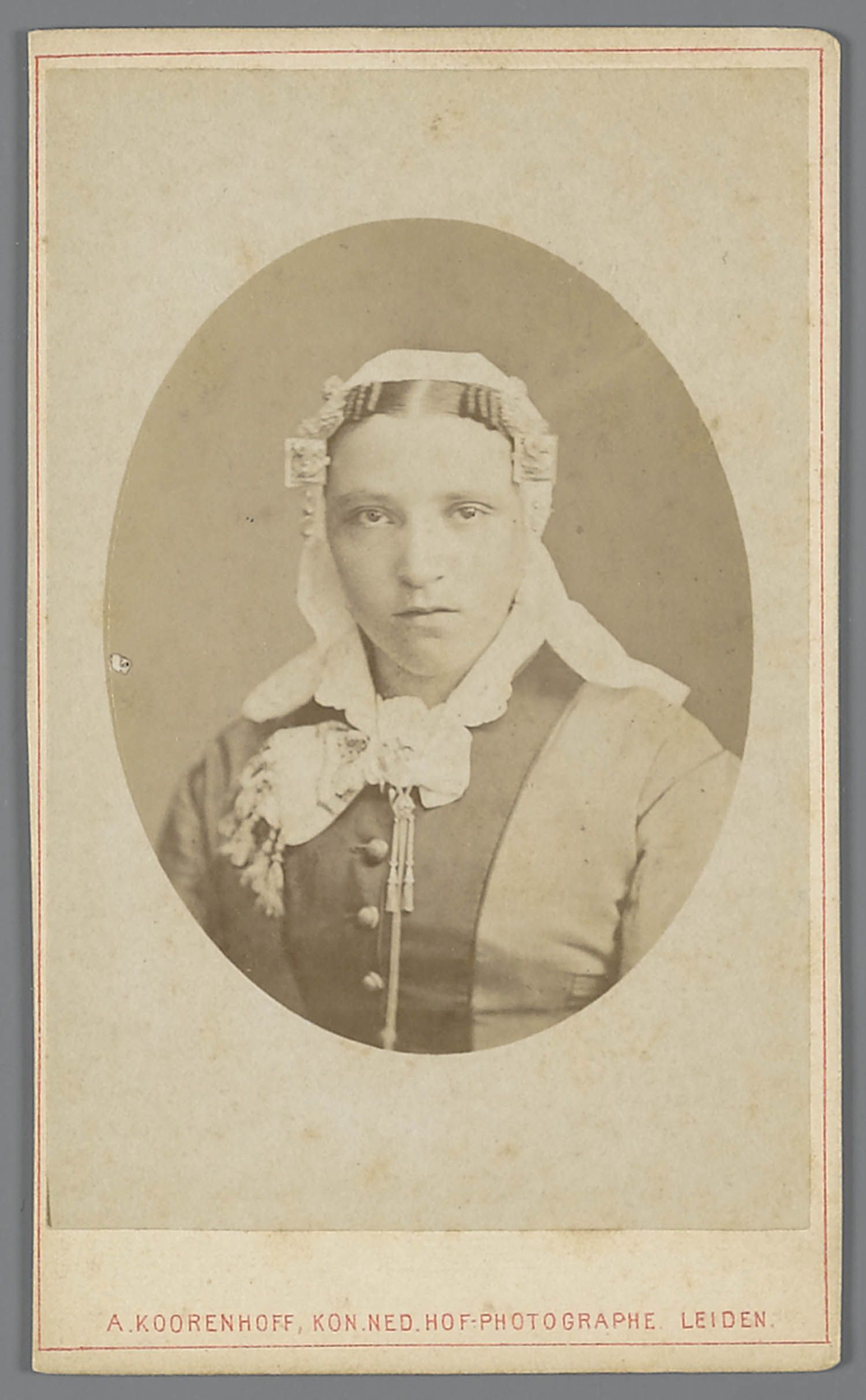
Photograph of a young woman wearing a so-called lange cap (long cap) from the Rijnland region, c. 1888 (TRC 2021.2439f). The photograph was taken by Abraham Koorenhoff from Leiden.Photograph of a young woman wearing a so-called lange cap (long cap) from the Rijnland region, c. 1888 (TRC 2021.2439f). The photograph was taken by Abraham Koorenhoff from Leiden.Rijnland is the name for part of the Netherlands that lies around the ancient city of Leiden. It used to have a special dress tradition, marked by lace caps for women.

Last week I was wondering how to present an exhibition on Rijnland caps and the women wearing them, and would we find that elusive rode draad (‘red thread’ in Dutch, which is appropriate for a textile tale) to hold the story together? We put out a call for help and the response has already been very fruitful. We now have many different aspects we can and will pursue, in fact there are enough potential stories to make a booklet, as well as a small exhibition!

What has happened? Well, thanks to the generosity, for example, of Nel de Wit, we have been given a photo album with images dating from the late nineteenth century, all of them, so it appears, showing men and women from the Van den Akker family from Zoeterwoude and beyond, just to the east of Leiden. Nel de Wit grew up on the farm Cronesteyn, near Lammenschans, and the farm is still there, now being used as a health centre. Her mother, Marijtje de Wit, née Rijnsburger, was born in Weipoort, a small village now part of Zoeterwoude. The images include people with a wide variety of ages, wearing Sunday best outfits, but also daily forms and dress for wearing when in mourning, not to mention men in regional and urban dress and in military uniform. Some of these people are named and it has been possible to identify them.
While increasingly well-known for innovative fashion design, Africa is usually not the first place that comes to mind for embroidery. In fact, some researchers talk about an African “embroidery belt”—a narrow area in the approximate middle of the continent, running from the west coast to the east, where embroidery is practiced.

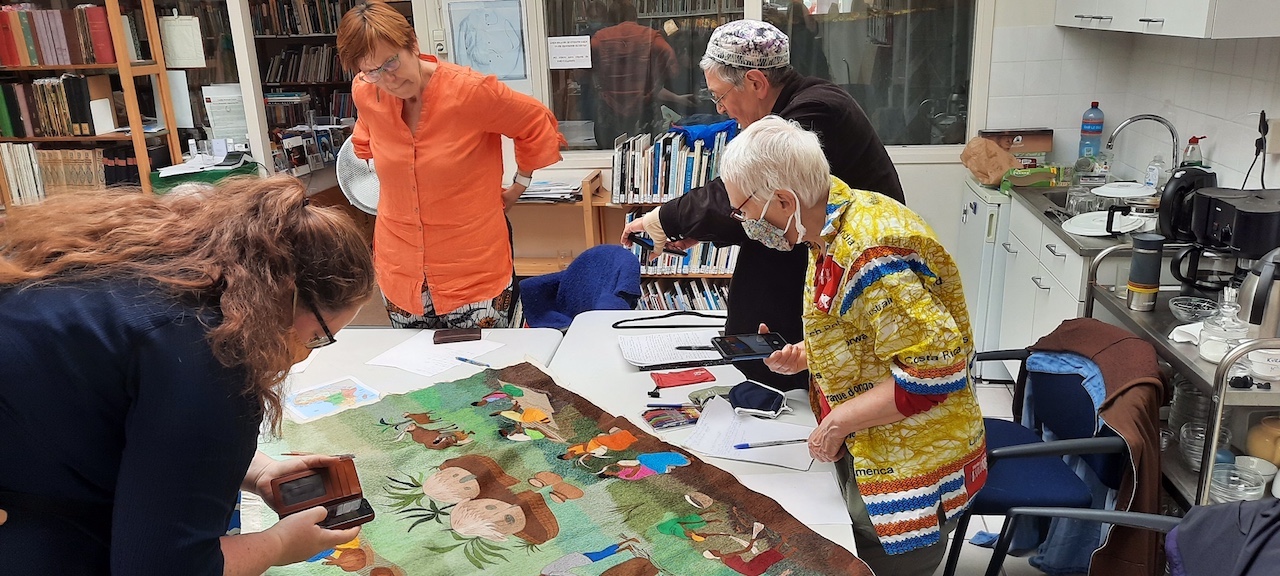
Participants of the study day on sub-Saharan embroidery look at a pictorial panel produced by the Sabane Kabuye workshop in Rwanda (TRC 2021.0500a). Photograph by Augusta de Gunzbourg.Participants of the study day on sub-Saharan embroidery look at a pictorial panel produced by the Sabane Kabuye workshop in Rwanda (TRC 2021.0500a). Photograph by Augusta de Gunzbourg.

The participants in the TRC’s first study day on sub-Saharan embroidery now know differently. Many styles of embroidery can be found throughout the continent, with some 93 different stitches and stitch combinations identified—including some 15 stitches that have not been seen outside of the continent.

Photograph taken in Leiden by A. Koorenhoff, Leiden, of a woman in Rijnland dress, ca. 1880, Photograph taken in Leiden by A. Koorenhoff, Leiden, of a woman in Rijnland dress, ca. 1880, We are currently researching a mini-exhibition about Rijnland lace caps that were mainly worn in the region between Gouda and Katwijk-aan-Zee, including Leiden and the region around the city, in the 19th and early 20th centuries. These caps come in a variety of forms, depending on whether the wearer was going to church, was in mourning, wealthy or not (such as a farm labourer or a merchant’s wife).

In addition, we want to look at the various techniques used to decorate these caps, including bobbin lace, hand embroidered tulle (net), machine made forms and indeed the various types of designs associated with Rijnland caps.

We are also looking for examples of caps, the relevant jewellery (especially oorijzers), and for old illustrations and photographs of women wearing this type of headwear. In addition, we are looking for the stories behind the caps! Who wore them, when, why, what did the women think about these caps, why did they stop wearing them? In fact any details, small or large. If you have any information or indeed examples you are willing to donate to the TRC Leiden, please let me know at Dit e-mailadres wordt beveiligd tegen spambots. JavaScript dient ingeschakeld te zijn om het te bekijken.

Gillian Vogelsang, 1 August 2021

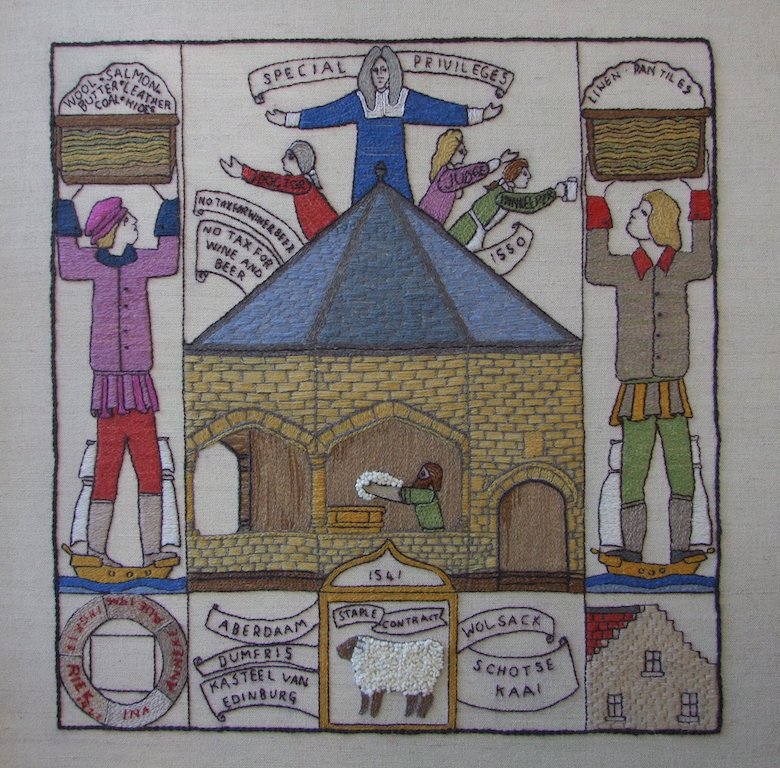
One of the panels of the Scottish Diaspora Tapestry (2012-2014), showing the cistern in Veere, Zeeland, built for the Scottish wool traders in AD 1551.One of the panels of the Scottish Diaspora Tapestry (2012-2014), showing the cistern in Veere, Zeeland, built for the Scottish wool traders in AD 1551.In TRC Needles, our online encyclopedia of needlework, you will find a brief entry on the Scottish Diaspora Tapestry, a commemorative embroidery first shown to the public in Prestonpans, Scotland, in May 2014. It tells about the emigration of Scottish people throughout the centuries. The embroidery also includes scenes that reflect Scottish links with a small town in Zeeland, in the southwest of the Netherlands, called Veere.

Last weekend, when Gillian and I had gone on another textile trip, we visited Veere, along the northern shores of the former island of Walcheren.

Not everyone has seen the Scottish Diaspora Tapestry, and therefore not many may know that there was a fairly large Scottish community in Veere for hundreds of years. Many of them were involved in the wool and fleece trade. By the mid-16th century, there were some 400 Scots among about 3500 locals. They had their own laws, church, and cemetery.

Woman's apron from Lindhorst, Lower Saxony, Germany, 20th century (TRC 2016.0823).Woman's apron from Lindhorst, Lower Saxony, Germany, 20th century (TRC 2016.0823).Over the years we have slowly been building up the TRC’s collection of Scandinavian and West European textiles and clothing, including Dutch regional dress. In particular, we were helped by a very generous donation of over 1700 items by Magdalena Kircher in 2016. Since then we have been adding more and more photographs and details about these objects, plus welcoming new objects.

As part of our co-operation with Prof. Bärbel Schmidt, of the Textile Department at Osnabrück University, Germany, we had plans to invite various groups of students to come to Leiden to help catalogue the German collection and for the students to be inspired in their own work and study by being physically able to handle the items. However, because of the corona crisis the students have not been able to come to Leiden. How to get around this situation? We have just had some good news!

The TRC Collection includes textile and sewing tools and equipment such as needles, pins and pin cushions (see a previous blog), as well as scissors and shears. In addition we have a small collection of thimbles of various types, literally from minute silver forms to leather and metal palm versions used by sail makers.

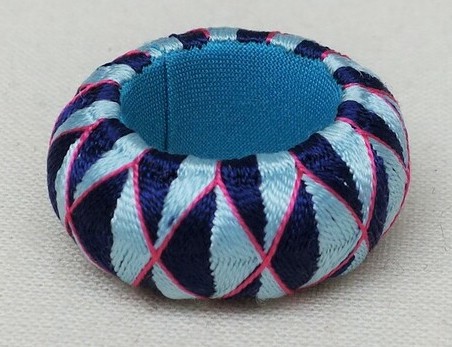
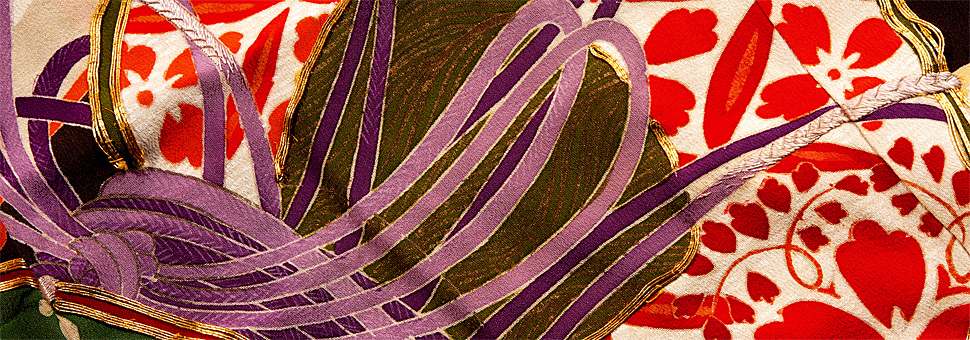
Kaga yubinuki, Japan, c. 2020 (TRC 2021.1770a).Kaga yubinuki, Japan, c. 2020 (TRC 2021.1770a).Not long ago we were given some beautiful and unusual thimbles, namely silk wrapped forms from Japan (TRC 2021.1769a, TRC 2021.1770a, TRC 2021.1771a, TRC 2021.1772a, TRC 2021.1773a). These are called Kaga yubinuki and are related to kagari temari, the well-known Japanese wrapped balls, of which the TRC has several in its collection (TRC 2021.1262, TRC 2021.1263, TRC 2021.1264, TRC 2021.1265, TRC 2021. 1266).

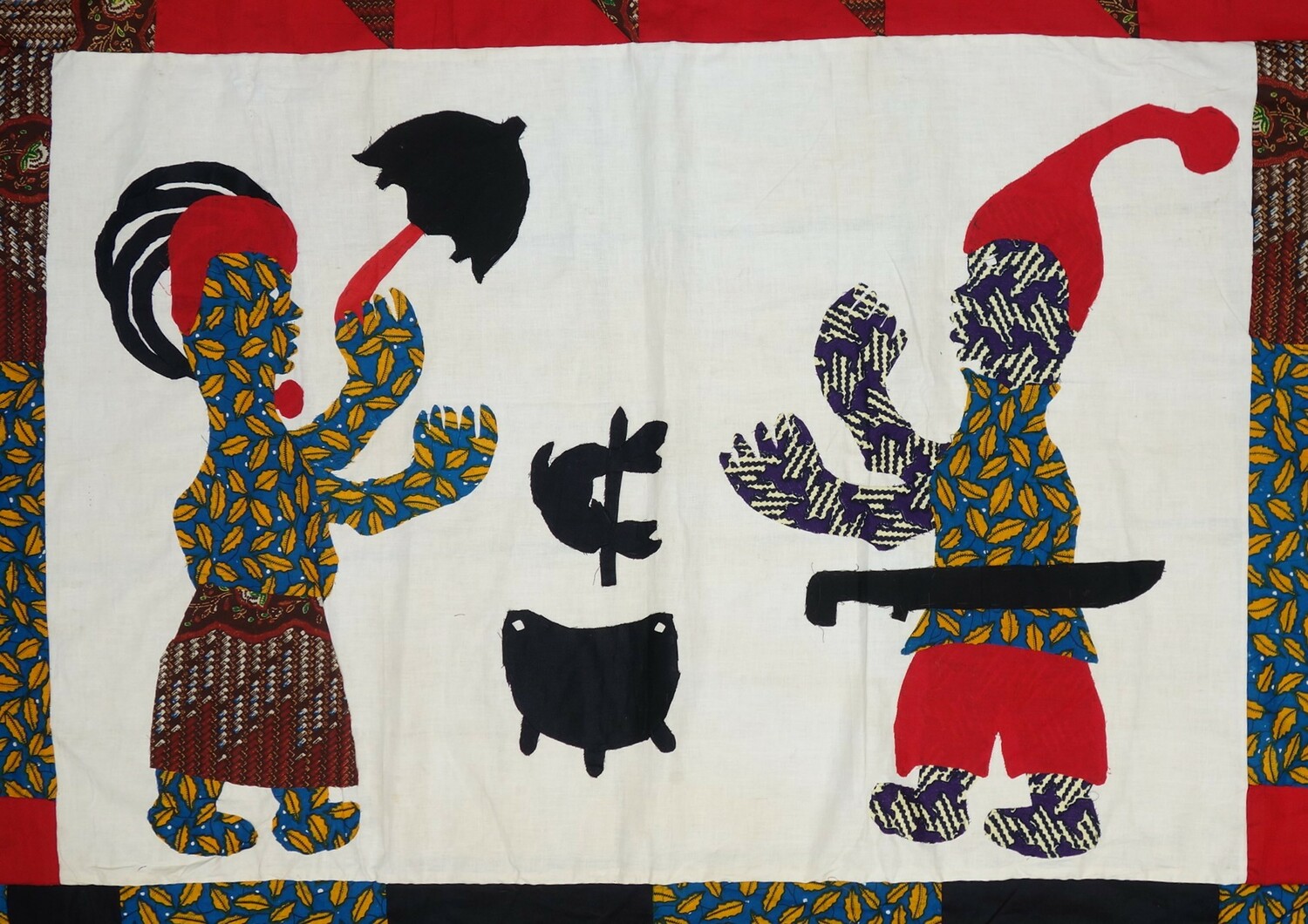
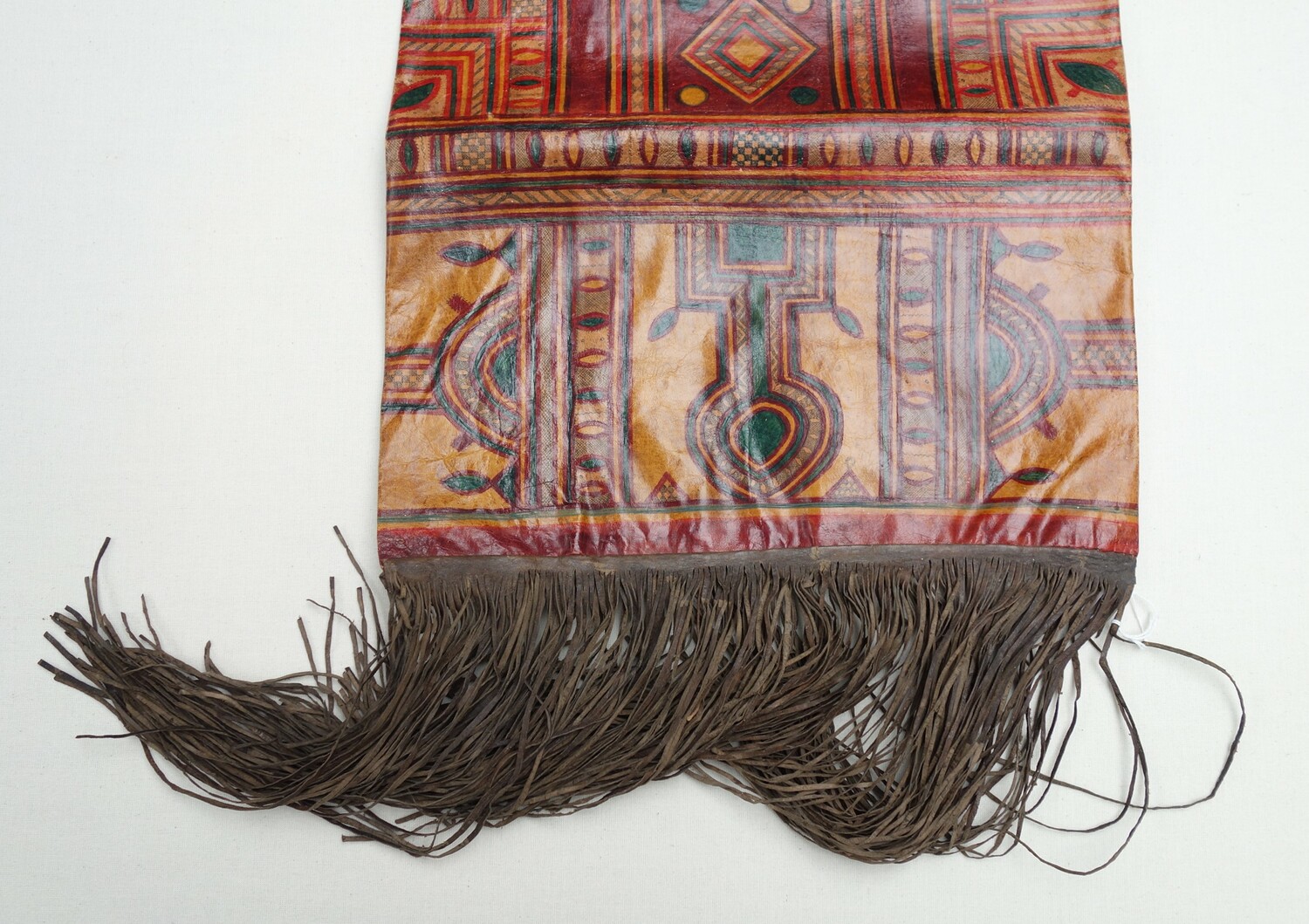
Detail of 1980s leather and painted cushion cover from Mali (TRC 2021.2115).Detail of 1980s leather and painted cushion cover from Mali (TRC 2021.2115).A few weeks ago I was muttering that at the TRC we did not have a good, representative collection of African textiles and dress, but within days we were offered various African items from several different sources! They range from a Nigerian ‘house of the dead’ (an appliqué panel), to a small container from the San people in southern Africa.

Many of these objects were donated by the family of Willem and Grace Bakker, who travelled widely in Africa, the Middle East (especially Egypt), Central Asia (including Afghanistan) and Asia (notably Indonesia).

Zoek in TRC website

Contact

Boerhaavelaan 6
2334 EN Leiden.
Tel. +31 (0)71 5134144 (kantooruren)  
office@trcleiden.org

Het TRC is elke dag geopend tussen 10.00 en 15.00 uur.

facebook 2015 logo detail


instagram vernieuwt uiterlijk en logo


Bankrekening

NL39 INGB 0002 9823 59, t.a.v. Stichting Textile Research Centre.

Financiële giften

Het TRC is afhankelijk van project-financiering en privé-donaties. Al ons werk wordt verricht door vrijwilligers. Ter ondersteuning van de vele activiteiten van het TRC vragen wij U daarom om financiële steun:

Giften kunt U overmaken op bankrekeningnummer (IBAN) NL39 INGB 000 298 2359, t.n.v. Stichting Textile Research Centre. BIC code is: INGBNL2A

U kunt ook, heel simpel, indien u een iDEAL app heeft, de iDEAL-knop hieronder gebruiken en door een bepaald bedrag in te vullen: 


Omdat het TRC officieel is erkend als een Algemeen Nut Beogende Instelling (ANBI), en daarbij ook nog als een Culturele Instelling, zijn particuliere giften voor 125% aftrekbaar van de belasting, en voor bedrijven zelfs voor 150%. Voor meer informatie, klik hier