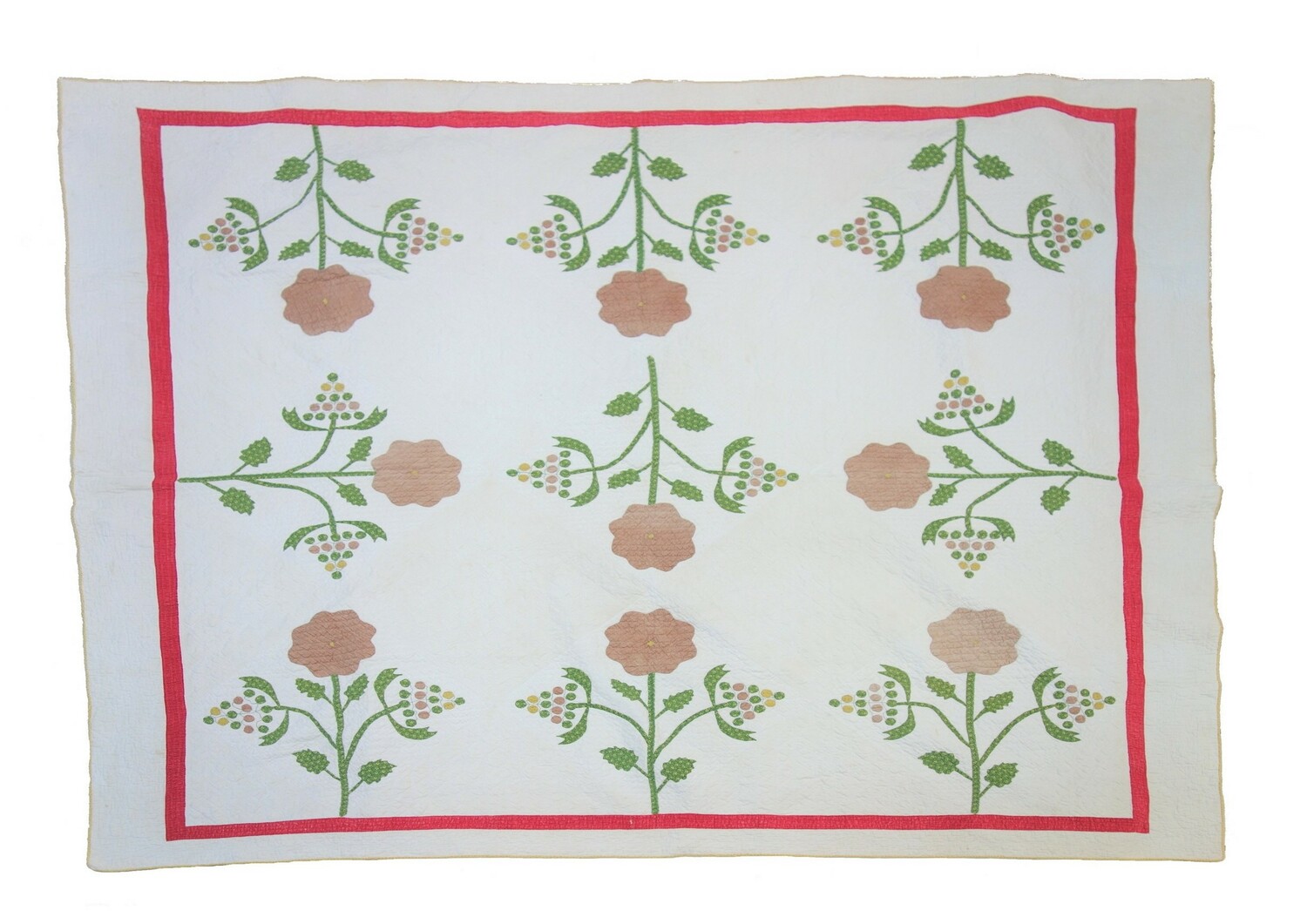
 Fig. 1. Quilt with an appliqué version of a ‘Flower and Berries’ design (1850’s – 1860’s; USA). TRC 2019.2402.(Gillian Vogelsang, 19 September 2026) Last weekend the TRC was open to the public as part of the national Open Monumenten Dagen (OMD). We welcomed over 300 visitors who were shown around the building and enjoyed the various exhibitions.
One of the questions that was asked by an American visitor was: did we have any quilts? What she meant was American-style (bed) quilts. Well, we have a range of quilts, plus a selection of quilt patterns, samples and unfinished blocks. More specifically, we have over 100 American quilts in our collection that date from the 1840s to the present day and represent many different forms.
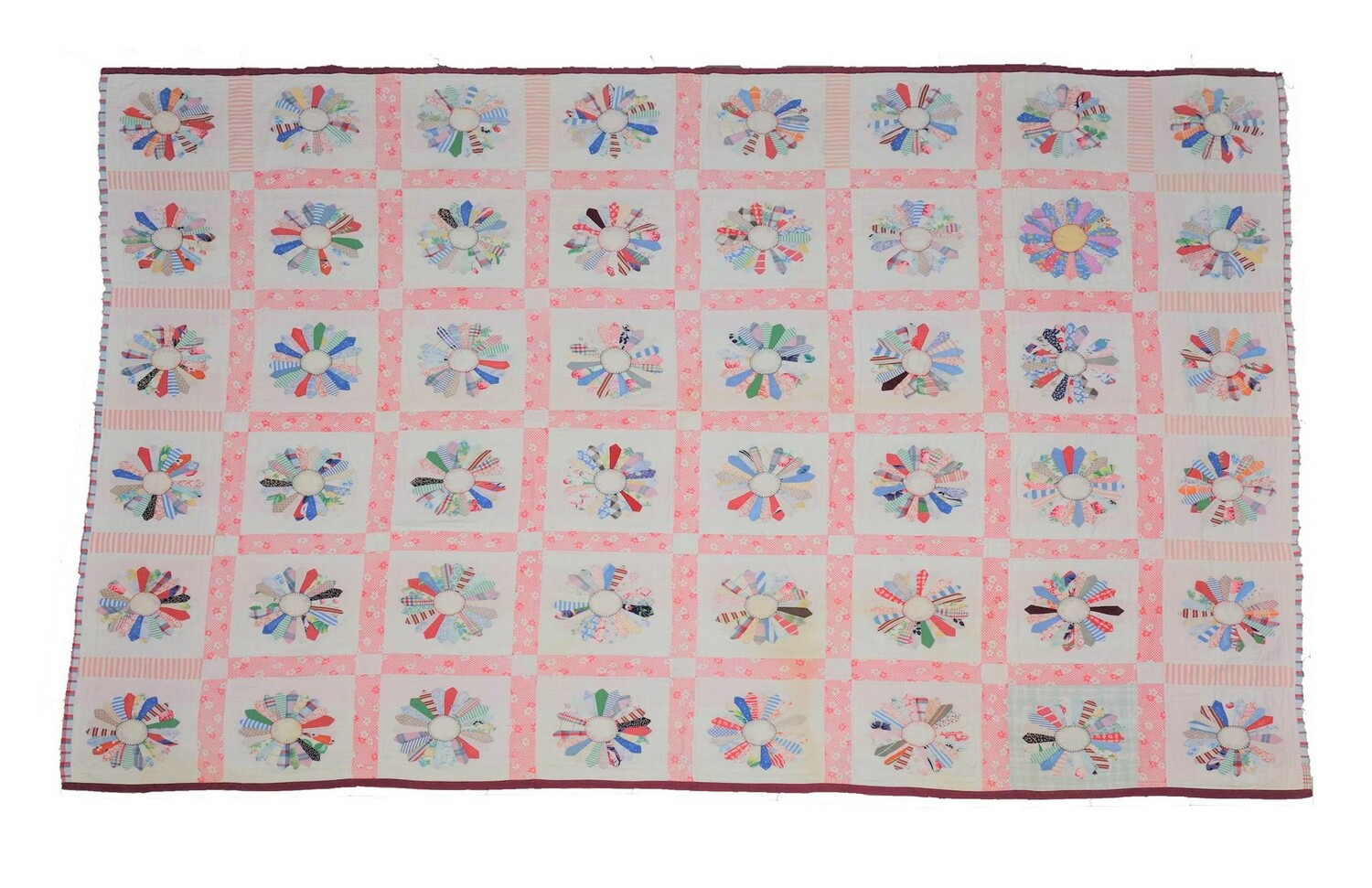 Fig. 2. Dresden Plate quilt (1930s, USA). TRC 2018.2629.The TRC houses one of the few public collections of American quilts in this part of Europe, and the blankets are included in the American Quilt Index. Some years ago, to mark this point, the TRC mounted an exhibition about American quilts. We opened the exhibition in February 2020, but alas, very few people could come and see it due to the Covid Crisis.
The TRC collection includes a wide range of forms of American quilts (Figs. 1-3), from practical, Amish items to more decorative, elaborate examples, but we are far from being able to offer a complete picture. We are still looking for early 19th century examples, and a few specific types, such as Baltimore Album quilts, Mormon (LDS) quilts, and modern Art quilts.





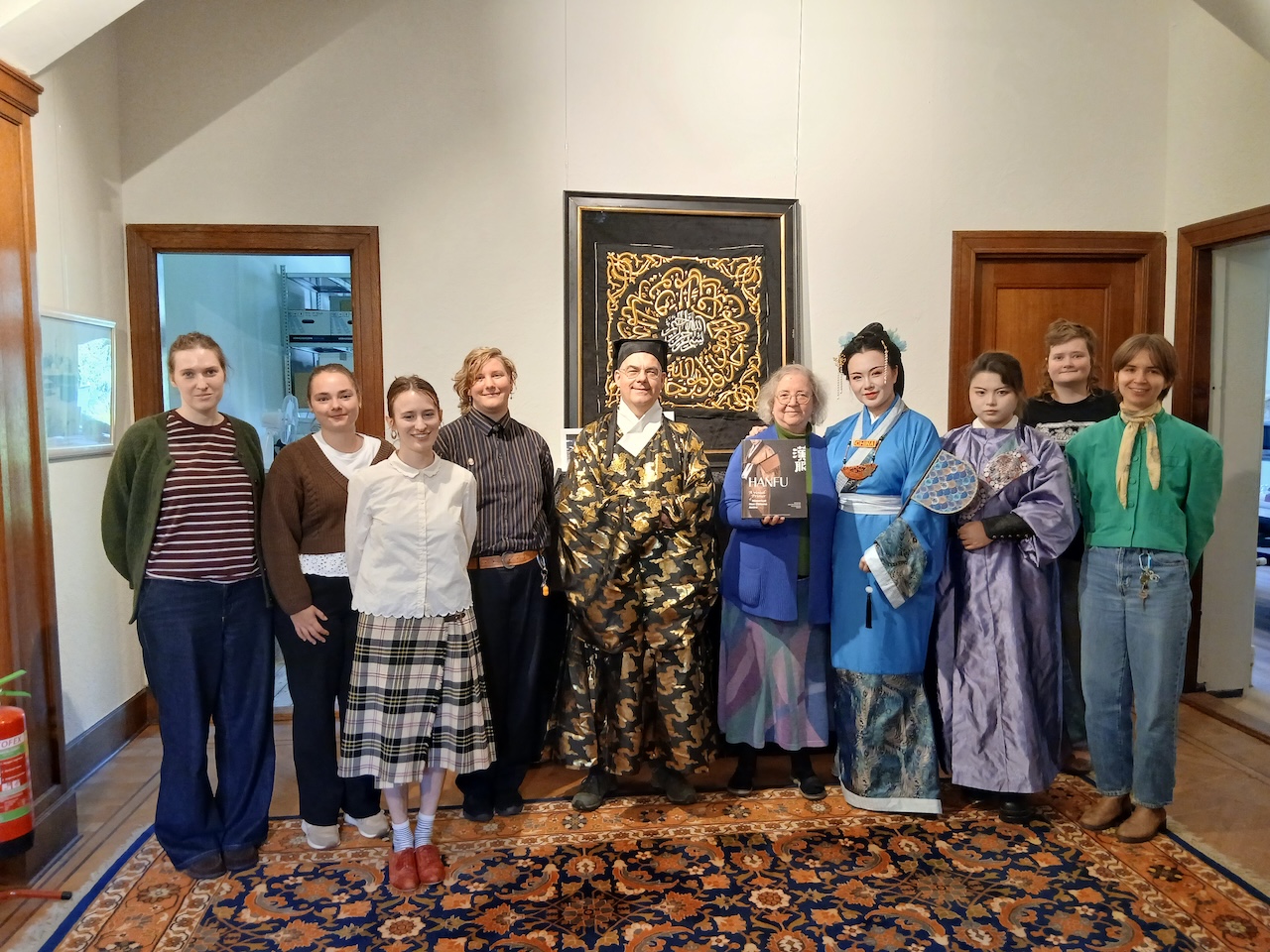 Our guests in Hanfu clothing at the TRC, 5 October 2026.

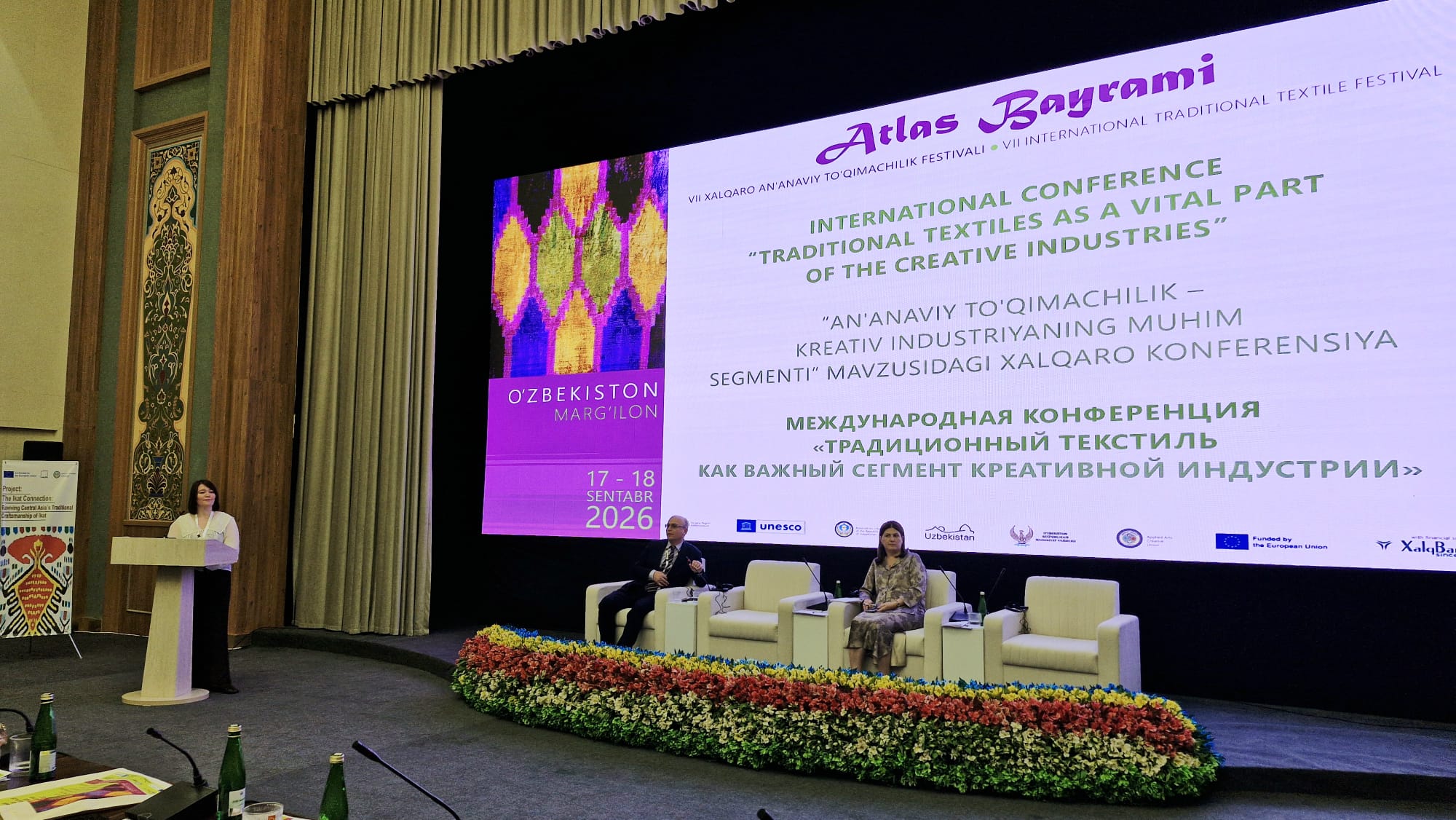
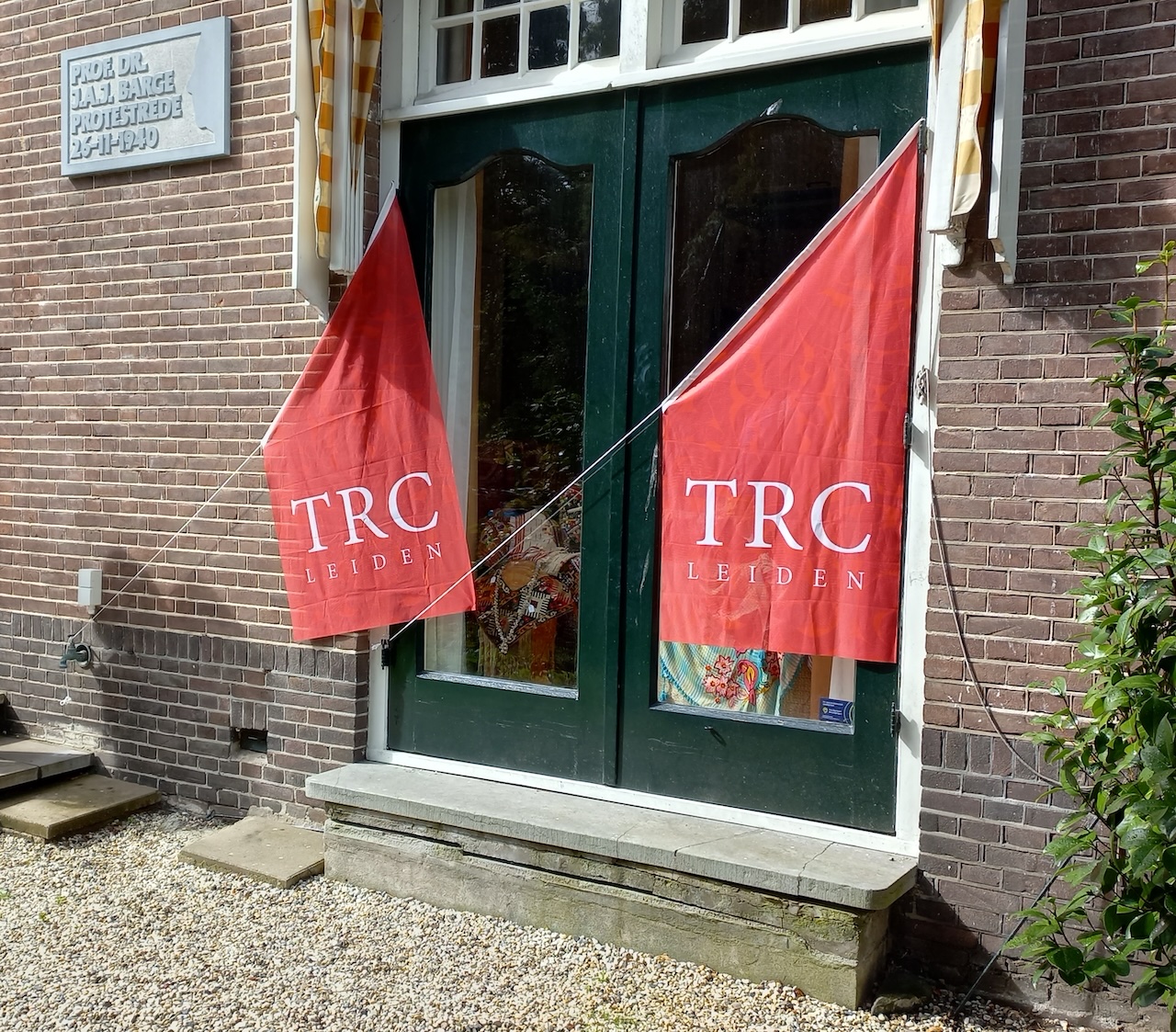 (Gillian Vogelsang, 13 September 2026) We have just had the second Open Monumenten Dagen (OMD) day (Sunday, 13 September), which was from 10.00 until 17.00 and we are all very, very tired! I am glad that the OMD is only once a year, but it is well worth it for getting people interested in what the TRC is doing and why.