• F4
  • F1
  • F3
  • F2

This mini-exhibition at the TRC is curated by Minsook Kang, who is an intern at the TRC. She is a visual artist and researcher working across textiles, moving images, installations and publications. She explores stories, memory, and embodied knowledge through forms of care, attention, and material engagement. In the summer of 2026 she visited the island of Buton in Sulawesi Province, Indonesia.
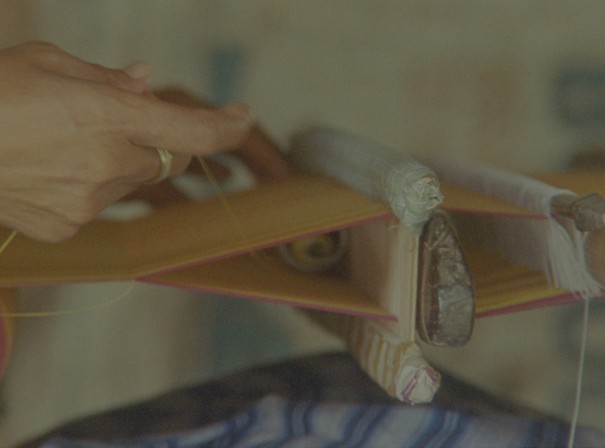
Producing sarongs on the island of Buton. Photograph courtesy Minsook Kang.Producing sarongs on the island of Buton. Photograph courtesy Minsook Kang.

A Language of the Hands - Embodied Knowledge and Transmitted Memory in Indonesian Buton Sarongs explores the Buton sarong as a form of embodied and transmitted knowledge.

Drawing on TRC collections and fieldwork in Baubau, the island's capital, the exhibition traces how patterns, motifs, weaving practices, and memories that are  transmitted across generations through speech, observation, and the hands. As a strong oral tradition culture, the sarong emerges as a living textile language shaped by everyday life, nature, and generations of makers.

A Language of the Hands can be visited until 30 Oct 2026. The TRC is open every weekday from 10.00 to 15.00.
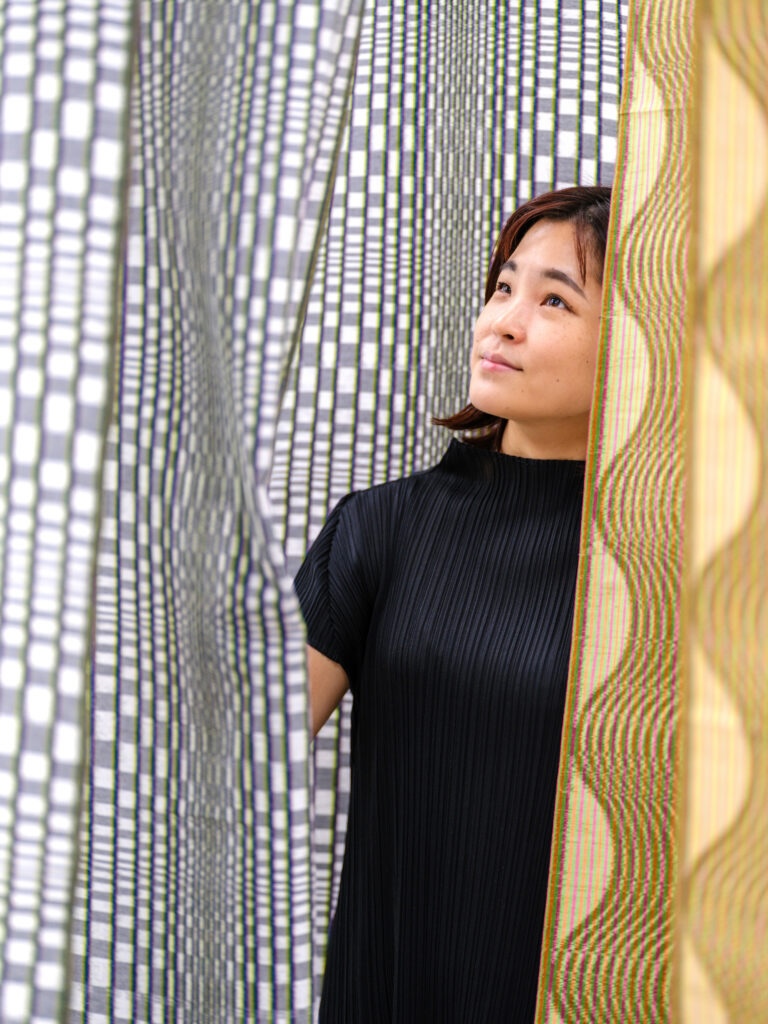
Tokyo-based textile designer Hana Mitsui. Photograph: www.hanatextiledesign.comTokyo-based textile designer Hana Mitsui. Photograph: www.hanatextiledesign.com(Flora Kovacs-Wester, TRC Fellow, 12 October 2026) As part of my research into Japanese kasuri weaving (see my earlier TRC blog post), I recently had the opportunity to interview Japanese textile designer Hana Mitsui about her practice and her approach to traditional Japanese textiles.

Drawing on her experience with leading fashion and textile houses in Japan and internationally, Mitsui combines traditional weaving techniques with new approaches to materials, patterns and production. During our conversation, Mitsui generously offered to donate a selection of samples from her experiments with Kurume kasuri to the TRC. The donated samples make a meaningful addition to TRC’s existing collection of traditional kasuri textiles and enable us to expand the ways in which Kurume kasuri can be understood and researched within the TRC collection.

Mitsui’s ability to see new possibilities in fabric caught the attention of the fashion world early in her career. While studying at the Royal College of Art in London, Alexander McQueen selected her graduation textile for its Spring/Summer 2015 Paris collection.

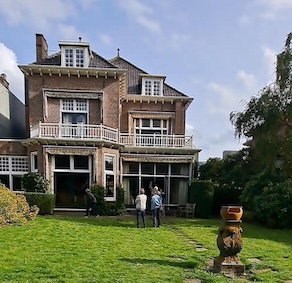
The TRC as seen from the garden.The TRC as seen from the garden.The Stichting Textile Research Centre (more widely known as the TRC) Leiden is an international knowledge centre for textiles and dress studies that works with people and objects from around the world with no artificial boundaries, as culture and knowledge have no geographical boundaries. We are equally interested in huipil from Guatemala to hanfu in China, as well as Dutch lace caps and East African kangas!

Over the last 35 years, the TRC Collection has grown to over 56,000 catalogued items, making it one of the largest textile and dress collections in Europe. It is used on a daily basis for teaching, research and inspiration purposes.

Since April 2026 this diverse collection has been housed at Boerhaavelaan 6, a monumental urban villa, in Leiden, the Netherlands. The building allows for the expansion of educational activities and exhibitions of the growing collection. Become part of our future and join our support network by being a Friend of the TRC.

In order to build up a solid future, we need long-term commitments from as many people as possible who love textiles in all their many varied forms, colours and patterns!

We invite you to become a Friend of the TRC. Friends transfer annually the sum of 250 euros or more, for a minimum of three years. If you want to become a Friend, please contact us at This email address is being protected from spambots. You need JavaScript enabled to view it. with the subject line 'Friends of the TRC'.

To show our appreciation you will receive the blogs written by TRC staff and others about textile-related subjects. You also receive a 10% discount on items in our shop, lectures, courses and workshops, as well as advance information about special events such as community days, special talks, evening events based on exhibitions, book sales, etc.

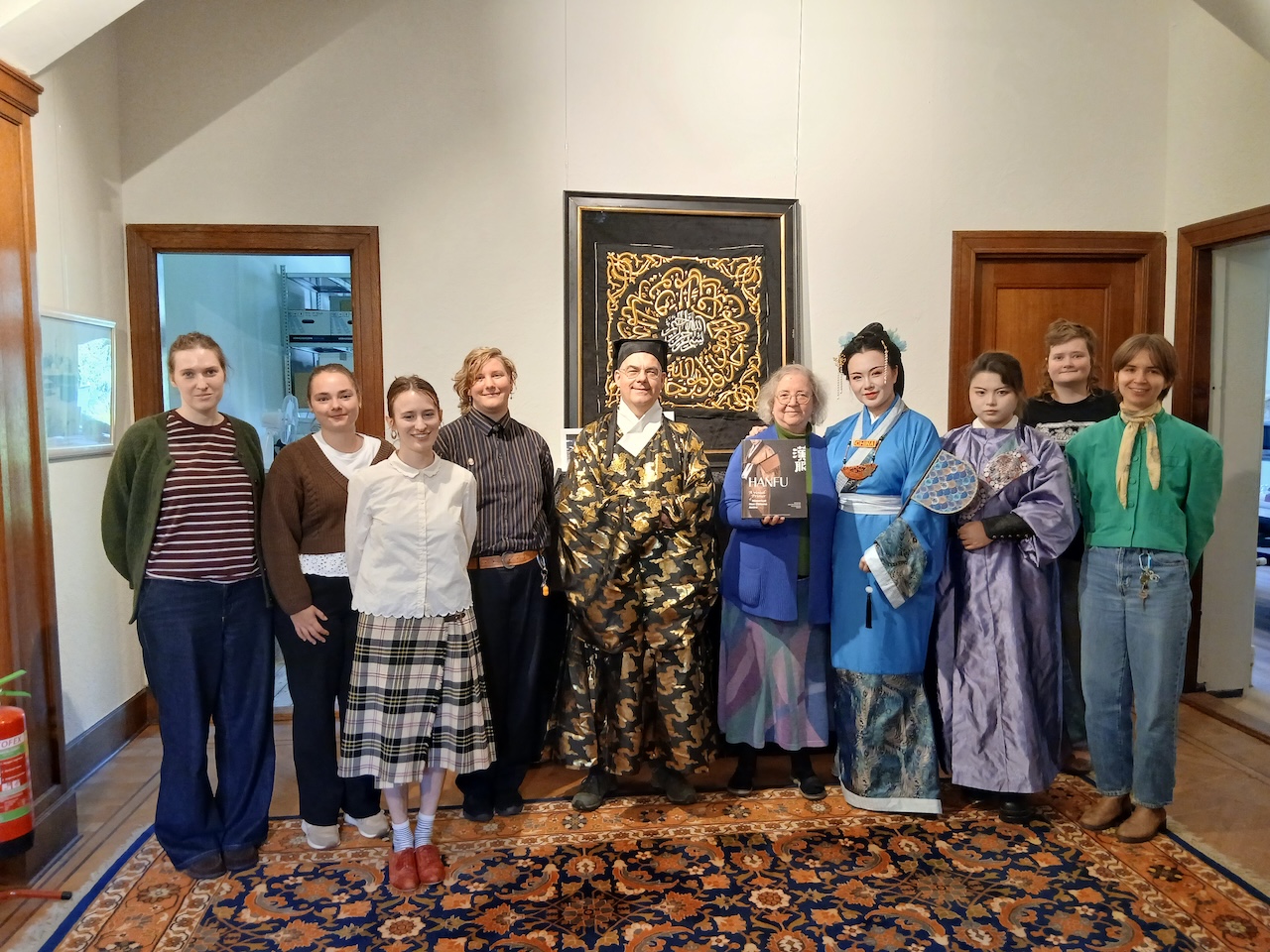
(Gillian Vogelsang, 5 October 2026) A few days ago, Danni Wang, who is of Chinese origin and lives in The Netherlands, came to the TRC with two of her friends, all of whom were dressed in Hanfu. They looked so different and ‘exotic’. And yes, that was the whole point. Hanfu has become more and more popular over the last twenty or so years with many Chinese, both in China itself and among the diaspora, as well as others who love Chinese history and culture.

Our guests in Hanfu clothing at the TRC, 5 October 2026.Our guests in Hanfu clothing at the TRC, 5 October 2026.

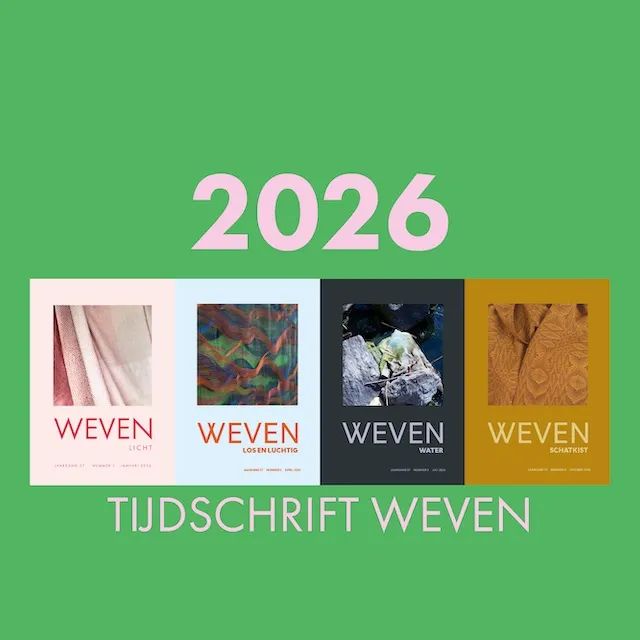
Birgitta de Leeuw wrote an article about the TRC for the journal Weven (No. 4, 2026, pp. 16-18). She is a Dutch creative facilitator, consultant, author, and visual artist focusing on both personal growth and societal and organizational change. Her work lies at the intersection of social innovation and creative expression.

Her article about the TRC appeared in the official and best-known trade magazine for weavers in The Netherlands, published by the organisation Weefnetwerk. It is published four times a year, with each issue covering a specific theme.

A PdF file of the article can be downloaded here.

Moroccan kaftan made from a Japanese obi (sash), 1950s (TRC 2001.0074).Moroccan kaftan made from a Japanese obi (sash), 1950s (TRC 2001.0074).The TRC collection of textiles, clothing and accessories from around the world was started in 1997 with 43 pieces from Afghanistan, Egypt and Syria. Since then it has grown to over 56,000 items (26 September 2026), almost all of them have been catalogued and most of them photographed. All information is accessible on the TRC website (click here for the online catalogue).

The items come from diverse backgrounds with respect to time and place. Some of the items have been purchased, but the vast majority has been collected during fieldwork or very kindly donated by various institutions and private donors. The TRC  is a good example of Citizen Culture and Heritage at work!

The collection has no boundaries with respect to geography or time. It ranges from Afghan embroidery, German Lederhosen, Indonesian batiks, historical textiles from Leiden, to delicate silks from Renaissance Italy and spinning and weaving equipment from the Andes.

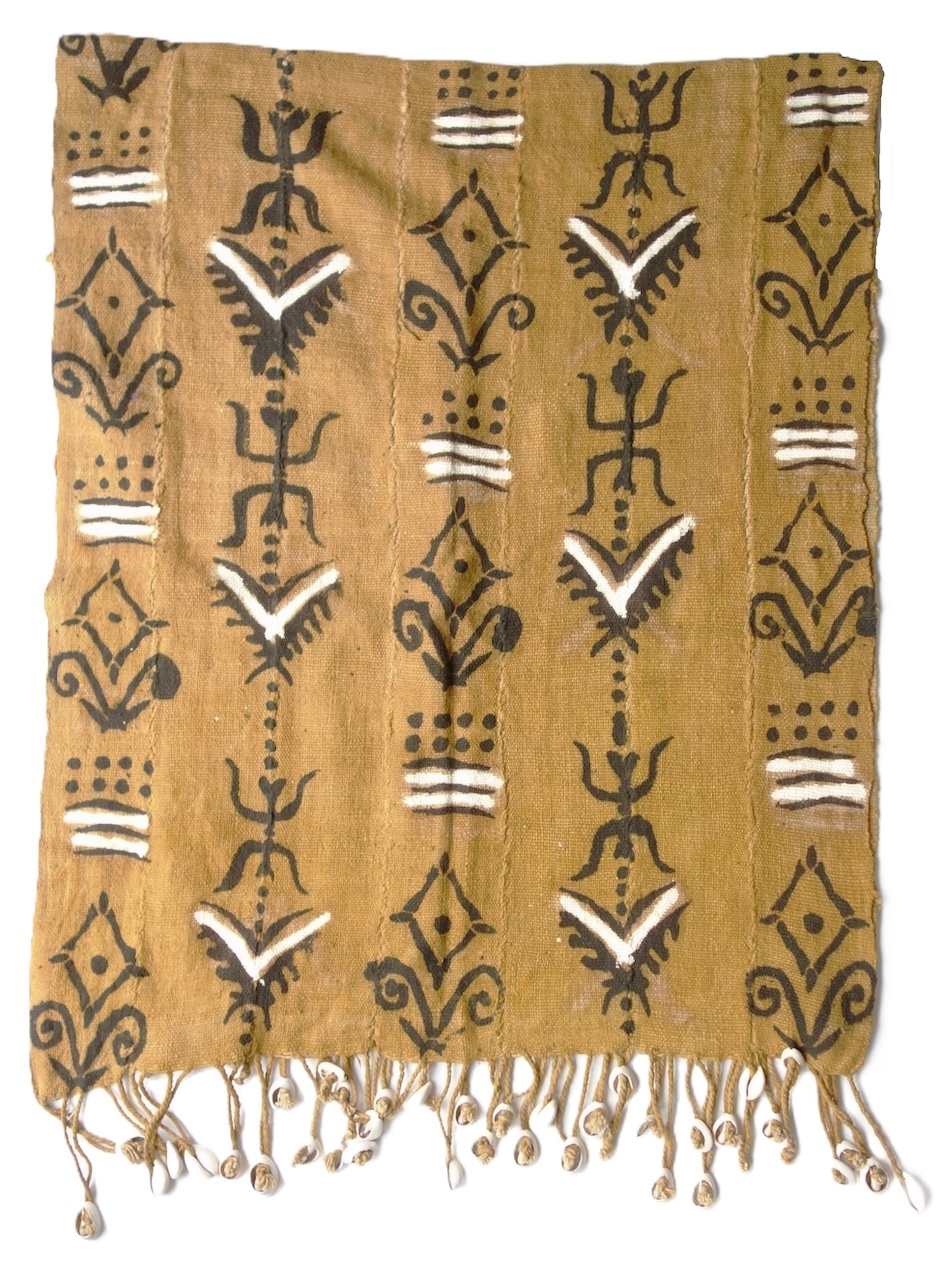
Length of cloth made from strips (15 cm) of woven cotton, dyed brown and then painted with various motifs. The fringes are decorated with white cowrie shells. Mali? (TRC 2026.2254).Length of cloth made from strips (15 cm) of woven cotton, dyed brown and then painted with various motifs. The fringes are decorated with white cowrie shells. Mali? (TRC 2026.2254).(Gillian Vogelsang, 28 September 2026) It is noticeable, since we moved to our new home on the Boerhaavelaan, that we have been increasing our international links and connections. We are welcoming more and more visitors from all over the world – just the other day we had a guest from China wanting to know what we did, while upstairs a researcher from Indonesia was looking at part of our Indonesian batik collection. We have also recently had several visitors from Iran as well as the USA and Canada, not to mention home-grown visitors from The Netherlands. We also currently have interns and student volunteers from Belgium, Lithuania, and Korea (she is studying Indonesian textiles) all adding to the international mix at the TRC.

Textile fellowships

Thanks to the generous help of the Gieskes-Strijbis Foundation, Amsterdam, the TRC has a three-year fellowship programme for the study of textiles and dress, based on the TRC Collection. The first fellow, Flora Kovacs Wester, is Hungarian, lives in The Netherlands and carries out research on  kasuri, a Japanese resist-dyeing technique. Earlier this year we announced a second round of fellowships and there were 39 applicants from literally all over the world. We appointed two junior fellows and one senior fellow, who will be working on different aspects of the TRC Collection. We hope to welcome them within a few weeks. These fellowships are certainly causing ripples in the textile world. The third round of fellowships will be announced shortly and we expect even more interest in this fellowship programme.

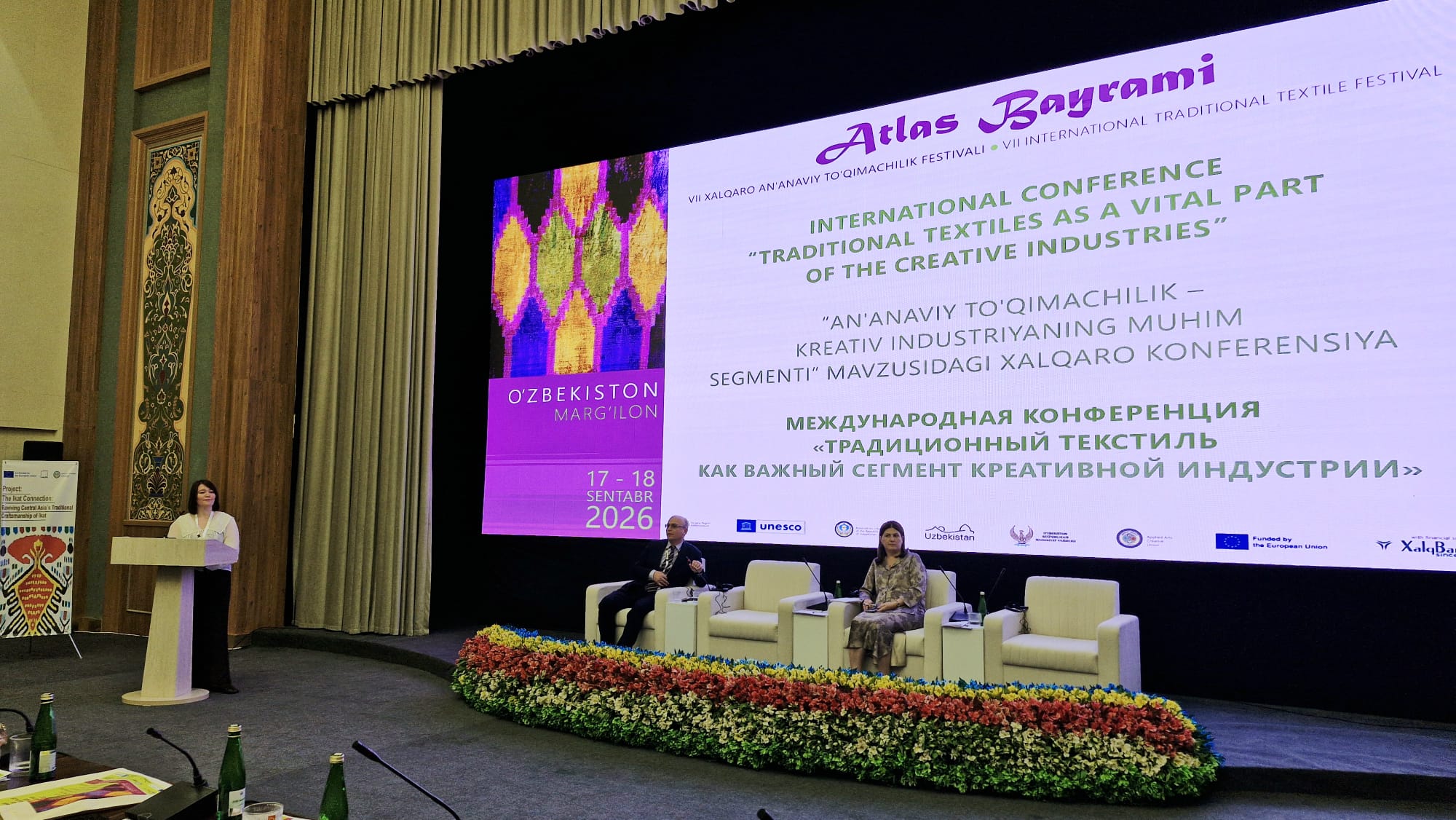
(by Augusta de Gunzbourg, TRC curator and education manager, 25 September 2026). The TRC was invited recently to attend "Atlas Bayrami", the 7th International Traditional Textile Festival, held in Margilan in the Fergana Valley, in the east of Uzbekistan. I attended the festival as TRC's representative. The event celebrated the country's textile traditions, and in particular the traditional silk ikats of this region. This extraordinary invitation was a chance to represent the TRC at an international conference and to better understand a textile history that is still very much alive in the valley and across the country.

The author speaking during the conference.The author speaking during the conference.

Search in the TRC website

Contact

Boerhaavelaan 6
2334 EN Leiden.
Tel. +31 (0)71 5134144 (office hours)  
office@trcleiden.org 

The TRC is open every week-day from 10.00 to 15.00

facebook 2015 logo detail 

instagram vernieuwt uiterlijk en logo


Bank account number

NL39 INGB 0002 9823 59, in the name of the Stichting Textile Research Centre.

Donations

The TRC is dependent on project support and individual donations. All of our work is being carried out by volunteers. To support the TRC activities, we therefore welcome your financial assistance: donations can be transferred to bank account number (IBAN) NL39 INGB 000 298 2359, in the name of the Stichting Textile Research Centre. BIC code is: INGBNL2A.

 You can also, very simply, if you have an iDEAL app, use the iDEAL button and fill in the amount of support you want to donate: 


Since the TRC is officially recognised as a non-profit making cultural institution (ANBI), donations are tax deductible for 125% for individuals, and 150% for commercial companies. For more information, click here