My name is Mayte Van den Broeck, an MA student of Heritage and Memory at the University of Amsterdam, who started an internship at the TRC in early February. As my first month as an intern at the TRC has flown by, I wanted to reflect on the experiences I have had so far by describing what a day at the TRC can look like as an intern.
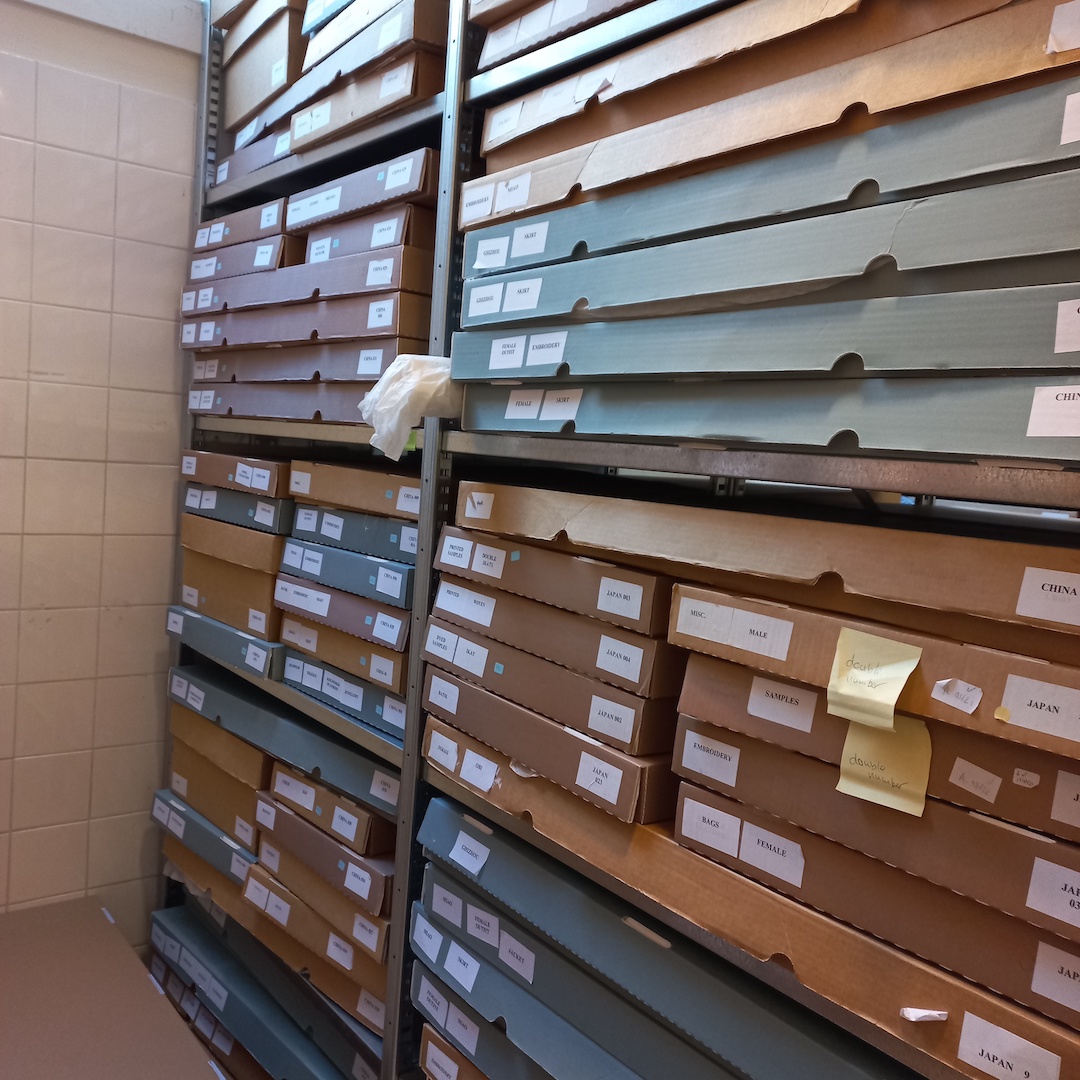 Fig. 1. An impression of the depot with the TRC collection.A typical day starts at 9am with a cup of tea, as I organise what I plan to do that day. One of my main tasks as an intern is to go through the Chinese collection in the depot (Fig. 1), box by box, to make sure that each textile piece is in order. This means checking each piece for issues such as mold or damage, as well as making sure all the information on each piece is present and correct in the database.
When I started with this particular work, the very first box I chose from the Chinese collection, picked at random, was full of shoes, particularly lotus shoes (see the TRC online exhibition on the subject). The practice of foot binding started over a thousand years ago in the Early Song Dynasty (960-1279) and lasted until the early 20th century.
The girls and women whose feet were bound, in accordance to this widespread practice, would wear these finely decorated lotus shoes. The colours and decorations would depend on the wearer’s social status and the symbolism that they wished to emulate through the decorative designs on the shoes.
For example, the lotus shoes in Figure 2 are red, a colour for festive occasions such as weddings. The bottom of the lotus shoe also had to be finely stitched and appealing to the eye, in order for the handicraft to be admired when the wearer was sitting down with her feet up.
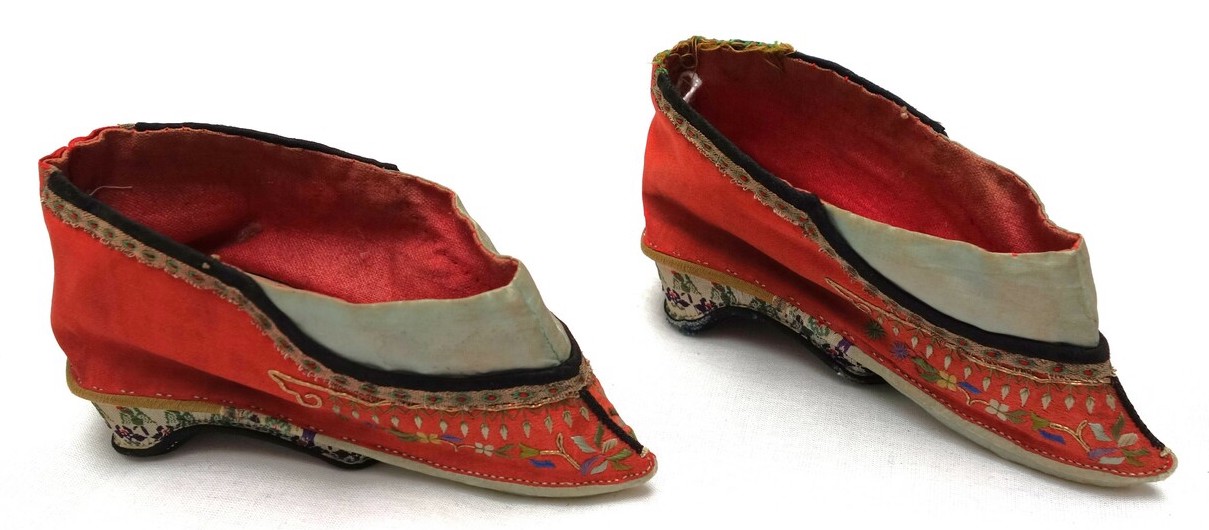 Fig. 2. Wedding lotus shoes, China, c. 1900 (TRC 2013.0059a-b).
Whilst going through boxes such as this one, I come across so many interesting pieces with a rich history that tell so much about the identity of the wearer and the techniques that go into making the piece. Being able to handle them so closely is truly a valuable experience for anyone interested in textiles.
When checking items in the database, one of my main tasks is making sure the item has three images that are up to current standards. Positioning items, photographing, and editing them has truly been a trial-and-error experience for me. I learned how important it is to show all sides of the piece, so that experts, artisans, and academics can analyse even the parts that at first did not seem important to me. This also requires getting the lighting and focus right, something rather tricky to do in the fickle Leiden weather. Overall, photographing has been an enjoyable challenge, and it has been wonderful to see my continuous improvement and learning.
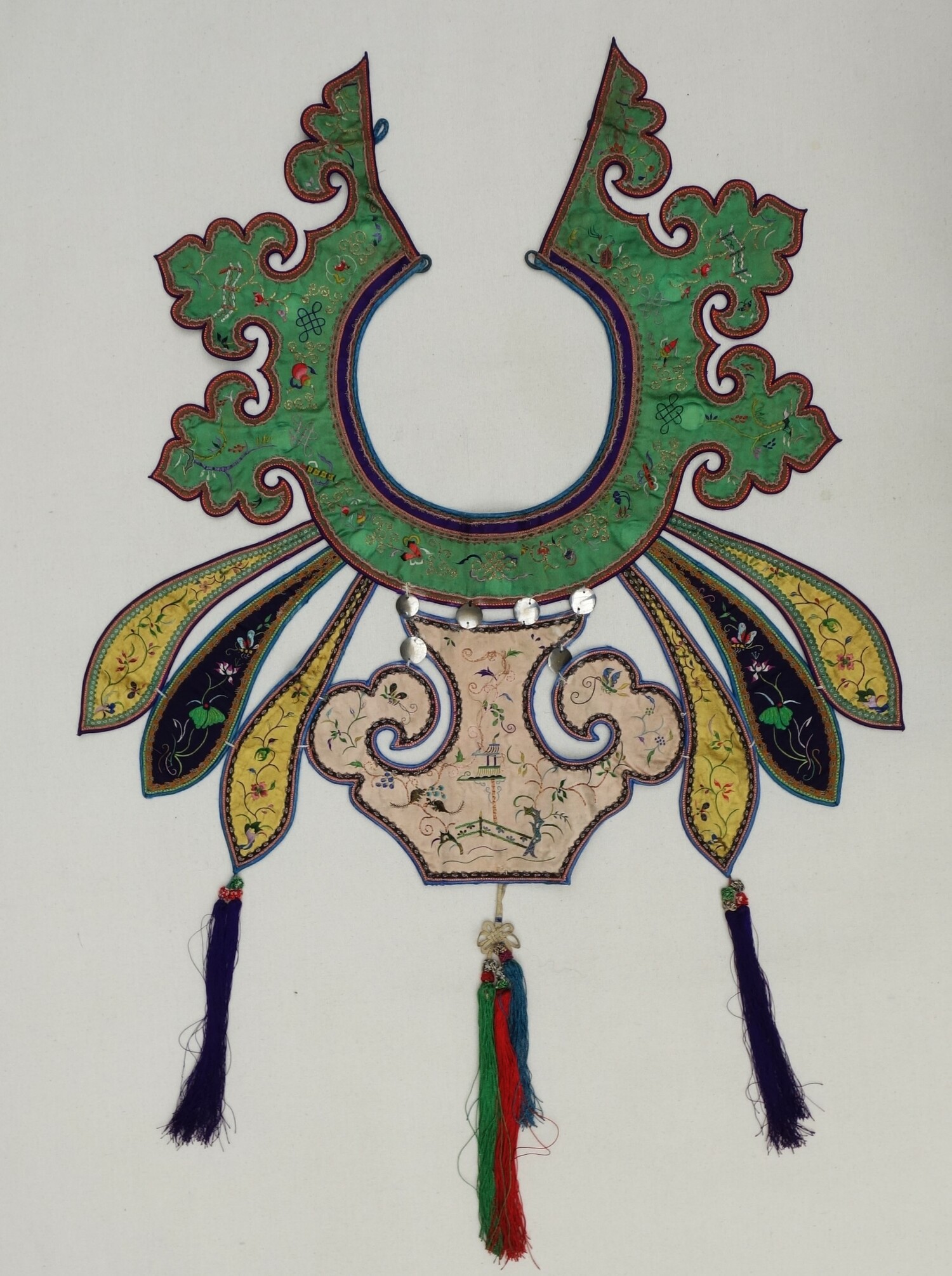 Fig. 3. Twentieth century cloud collar, China (TRC 2024.1509).
Once all the new photographs have been added to the database, and all the details have been checked, the pieces can be carefully packed away again in the tissue paper lined boxes and I can move on to the next box.
Besides going through the boxes I have also have the opportunity to learn from other volunteers how the depot is run and how the exhibitions are designed and set up, and to create my own mini-exhibition. The exhibition I am currently working on centres around the theme of detachable Chinese garment collars, such as the Cloud collar (Yunjian云肩) in figure 3. In future I will also have the chance to take part in workshops to learn about various techniques and crafts.
As part of my tasks at the TRC, I will also be writing blog entries. Please keep an eye out for my next piece on the flora and fauna depicted in Chinese embroidery, where I look at the symbolism of various flowers and animals depicted in pieces from the TRC collection.
No two days look quite the same at the TRC, yet each day is well spent, making for an exciting atmosphere and many great learning opportunities. Not only am I learning more about the rich world of textiles and developing my skills, I am also able to see what really goes into the running of a culture organisation such a9 the TRC, a truly valuable experience for a heritage student.
8 March 2025