
 Fig. 1. Hand embroidery by Maqadeer, a young student at YENOF’s schooling programme. Her work is based on a head covering illustrated in Fig.4.
Over the past few months, a project dedicated to preserving Yemen’s embroidery heritage has been underway. The initiative, a collaboration between YENOF (Yemen Noor Foundation), IL- CI (Improving Lives through Cultural Initiatives) and the ALIPH Foundation, has brought together twenty-five women, each studying twenty-five traditional dresses from different regions of the country.
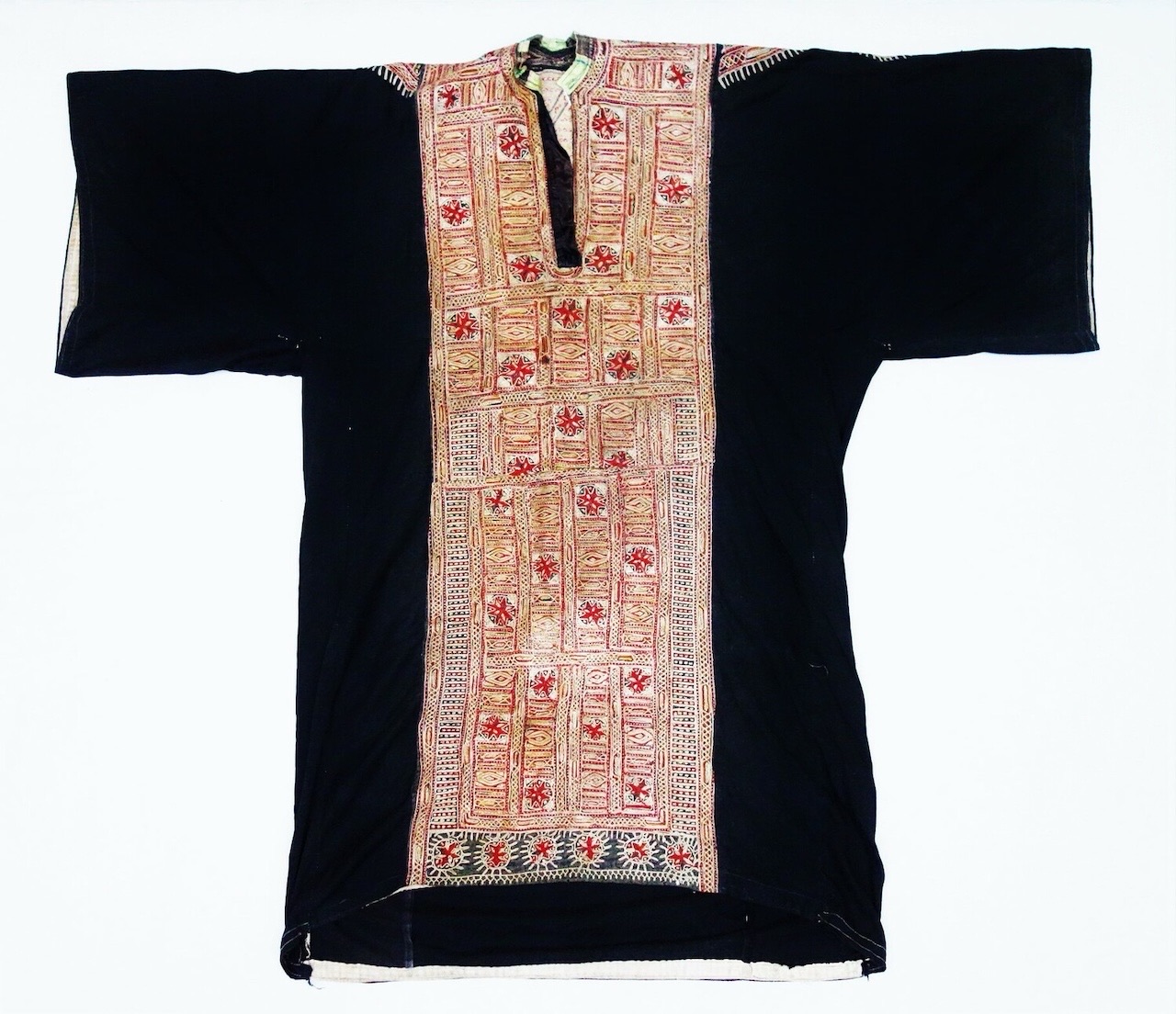 Fig. 2. Woman's hand and machine-embroidered dress, 20th century, from the Jebel Milhan region, west of Sana'a, Yemen (TRC 2011.0147).
The project was designed to foster learning through hands-on workshops, allowing participants to closely observe and explore traditional stitches, motifs, and patterns. Each woman created a wall piece inspired by her assigned dress, honouring this ancient tradition while also affirming embroidery as a living, evolving craft.
The dresses selected for the project were sourced in Yemen and abroad in international Yemeni ethnographic collections.
The team in Sana`a mainly relied on high resolution images of dresses and we were immensely grateful to the many institutions and private collectors that offered their support including the Textile Research Centre (TRC), Leiden, the Quai Branly Museum, Paris, the Pitt Rivers Museum, Oxford, the Musée d'Art Roger Quilliot, Clermont- Ferrand, the IU Museum of Archaeology and Anthropology, Indiana and Shahira Mehrez.
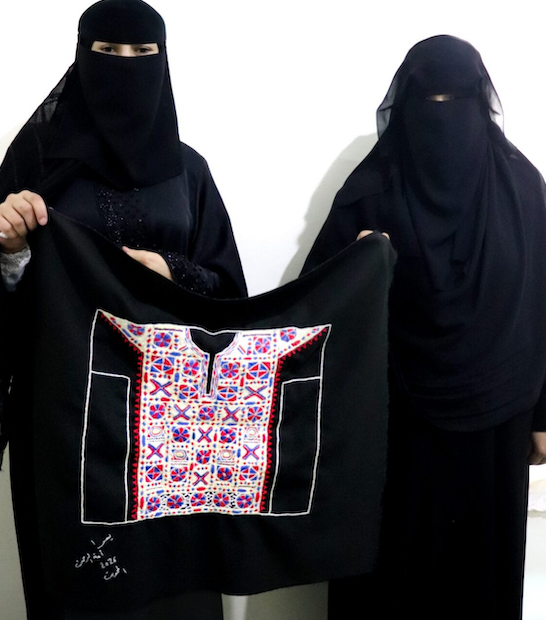 Fig. 3. A collaborative embroidery by the mother-and-daughter duo Amat and Yesra, inspired by an embroidered dress from Jebel Milhan (Fig. 2).From the TRC, dresses spanning the governorates of Sana`a, Mahwit and further north were picked. For instance, a dress from the Jebel Milhan area (Fig. 2; TRC 2011.0147) inspired a collaborative work by the mother-and-daughter duo Amat and Yesra (Fig. 3).
While early examples of these Jebel Milhan dresses were entirely hand-embroidered, later versions incorporated machine embroidery. Drawing on the original garment’s motifs and colours, Amat and Yesra translated its visual language into a small, playful piece measuring 31 × 31 cm. Their work was further informed by reference photographs of similar dresses collected by YENOF. It is fully hand-embroidered in a palette of off-white, cream, red, and blue.
Another inspiring textile from the TRC collection is a head-covering from Sana`a, richly decorated with metal-thread couching and applied elements, including red beads (Fig. 4; TRC 1997.0203). For this piece, the team in Yemen also had access to local examples, allowing them to draw on a wide range of visual references. The result is a wonderfully intricate work measuring 32.5 × 41 cm (Fig. 1). It was hand-embroidered by Maqadeer, a young girl benefiting from YENOF’s schooling programme.
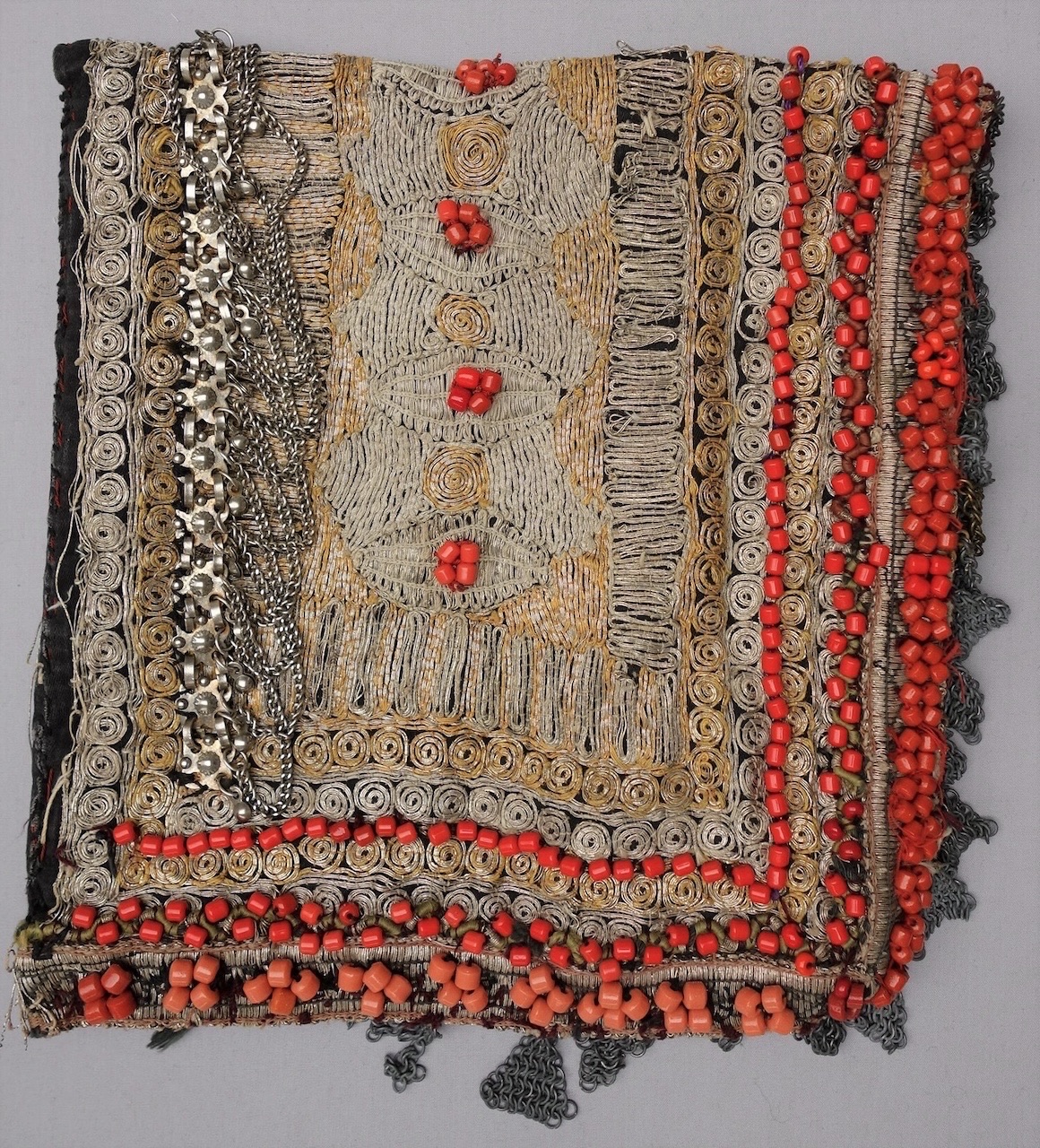 Fig. 4. Late 20th century embroidered head covering from Sana'a, Yemen (TRC 1997.0203).
On her mandatory gap year between school and university, Maqadeer joined the project and demonstrated remarkable skills alongside a strong interest in her country’s embroidery heritage. Her piece remained closely aligned with traditional head coverings, locally called ras maghmuq (رأس مغمق), worked on a black cloth with gold and silver threads and accented with red beads that echo the coral beads used in earlier examples.
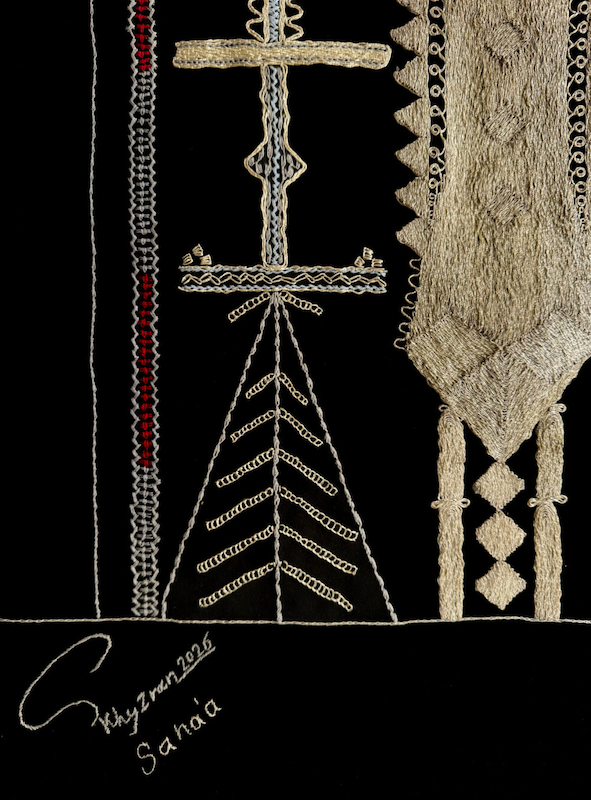 Fig. 5. Hand embroidery by Khayzaran.Interestingly, throughout the project we observed a generational difference in approach: older participants often explored their own creative expressions, while younger ones were particularly focused on mastering traditional embroidery and preserving their heritage.
An embroidery by Khayzaran, a highly competent embroiderer, now trainer, is the largest of the group (it measures 76 x 63 cm), displays a bold and confident signature (Fig. 5 detail showing), whereas Maqadeer’s piece (Fig. 1) is meticulous and disciplined, closely following the techniques passed down by previous generations.
Khayzaran originally set up YENOF’s embroidery programme with YENOF’s founder Nouria Nagi OBE. Khayzaran's creativity has been nurtured by Nagi and her dedication to involve artists in the development of the organisation’s education and embroidery programmes, including artist designer Mr Ajaweed, who has worked alongside YENOF’s embroidery initiative since its inception in 2013.
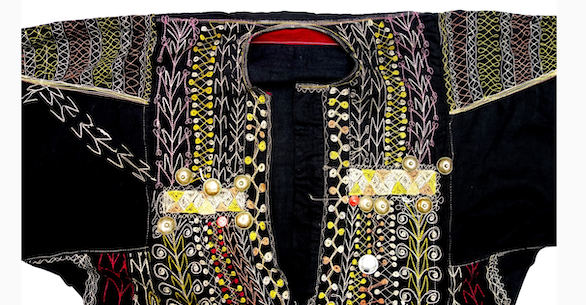 Fig. 6. Detail of a woman's dress from northern Yemen (TRC 2012.0382).In 2025 Khayzaran’s work was selected for the Affordable Art Fair’s special exhibition for Women History Month and Ex Votos a contemporary art show at Tank Magazine, curated by Rose Issa, London.
Two additional garments from the TRC collection were chosen for the preservation project: a dress from North Yemen (Fig. 6; TRC 2012.0382) and another from the Asir region, which borders Yemen to the northwest (Fig. 7; TRC 2005.0142a). The first features machine embroidery accented with buttons and amulets, while the second is distinguished by intricate beadwork.
 Fig. 7. Part of a woman's dress from Asir, southwestern Saudi Arabia (TRC 2005.0142a).Their rich and varied decoration made these dresses ideal teaching models for practical training workshops in beading, appliqué, and the addition of decorative elements, supporting the project’s goal of helping women develop new skills rooted in traditional dresses.
Nabata and Ameriya, two experienced embroiderers who have been with YENOF for many years, worked on the dresses. They quickly mastered the techniques which they started passing on to younger generations, sharing knowledge based on traditional pieces and inspiring new products —accessible, marketable items that contribute to family livelihoods (Fig. 8).
The project brought together dresses from across Yemen — including the governorates of Sana`a, Mahwit, Sa`ada, Al Jawf, Al Hudeida, Ta`iz, Hadramawt and Al Mahra - each revealing the country’s varied embroidery traditions. The intricate patterns and vibrant decorations offer a window into a rich cultural heritage, much of which remains to be documented and preserved to serve as a lasting source of pride and inspiration for generations to come.
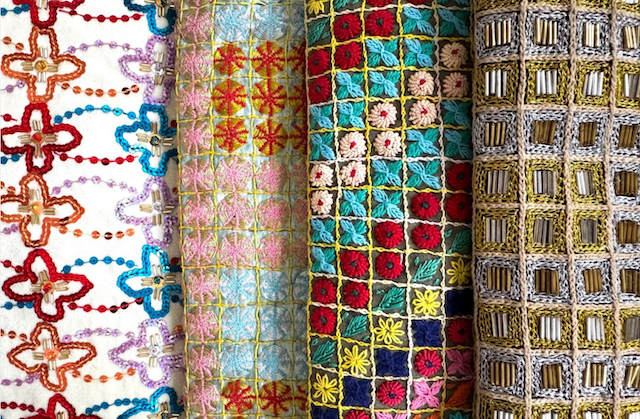 Fig. 8. Close-up of four pouches inspired by newly acquired skills.
22 March 2026. By Isabelle Caussé, IL-CI (Improving Livelihoods through Cultural Initiatives), London.
Instagram: ilci.org. Partner organisation: www.yenof.org