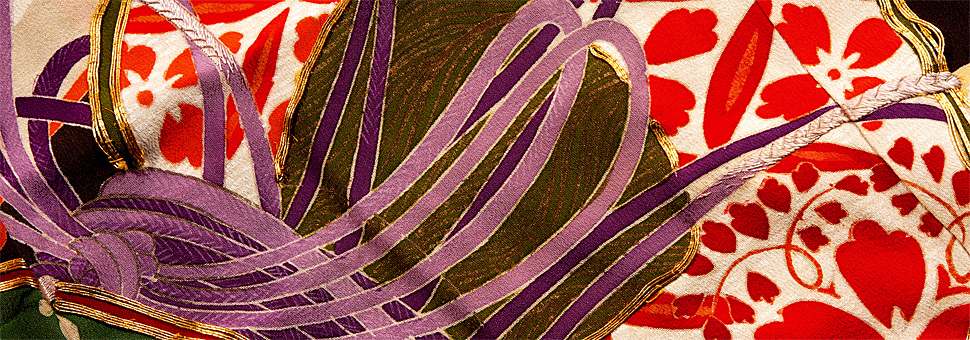

 Mantua, ca. 1760-1765, silk and linen, on display at the exhibition Femmes Fatales, at the Gemeente Museum in The Hague, the Netherlands.Saturday, 2nd February 2019, Shelley Anderson writes:
Femmes Fatales is an exhibition now on at the Gemeente Museum in the Hague (NL). It’s an exhibition with a difference, billed as the first exhibit in fashion history that concentrates on female fashion designers. It is a real must-see for anyone with an interest in fashion and in fashion history.
On display are clothes and sketches, all with excellent background information, from over twenty designers, including Coco Chanel, Jeanne Lanvin, Elsa Schiaparelli, Mary Quant, Vivienne Westwood, Rei Kawakubo and many others. Nor are Dutch women ignored: clothes designed by Fong Leng, Sheila de Vries and Iris van Herpen are prominently displayed.
The clothes date from 1750 to 2018, opening with over a dozen eighteenth century French dresses (mostly women’s silk gowns, occasionally mixed with cotton and/or linen). At this time in France male tailors belonged to prestigious (and better paid) guilds. Women seamstresses were restricted in both the materials they could work with and the type of clothes they could make. Seamstresses were forbidden to work with silk, and could only make upper garments for women and children’s clothes - but, in the case of boys, only if the boy was under eight years old.
This began to change in 1675 when wool seamstresses in Paris organised a women-only guild. (Interestingly, wool seamstresses in Amsterdam organised their own guild in 1579, but still had to pay dues to the tailors’ guild). As fashions changed, there were fights, sometimes physical, over whether men or women would be allowed to make the new designs.
I found the exhibition of clothes from the 1910s-1920s thrilling. This is when women created some of the great fashion houses of Paris. To see the actual work of pioneers like the Callot Soeurs, Chanel and Madeleine Vionnet, was exciting. These clothes were as innovative then as van Herpen’s 3D printed and laser cut dresses, or Kawakubo’s bizarre mathematical creations are today.
The exhibition is a powerful statement of women’s creativity. “Femmes Fatales: Strong women in Fashion” is on until 24 March 2019.