• F3
  • F4
  • F1
  • F2

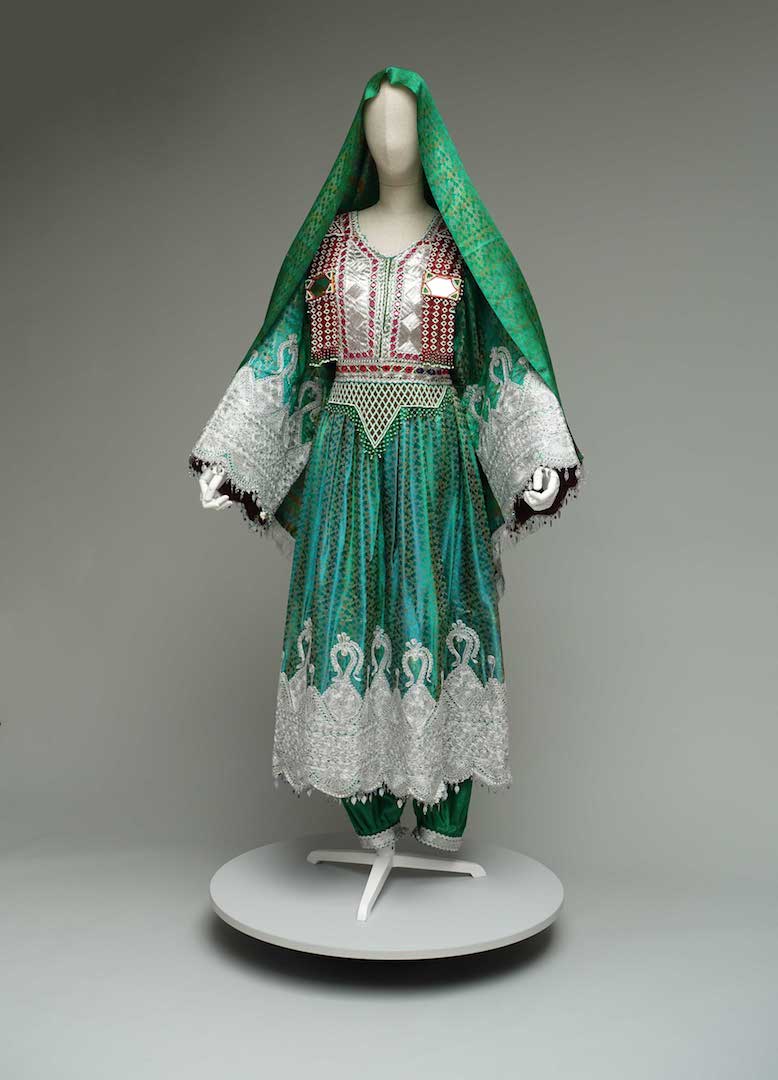
Pashtun woman's wedding outfit, prepared for 360-photography. Photograph by author.Pashtun woman's wedding outfit, prepared for 360-photography. Photograph by author.The TRC and Modemuze collaborated on a project last week during which a selection of ten outfits/objects from the TRC Collection were photographed from all angles, to generate an online, 360-degrees image. Modemuze is a fascinating platform connecting different museum collections from across the Netherlands and Belgium, aiming to tell the stories about all these objects of Fashion.

On our side, clothing from a wide variety of countries were selected to give an insight into the diversity of our pieces: India, Pakistan, Afghanistan, Yemen, Japan, Germany, Morocco, the Netherlands and Palestine. As the curator on call, I was to help decide on the selection of pieces and mount them on mannequins to be photographed.

Each item was fitted on a mount, and set up meticulously on a turn-table in front of a backdrop. Then, as the turntable rotated the object, a camera would photograph it from every angle.
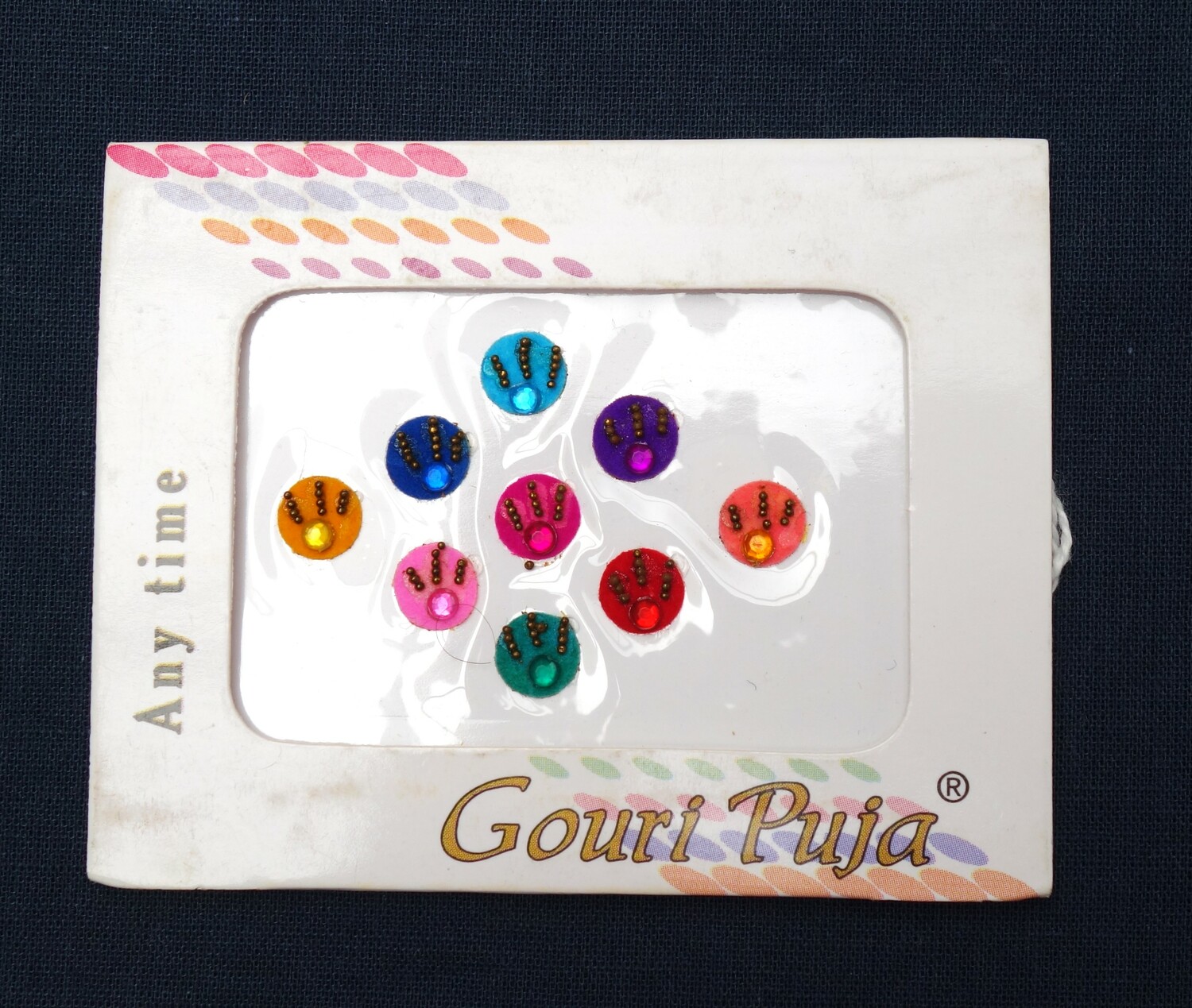
I recognised them straight way when going through the TRC collection: bindi stickers (TRC 2014.0519). As a child, I used to stick them on my forehead during dress-up parties with friends. I knew they were something Indian, but my understanding did not go much further than that. Now, seeing them again at the TRC, in a completely different context, I find myself curious about what they actually mean.

Bindi set from India. Early 21st century. TRC 2014.0519.Bindi set from India. Early 21st century. TRC 2014.0519.

Besime Alikisioglu, Master's student at Leiden UniversityBesime Alikisioglu, Master's student at Leiden UniversityAs a Museum Studies master’s student from Turkey, at Leiden University, I was overwhelmed when I saw the large Turkish collection recently donated to the Textile Research Centre (TRC) in Leiden (for two previous blogs on the subject, see 9 June and 2 July). I felt a mix of excitement, amazement, and emotion. I was impressed by the variety and the care taken with the items.

Born and raised in Istanbul, I grew up visiting Topkapı Palace and the Istanbul archaeological museums, a habit that continued during my years as an Art History student. The collection felt like drawing a historical chronology, each garment a fragment of Anatolia’s layered past, stitched with memories of Ottoman heritage, rural traditions, and shifting borders.

What struck me most was the incredible range of objects included, garments, jewellery, and çarık (leather shoes), not only from Turkey but also from surrounding regions such as Syria, Armenia, and even Central Asia, reflecting the deep interconnection of cultures across time and space. This was not just a donation of fabric and fibre; it was a gift of memory, craftsmanship, and identity, and it resonated deeply with my own academic and personal journey.

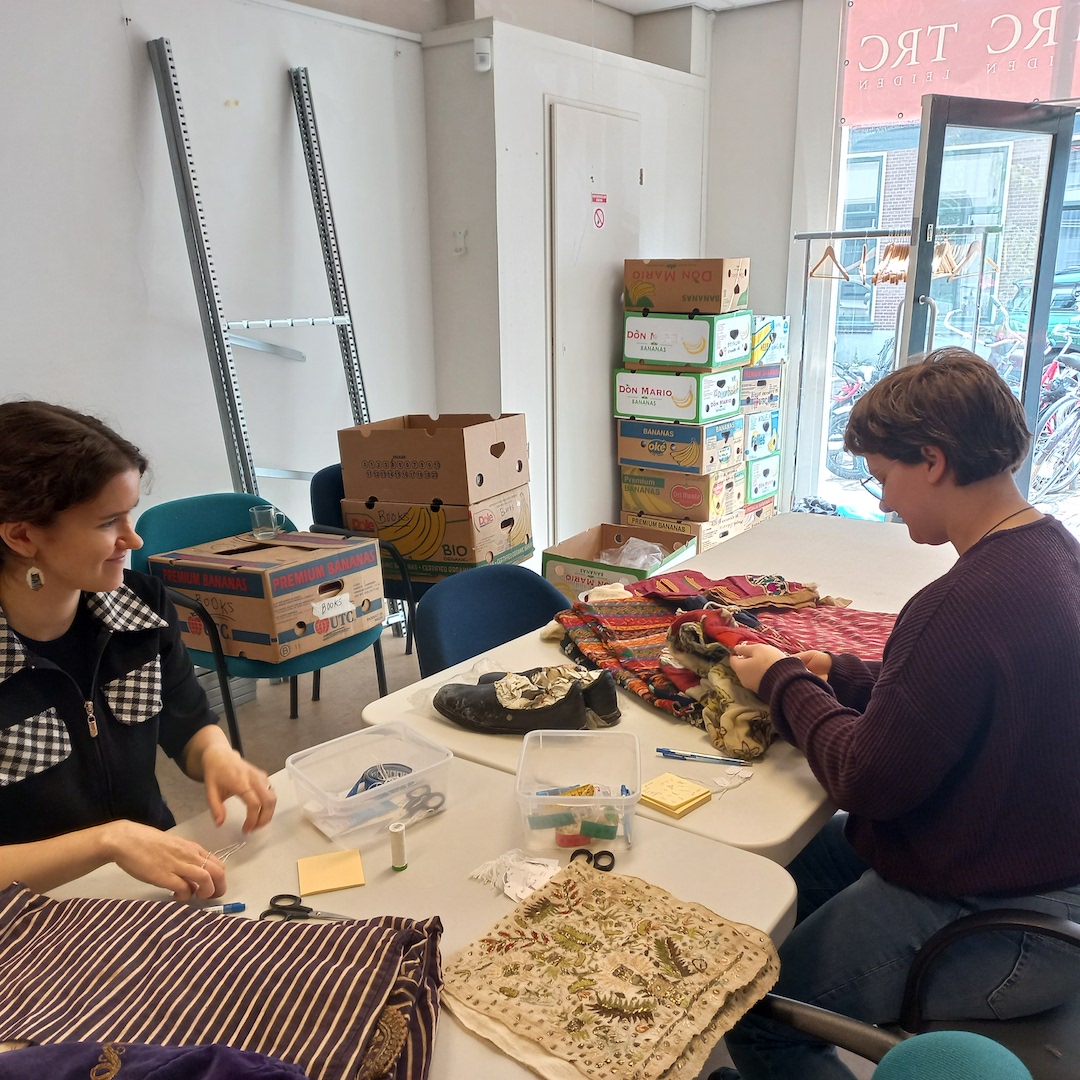
Fig. 1. TRC interns ctaloguing Turkish garments recently donated to the TRC (photograph by author).Fig. 1. TRC interns ctaloguing Turkish garments recently donated to the TRC (photograph by author).Followers of the TRC blogs will know that we have collected a first group of a large collection of Turkish garments donated to the TRC. Since then, a group of volunteers and students have been busy tagging, registering, and photographing the garments (see previous blog).

The theme of the collection is the Ottoman Empire, which covered, at its height, a vast area including Southeast Europe, West Asia, North Africa and parts of the Arabian Peninsula, from about 1299 until 1919. It still has an influence, beyond Turkey, on the material culture of much of the Middle East and parts of Eastern Europe, especially the Balkan region.

The first group, which we collected three weeks ago, included women’s outfits from Beypazari, Balikesir, Eskişehi, Keles, Konya and Seyi. The first 233 items are now online and there are many more pieces to be added to the database over the next month or so.

Last Thursday (26 June), as participants of the TRC’s 5-day Intensive Textile Course were making their own samples of velvet, we had the honour to welcome Dian Oerip, with her son, together with Nova Burdo-Marseline (Fig. 1).

They had been looking for the ‘Textile Museum’, which is listed by Google Maps as being on the Hogewoerd here in Leiden! What Google means is of course the TRC. They were initially disappointed that the TRC is not a museum, and that currently there are no exhibitions for the public to see (this is not the first time that visitors to the city have come looking for the Leiden Textile Museum!).

Fig. 1. Surprise visit of Indonesian weaver at the TRC Five-day Intensive Textile Course, June 2025Fig. 1. Surprise visit of Indonesian weaver at the TRC Five-day Intensive Textile Course, June 2025

Recently some very interesting objects arrived at the TRC, kindly donated by Jasja Kotterman and family. As an intern at the TRC, I was asked to enter the objects into the TRC collection catalogue, tagging them and entering details, such as materials, country of origin, and techniques. Sometimes part of our work for the catalogue is also to identify what, exactly, the item is and how it is used. At times, such as in the case of these new objects, this involves looking deeper into their social and cultural significance and history under the TRC focus of ‘dress and identity’.

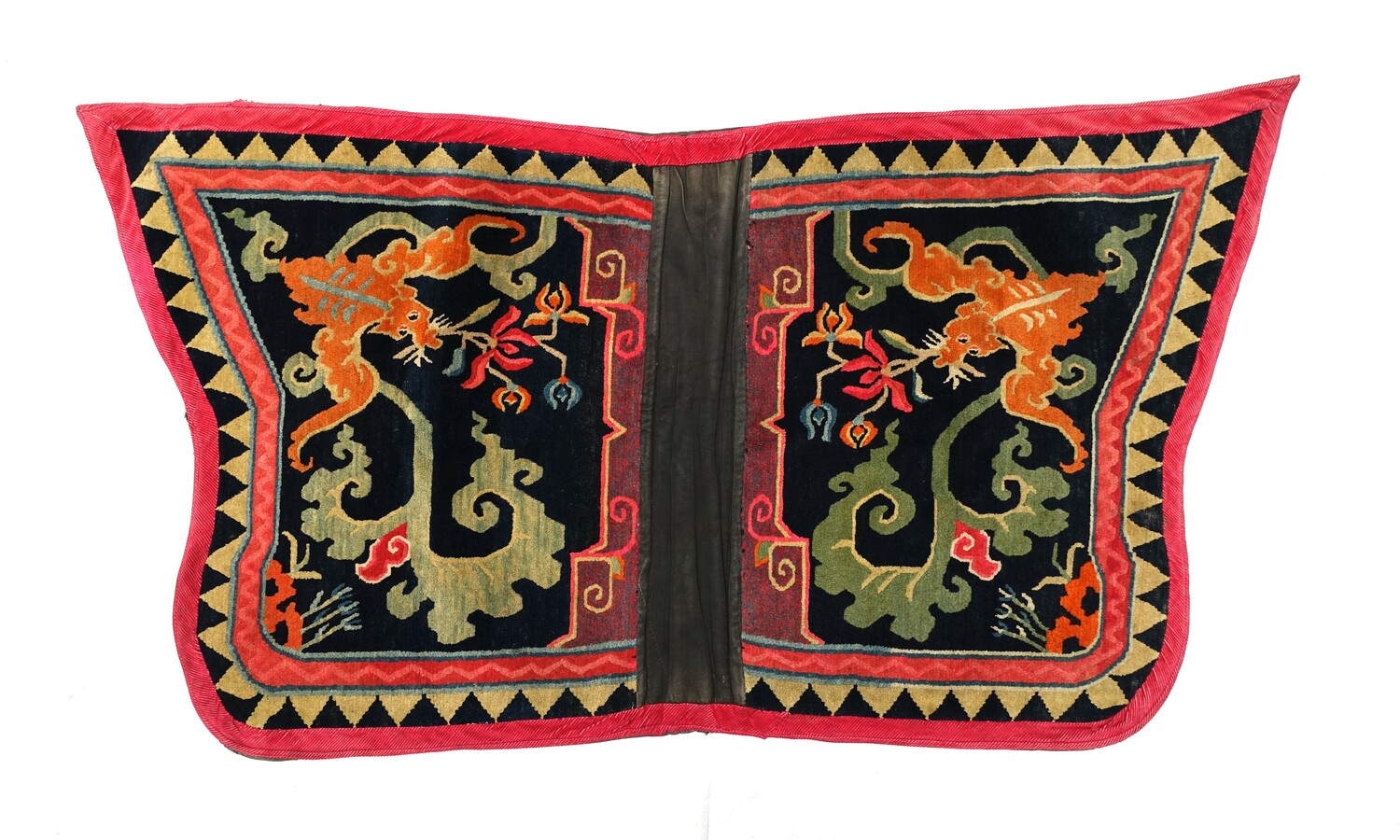
Fig. 1. Tibetan saddle rug (TRC 2025.0765a).Fig. 1. Tibetan saddle rug (TRC 2025.0765a).

Boxes with part of the Turkish collection, brought in from Belgium on 8th June, ready to be catalogued and photographed from Monday 9th. Photograph by author.Boxes with part of the Turkish collection, brought in from Belgium on 8th June, ready to be catalogued and photographed from Monday 9th. Photograph by author.“Things happen at the TRC” is how someone recently described us, and I cannot disagree. Sometimes ‘things’ are expected, sometimes not at all, and an example of unexpected ‘things’ just occurred a few days ago.

Last week we got an email from a friend who referred to the Kavak Costume Collection, asking what we knew about it. The answer was simple: nothing at all. It turns out to be a private collection based in Belgium. When I checked their website I was surprised by the range of Anatolian/Turkish outfits and garments for men and women, as well as items from Armenia, Syria, Yemen, Uzbekistan, India, etc.

The collection includes individual garments, outfits, jewellery, footwear such as hand knitted socks and shoes, as well as hair ornaments. The objects range in date from the late 19th century to about 2000 and show how materials, colours, textures, as well as tastes have changed and developed over the decades.

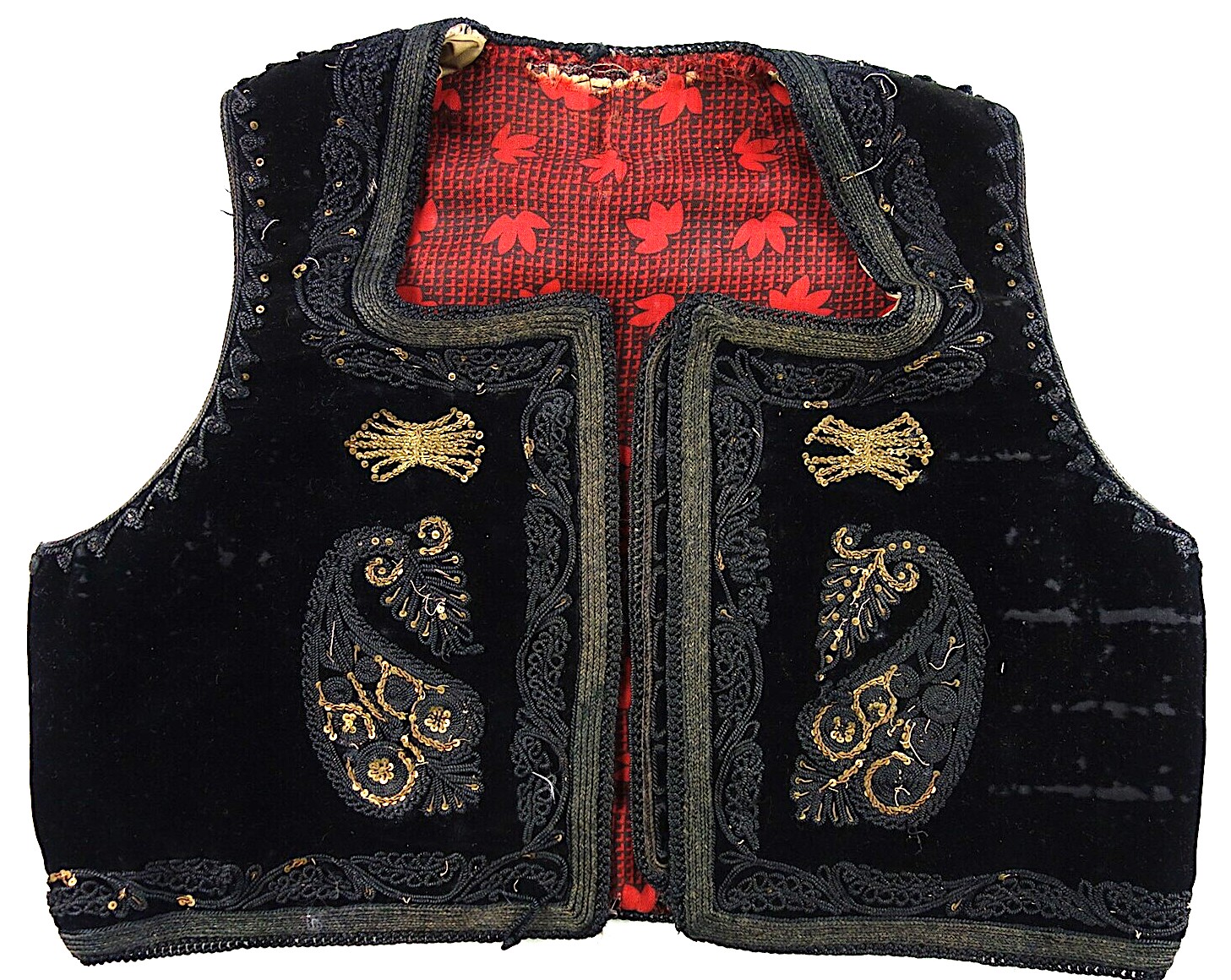
Fig. 1. Serbian woman's waistcoat from the late 19th or early 20th century (TRC 2010.0065).Fig. 1. Serbian woman's waistcoat from the late 19th or early 20th century (TRC 2010.0065).At the end of March, I wrote a blog about a collection of garments from former Yugoslavia, donated by Annelies van Eijk-Kuiper and collected by her sister Jet Kuiper in the 1970s. In that blog, I explained my initial findings trying to determine the provenance of the items.

Cultural institutions, such as the TRC, often face the expectation to be experts in everything we own. One of our strengths, however, is the diversity of our collection, and Dr. Vogelsang-Eastwood has taught us that the term "expert" implies that we know everything about a topic, which is of course as unrealistic as it sounds. We certainly don't know everything, far from it!

Search in the TRC website

Contact

Boerhaavelaan 6
2334 EN Leiden.
Tel. +31 (0)6 28830428  
office@trcleiden.org 

facebook 2015 logo detail 

instagram vernieuwt uiterlijk en logo


Bank account number

NL39 INGB 0002 9823 59, in the name of the Stichting Textile Research Centre.

TRC closed until 4 May 2026

The TRC is closed to the public until Monday, 4 May 2026, due to our move to the Boerhaavelaan. The TRC remains in contact via the web, telephone and email. For direct contact and personal visits, please contact the TRC at office@trcleiden.org, or by mobile, 06-28830428.

Donations

The TRC is dependent on project support and individual donations. All of our work is being carried out by volunteers. To support the TRC activities, we therefore welcome your financial assistance: donations can be transferred to bank account number (IBAN) NL39 INGB 000 298 2359, in the name of the Stichting Textile Research Centre. BIC code is: INGBNL2A.

 You can also, very simply, if you have an iDEAL app, use the iDEAL button and fill in the amount of support you want to donate: 


Since the TRC is officially recognised as a non-profit making cultural institution (ANBI), donations are tax deductible for 125% for individuals, and 150% for commercial companies. For more information, click here