• F4
  • F2
  • F1
  • F3

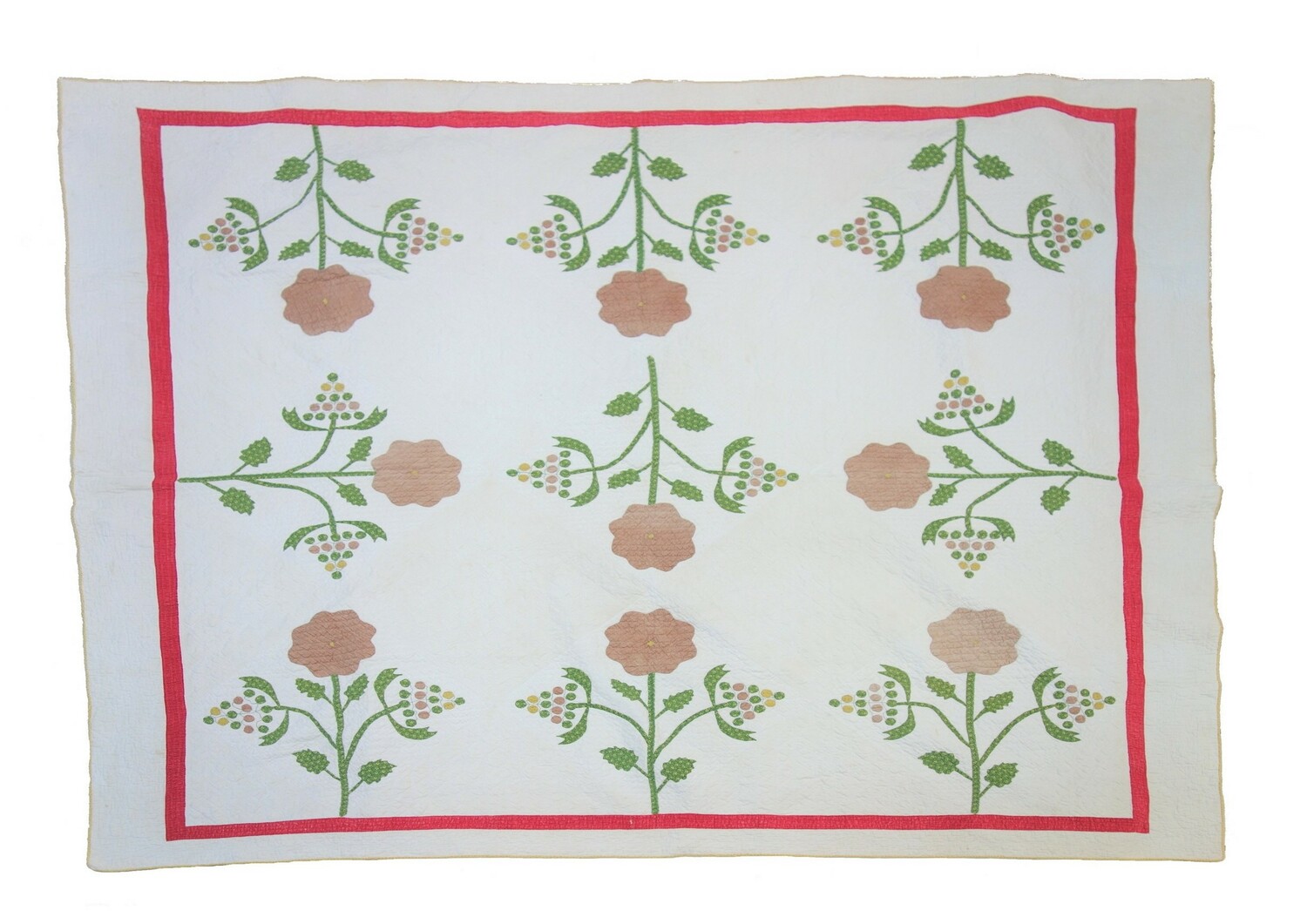
Fig. 1. Quilt with an appliqué version of a ‘Flower and Berries’ design (1850’s – 1860’s; USA). TRC 2019.2402.Fig. 1. Quilt with an appliqué version of a ‘Flower and Berries’ design (1850’s – 1860’s; USA). TRC 2019.2402.Last weekend the TRC was open to the public as part of the national Open Monumenten Dagen (OMD). We welcomed over 300 visitors who were shown around the building and enjoyed the various exhibitions.

One of the questions that was asked by an American visitor was: did we have any quilts? What she meant was American-style (bed) quilts. Well, we have a range of quilts, plus a selection of quilt patterns, samples and unfinished blocks. More specifically, we have over 100 American quilts in our collection that date from the 1840s to the present day and represent many different forms.
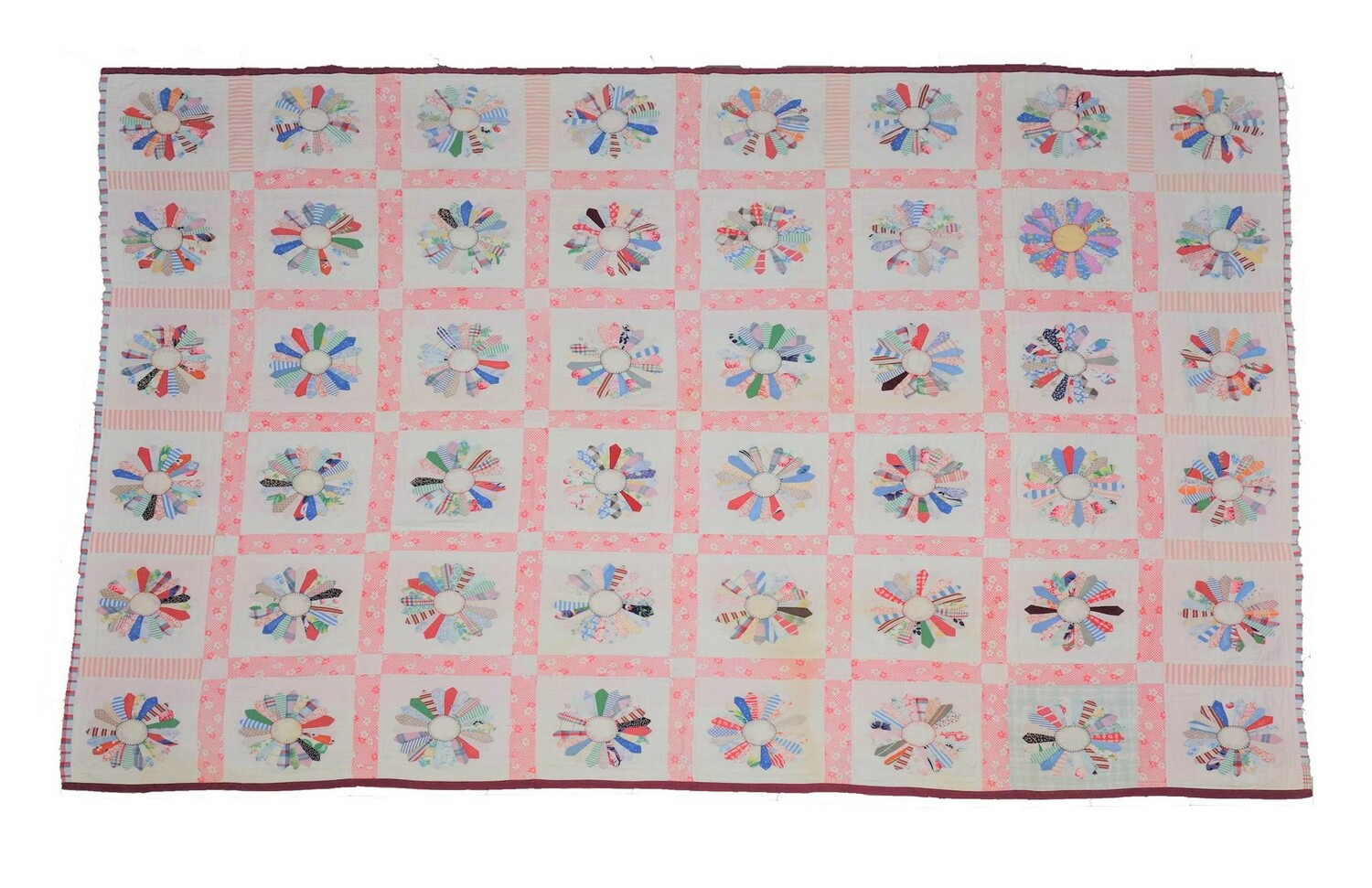
Fig. 2. Dresden Plate quilt (1930s, USA). TRC 2018.2629.Fig. 2. Dresden Plate quilt (1930s, USA). TRC 2018.2629.The TRC houses one of the few public collections of American quilts in this part of Europe, and the blankets are included in the American Quilt Index. Some years ago, to mark this point, the TRC mounted an exhibition about American quilts. We opened the exhibition in February 2020, but alas, very few people could come and see it due to the Covid Crisis.

The TRC collection includes a wide range of forms of American quilts (Figs. 1-3), from practical, Amish items to more decorative, elaborate examples, but we are far from being able to offer a complete picture. We are still looking for early 19th century examples, and a few specific types, such as Baltimore Album quilts, Hawaiian quilts, Mormon (LDS) quilts, and modern Art quilts.
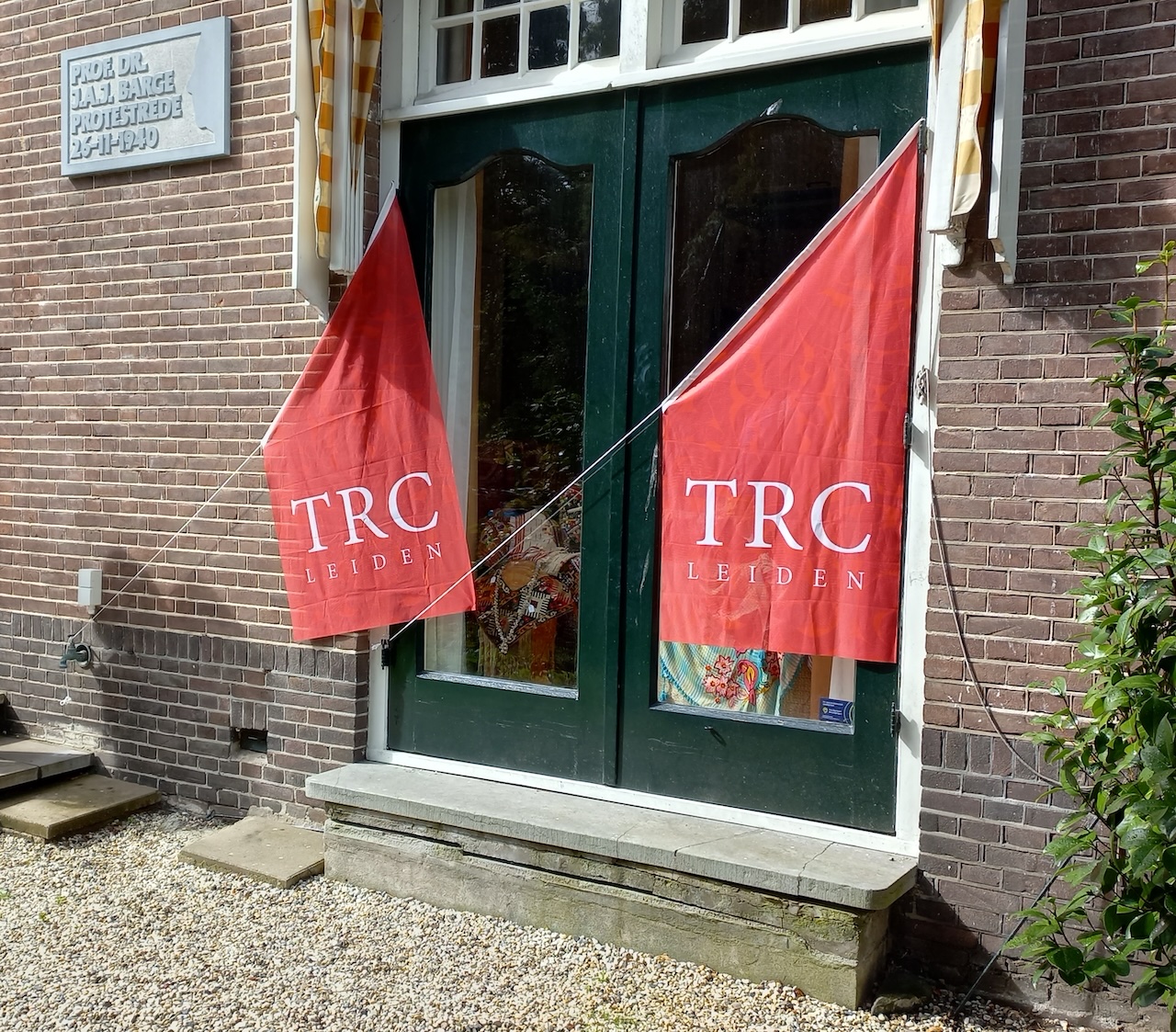
We have just had the second Open Monumenten Dagen (OMD) day (Sunday, 13 September), which was from 10.00 until 17.00 and we are all very, very tired! I am glad that the OMD is only once a year, but it is well worth it for getting people interested in what the TRC is doing and why.
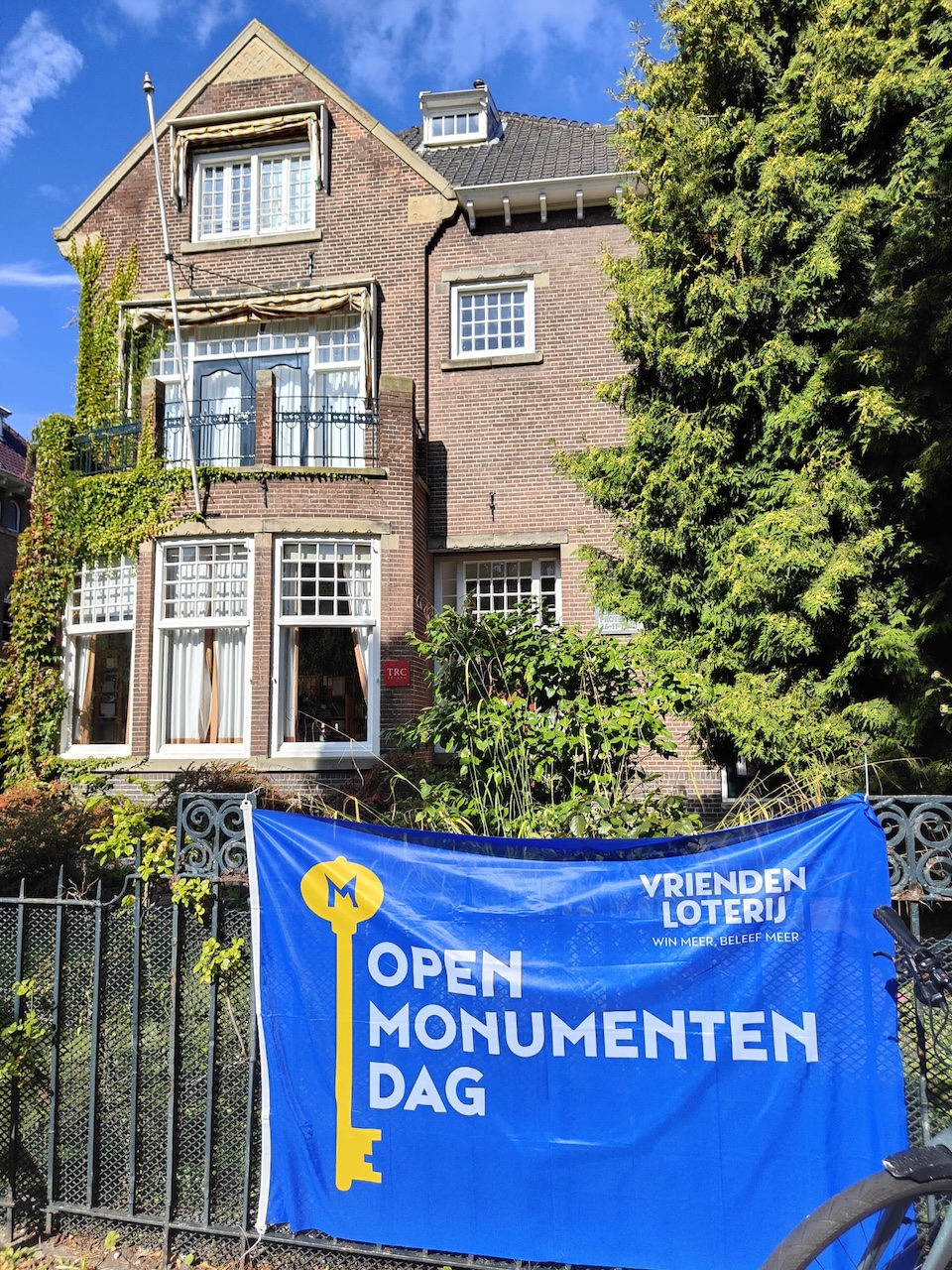
Yesterday we had 111 visitors and today 214 people came to see Boerhaavelaan 6 (B6), giving a total of 325 over the weekend. Again there were people who live on the street or nearby, who were simply curious about the building and the family who had lived there for over 100 years. Many people came for the architectural history of the building, while others came for the textiles and to see what the TRC is and is doing.

There were five TRC volunteers present and we all had a chance to talk with visitors, answer questions, and help with the shop, so plenty of opportunities to tell everyone about what we are doing and why. In addition we were able to talk with teachers from here in Leiden, people from Leiden Council, as well as others working with local commercial groups. In other words, a great opportunity for people to see the TRC in action and its potential as a local and international centre for textile and dress studies.

Boerhaavelaan 6Boerhaavelaan 6(Gillian Vogelsang, 12 September) We have finished our first day of the Open Monument Weekend (Open Monumentendagen), which is a national event where people can come and look at various forms of monumental buildings, from factories to cathedrals, via churches and castles. Not to mention, public and private buildings of various types and ages.

The TRC was opened last year and we agreed to be open again this year, as it is a great way for people to see the building (Boerhaavelaan 6) and to learn about the TRC and what we are doing. Today we were open from 12.00 until 17.00 and we had over 100 visitors. The first, actually came at 10.30 as the banner was in situ and the door open!

There was a constant flow of visitors from 11.30 onwards. Most people came to see the building, for example, there were some who had lived on or near the Boerhaavelaan and simply wanted to see what the house looked like on the inside. Others were interested in the architect, Jesse, who was involved in building both the house and its extension.

But there was an equal number who had heard about the TRC via the local newspapers, online (especially LinkedIn), etc., and wanted to learn more about what we are doing and why. The shop was open and many items sold to visitors, another way of helping to support the TRC! Various people took the new TRC brochure with the promise to make a donation. There were also a number of people who are now seriously thinking about becoming a volunteer and helping with the day-to-day running of the TRC.

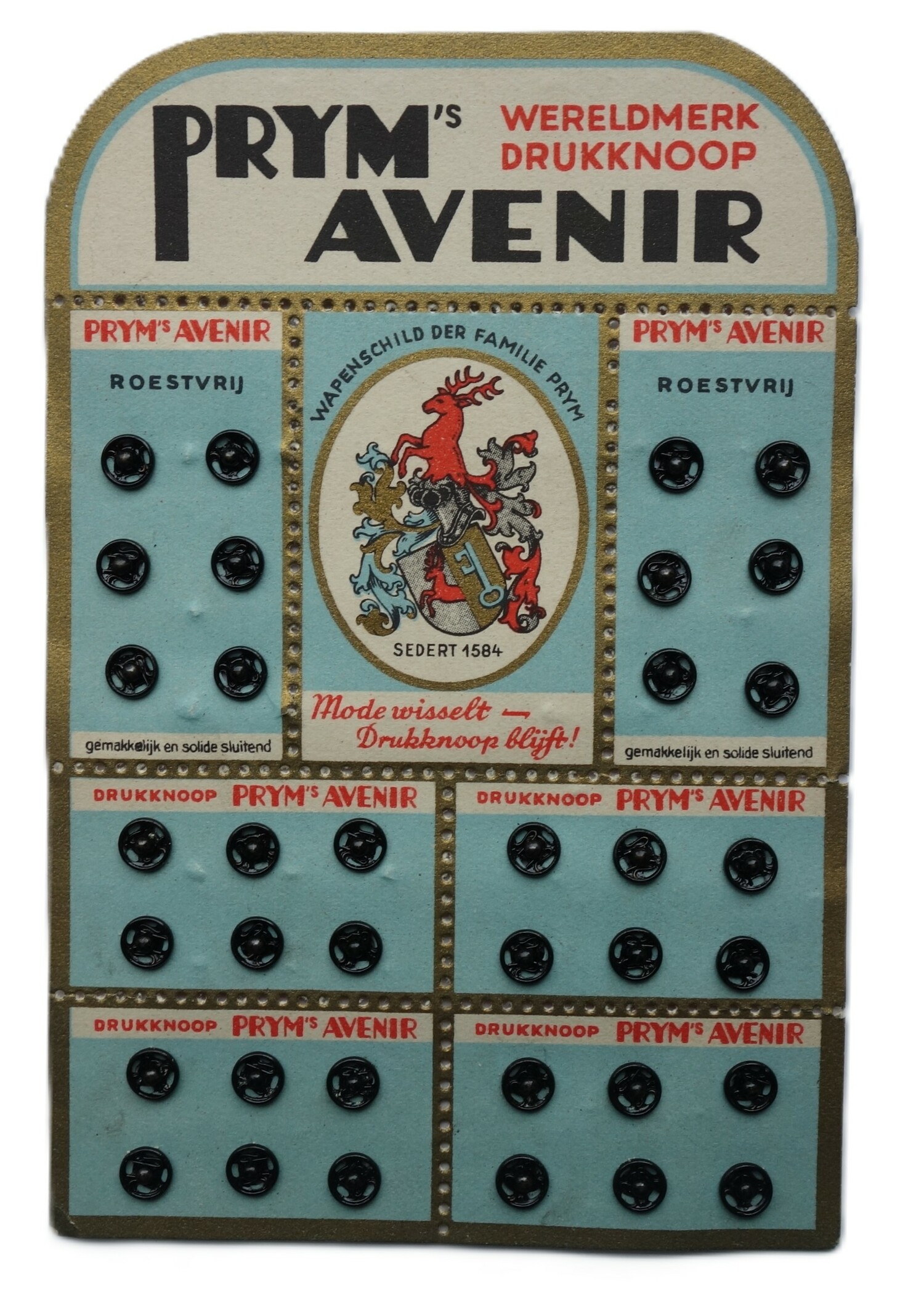
Fig. 1. Card with 6x six black press studs. There is a printed text that states: "PRYM'S AVENIR WERELDMERK DRUKKNOOP", Germany, produced for the Dutch market, early 20th century (TRC 2026.2008).Fig. 1. Card with 6x six black press studs. There is a printed text that states: "PRYM'S AVENIR WERELDMERK DRUKKNOOP", Germany, produced for the Dutch market, early 20th century (TRC 2026.2008).(Gillian Vogelsang, 9 Sept. 2026) Over the years I have become intrigued with some ‘strange’ items in the TRC collection, but I never expected to become interested in that everyday item, the press stud! Perhaps I was drawn to this subject when I realised that, in 2021, I wrote a blog about medieval hooks and eyes now in the TRC Colleciton.

But back to the press studs. I am currently cataloguing various forms of fastenings, not only the press studs, but also hooks and eyes, and buttons, that were given to the TRC by Hennie Stevan-Bathoorn and Sjoerd Stevan of the former Museum voor Naaldkunst, Winschoten, here in the Netherlands.

Press studs are often used instead of buttons to fasten various items, including soft furnishings, as well as a wide range of garments from underwear, to blouses, aprons, trousers, coats and skirts, headwear, gloves and footwear (Fig. 1). They are a hidden form of fastening, and easy to use. There are different grades of press studs, from those suitable for a child to military grade forms used for parachute harnesses, etc. Press studs are also sometimes used to decorate items. In the TRC Collection, for example, there is a child’s embroidered cap from Pakistan that is embellished with buttons, coins and press studs (compare TRC 2026.1897).

The donation includes a folder with various cards of press studs that were produced by different manufacturers. I have never really looked in detail at these small, but useful items before, but I started to wonder about the history of these items as well as looking again at the press studs in the collection, and at a range of garments that are fastened with such studs.

Well, to start with, the press studs (UK) have different names in the (English-speaking) world. In the US, for example, they are called snap fasteners, snaps, or snap buttons. Elsewhere they are sometimes called poppers, tich buttons or dome fasteners.

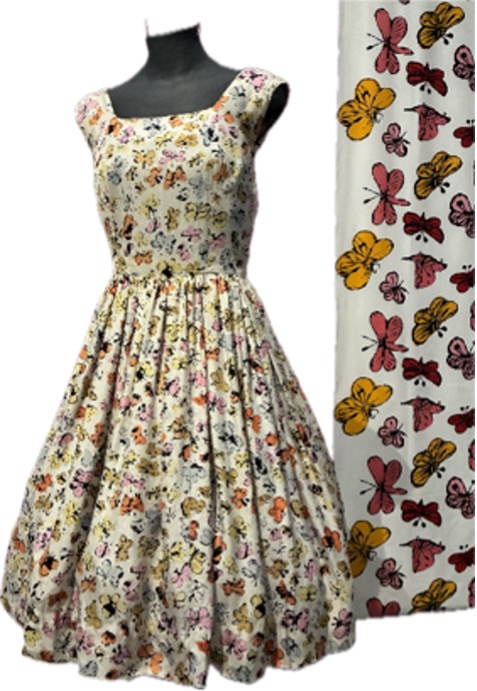
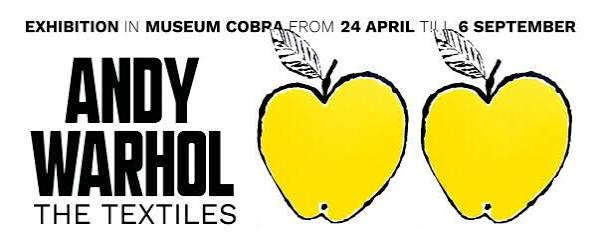
Poster for the Andy Warhol exhibition, now extended until 8 November. Museum Cobra, Sandbergplein 1, Amstelveen.Poster for the Andy Warhol exhibition, now extended until 8 November. Museum Cobra, Sandbergplein 1, Amstelveen.Until Sunday, 8 November 2026, Museum Cobra in Amstelveen in The Netherlands presents an exhibition with the title 'Andy Warhol, The Textiles'. TRC friend and volunteer, Loren Mealey, went to see the exhibition in Amstelveen and she wrote the following blog:

When we think of Andy Warhol, we think of Campbell’s Soup Cans, Coca-Cola bottles, Marilyn Monroe and the bright, bold world of Pop Art. Before all of that, though, Warhol was illustrating something quite different: textiles.

Left: “Happy Butterfly Day”. Printed silk, circa 1955-56. Manufacturer unknown; Right:  “Large Butterflies”. Printed cotton, circa 1955-56.  D. B. Fuller & Co., Inc.Left: “Happy Butterfly Day”. Printed silk, circa 1955-56. Manufacturer unknown; Right: “Large Butterflies”. Printed cotton, circa 1955-56. D. B. Fuller & Co., Inc.In the 1950s and early 1960s, long before he became one of the most recognisable artists of the twentieth century, Warhol was a successful commercial illustrator and graphic designer in New York City. He created playful textile patterns filled with ice-cream cones, candy apples, lemons, butterflies, flowers, pretzels, shoes, buttons and even circus clowns. They are cheerful, whimsical and unmistakably of their time. If observed closely, you can already see the beginnings of the Warhol we know today.

What is particularly appealing about these designs is their colourful combination of simplicity and repetition. Warhol took an ordinary object, reduced it to its essential shape, and then repeated it across the fabric. The same butterfly might appear again and again, but each one will show a tiny difference. A line shifts. A shape changes slightly. A colour lands differently.

Then there is the line. Warhol had developed his distinctive “blotted line” technique while still a student and refined it during his years as a commercial illustrator. The process was quite simple. He traced an image in ink on a non-absorbent sheet and then pressed it against another sheet of paper, transferring the ink. The result was a broken, slightly uneven line: part drawing, part print.

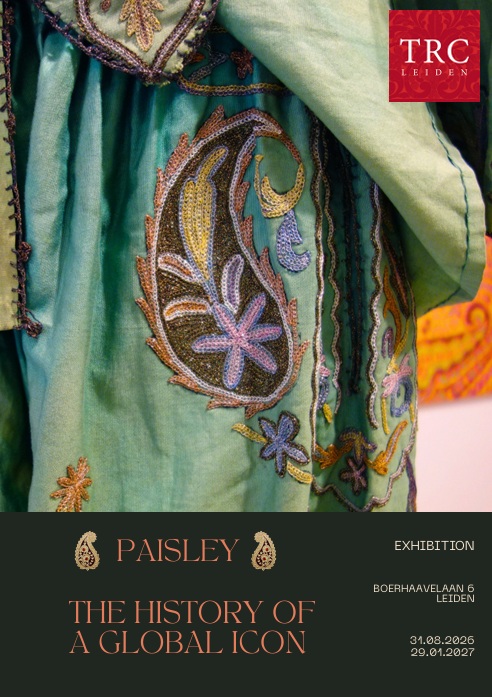
On 31 August, the TRC opened its doors for a new exhibition: Paisley: The History of a Global Icon (by the curator, Augusta de Gunzbourg)

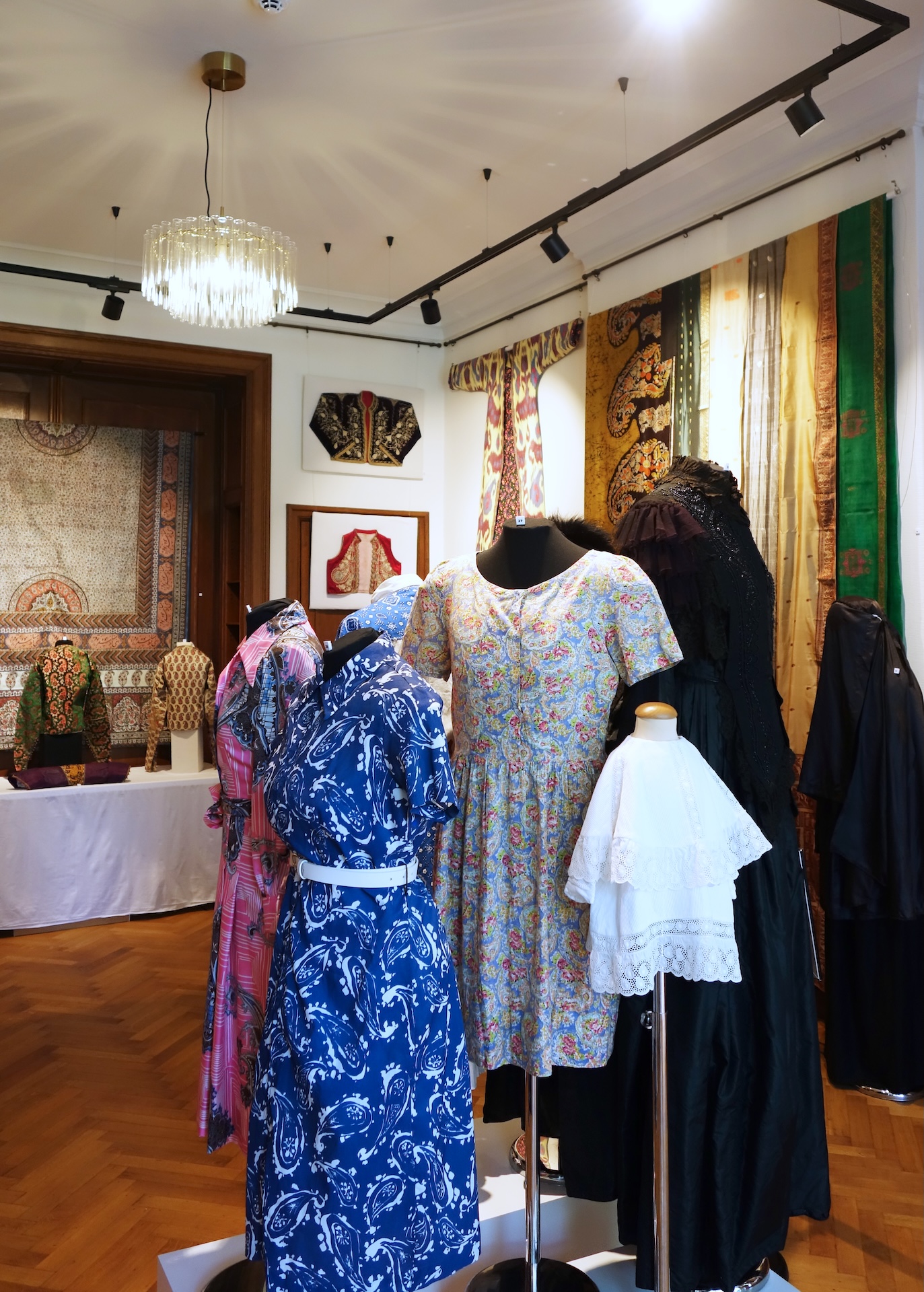
The new Paisley exhibition at the TRC. Photograph by the curator, Augusta de Gunzbourg.The new Paisley exhibition at the TRC. Photograph by the curator, Augusta de Gunzbourg.We all know the motif, that cone shape that is curved at the top, which is found on Kashmir shawls, men’s ties, 1970’s hippie prints, or even on cowboy bandanas. Paisley is everywhere !

It is so well-known that it is generally accepted as just being one of those patterns that have always been there, but we rarely think think about its origins and why it is so popular all over the world.

The TRC exhibition is a re-edited, expanded version of one of its past, and online exhibitions (interrupted by the COVID-pandemic) about the famous Paisley motif, and this time mounted in the TRC's new premises along the Boerhaavelaan (No.6) in Leiden.

The exhibition explores the history of the Paisley motif, its ancient origins and its development to the present day. It also looks at how it is currently used for a wide variety of textiles and garments all over the globe.

Click on the illustration to open the brochure.Click on the illustration to open the brochure.The TRC has made a new brochure about its background, its vision, and its intentions for the future. The brochure is especially aimed at European companies and individuals that want to support the TRC. The brochure also lists the countries where the organisation 'GivingEurope' can help the potential sponsors with information about attractive tax benefits.

These countries include Belgium, France, Germany, Great Britain, Italy, Luxembourg, Portugal, Spain, Switzerland. The brochure also gives information about sponsors from the. USA, who can direct their donations via Myrad USA, which will organise the tax benefits. Potential sponsors from The Netherlands can address the Cultuurfonds.

Joost Kolkman and Ray Raymakers produced a lovely brochure about the TRC, but also about the importance and attraction of textiles. The brochure can be downloaded here. A printed version is also available, and can be obtained from the TRC.

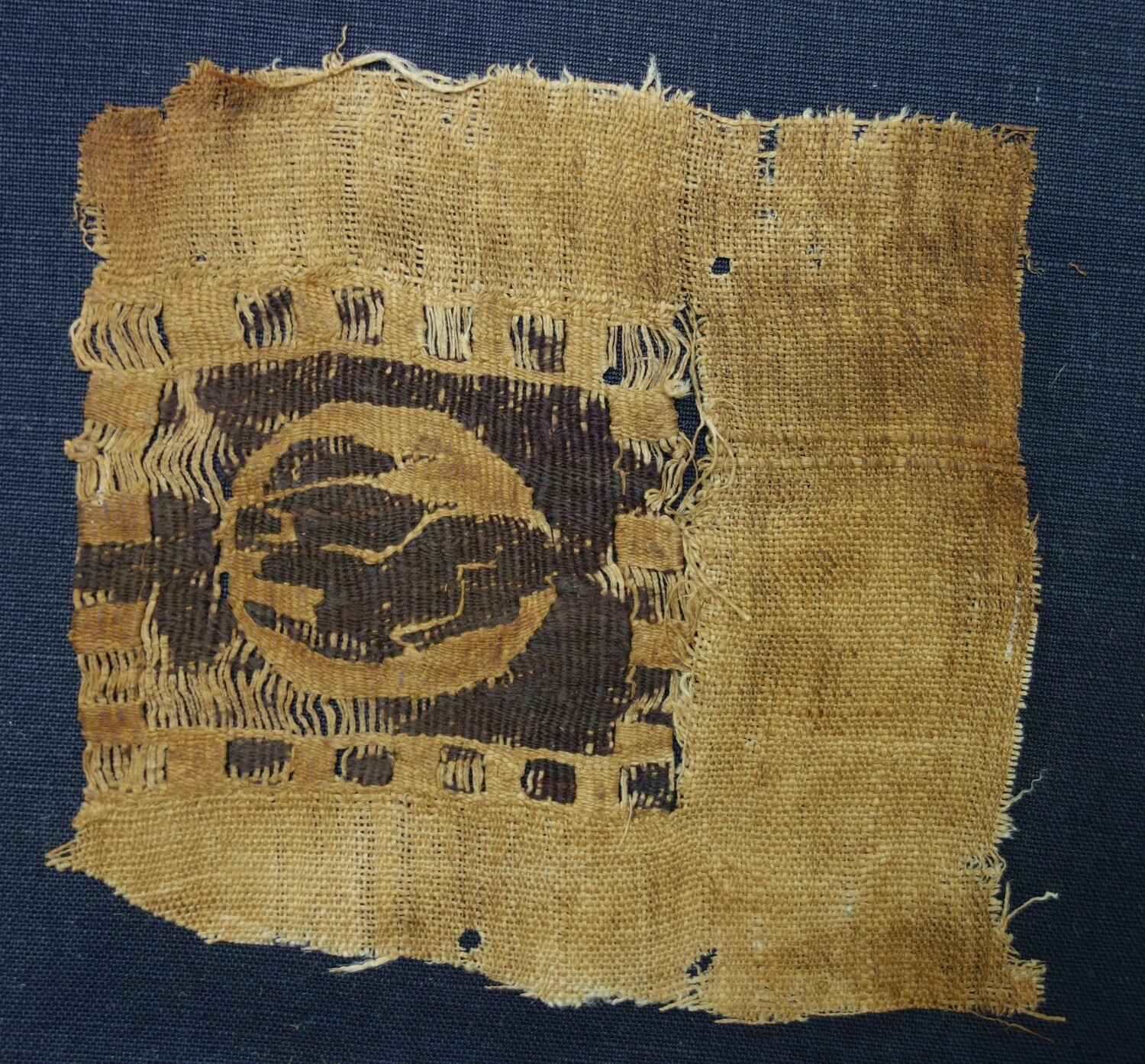
Tapestry fragment from Coptic Egypt, c. 4th century AD (TRC 2025.0012), Titia Huisman bequest.Tapestry fragment from Coptic Egypt, c. 4th century AD (TRC 2025.0012), Titia Huisman bequest.Are you a lover of textiles? Have you been to the TRC and enjoyed your visit? Do you want to support the future of textile and clothing studies and education, both here in the Netherlands and elsewhere?

If yes, then please think about including the Stichting Textile Research Centre (TRC Leiden) in your testament. We are a Culturele ANBI, which means any donation made within the Netherlands is exempt from inheritance tax, so 100% of your donation would come to the TRC!

Please note that a hand-written document is not allowed. This type of donation in a will needs to be drawn up by a notary. You will need the following information: Stichting Textile Research Centre, Boerhaavelaan 6, 2334 EN, Leiden, The Netherlands, registered with the Dutch Chamber of Commerce under the number 41168554.

We have already been mentioned in various wills with respect to the donation of objects, but funding is equally important to make sure that our many activities can continue!

Something to think about! For more information please do not hesitate to get in contact with me, Dr Gillian Vogelsang-Eastwood at This email address is being protected from spambots. You need JavaScript enabled to view it.

Search in the TRC website

Contact

Boerhaavelaan 6
2334 EN Leiden.
Tel. +31 (0)71 5134144 (office hours)  
office@trcleiden.org 

The TRC is open every week-day from 10.00 to 15.00

facebook 2015 logo detail 

instagram vernieuwt uiterlijk en logo


Bank account number

NL39 INGB 0002 9823 59, in the name of the Stichting Textile Research Centre.

Donations

The TRC is dependent on project support and individual donations. All of our work is being carried out by volunteers. To support the TRC activities, we therefore welcome your financial assistance: donations can be transferred to bank account number (IBAN) NL39 INGB 000 298 2359, in the name of the Stichting Textile Research Centre. BIC code is: INGBNL2A.

 You can also, very simply, if you have an iDEAL app, use the iDEAL button and fill in the amount of support you want to donate: 


Since the TRC is officially recognised as a non-profit making cultural institution (ANBI), donations are tax deductible for 125% for individuals, and 150% for commercial companies. For more information, click here