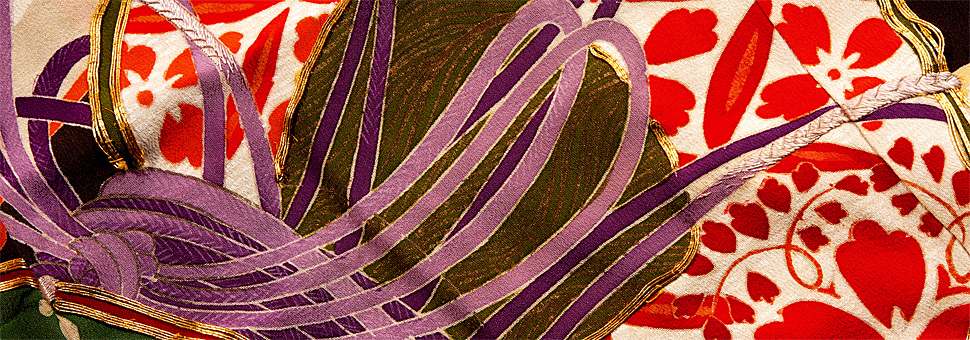

Tie and dye samples from Taiwan
A few years ago the TRC received several tie-and-dye samples from Zhuo Ye Cottage (Taiwan) in 2019 (TRC 2019.2177 to TRC 2019.2182). The samples are cotton textiles dyed with indigo, a natural dye extracted from plants such as Strobilanthes cusia (known as “Malan” in Taiwan). Other plant sources also referred to as indigo, include species from the legume family (Indigofera tinctoria L.) and the knotweed family (Polygonaceae), such as Polygonum tinctorium Aiton (also known as Persicaria tinctoria (Aiton) H. Gross).
Indigo is a widely used dye because it produces a deep blue colour that lasts well over time. Among natural plant dyes, indigo is the only one that needs a special fermentation and chemical process to make the dye work. It cannot be produced in the way that is applied to most of the other dye plants, by simply boiling or soaking the plant (Lai, 2016).
The process of making Indigo (Taiwan):
In Taiwan, making indigo dye consists of turning the leaves into a special kind of “blue mud” (藍靛 lán diàn、藍泥) that can dye a fabric. First, the leaves are soaked in water to release their colour. Then, substances such as lime are added, and the liquid is stirred, in order to introduce oxygen. This causes a blue pigment to form which sinks to the bottom. After resting for 1-2 days, the blue mud sediment is collected and turned into a paste. Finally, the paste is fermented with ingredients such as ash water, sugar, or alcohol, to create a dye bath that can be used to colour the textiles.
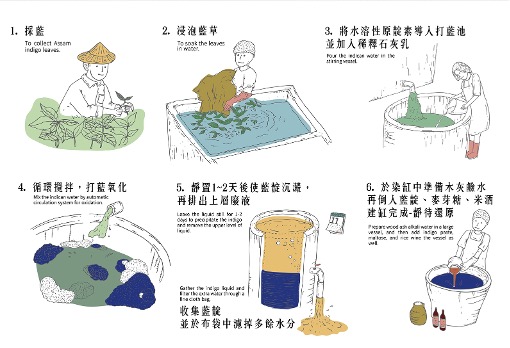 Fig. 1. Process of indigo dye production. Source: Zhuo Ye Cottage Indigo Dyeing Workshop. Retrieved from https://www.joye.com.tw/activity/about.php?PKey=11
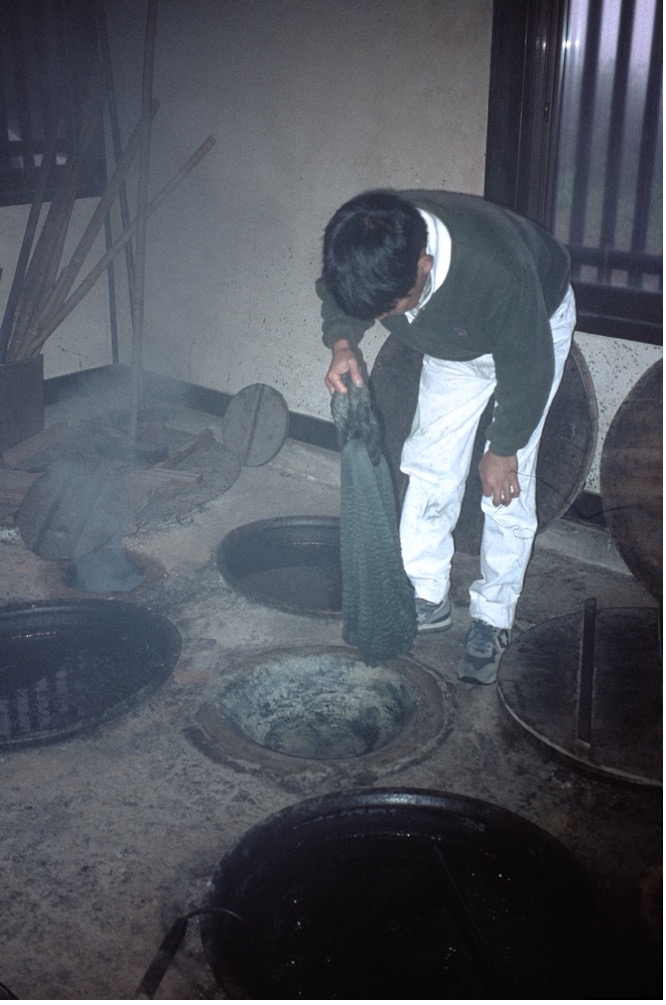
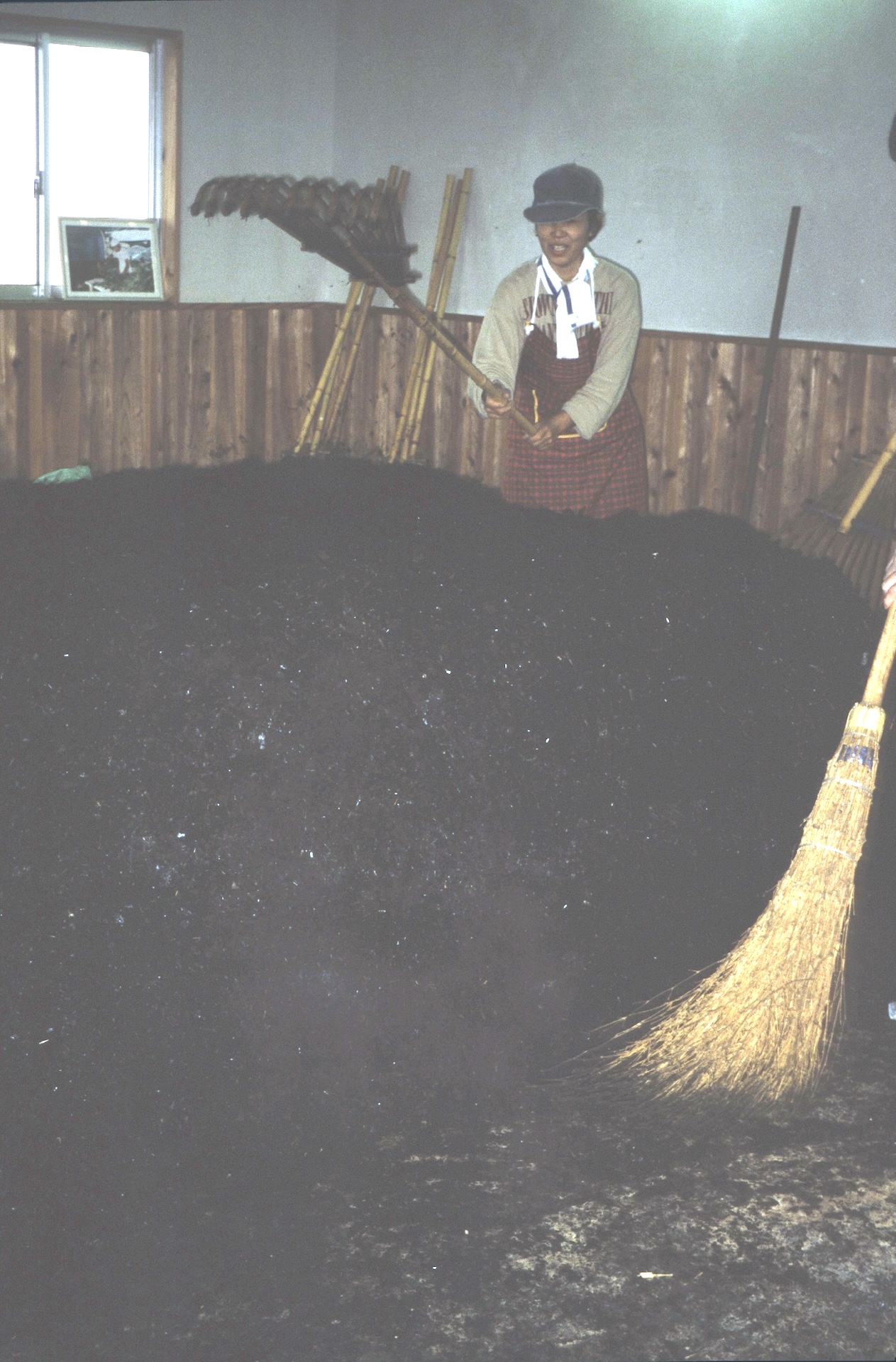
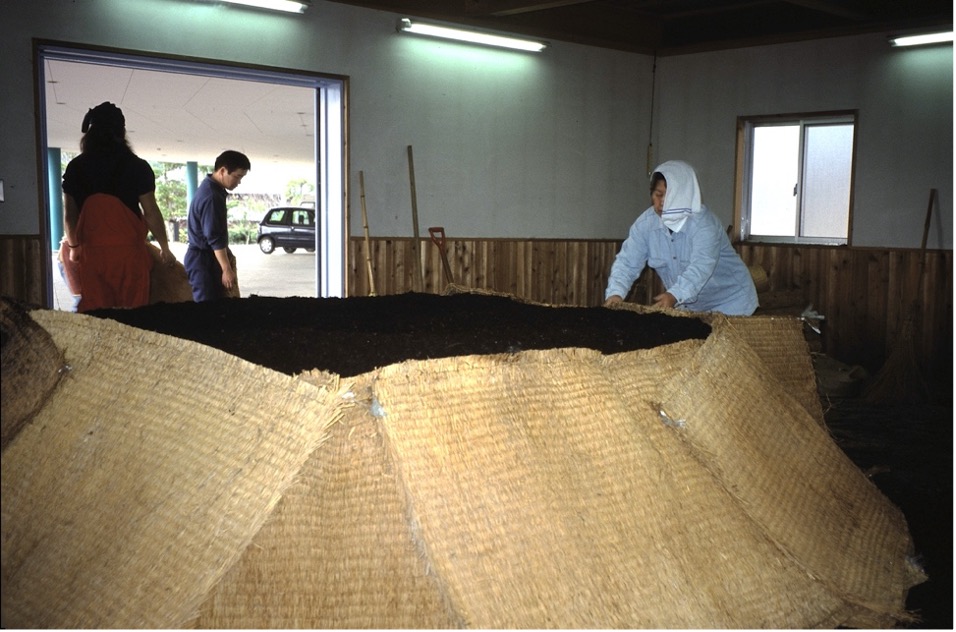
Figs. 2, 3, 4. Fermentation process and dyeing of Indigo in Japan. Pictures taken at the Institution of Arts and skills in Tokoushima prefecture and of the artisan Sayoko Matsueda in Kuyshu, Fukuoka in the year 2000.
In terms of dying techniques in Asia, indigo dyeing often involves resist methods, which mean creating patterns by controlling where the dye can and cannot reach the fabric, by sewing or twisting the fabric in certain ways.
For example, tie-dye (綁染 bǎng rǎn) is made by tying parts of the fabric tightly so that the dye cannot enter the covered areas. This often creates circular or radial patterns. A sample from the TRC shows this clearly, where the fabric is tied and dyed to form a symmetrical, radiating design (see Figure 4, TRC 2019.2179). Other common methods include clamp dyeing (夾染 jiá rǎn), which means using boards or sticks to press the fabric, creating more geometric patterns (see Figure 5, TRC 2019.2182). Stitch dyeing (縫染 féng rǎn ), involves sewing the fabric and pulling the threads tight before dyeing, which creates more detailed designs.
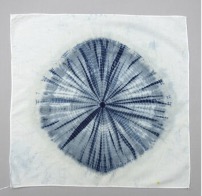 Figure x. Tie-dye sample, cotton dyed with natural indigo. Taiwan, 21th century (TRC 2019.2179).
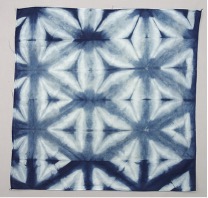 Figure x. Tie-dye sample , cotton dyed with natural indigo. Taiwan, 21th century (TRC 2019.2182)
History (Asia)
Indigo dyeing has a long history across Asia. Rather than being unique to one place, it developed in different regions in slightly different ways. In Japan, for instance, indigo dyeing, known as aizome (藍染め), became highly refined during the Edo period (1615–1868) in the Awa domain (Tokushima). Because of its high quality, Awa indigo was distributed across the country and became an important economic export product from the 18th century (Kogei Japan, n.d.). This distinctive deep blue came to be widely recognised as “Japan Blue,” a term used to describe Japan’s characteristic indigo colour. The TRC collection includes Japanese indigo-dyed handkerchiefs featuring traditional patterns and motifs (see Figures X–X TRC 2026.0314, TRC 2026.0320). Although it is uncertain whether they were made with Awa indigo, they still demonstrate key characteristics of Japanese indigo dyeing traditions.
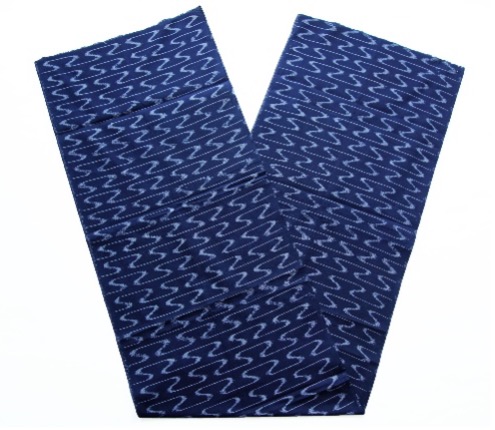 Fig. X. Japanese indigo-dyed textile with wave pattern. Japan, 21th century (TRC 2026.0314)
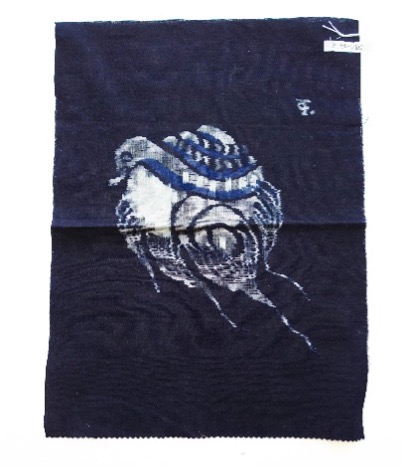 Fig. X. Japanese indigo-dyed handkerchief with bird motif. Japan, 21th century (TRC 2026.0320)
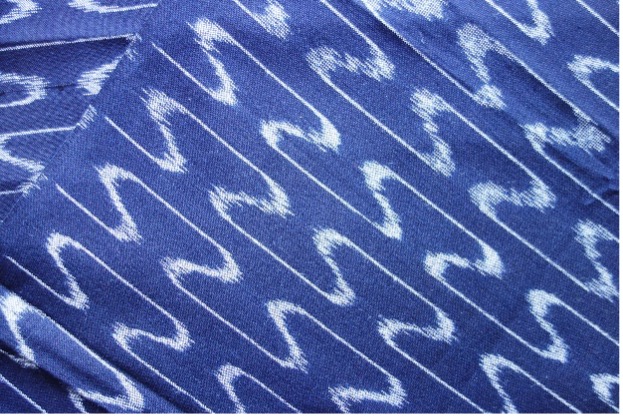 Fig. X. Up close detail of indigo-dyed fabric, showing resist-dyeing technique. Japan, 21th century (TRC 2026.0314)
History (Taiwan):
Indigo dyeing in Taiwan is believed to have been introduced by the Dutch in the 17th century. During the Qing dynasty (1644-1912), indigo plants were cultivated on a large scale, and indigo became one of Taiwan’s most important export products. Over time, indigo dyeing developed into a significant part of local production and daily life. However, this changed in the early 20th century, when synthetic dyes became available. Because they were cheaper and easier to use, traditional indigo dyeing gradually declined (Liu, 2001).
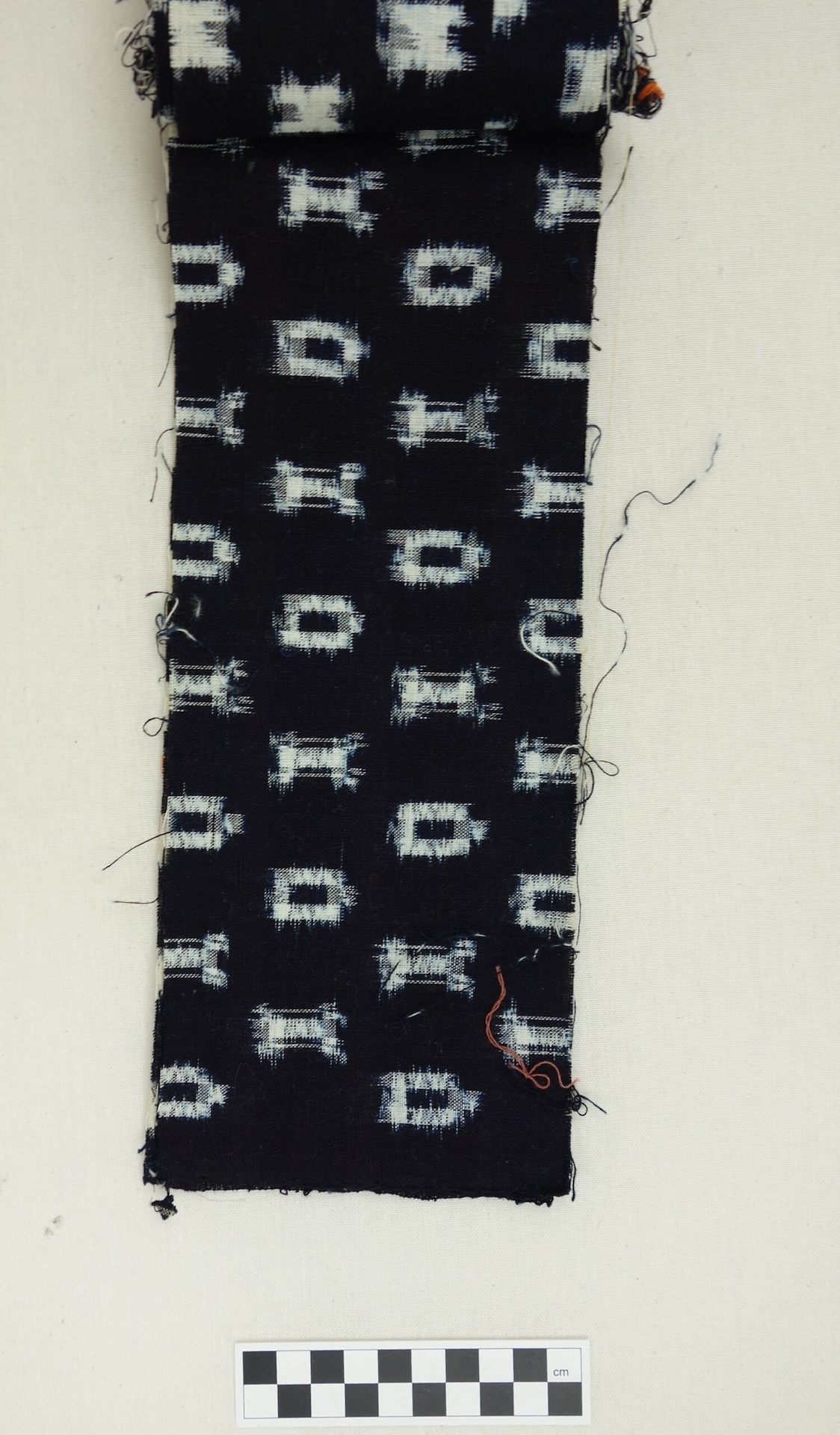
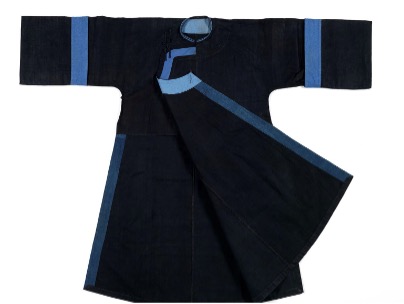 Fig. X. Up close detail of indigo-dyed fabric, showing resist-dyeing technique. Japan, 21th century (TRC 2026.0314)
In Taiwan, indigo dyeing is often linked to Hakka communities, especially through their “blue shirt” (藍衫 lan shan). Originally worn for work, these shirts are durable, practical, and easy to maintain. Indigo-dyed fabrics are also believed to help repel insects, which may have been especially useful for Hakka communities living in hilly areas, to avoid bites of mosquitoes and other insects (Hou et al., 2020). Over time, they became a symbol of Hakka identity and spirit. Today, indigo dyeing is used less in daily life and more as a form of cultural heritage (Liu, 2001). For instance, the National Museum of Taiwanese History holds indigo-dyed textile samples in its collection, such as 2003.019.0092.0001 (see figure X).
References
- Lai, Z. J. (2016). The Research of Origin and Promotion of Indigo Arts in Taiwan (Master’s thesis, Nanhua University) [in Chinese]
- Kogei Japan. (n.d.). Awa Indigo Dyed Cotton Textiles (Awa shōai shijira ori).
- Liu, Huan-yueh. (2001). Taiwan Hakka ethnic history: Folklore. Nantou: Taiwan Provincial Documents Committee [in Chinese]
- Hou, J.-Z., Hsiao, P.-C., Lu, C.-T., Yin, W., Huang, Y.-T., & Lin, C.-M. (2020). 'The research of natural indigo dyes on color performance and antibacterial properties on toddler clothing.' Journal of the Hwa Gang Textile 27(3), 183–189.
- Zhuo Ye Cottage Indigo Dyeing Workshop. (n.d.). About Indigo Dyeing.
- Ministry of Culture. (n.d.). Indigo Dyeing Techniques.
by Frieda Chen, 26 May 2026
Frieda is a Master’s student in Asian Studies at Leiden University and an intern at the Textile Research Centre (TRC). With a background in archaeology in Taiwan, she is interested in how materials connect to human behaviour. Through working with textiles and indigo dyeing, she is still exploring whether she is a weaver, a dyer, or simply
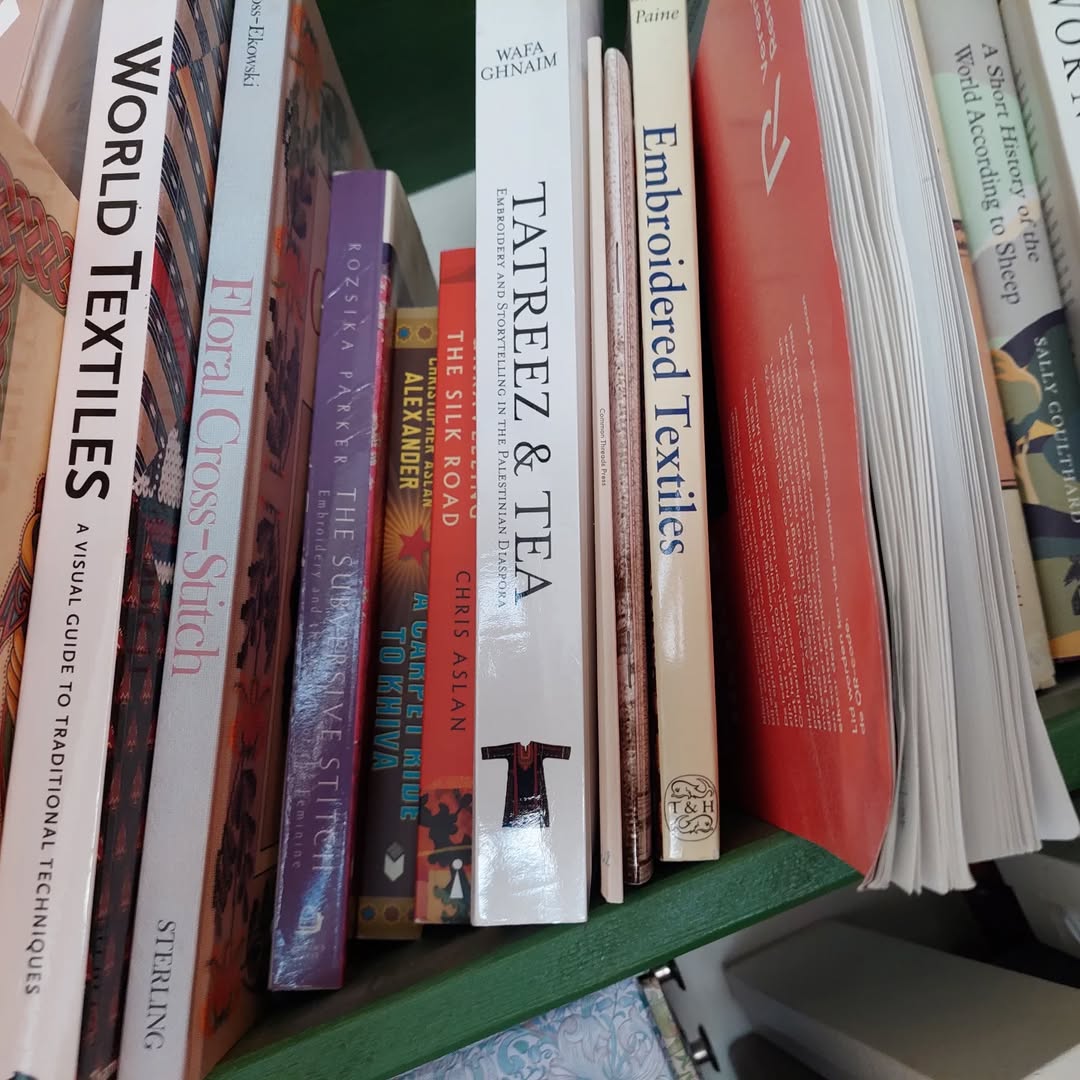 Find the books you have long been looking for, and help support the TRC by buying some of them!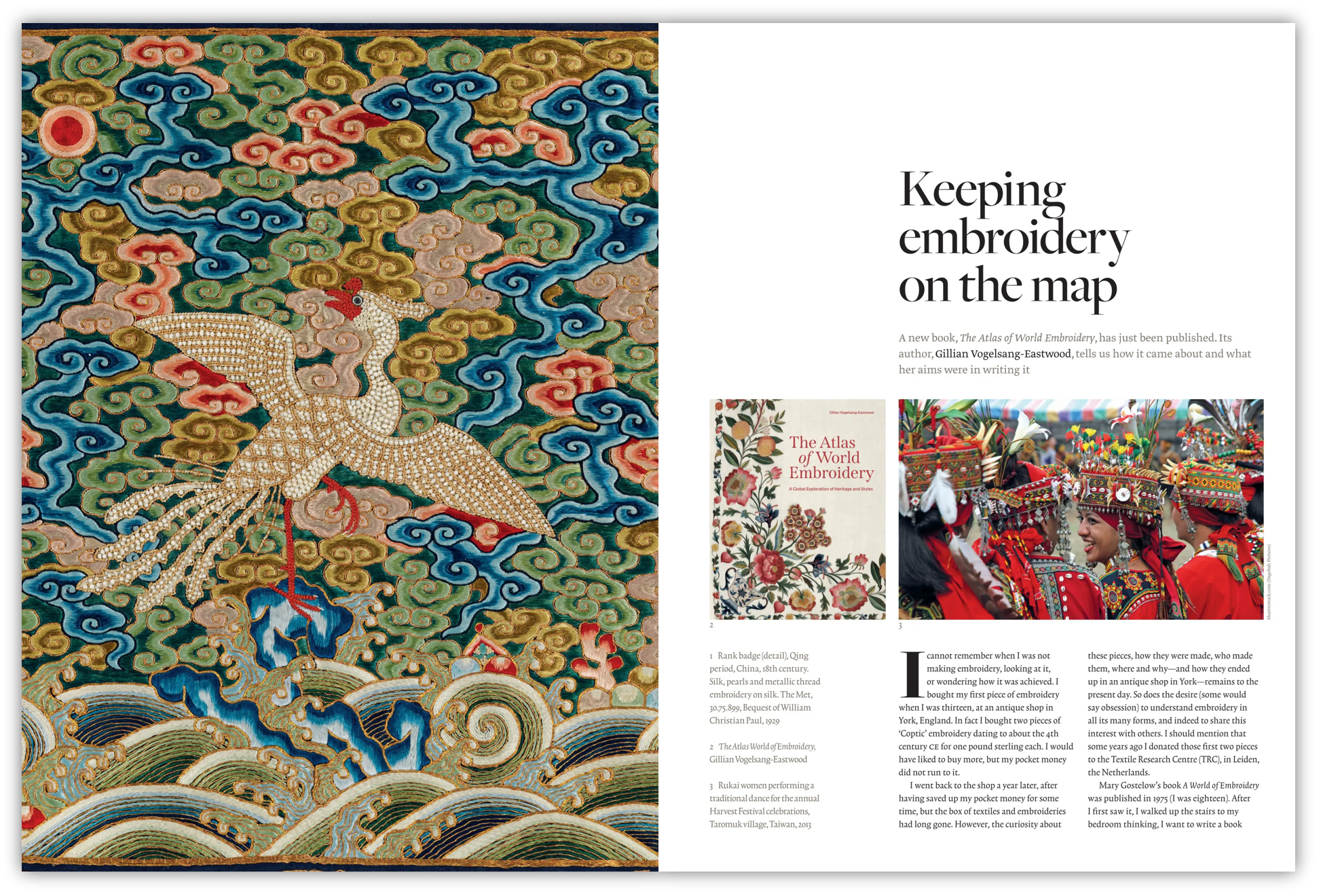
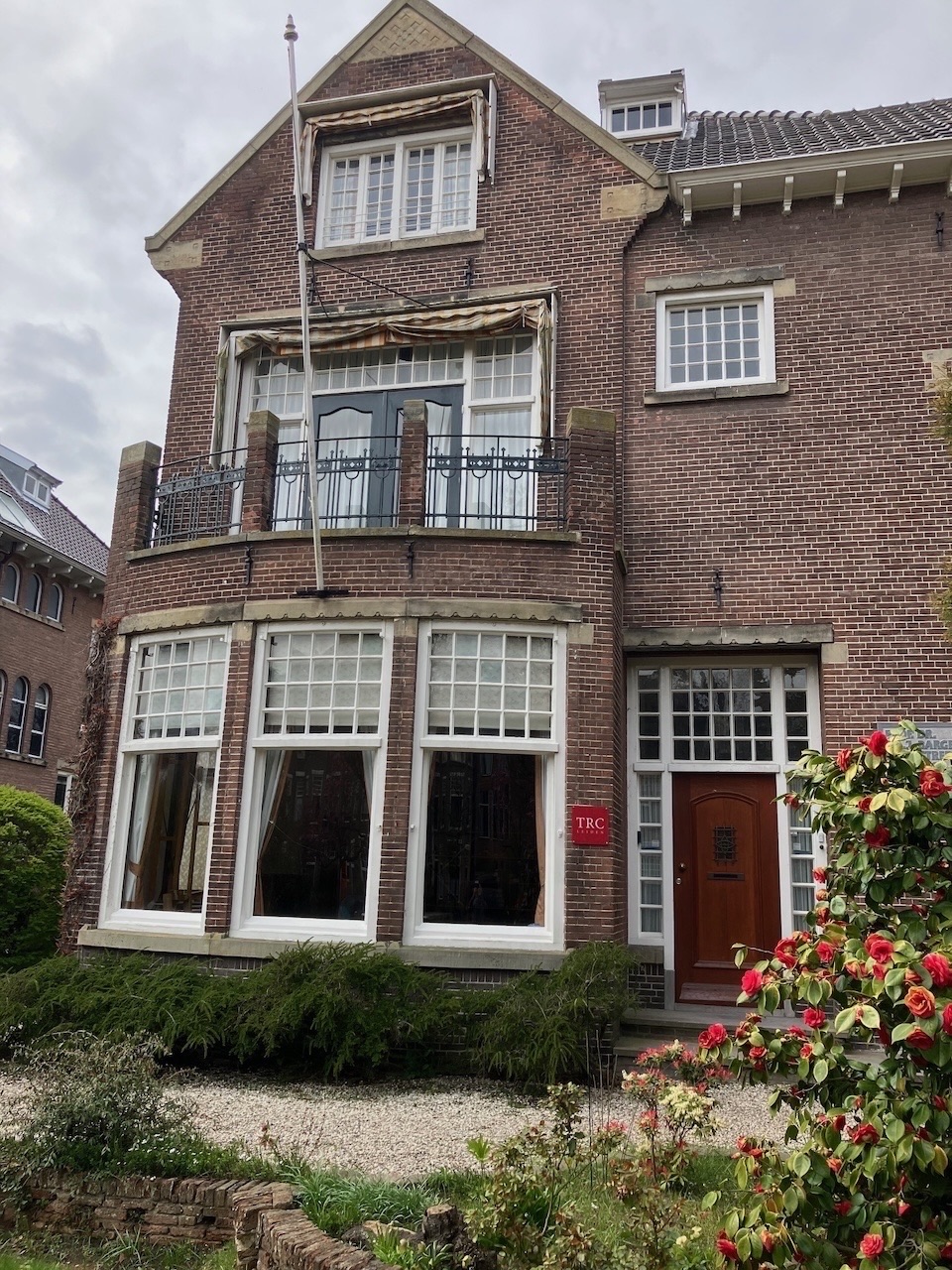
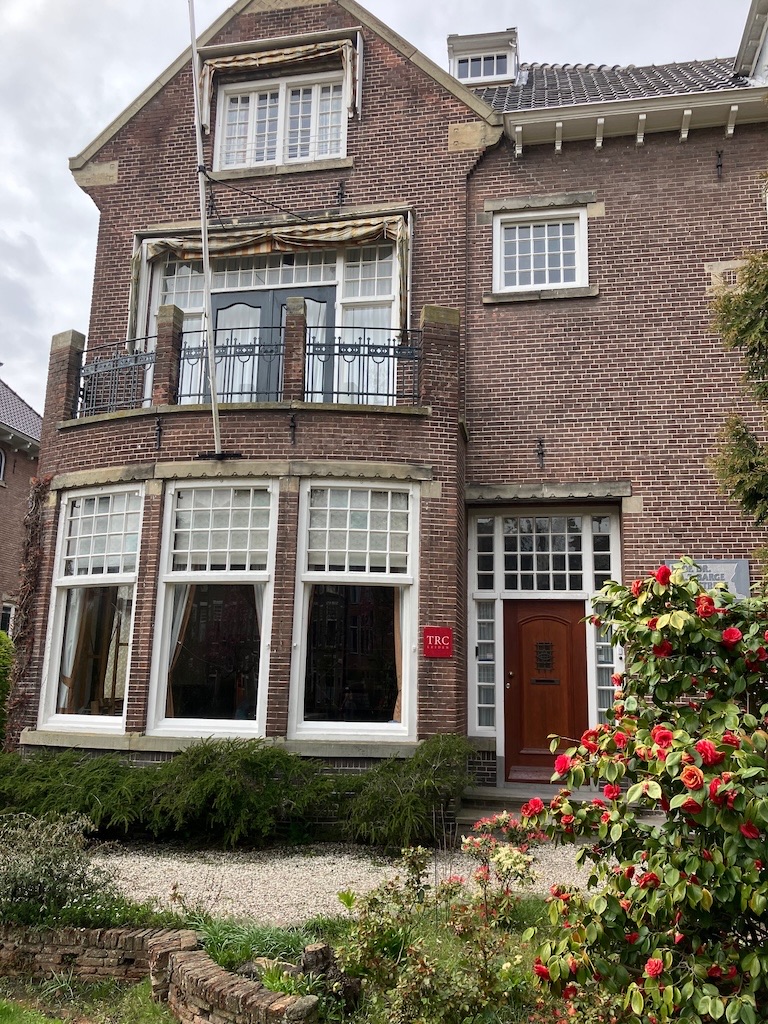 The move to Boerhaavelaan 6 is nearly finished, just a few more weeks and all the rebuilding, painting, furnishing, packing and putting away of boxes will be over! A great relief to all.