
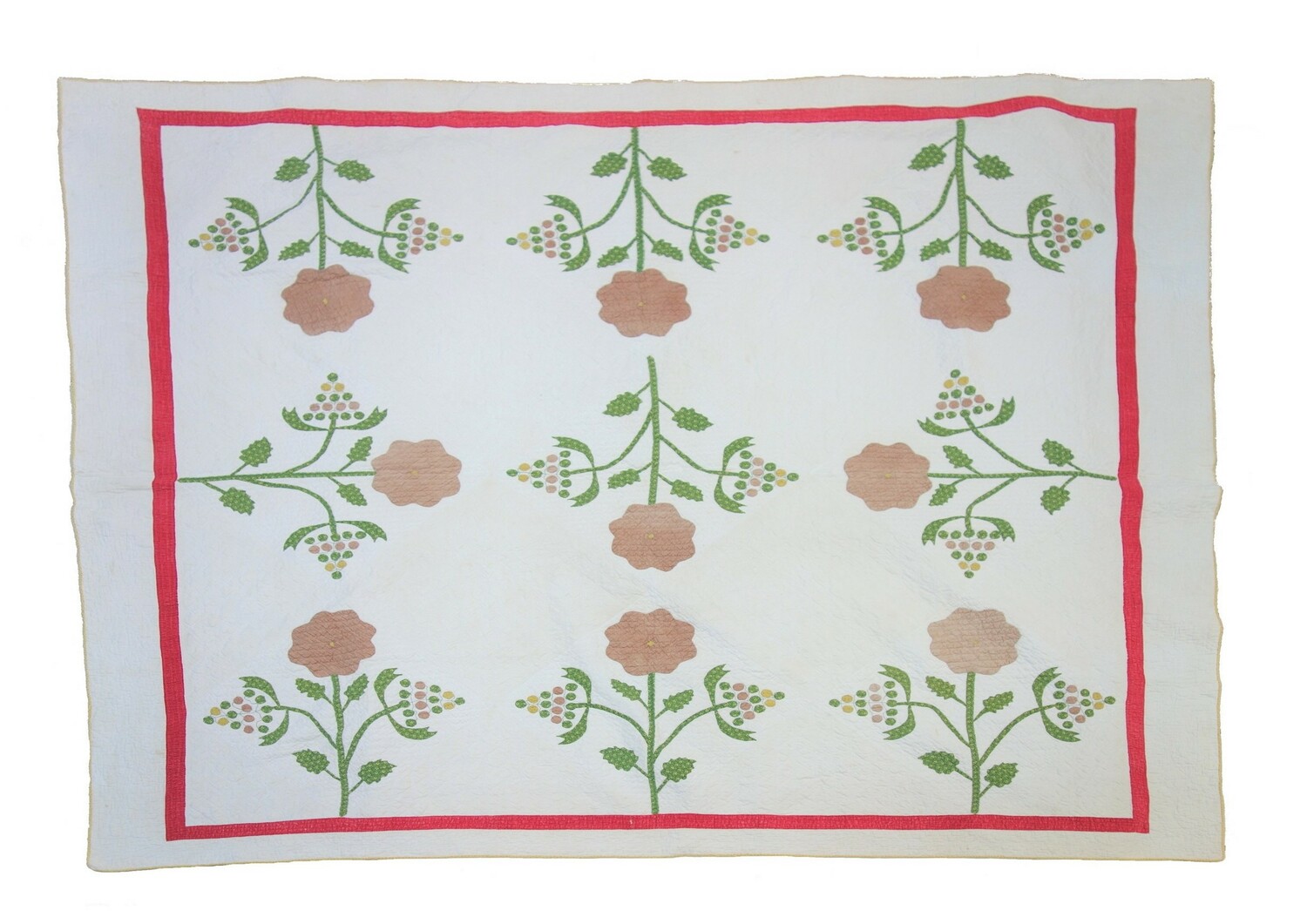
 Fig. 1. Quilt with an appliqué version of a ‘Flower and Berries’ design (1850’s – 1860’s; USA). TRC 2019.2402.Last weekend the TRC was open to the public as part of the national Open Monumenten Dagen (OMD). We welcomed over 300 visitors who were shown around the building and enjoyed the various exhibitions.
One of the questions that was asked by an American visitor was: did we have any quilts? What she meant was American-style (bed) quilts. Well, we have a range of quilts, plus a selection of quilt patterns, samples and unfinished blocks. More specifically, we have over 100 American quilts in our collection that date from the 1840s to the present day and represent many different forms.
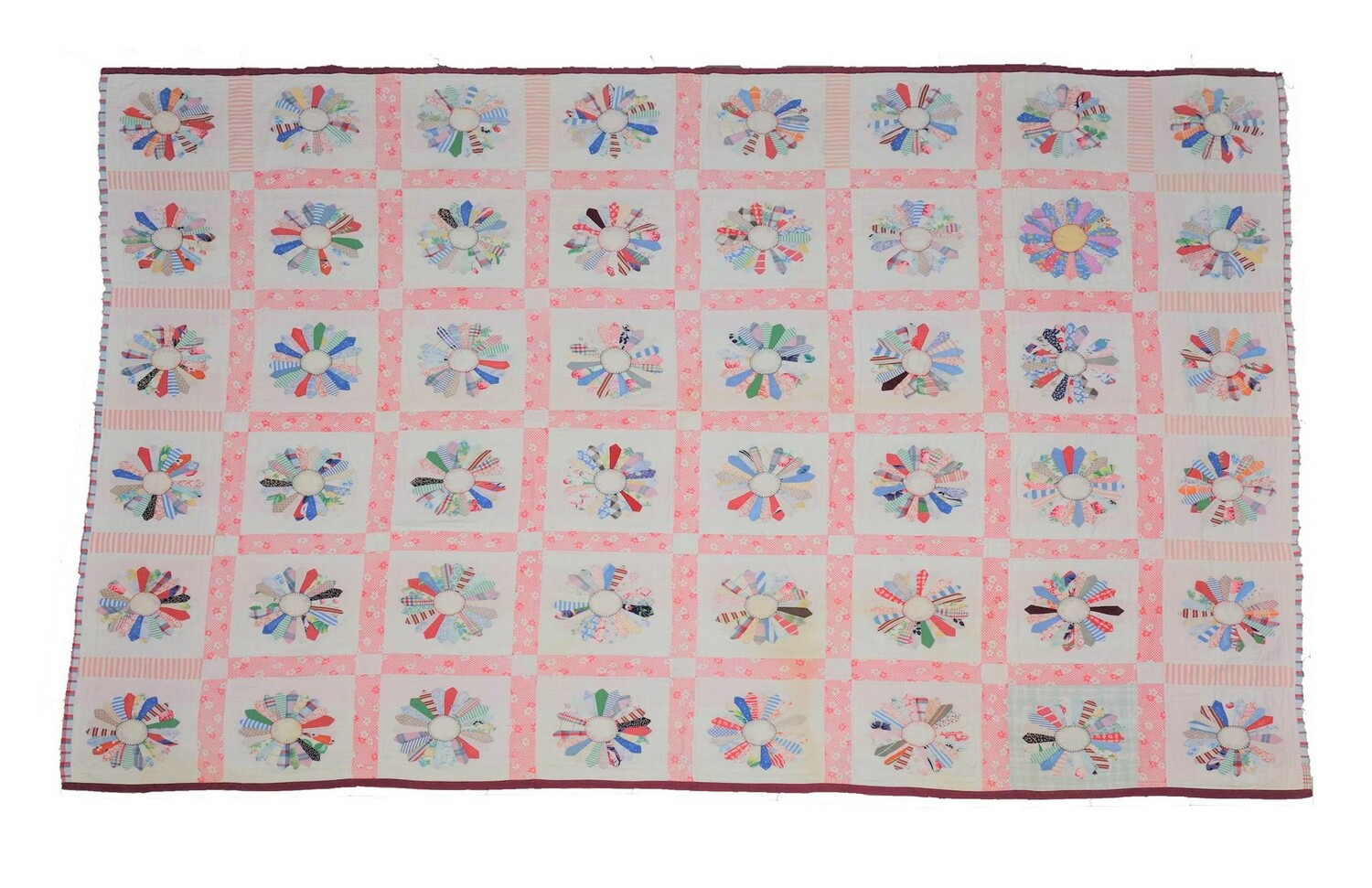 Fig. 2. Dresden Plate quilt (1930s, USA). TRC 2018.2629.The TRC houses one of the few public collections of American quilts in this part of Europe, and the blankets are included in the American Quilt Index. Some years ago, to mark this point, the TRC mounted an exhibition about American quilts. We opened the exhibition in February 2020, but alas, very few people could come and see it due to the Covid Crisis.
The TRC collection includes a wide range of forms of American quilts (Figs. 1-3), from practical, Amish items to more decorative, elaborate examples, but we are far from being able to offer a complete picture. We are still looking for early 19th century examples, and a few specific types, such as Baltimore Album quilts, Hawaiian quilts, Mormon (LDS) quilts, and modern Art quilts.
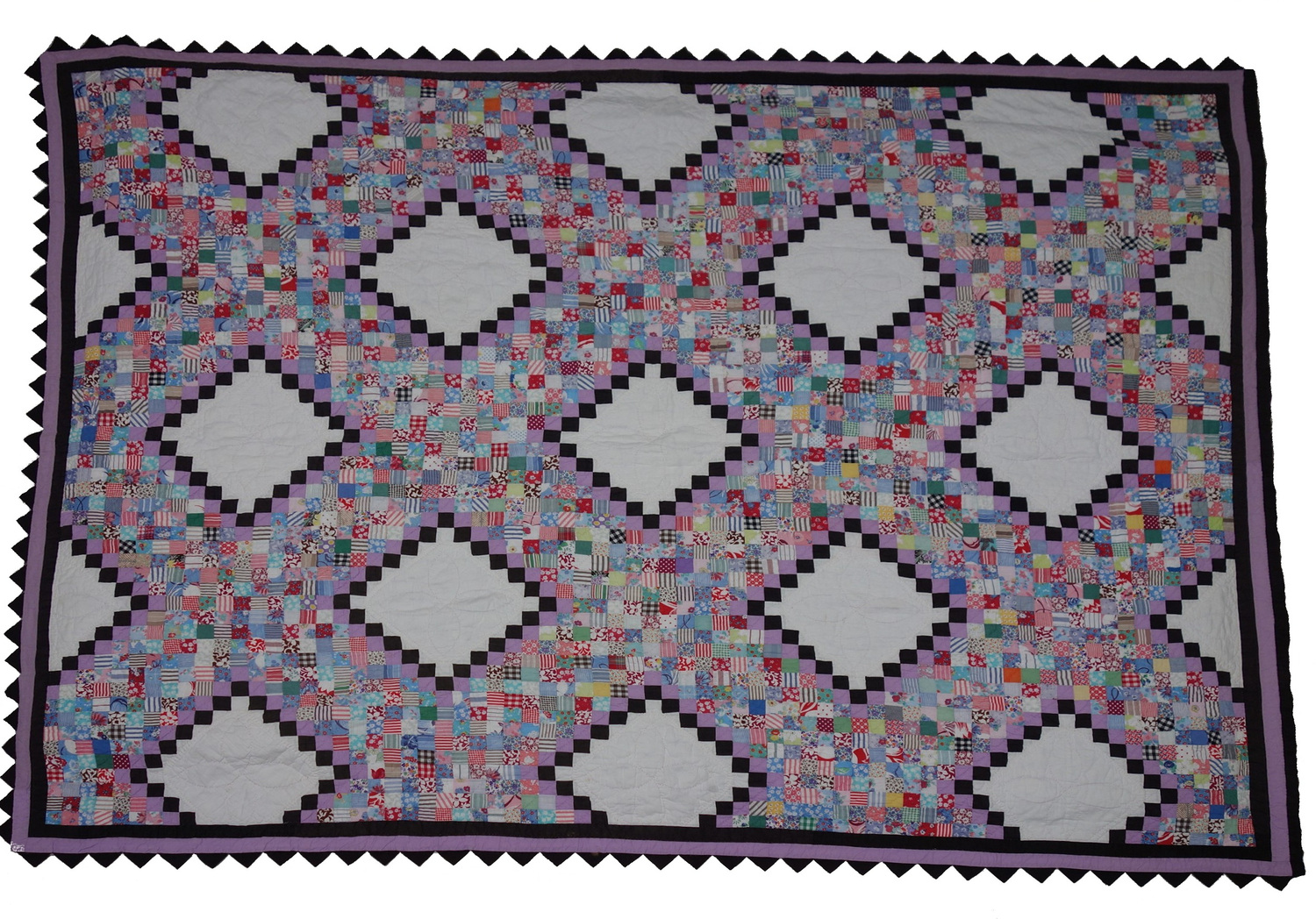 Fig. 3. Postage stamp quilt (USA, 1930s). TRC 2017.4253.
What is quilting?
The Sunday question also led me to think about what exactly is quilting and what is a quilt! Let me explain. The definition of quilting depends upon the book you are reading and where the author comes from. A general, American definition is that a quilt is made of three layers of cloth, with a upper (outer, top) layer, a layer of batting or wadding (padding) and a woven back (lining) layer.
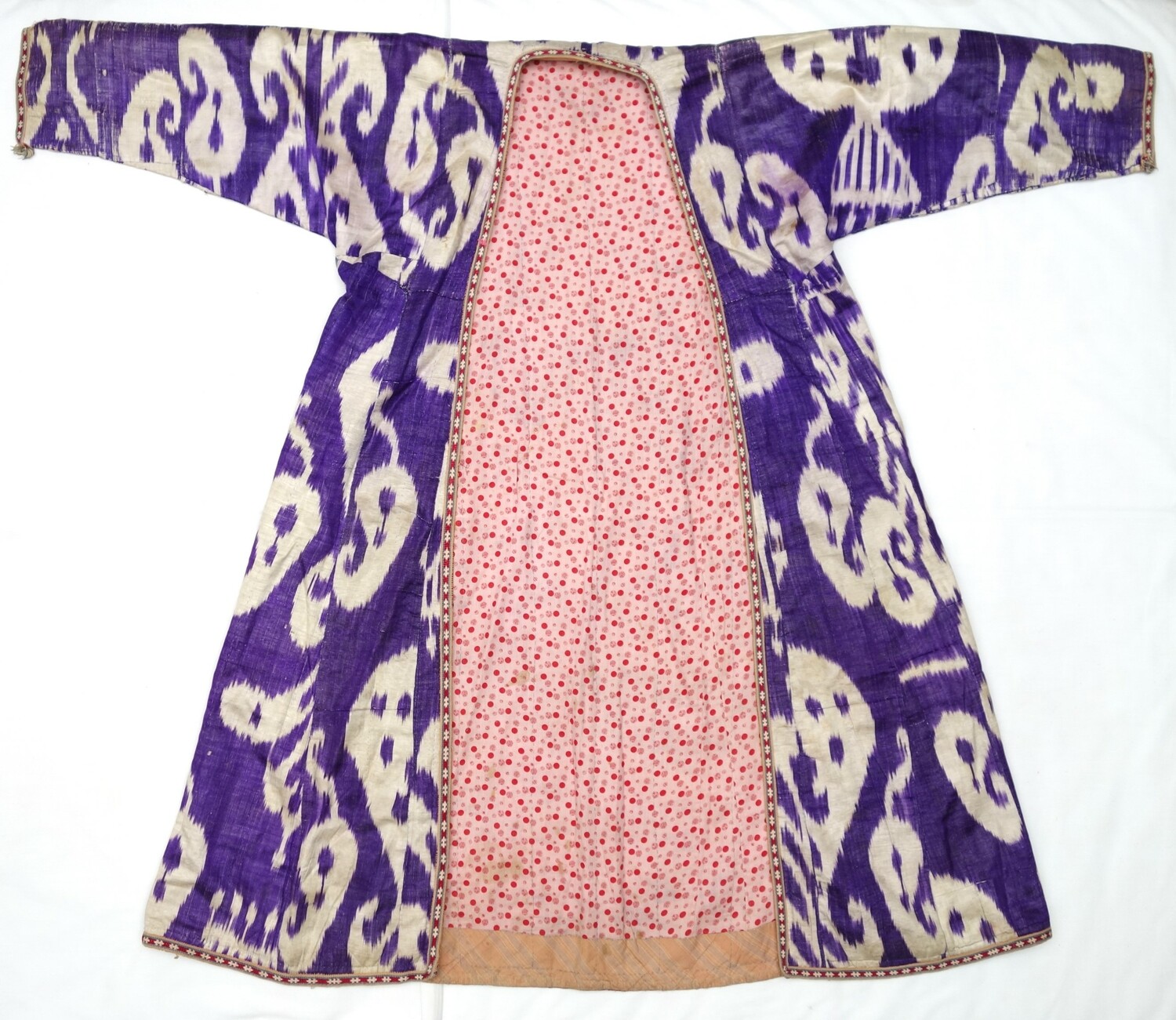 Fig. 4. Winter, padded and quilted coat from Uzbekistan (early 20th century). TRC 2024.2165.
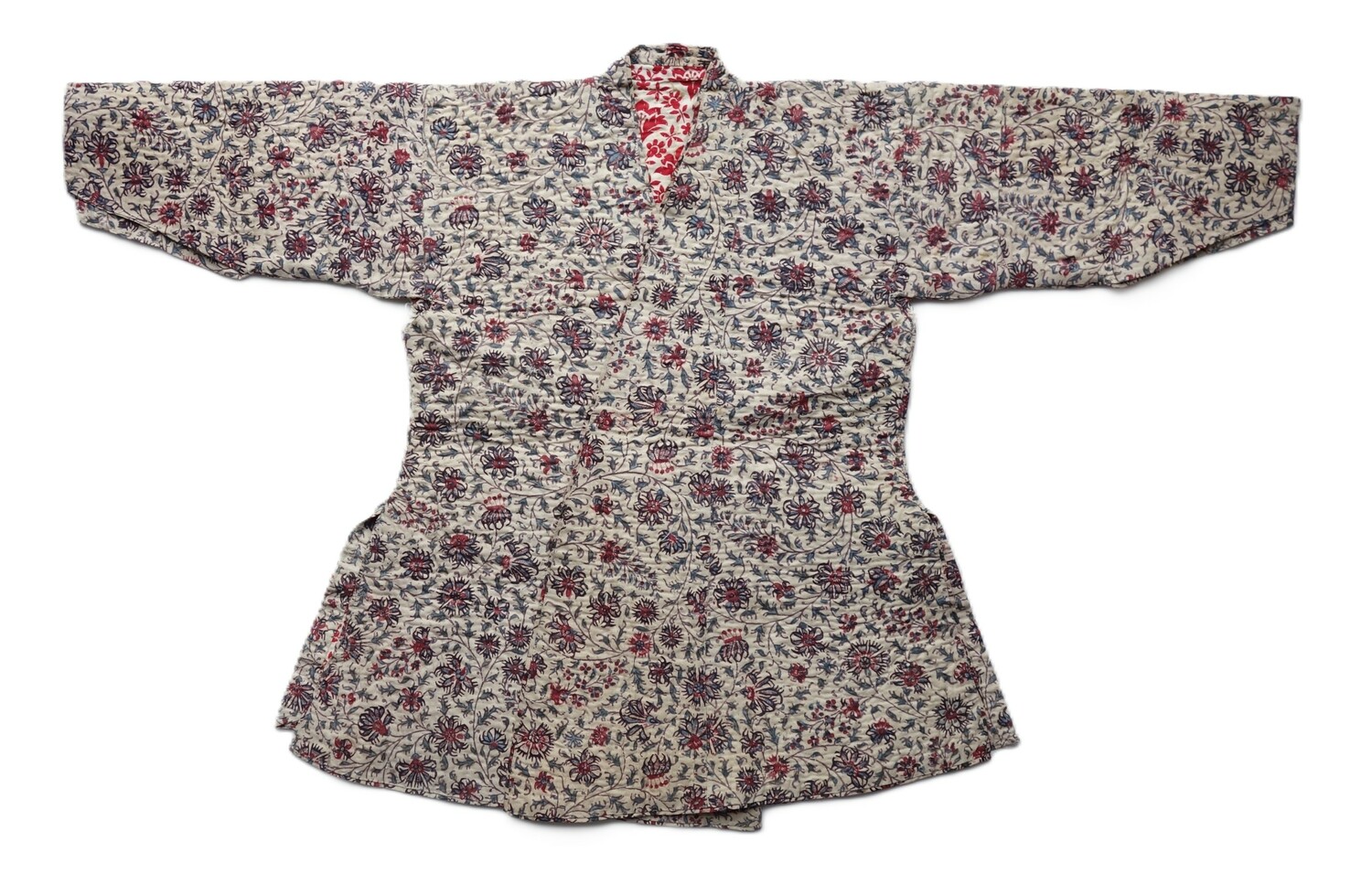 Fig. 5. Summer, quilted (two layers) jacket for a child (early 20th century, Iran). TRC 2026.0942.
However, and this is a big however, other definitions of the technique of quilting emphasise the sewing together of two or more pieces of cloth, sometimes with a padding of some kind, often using a running stitch that may be worked in a decorative manner. So you can have, for example, a summer jacket worn in a hot country that is made of two layers of cloth that are stitched together with simple lines of running stitch, and this jacket can be classified as being quilted. The TRC has various examples of quilted garments from Central Asia (Figs. 4-5).
How old is quilting?
One of the oldest, and indeed impressive, surviving European examples of quilting dates back to the 14th century and takes the form of the Tristan Quilt, which was made in Sicily (Fig. 6). Part of the quilt is in the Victoria & Albert Museum, London (V&A 1391–1904), other parts are in the Bargello Collection, Italy, and in a private collection.
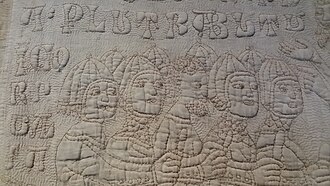 Fig. 6. Detail of the Tristan quilt, Sicily, 14th century. Victoria & Albert Museum, 1391–1904.
Quilting was also used to make a padded gambeson, which was worn under metal armour, or if you were poor, instead of metal armour. Illustrations of this garmdent can be found in the 13th century Morgan Bible, now in New York (Fig. 7). But it is more than likely that the technique has been practised all over the world from a much earlier date.
 Fig. 7. Detail from an illustration in the Morgan Bible, showing men wearing quilted gambesons.It is natural form of making cloth warmer, last longer, and to use up odd pieces of cloth. Despite what some may think, sustainability, repairing and up-cycling of textiles and clothing is not a new concept, based on archaeological finds it is thousands of years old! And as valid and necessary then as it is now.
Quilted items in the TRC collection
Including the c. 100 American quilts mentioned above, the TRC Leiden has a collection of over 800 quilted items from many countries across the world. These include garments such as caps, bonnets, jackets, coats, belts, skirts and shoes, but the collection also houses soft furnishings such as hamam (bath towels) towels
Many items come from the Indian subcontinent, but there are, for example, also various examples of Han Chinese shoes with quilted soles (Fig. 8). A lady lying on a divan was encouraged to show her small feet and the shoes that protected them, so well-made soles were important). But the TRC also has hand and machine quilted men’s caps, such as those from Oman, Yemen and Zanzibar (Fig. 9).
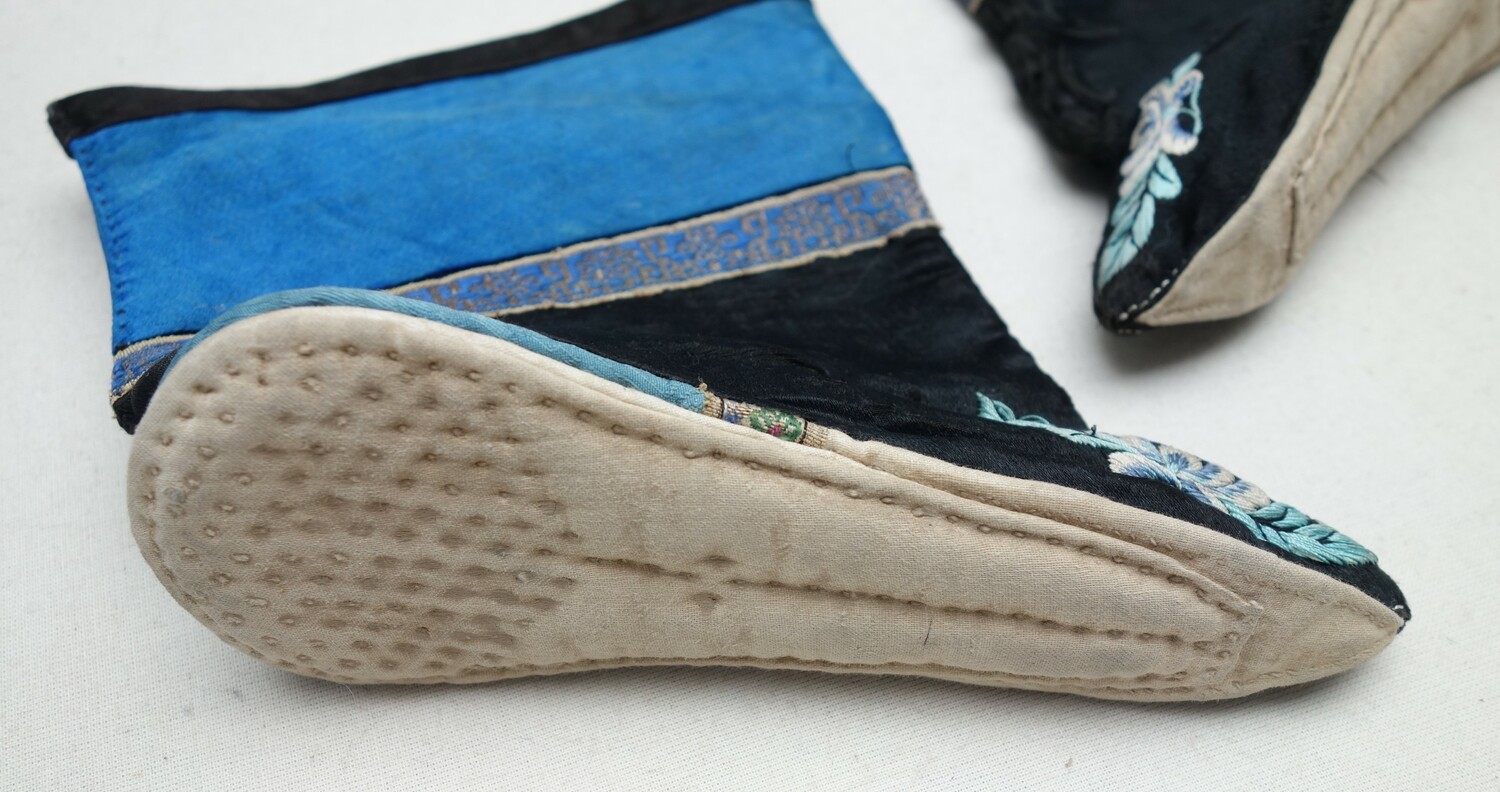 Fig. 8. Quilted sole of a lotus shoe (Han Chinese, early 20th century). TRC 2023.1241a-b
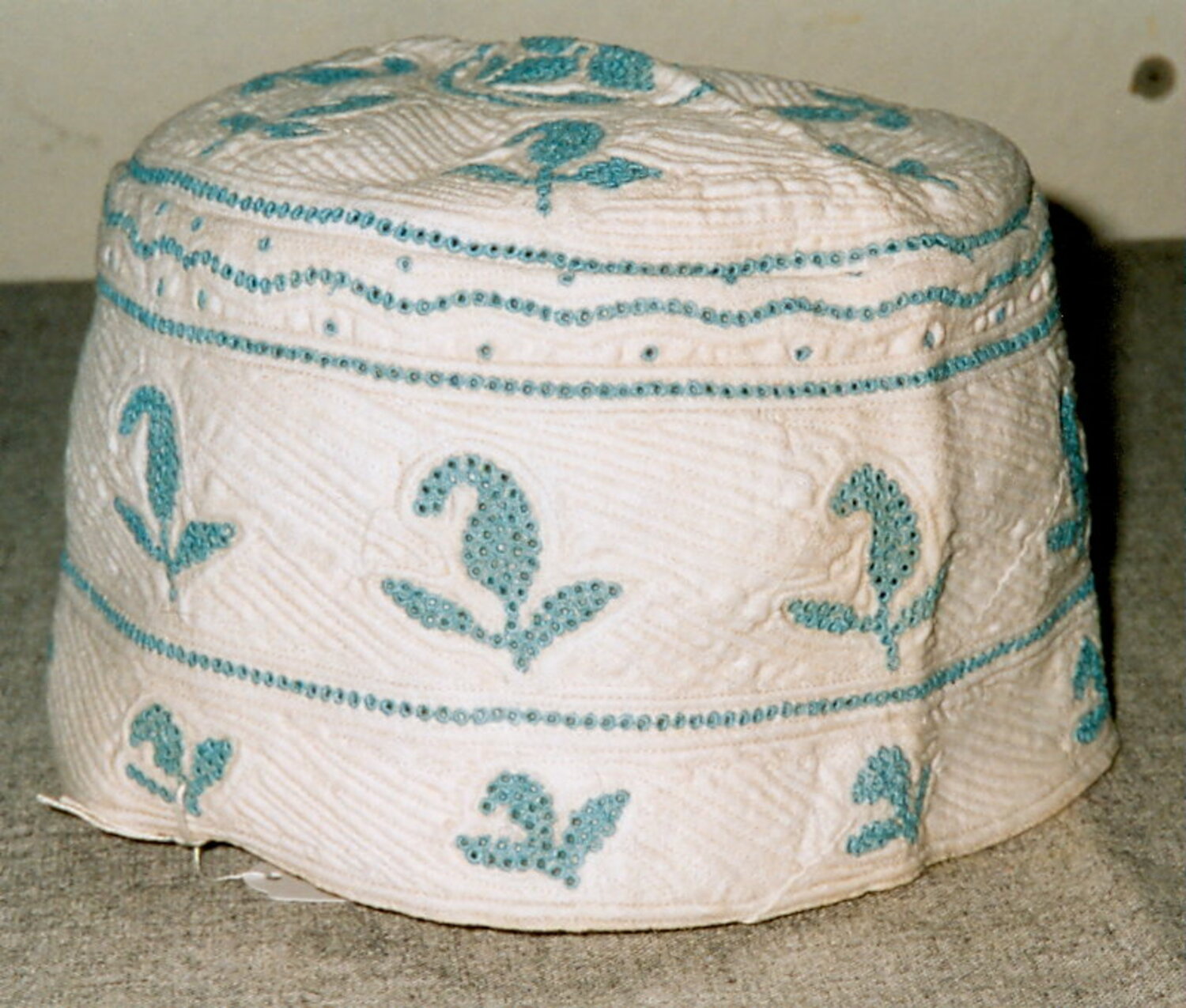 Fig. 9. Man’s quilted cap from Zanzibar (late 20th century). TRC 1997.0016.
Missing in the TRC Collection
In addition to the American quilt forms mentioned above, what we also miss within the TRC Collection are European forms of quilts and quilting. We only have six examples of European bed quilts and we really need to emphasise this aspect of the quilt collection with Dutch, Welsh and other European forms, not to mention quilted garments, such as jackets and skirts. If we are going to represent the World of Quilting, then these forms are going to be essential items. A gentle hint!
Gillian Vogelsang, 19 September 2026