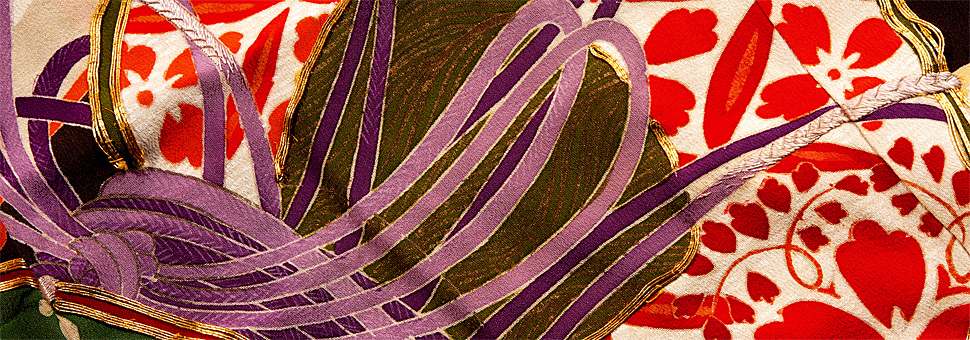
I often comment that the TRC Collection is diverse, but life at the TRC this week has been equally so! We have been working, for example, very hard on the Arizona collection (some 900 objects, mainly from southeastern Europe) and on Friday we added the last item to the catalogue. All being well, everything will have been photographed by the end of the coming week.
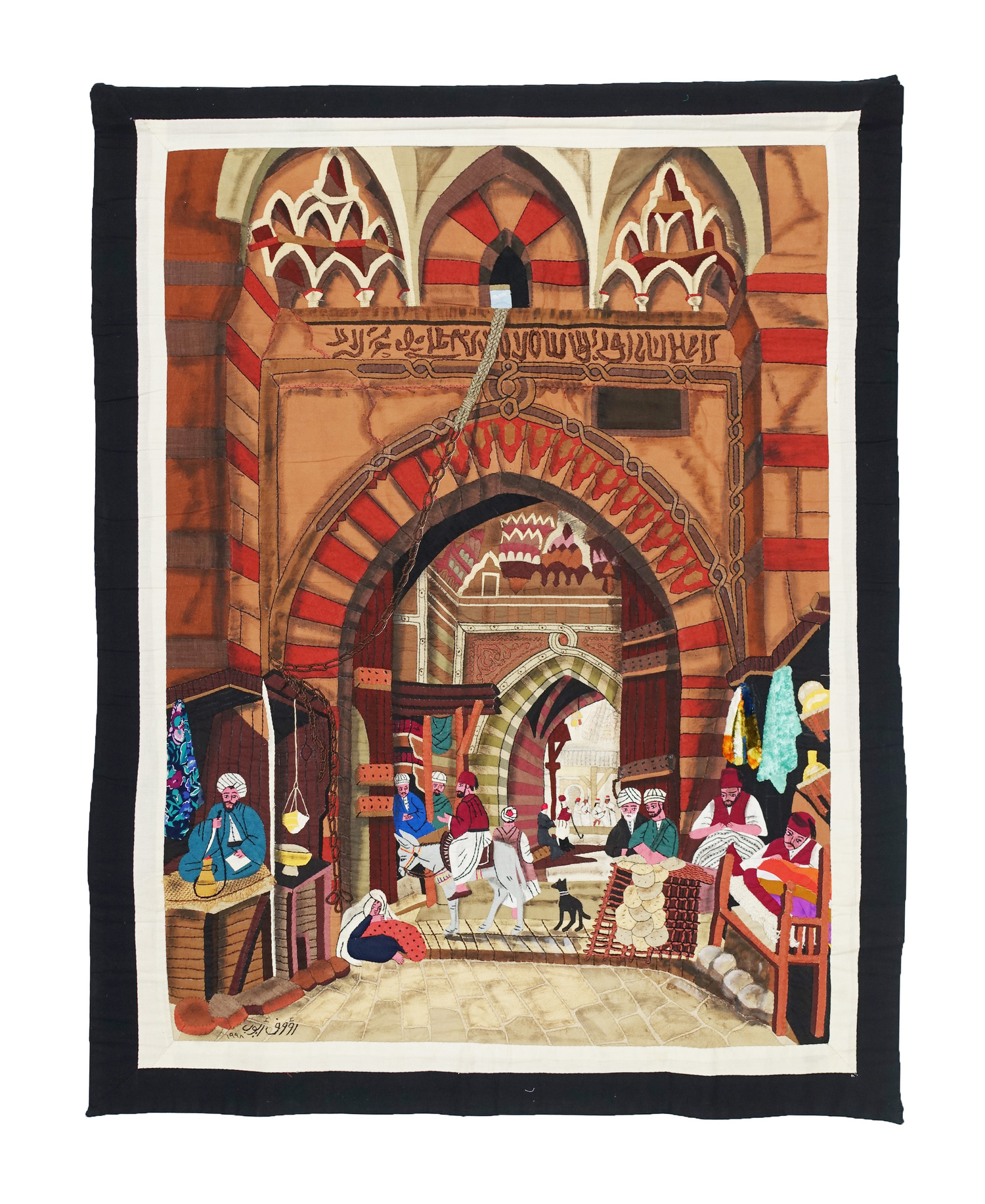 Appliqué panel from Egypt, c. 2000. Part of the so-called Arizona collection, recently acquired by the TRC (TRC 2022.1805). The scene appears to be inspired by a print by David Robert (1796-1864) called the 'Bazaar of the Silk Mercers' (c. 1846).
The sheer range of items of three large donations, including the Arizona gift, which have come in since March is amazing. They range from Indonesian ikats (more about these below), Central Asian embroideries, Egyptian appliqués, American First Nation items, to molas from Panama, not to forget all the textiles and garments from Central and southeastern Europe.
The students and staff at the TRC are planning a series of blogs and mini-exhibitions to look at various aspects and stories behind these pieces. These and other items mean that the TRC Leiden has one of the best collections showing the diversity of textile techniques and technology in this part of Europe (and I am being modest).
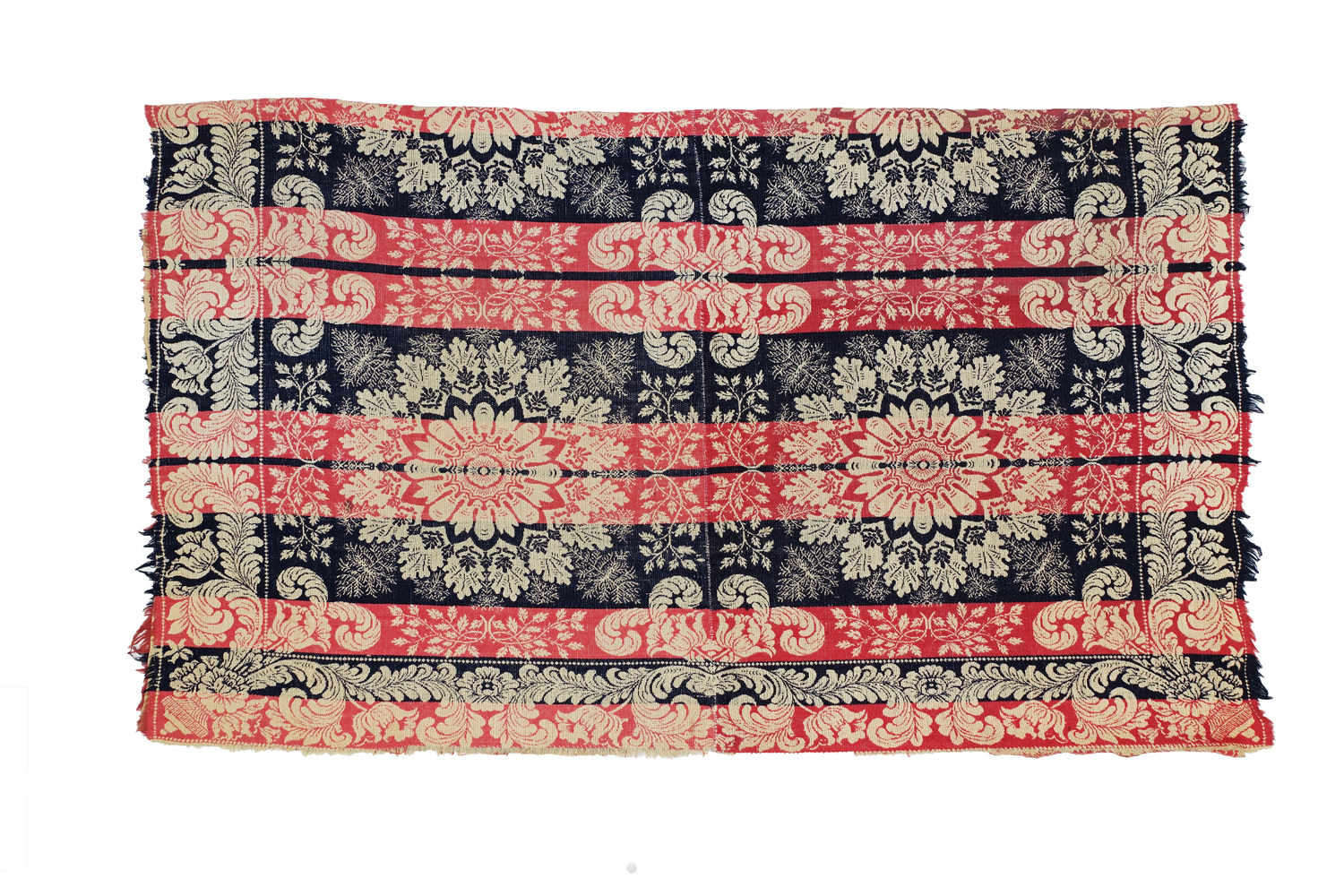 Early 20th century cotton blanket from the USA, recently donated to the TRC (TRC 2022.1710).
The other week we had a meeting with people from the International Institute for Asian Studies (IIAS), Leiden, about a planned week-long textile event in September. One of the main themes is Asia and Africa. On Tuesday (21st June) there was subsequently a meeting of the TRC staff and students and we decided to present a series of mini-exhibitions about (a) the medieval trade in textiles from India, via East Africa, to the Eastern Mediterranean, (b) modern kangas made in India and East Africa that form such an important item of clothing in Kenya and Tanzania, and (c) the so-called George textiles from Chennai/Madras that are used in West Africa, and the Madras textiles (the same as George forms) that are used in Suriname…. If any reader has some George or Madras textiles they would like to donate to the TRC, please let me know.
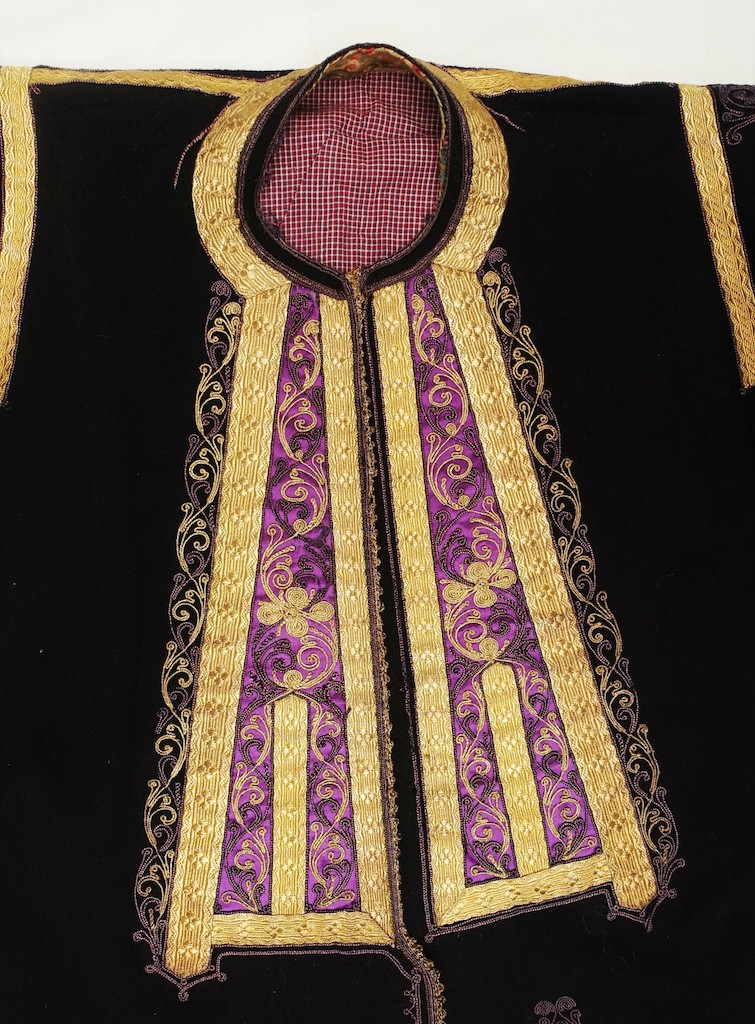 Decorated collar of a 20th century, Albanian coat, recently donated to the TRC (TRC 2022.1647).Kelly Wong, one of our interns from Amsterdam University who is working on a project to make a digital reference collection of Indonesian ikats, muttered last week that we did not have any double ikats from Indonesia. The TRC Effect went into action and a few days later we were given an example by the Zant family in Amsterdam, and then on Thursday some more textiles were donated by an elderly lady here in Leiden, whose parents had lived in Indonesia in the 1920s and later. Among the textiles was another Indonesian double ikat, plus an older, Indian silk patola (also a double ikat) made for the export trade with Indonesia. The TRC’s ikat collection is really getting depth and will be a valuable resource once everything is online.
This week also saw a short article about the TRC’s Portal of Embroidery Stitches, which was published as a blog and separately also on the TRC Facebook pages. The project has hit a note (some 8,500 people read the Facebook page) and many people have offered help in finding stitch names in a variety of languages, including Dutch, French, German, Italian, Japanese, Polish, Portuguese, Russian and other Slavic languages, and Spanish. In addition, one lady in the USA has offered her research on 500 stitches, so instead of about 300 stitches, the TRC Stitch Portal will eventually include nearer 600 examples.
This means the project has suddenly doubled in size! Well worth doing, there is a need for this information and it will be a unique resource for embroiderers everywhere. We are now looking for funding to pay for someone to (a) collate all the information and put it online and (b) to make suitable graphic designs of the stitches. We will need to find 8000 euros to take this project to the next level, should you know of a person or institute who would be willing to help........
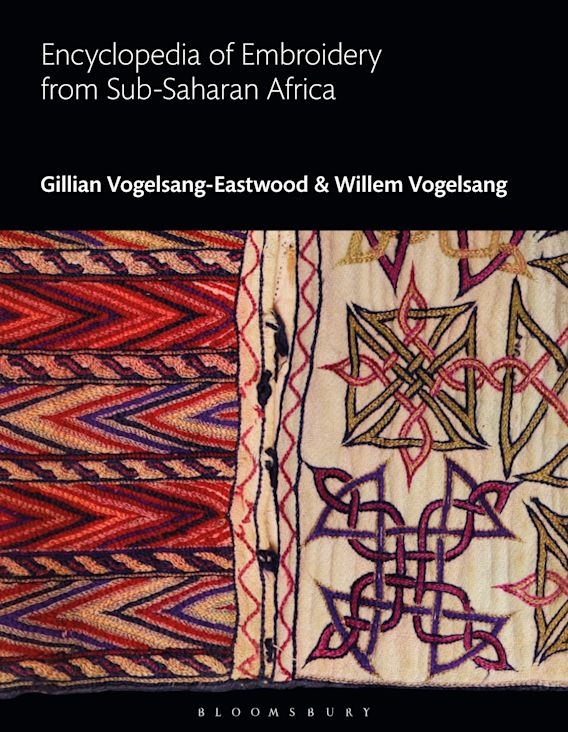 Volume 3 of the Bloomsbury World Encyclopedia of Embroidery, on embroidery from sub-Saharan Africa, will be published at the end of 2022 or early 2023.
The first five chapters of the Encyclopedia of Embroidery, Vol. 4 - Scandinavia and Western Europe have gone to two specialists to be read and commented upon. All the other chapters are almost ready to be sent around as well. Always a tense moment. Suggestions about how we can improve chapters are coming in, as well as ideas for the next volume about East and Southeast Europe, Russia and the Caucasus! And to add to everything: the first proofs of vol. 3, on sub-saharan Africa, have also been sent to us and need to go back asap. Will we have time to sleep this coming week? Probably not.
Then on Thursday we had an English journalist visiting us, who had heard about the TRC and its work from a Norwegian artist…. He is now planning an article about the TRC and what we are doing, how and why. When it appears we will pass the link on.
Friday (24th July) saw an unusual event. Prof. Ottow, Chair of the Leiden University Board, and her brother and sister, have donated part of their grandfather’s belongings to the University Library (UB) and the TRC. The UB items include letters, books, photograph albums depicting people, events and household situations, there were even some love letters!
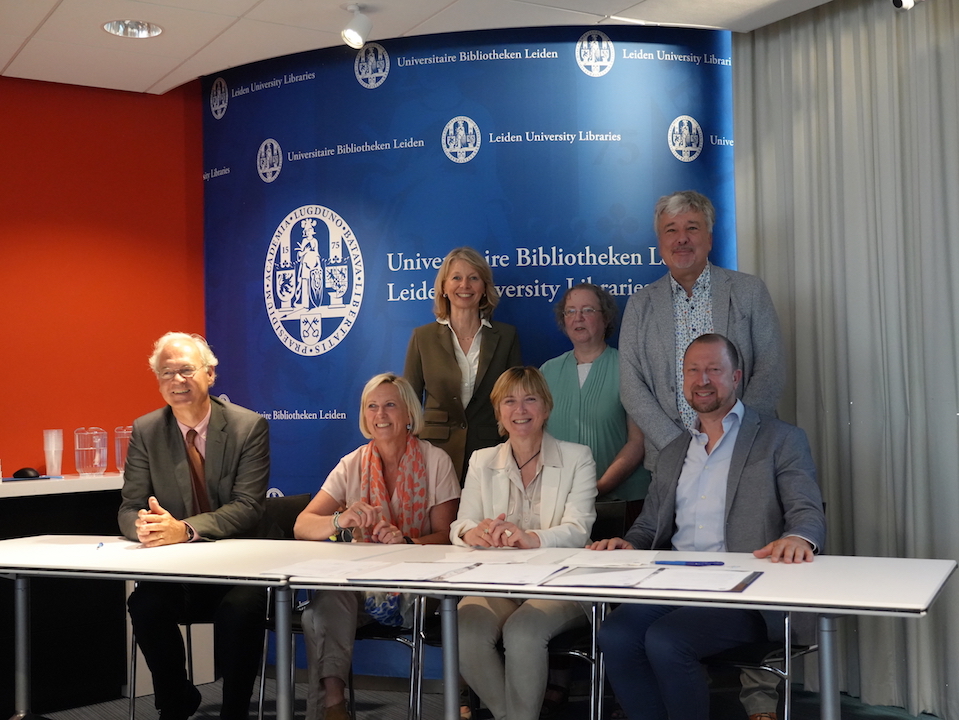 Official hand-over by the Ottow family of documents and textiles to the University Libraries and the TRC: Sitting behind the table: Prof. Annetje Ottow (Chair, Leiden University Board, second from the left), and her husband (to the far left), sister (right), and brother (far right). Standing behind them, from left to right: Dr Alette Stas-Bax (Chair Leids Universiteitsfonds), Dr Gillian Vogelsang-Eastwood (Director Textile Research Centre), and Dr Kurt De Belder (Director Leiden University Libraries). Photograph by Guus Janssen, Leiden University Libraries.
There was also a range of Chinese, Indian, Yemeni, and of course European and Indonesian textiles and garments. All of these items date from the 1920’s when he was a Dutch official in Indonesia (more about this donation will be explained in a forthcoming blog). The textiles reflect the journey he and his family made from Holland to Indonesia, and the diverse nature of life in Indonesia at the time, and the fact it was a trade hub (to use a modern expression) that attracted and distributed items from literally all round the world. Globalization is nothing new.
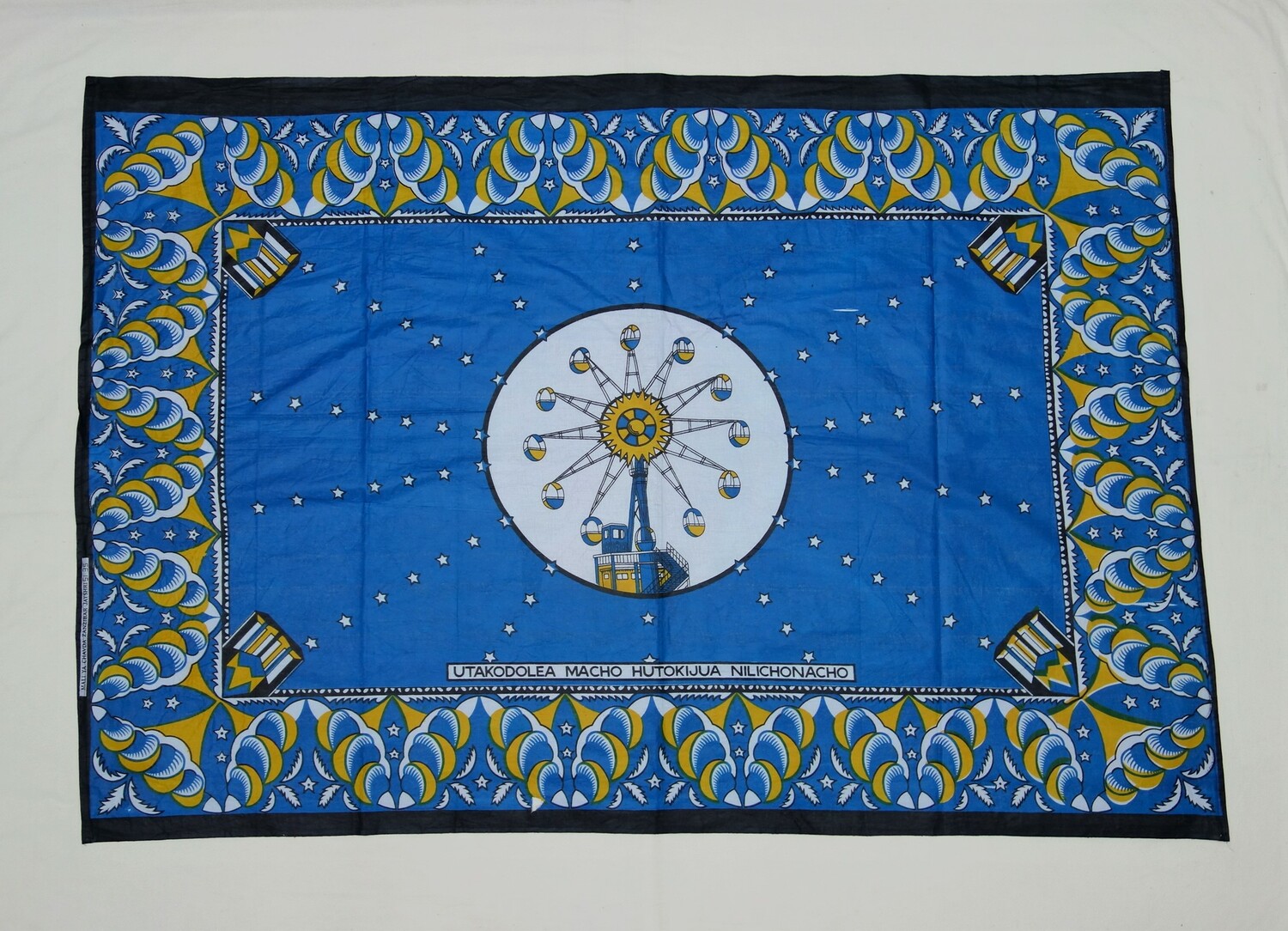 Kanga from Kenya, 2004 (TRC 2004.0156). The Swahili text reads: UTAKODOLEA MACHO HUTOKIJUA NILICHONACHO , which translates roughly as; "You can stare at me, but you don't know what I have got." This and other kangas will be displayed at a pop-up exhibition at the TRC later this year.
On a more personal level we can match some of the textiles and garments with those depicted in the photographs. So we know more or less when the textiles and garments were acquired, who owned them, and in some cases we can show how some items actually were used and under what circumstances! All of the textiles and garments that have been given by the family will be put online in August.
The TRC is shut for the month of July for a well-earned period of rest… we will be open again on the 1st August.
Gillian Vogelsang-Eastwood, 26 June 2022