
Beyond The Chador Regional Dress From Iran
1. Introduction
What usually comes to mind when you are thinking of 1920s fashion? Is it women’s iconic fringed and sparkly flapper dresses? Short haircuts, headbands, chokers and high heeled shoes worn at lavish jazz parties?
While there may be some truth in these images, this exhibition gives a wider overview of the decade and explores some of these assumptions by comparing them with actual clothing from the period.
Fashion is eternally recycled. In every decade, specific features of previous “vintage” fashion will be taken up again and adapted to 'modern' taste. In fact, the end of the 1950s and the early 1960s were greatly inspired by the 1920s: youth culture, cloche hats, straight and short dresses, movies such as ‘Singing in the Rain’ which featured fringed flapper dresses, “the Swinging Sixties” vs. “The Roaring Twenties”, etc. This later imagining of the 1920s is one that still remains today, but is in fact only partially representative of the period.
 Indoor photograph of a woman wearing a velvet dress with a design of leopard skin spots. UK, 1920s.While flapper dresses were indeed sparkly and made to catch the light while dancing, they often featured velvets, beading, sequins and spangles rather than fringing. Fringes were an expensive and time-consuming application of textile that could be found on the edge of accessories, such as a shawl or on a dress hem; it would rarely be covering a whole garment.
Similarly, the lengths of skirts and dresses were also longer than we may think. Although women were more liberated than they had been before, a hemline under the knee was still the norm, even for the most lavish of parties.
Within the decade itself, fashionable length evolved from its shortest, just under the knees, in the mid 1920s to progressively coming back down to reach the ankles and feet again at the end of the decade. Even evening wear would not allow for bare knees and the only women who would show more leg were dancers or performers.
 TRC exhibition "The 1920s from head to toe: Fashion from 100 years ago". Photograph by author.The TRC’s wide-ranging collection of 1920s clothing does in fact illustrate the idea of a glamorous decade while adding onto that the more daily, simple clothing that someone going about everyday life would wear, or even the fashionable articles they would make themselves.
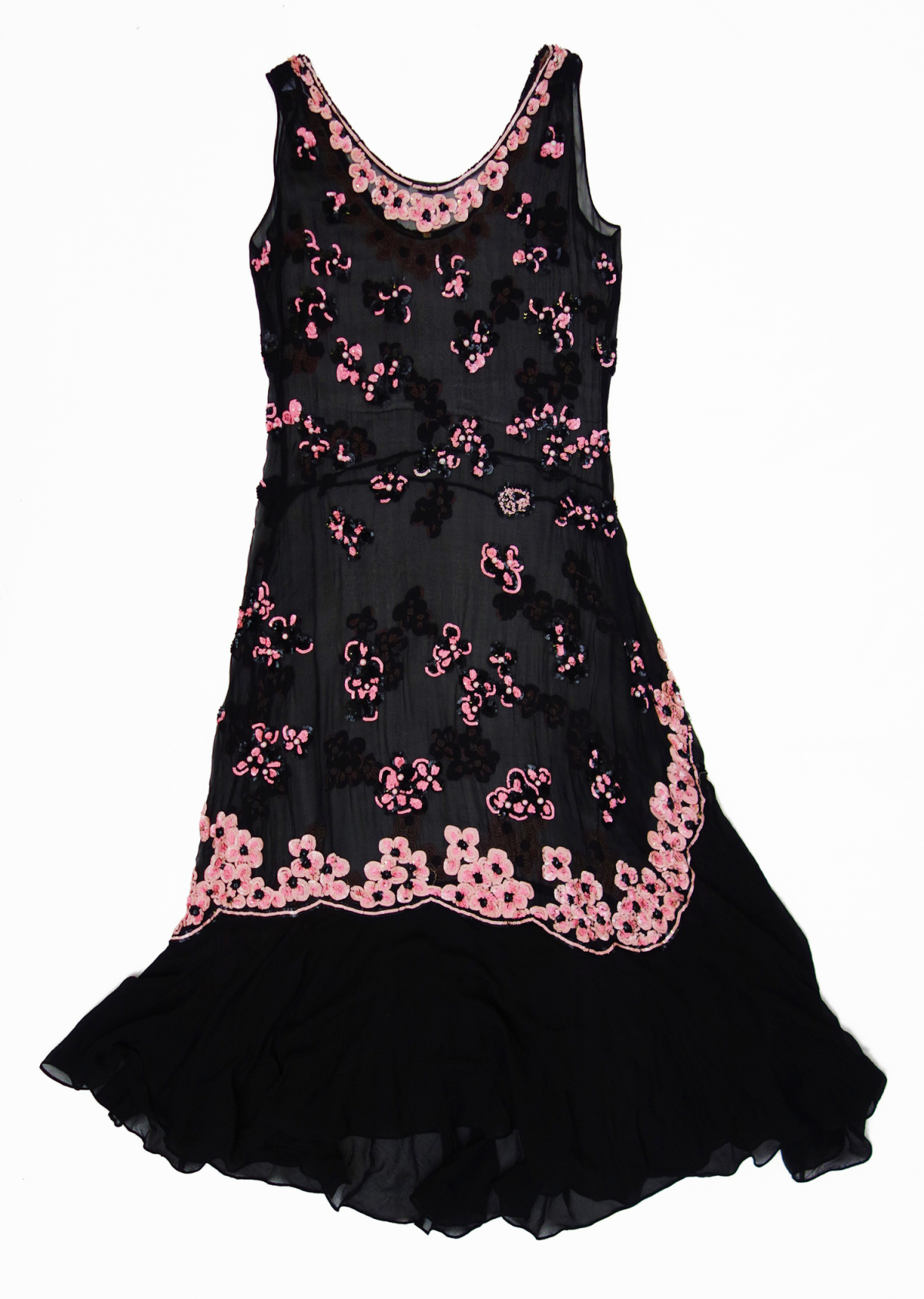
Beaded evening dresses, simple printed garments, graphic geometric motifs, a whole range of accessories (hats, gloves, spectacles, shoes) and even sewing machines to make one’s own clothing, all take centre space in this online exhibition.
One notable feature of the decade is definitely a sharp turn from how fashion for women, and femininity, were considered. After World War One, a feeling of freedom, wealth and liberation changed the way in which women dressed. Women were also becoming an increasingly larger part of the workforce in the Western world and clothing reflected this need for practicality and use.
An interest in more active lifestyles and sports, radio programmes, films and film stars, the idea of modernity and inspiration from other cultures also led to specific features of fashion.
 TRC exhibition "The 1920s from head to toe: Fashion from 100 years ago". Photograph by author.Shorter haircuts, an emphasis on a more boyish body type, and straighter garment lines changed the way in which femininity was perceived and expressed through clothing. Practicality and comfort were new important aspects to consider. While a pear-shaped, tiny waisted, corseted and bosomy body ideal had been in vogue previously, the 1920s emphasised the idea of a modern, slender, boyish figure of a woman.
Light underwear, rectangularly designed dresses, looser fabrics and shapes, separate pieces, see-through materials, open backs, low waistlines and shorter hemlines became common visual identifiers of this period of history.
This exhibition aims to showcase Western 1920s fashion in all of its forms and for all occasions. Follow along different situations and what people would have worn, from daily life to special evenings and the swimming pool.
7. Bazin damasks for the African market
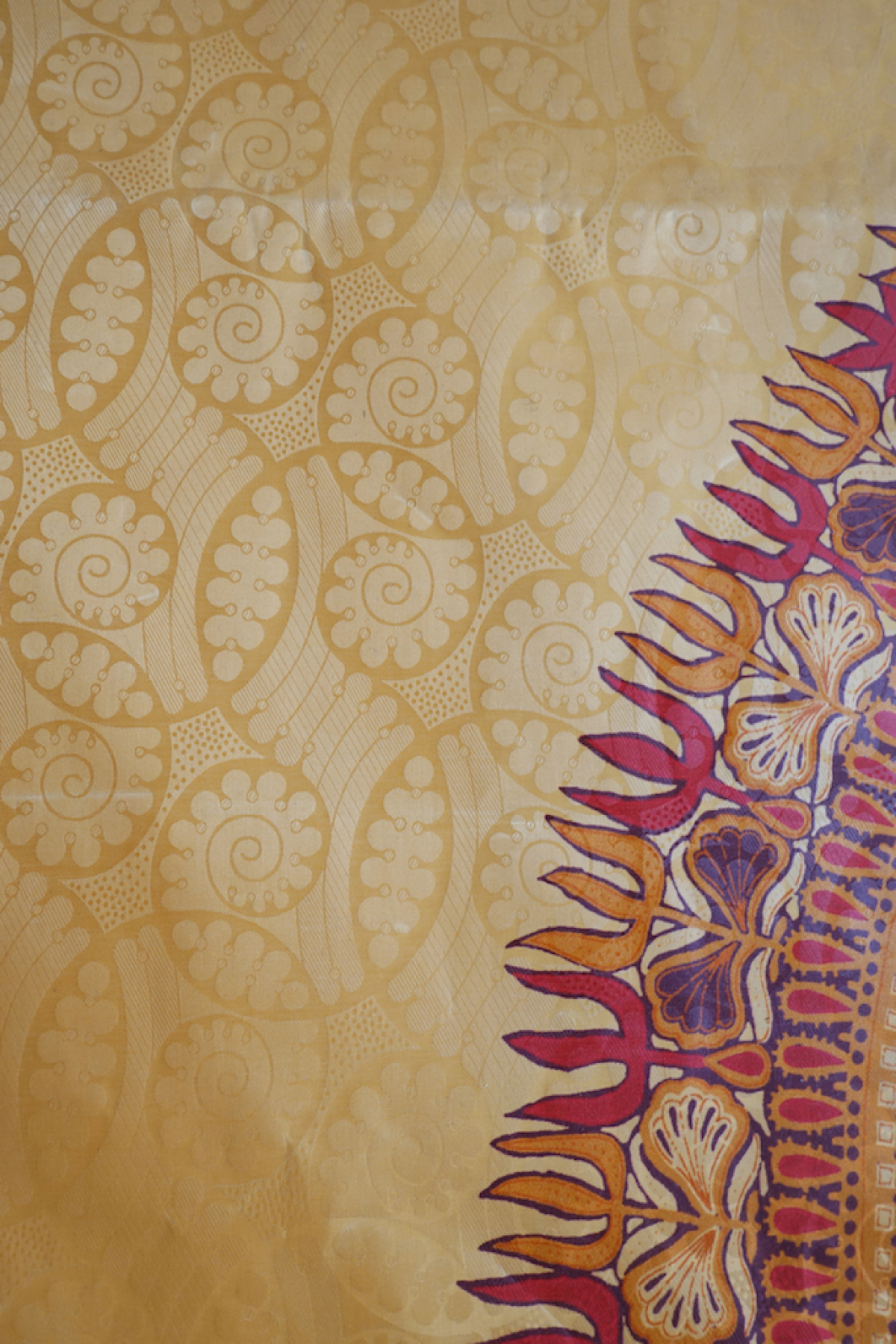
A feature of the large gown worn by men in various parts of West Africa is the use of a bazin or damask cotton cloth with a small, repeating abstract or geometric motif. Also known as shedda, it may have a plain or a satin ground. Sometimes it is left in a single colour, but often it is adapted to more local tastes, such as tie-dyed forms associated with Mali and Senegal. Bazin is used for traditional, regional outfits, as well as for household furnishings.
The word bazin comes from a type of cloth called bombasin (French) and/or bombasine (English), which was produced in northern Europe since the 18th century. The early forms were made of silk and wool and were particularly associated with Norwich, but nowadays most bombasine is made of cotton.
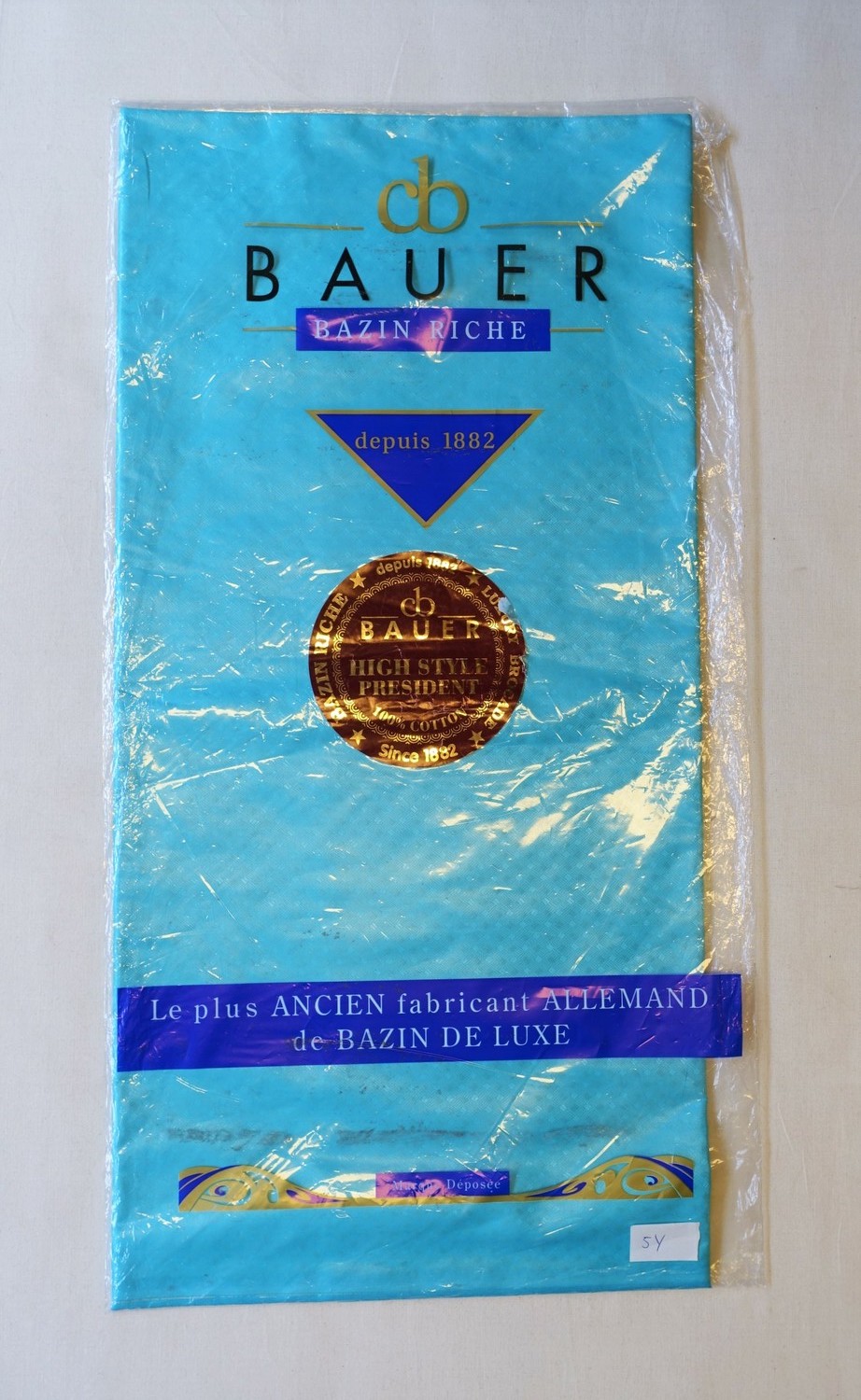 Length of cotton, bazin cloth for the West African market. Bauer Bazin Riche of the High Style President series.During the 19th century cotton bombasine started to be exported to West Africa and became very popular in countries such as Mali, where it was dyed using local techniques, including resist forms such as tie-dye.
There are three types of bazin currently exported to and used in West Africa, which are still described by various French terms.
- Premium: a damask made from superior quality cotton thread and with a closely woven design. These are usually produced in Europe, notably in Austria, Germany and the Netherlands.*
- Moyennement Riche: medium quality cotton damask, much of which is now produced in China for the African market.
- Moins Riche: a low quality cotton damask, again produced in China for the African market. *
Three of the major producers of bazin for the African market that are still working in Europe are Getzner, in Bludenz (Austria), Curt Bauer, in Aue-Bad Schlema / Hanau (Germany), and JH Victoire in Helmond (the Netherlands).
6. Leheriya cloths from Rajasthan, India
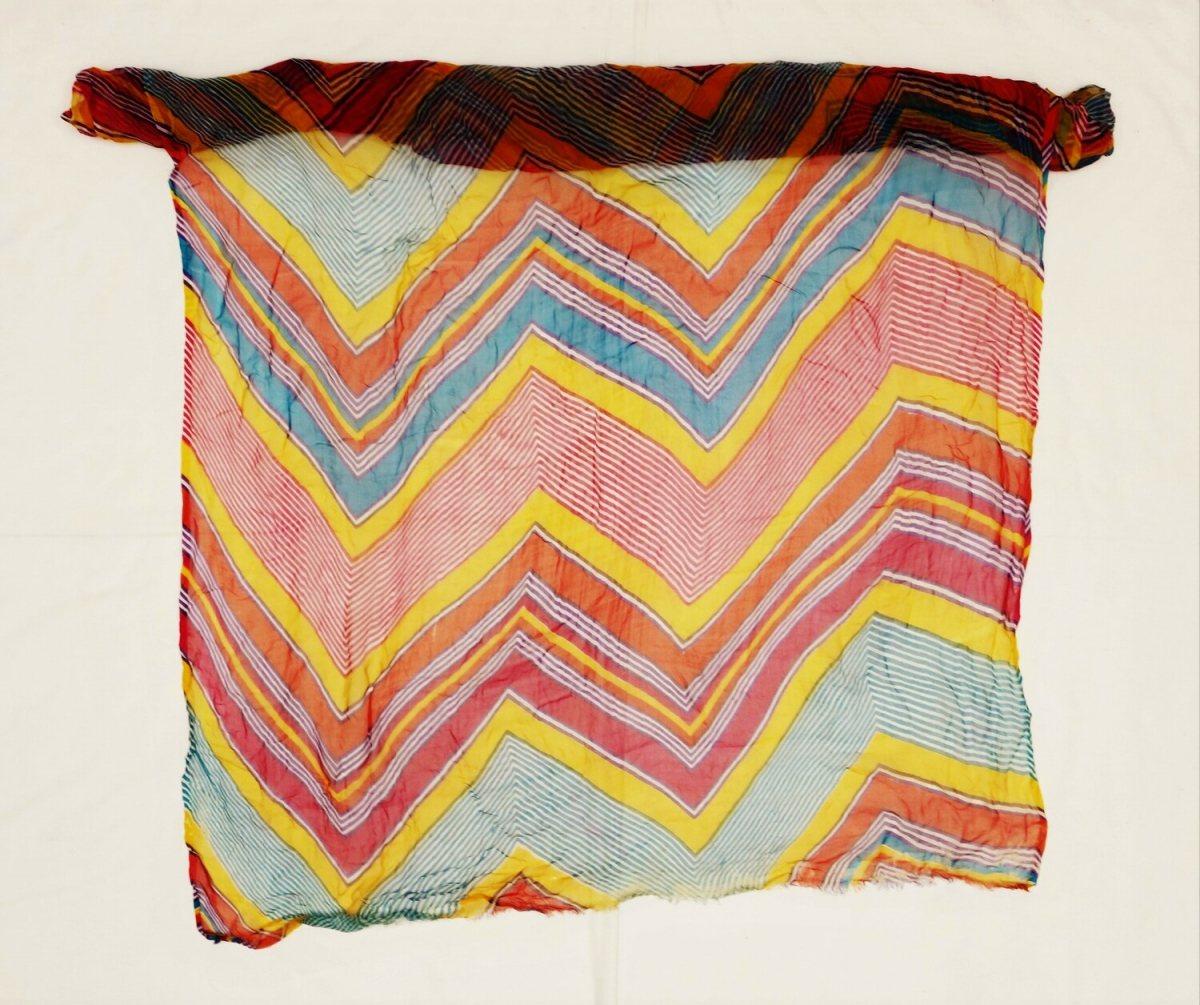
Leheria is a type of colourful, diagonally striped textile from Rajasthan, western India, that is particularly associated with the cities of Jaipur, Jodhpur, Nathdwara and Udaipur. The world leheria (laharia, leheriya) is Rajasthani and means ‘wave’ and refers to a form of resist dyeing associated with fine, open weave cotton or silk materials such as chiffon, georgette and cheese cloth.
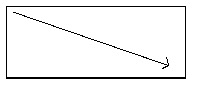 Sketch of the rolling-up of a leheriya cloth.More specifically it is a type of tie-and-dye cloth in which a length of material is folded in a concertina-manner diagonally from one corner of the cloth to the opposite corner. Prior to dyeing, the roll is bound at regular intervals with a thick, cotton thread that prevents the dye to reach the cloth under the thread. The cloth is bound and unbound, and dyed each time. The process is repeated according to the range and number of coloured stripes required. The dyeing process goes from light to dark colours, so it may start off with a white ground, be tied and dyed yellow, then green, and red before ending with dark blue.
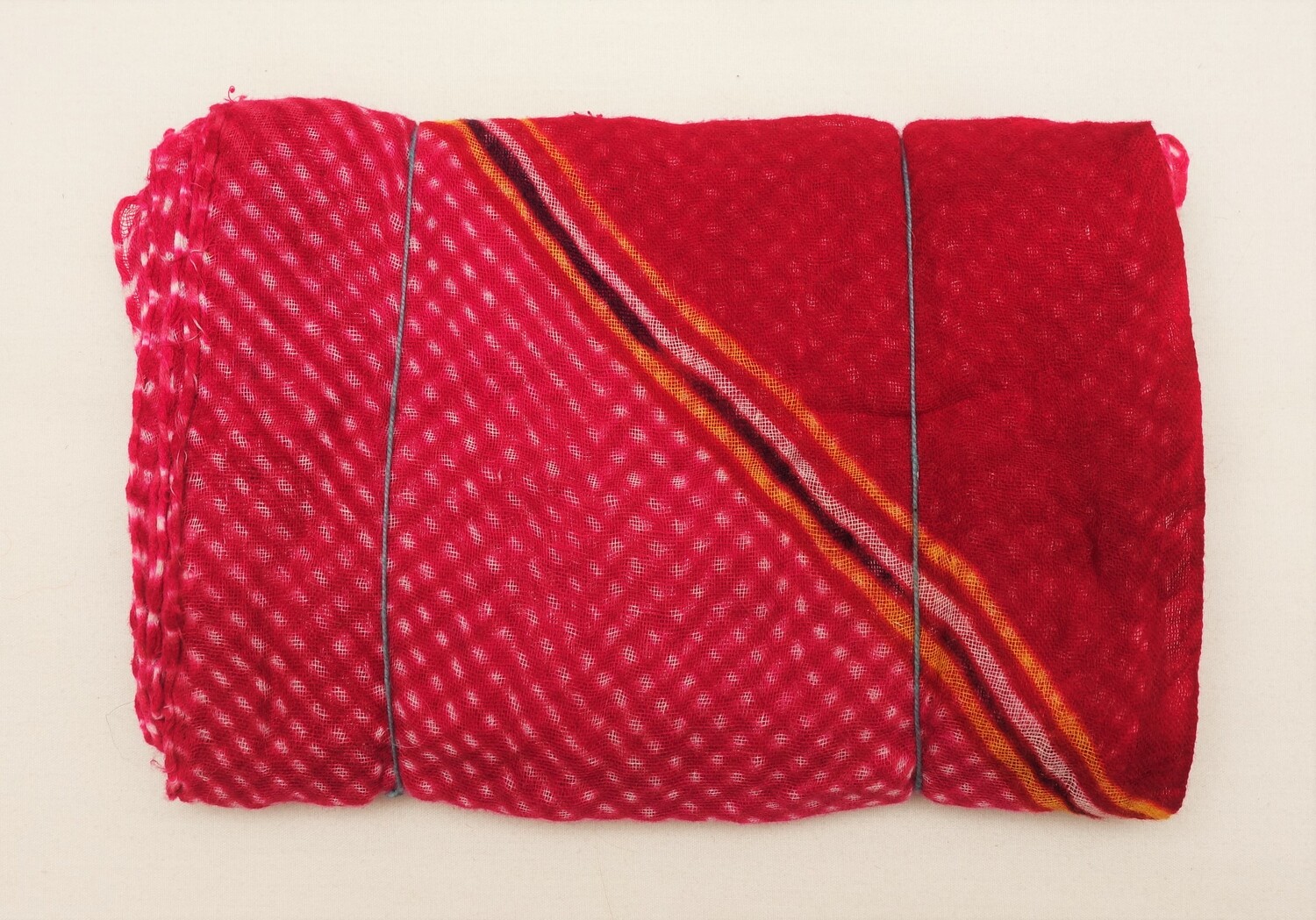 Turban cloth made from letheriya/mothra material, Jaipur, Rajasthan, India, 1980 (2022.2122).A ‘good’ piece of leheria will include five or more distinct colours, which are used to create a series of geometric patterns based upon diagonal lines of varying widths. Leheria is traditionally sold still rolled up with only a small section of the cloth unrolled, so a customer could see the final pattern.
Mothra
A variation of leheria is called mothra (mothara) and is decorated with a small checked pattern with diagonal lines in two directions. The mothra effect is created by rolling the cloth in one direction, binding it and then dyeing it. The cloth is then un-rolled, re-rolled in the opposite diagonal direction, re-bound and then dyed again. In the centre of each square where the diagonal lines cross is a little undyed spot. The little square has the size of a moth bean (vigna aconitifolia), called a moth in Hindi, hence the name of mothra.
 Cloth from Nigeria with the depictions of Leheriya cloths (TRC 2022.2322).
The long roll created during the leheria process is depicted on a Nigerian printed textile that was bought in the late 20th century, and now in the TRC Collection. The cloth has a selvedge text that states: VERITABLE REAL WAX 2181, imitating the texts on Vlisco labels from the Netherlands. The cloth may have been printed in Nigeria itself or possibly in India for the export trade with West Africa, but it belongs within the tradition of the Wax Hollandais cloth started by Vlisco.
See also a TRC blog: Colourful Leheriya resist-dyed cloth from Rajasthan, India.
5. VLISCO and West African printed textiles
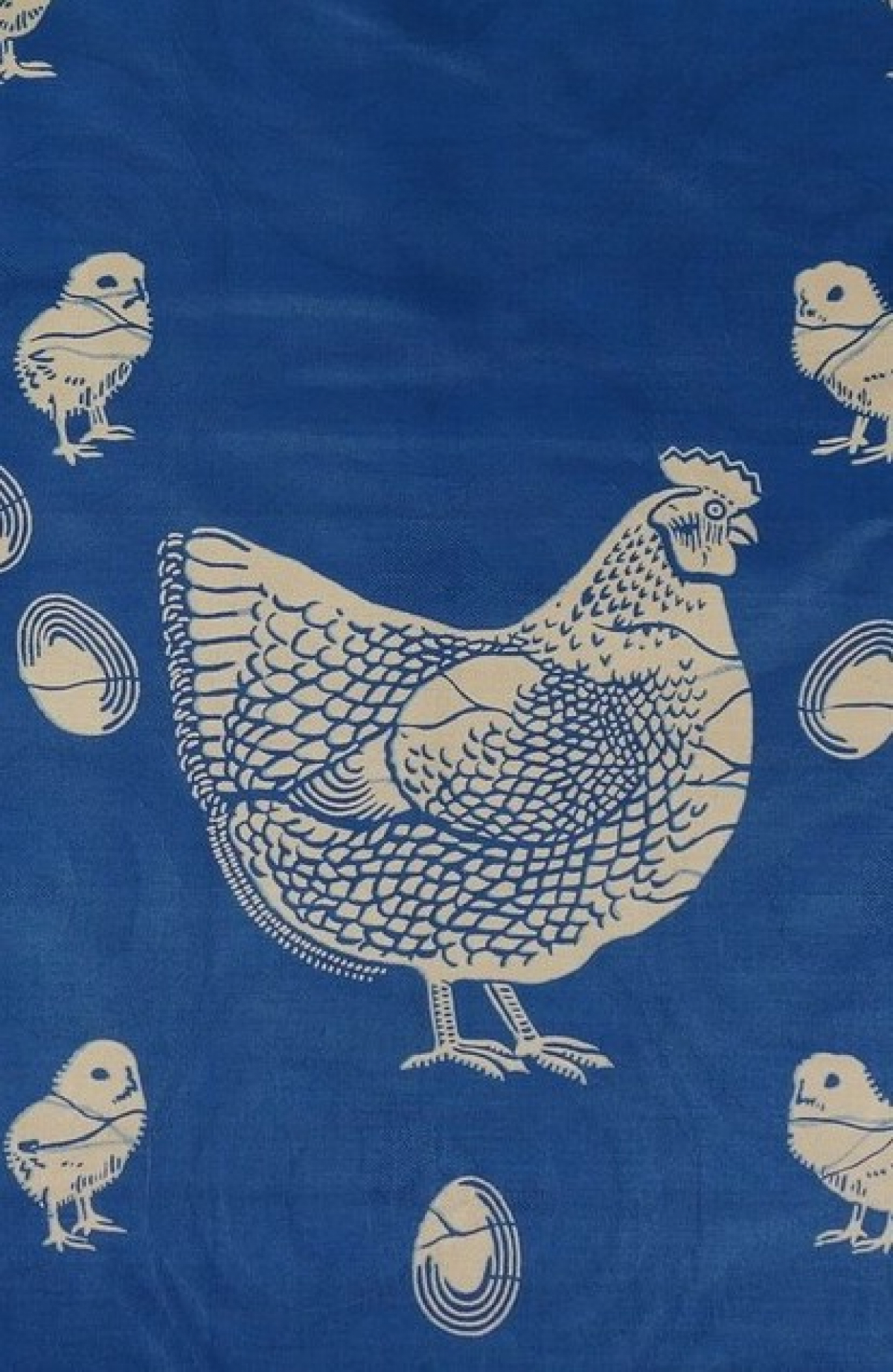
Vlisco was established in 1846 in Helmond, the Netherlands, when Pieter Fentener van Vlissingen (1826-1868) bought a textile printing factory and called it P. Fentener van Vlissingen & Co. The name was changed in 1927 to the more familiar Vlisco, an abbreviation of Vlissingen & Co.
The initial products of the company included printed handkerchiefs, kerchiefs, bedspreads and chintz-style cloths. In the mid-19th century, however, the company started to produce and export imitation batiks from what were then the Dutch East Indies (Indonesia). These were not made in the Indonesian manner of hand-resist dying using wax. Instead the cloth was roller printed on large machines. Nowadays a Vlisco textile is printed on both sides of the cloth and may go through up to 27 different treatments and take two weeks to produce.
Vlisco and West Africa
In about 1852 Vlisco cloth was being traded with various West African ports, by then still administered by Dutch colonial officials, and it soon became popular in much of the area. In addition, Ghanaian soldiers serving in the Royal Netherlands East Indies Army between 1837-1872 saw wax batiks in Indonesia and brought textiles and the interest in these textiles back with them to Ghana and other parts of West Africa, thereby reinforcing the growing popularity of these textiles.
 Vlisco wax cloth produced for the West African market (TRC 2022.2264).
 Vlisco cotton wax cloth for the West African market, possibly inspired by Japanese prints (TRC 2022.2367).The company produced batik-style textiles for both the Indonesian (Java wax-print) and West African (Wax hollandais) markets. The Wax hollandais designs were inspired by a wide variety of sources from China, India, Indonesia, Africa and Europe.
Due to their popularity and expensive nature, Vlisco designs were soon copied and adapted to local production techniques, tastes and financial resources. From 1963 onwards, to counteract the widespread imitation of their cloths, all Vlisco fabrics have a selvedge text that states: “Guaranteed Dutch Wax Vlisco” as well as a design number printed on both selvedges.
Popular designs are repeated about every 25 years (one generation), and all designs have a particular name, so that it is possible to send silent messages based on the patterns worn – such as Prancing Horses and Caged Birds. Most of these names are of local origin and are not given by the producers.
4. Kangas from East Africa and India
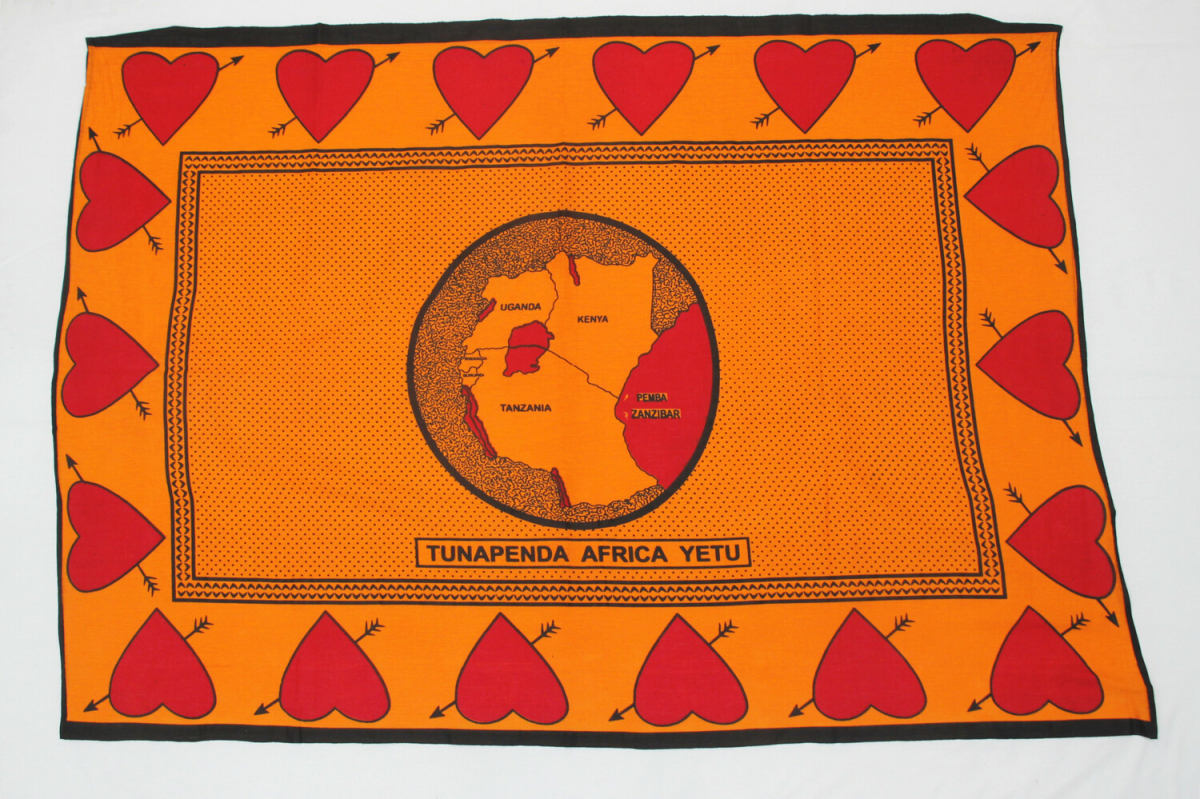
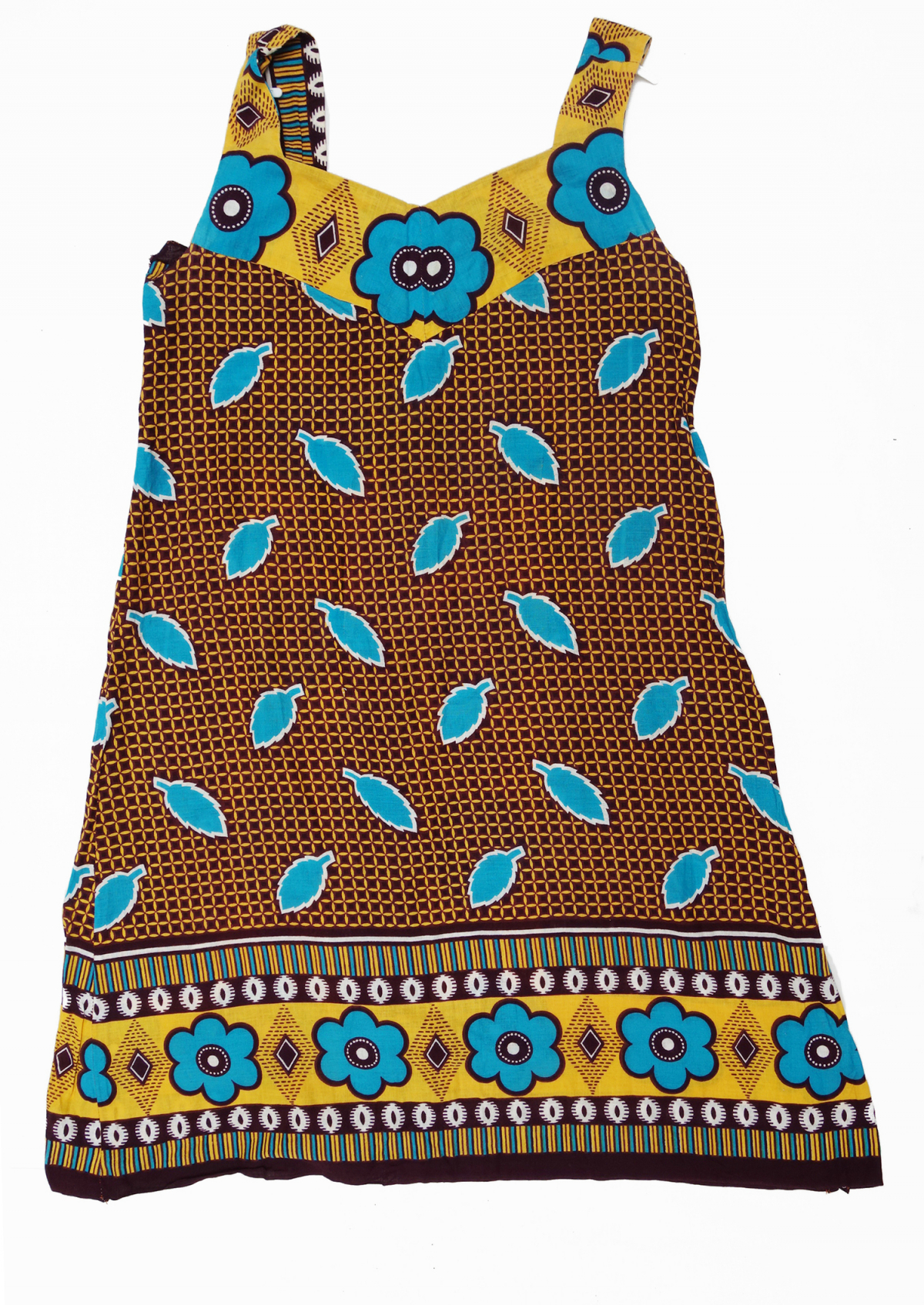
Kangas are large, rectangular cotton cloths (c. 150 x 100 cm) that are brightly coloured and have a distinctive, printed text. They are worn by women living along the east coast of Africa, especially in Kenya and Tanzania. Kangas are also worn by some groups in Oman, due to long standing, historical connections between the various countries.
Kangas and similar garments have been part of the East African, Swahili dress code since the late 19th century. Throughout the decades kangas adopted textual and decorative elements from Arab, African, European and Indian sources. The garments are regarded as an essential item of a woman’s wardrobe and are worn on a daily basis in and around the home and outside, as well as on important occasions such as weddings and funerals.
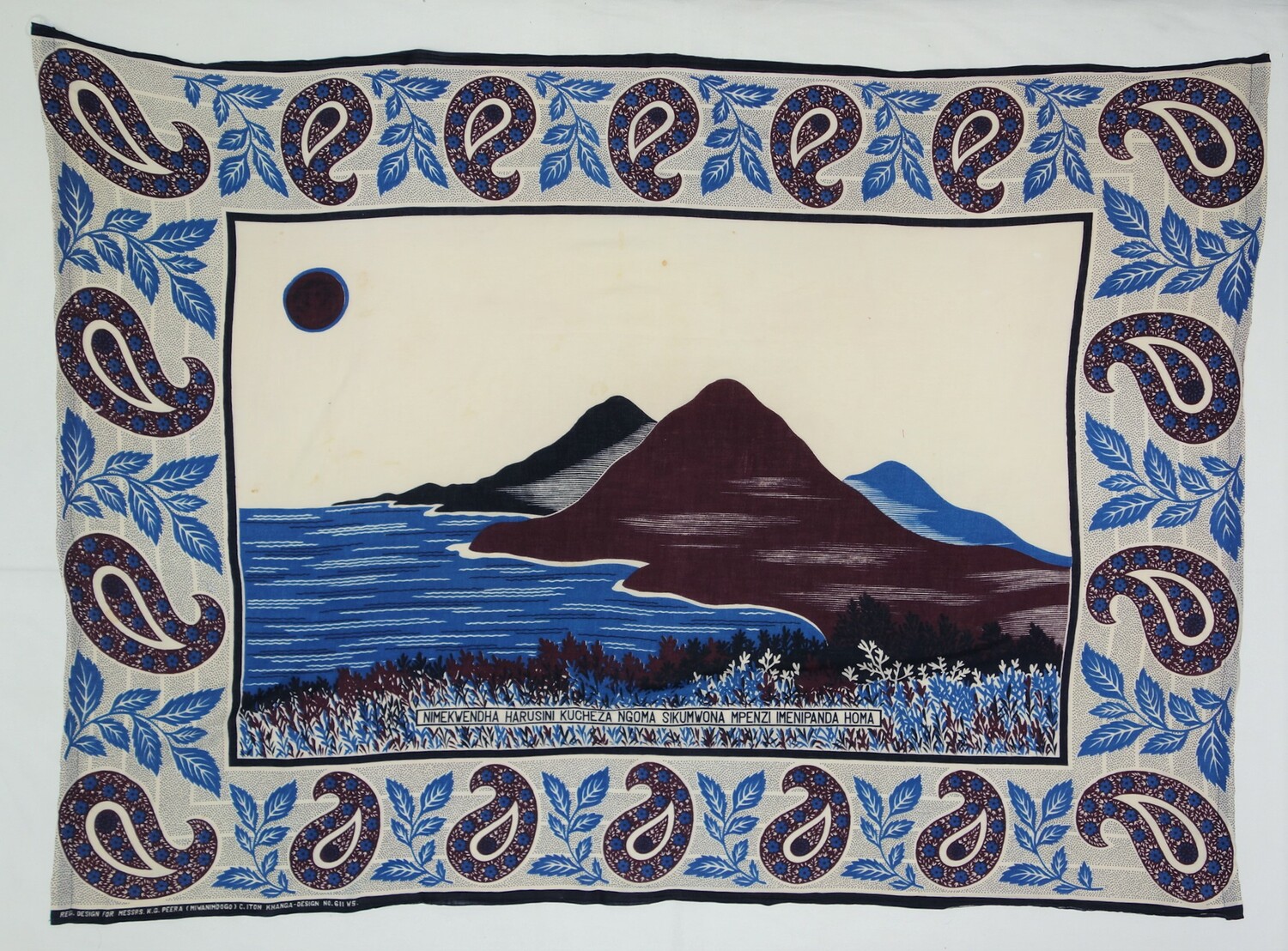 Kanga from Tanzania with a landscape design, 1960s (TRC 2014.0929).
Their designs, colours and texts are not static. They are constantly being modified and adapted to the current economic and political situation, as well as customer demand. The designs on older kangas were made locally or in India, with hand printing using large, wooden blocks. More recent examples, however, tend to be machine printed using a system of rollers. The modern versions are usually made in Tanzania and Kenya for their local markets. Examples from India are sold in Oman as well as in East Africa, but they are not as highly valued, as both the cloth and designs tend to be of a poorer quality.
Kanga designs and messages
The kanga cloths are normally bought in pairs. They always have a decorative border (pindo), and a different pattern in the central panel (mji). The main patterns range from simple geometric shapes to depictions of locally important buildings and events. The distinctive feature of the kanga is the saying (jina), printed along the lower edge of the central panel. Most of the sayings are in Swahili, the common language of East Africa. In the older versions, however, these sayings were written in Arabic script, more recent ones, however, normally use Latin script. Occasionally sayings in English can be found, but these are generally intended for the tourist market. All of the sayings contain messages about friendship, love and politics. In fact, they may refer to just about anything.
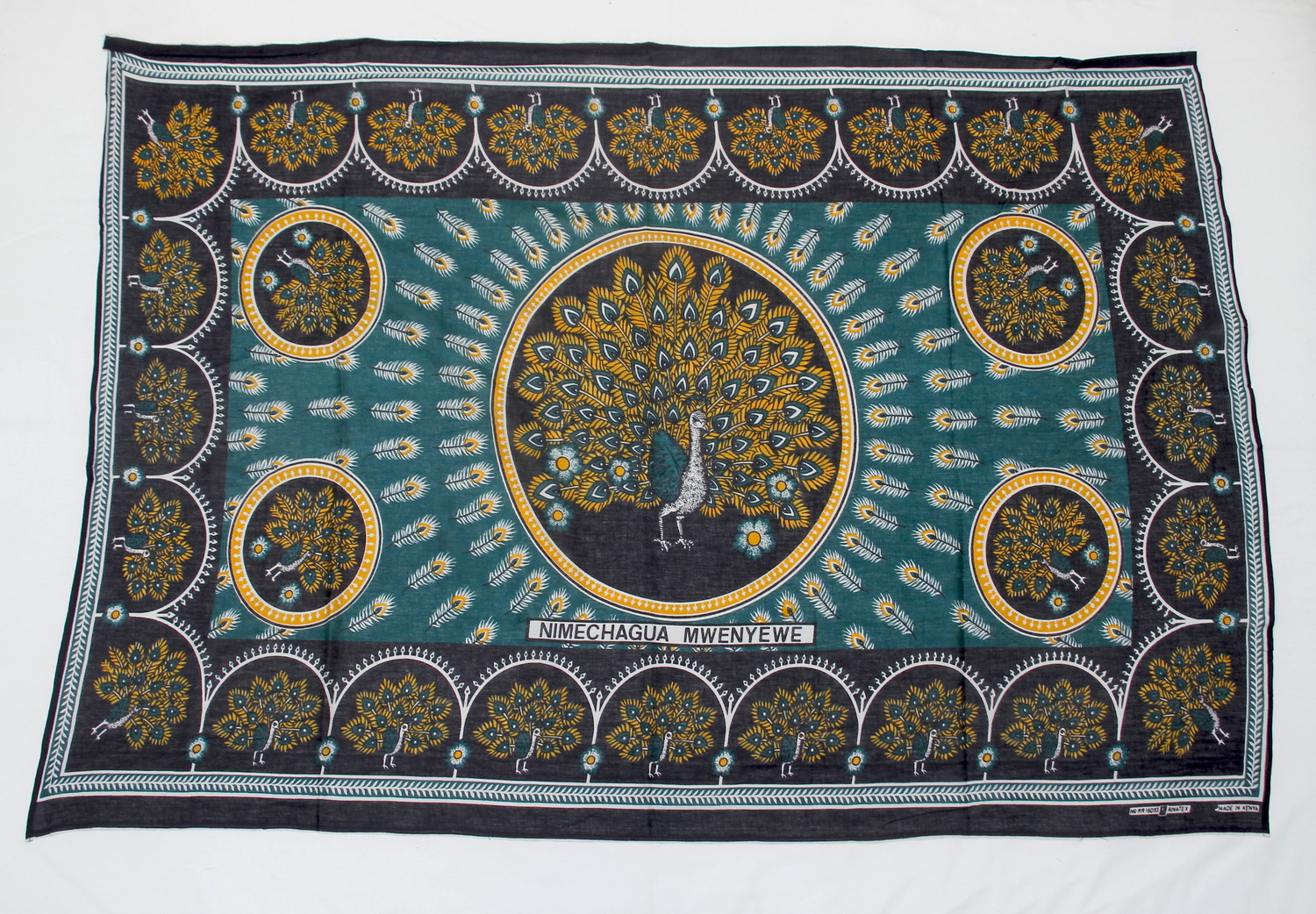 Kanga from Kenya, 2010. The saying states: NIMECHAGUA MWENYEWE ("I have chosen for myself"). (TRC 0133)
How are they worn?
Women use the kangas in various ways: for carrying their baby on their backs, as a general wrapping around the body, and as sheets at night. When worn as clothing, one kanga is wrapped around the body at chest height in order to cover the breasts and lower part of the body. The other kanga is draped around the head and shoulders, acting as a modesty veil. Nowadays, kangas are sometimes made into a blouse and trouser outfit.
3. Indian George and Madras textiles
For centuries a popular type of textile used by the Igbo people in Nigeria is called ‘George cloth’. During the 20th century this type of cloth became popular among a much wider group in Nigeria and among Nigerians living elsewhere in the world. In the Netherlands it is known as Madras cloth. While many know that the cloth originates from India, the question remains: what exactly is ‘George’ or 'Madras' cloth?
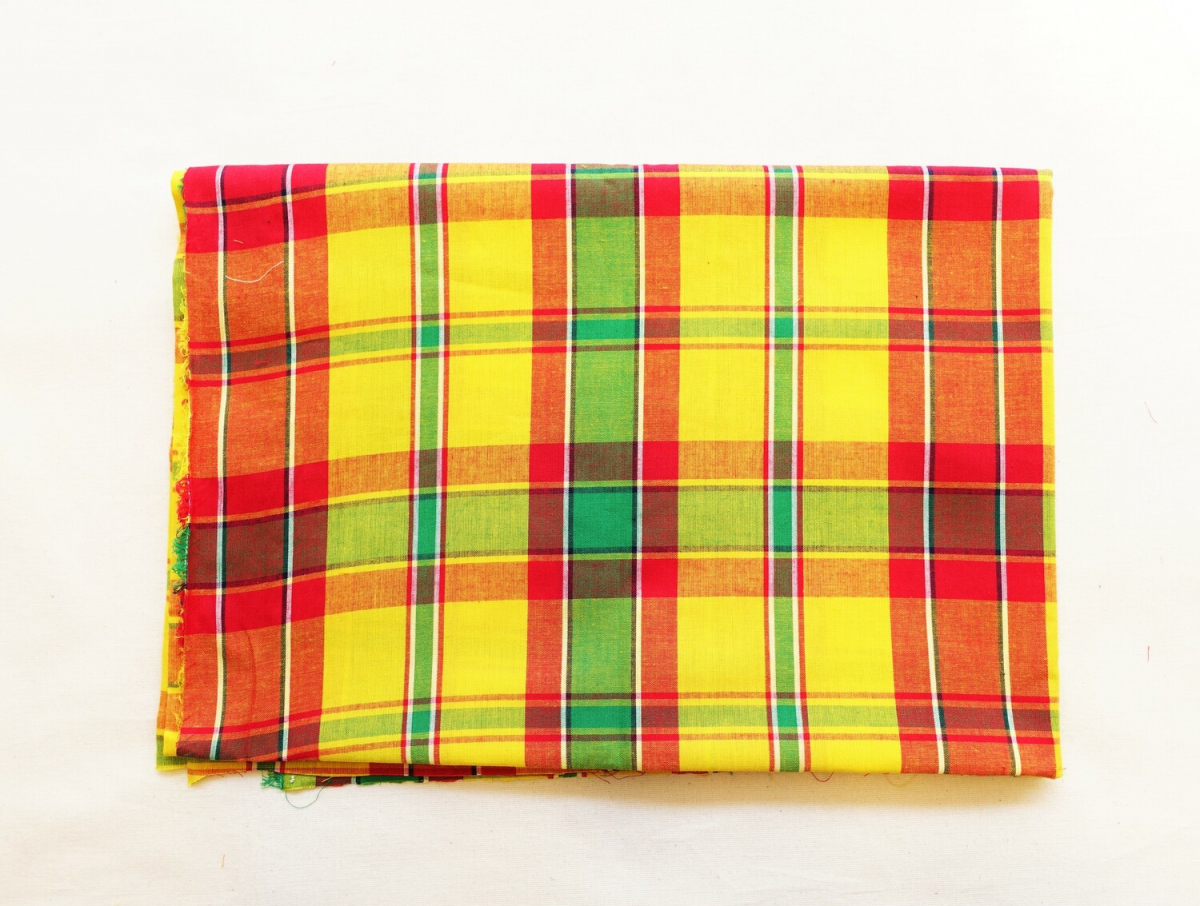
It would seem that there is no consensus concerning exactly what makes a Nigerian George cloth. Sometimes it is described as ‘plain George’, while other forms are known as ‘fancy George’. There are also checked (tartan, plaid) Georges with embroidered squares, plain Georges with gold coloured thread woven into it, not to mention embroidered Georges with floral motifs using sequins and mirrors.
 Madras or George cloth produced in the Netherlands (TRC 2022.2391).Going a little deeper, there is a story behind the Georges that dates back to the 17th century. In 1611 the British East India Company set up a factory (trading post) near the fishing village of Madraspatnam in southeastern India. The region around the fishing village was well-known for the quality of the cotton spinning and weaving. The British merchants encouraged weavers to produce textiles that were then traded and exported from what became known as the city of Madras and since 1996 is known as Chenni or Chennai.
This is the beginning of the huge international trade in what became generically known as Madras cloth or Madras-doek in the Netherlands. The story continues because the Dutch took Madras cloth to their colonies in the Caribbean and West Indies, including Surinam and Curaçao. This type of material is still known in the West Indies as Madras.
 George or Madras cloth produced in the Netherlands (TRC 2022.2401).It is understandable why the cloth is called Madras, but why is it also called 'George' in Nigeria? In 1639 the British were given permission by the rajah of Chandragupiri to build a fort near Madraspatnam, which was called Fort St George after the English patron saint. It would appear that since at least the 18th century any cloth produced in the vicinity of Madras and traded in what is now Nigeria and elsewhere was called a ‘George’, while elsewhere it was known as Madras. It also explains why there is no clear definition of George cloth in Nigeria, as it ‘simply’ means a southern Indian woven cloth that can be plain, striped, checked, or decorated with some form of embroidery.
2. Medieval Indian textiles from Quseir al-Qadim in Egypt
For hundreds of years India has been exporting textiles to the east coast of Africa, and hence onto the eastern Mediterranean via the Red Sea. During the Roman period, for example, Indian cotton textiles found their way to the Red Sea ports of Berenica and Myos Hormos, later known as Quseir al-Qadim. The Periplus of the Erythraean Sea, a shipping manual written in Greek during the mid-first century AD, provides information about the type of goods, including textiles, that travelled to and from India, East Africa, the Red Sea and the Arabian Peninsula.
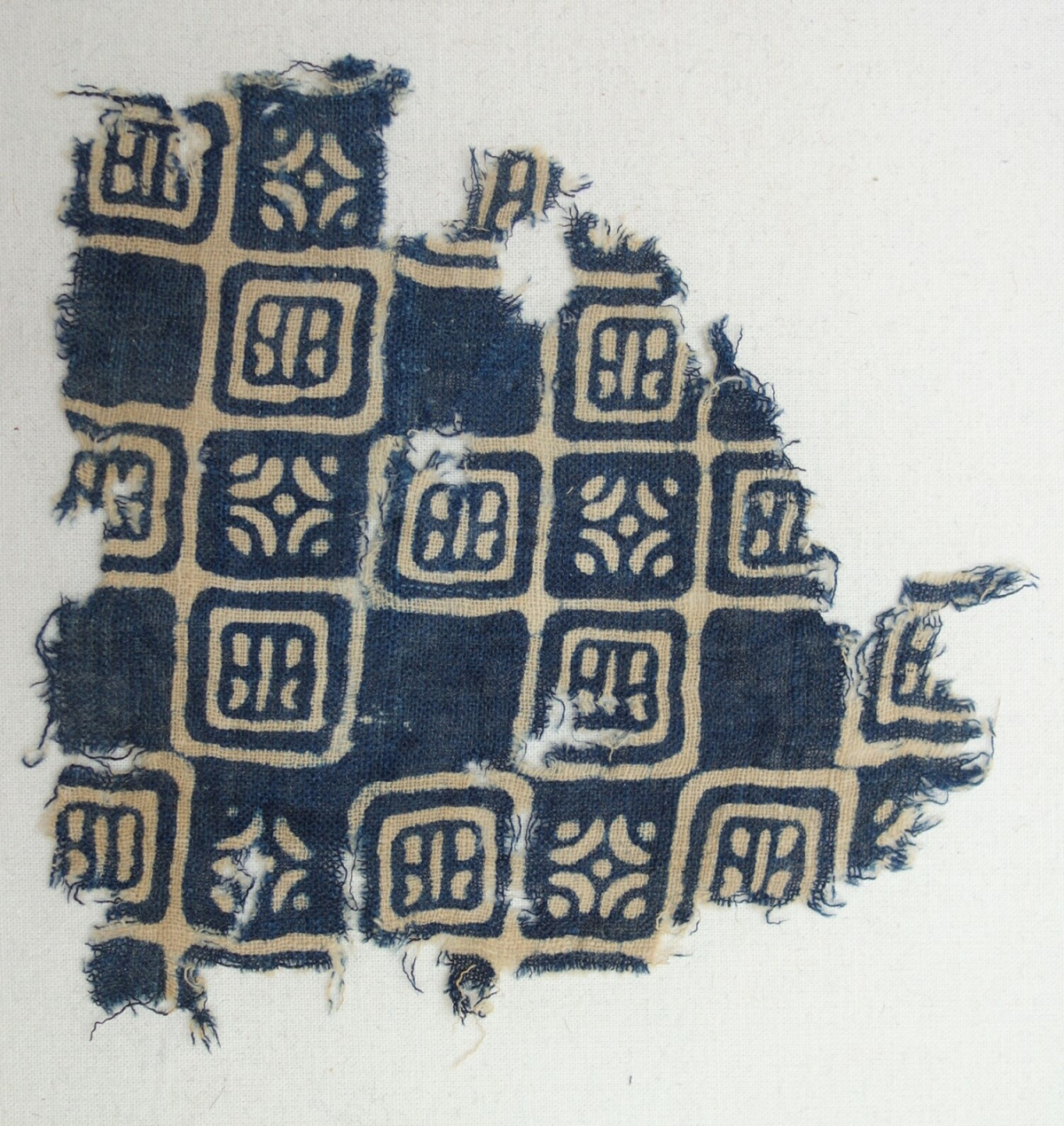
 Fragment of medieval cotton textile from India, excavated at Quseir al-Qadim, Egypt, in early 1980s (TRC 2020.0245b).Quseir al-Qadim was a busy port during the Roman period and contemporary Indian cotton textiles were found at the site, but when the economic conditions declined in the 2nd century the port of Quseir went into decline. A thousand years later however, the Egyptian economy was once more booming and the port was active for about another 150 years.
During that time, in the 13th and 14th century, Quseir al Qadim also saw the import of cotton and silk textiles from western India. Some of them were transported to southern Egypt and were found at medieval sites such as Gebel Adda and Qasr Ibrim.
Other textiles were moved northwards to Fustat, the capital of Egypt at that time and now a suburb of modern Cairo. The TRC Colleciton includes fragments of these medieval Indian textiles, discovered at Quseir al-Qadim in the early 1980s.
The type, decoration and indeed quality of these medieval cotton textiles were varied. Some of the pieces, excavated in he 1980s, were directly printed using small blocks that appear to have imitated Chinese seals.
Other textiles were resist-dyed with wax and have a lightly coloured design on a darker ground. There were also examples of block printed textiles, some of which have a design of stylised animals and birds on either side of a tree, a traditional design associated with the tree-of-life.
1. Introduction
For thousands of years individual textiles, huge bales of cloth, not to mention people wearing clothes and carrying textiles moved around the world. They travelled in all directions, literally north, south, east and west and everywhere in-between!
Sometimes this movement was voluntary in the form of trade or pilgrimage, on other occasions it was forced, as in the deliberate exile and movement of specific ethnic and cultural groups and craftsmen and women. All of these travels have added to an enormous pool of techniques and skills that make a piece of cloth or a garment, and as a result every textile may entail a long story of travel and development.
The on-line exhibition Textile Travels looks at some textiles with stories of complicated travels . They are told more or less in chronological order and begin with medieval Indian textiles that were exported to the west as part of a much bigger trade in textiles, thousands of years old, that led from the Indian sub-continent to China, Indonesia, Central Asia, Iran, Africa, the Middle East, as well as the Mediterranean and Europe.
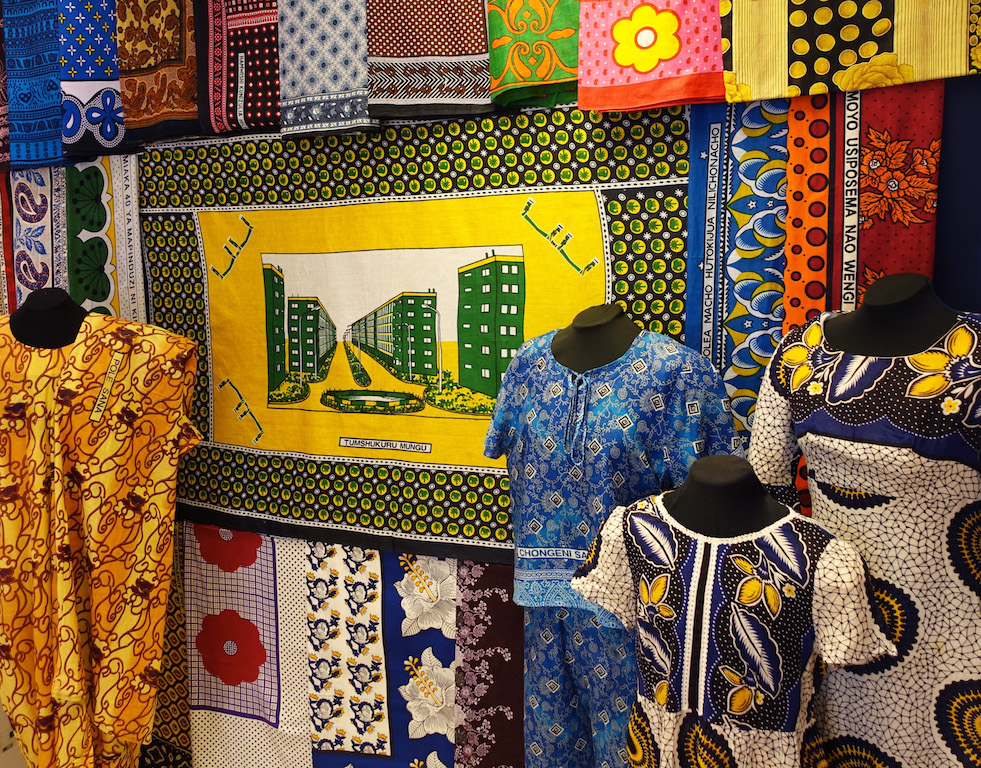 Impression of the TRC exhibition Textile Travels, Sept.-Dec. 2022
The seventeenth century saw many changes in the world, when European trade, and with it military and political power expanded rapidly. This story is reflected in the development of the Madras cotton industry in southeastern India and the British trade in so-called George textiles from Madras, that are also known in Holland as Madras-stof, still popular in West Africa and the West Indies.
Another significant development in the Indian-African textile trade took place in the late 19th century when wrap-around cloths for women were printed and exported from India. These became known as kangas and are now mainly locally produced in Kenya and Tanzania for the East African market. They are characterised by the presence of a saying in Swahili that reflects daily feelings and events.
 Kanga with the depiction of President Barack Obama (TRC 2015.0350).
Feelings and events are also reflected in another group of textiles, namely the so-called Wax Hollandais prints. These textiles are based on Indonesian resist-dyed batik techniques, and they were imitated from the mid-19th century by the Vlisco company in Helmond, the Netherlands and became (and still are) an important and prestigious type of printed textile found in West and Central Africa. They have since been copied by numerous printing companies in Africa, Asia, as well as Europe.
There is an imitation Wax Hollandais that was bought in the late 20th century in Nigeria. The cloth may have been printed in Nigeria itself or possibly in India for the export trade with West Africa. It shows a series of long cloth rolls that reflect the production process of tie-and-dye leheriya cloth from Rajasthan, India. The cloth has a selvedge text that states: VERITABLE REAL WAX 2181", in imitation of Vlisco labels.
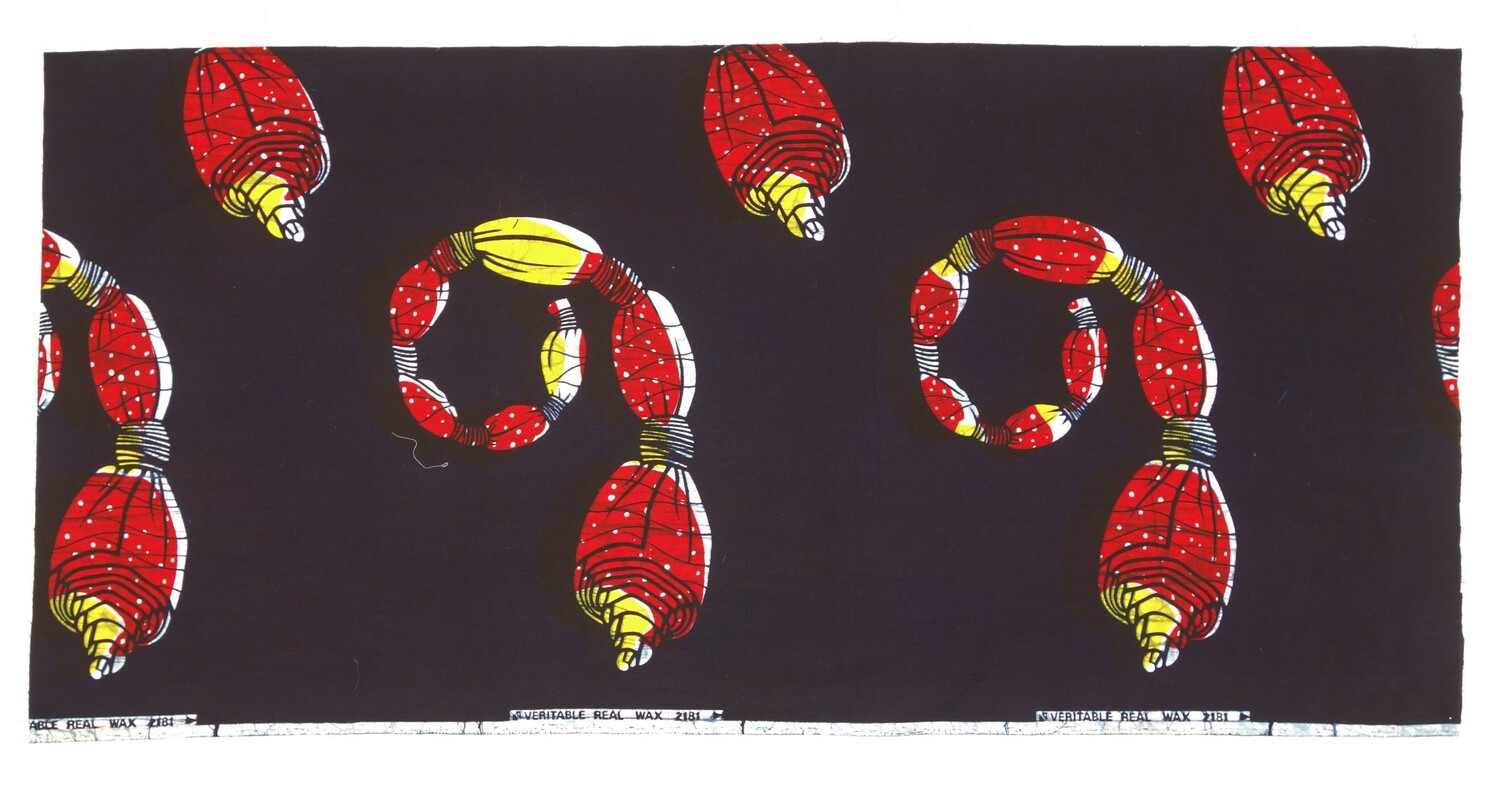 Wax print from Nigeria, showing the rolled up cloths of Rajasthani resist-dyed leheriya textiles (TRC 2022.2322).
Finally, a related story is that of bazin cloth very popular in West Africa, especially in countries such as Ghana, Mali and Sierra Leone. Bazin is a damask cotton cloth made in Europe (the best is said to come from Austria), which is sometimes dyed using West African resist techniques, while others are produced and printed elsewhere, including China.
8. Paisley for all
One of the features of the paisley motif is its versatility. It can be worn on any occasion and in any place or occupation. It can also come in a wide variety of forms, as embroidery, lace, as a beaded ornament. It can be printed and woven.
The paisley motif can be found on many forms of dress, from baby garments and Christening robes, to adult garments including swimwear (trunks, swimming costumes and bikinis), sportswear (including women’s weight lifting gloves and the costume of the Azerbaijan Olympic team of 2010), through to casual wear as well as items of high fashion. And not forgetting accessories such as bags, handkerchiefs, and, of course, corona virus facemasks.
Famous figures such as Chuck Berry, Cliff Richard and David Bowie have worn paisley, while designers and designer firms such as Yves Saint Laurent, Burberry, Gucci and Dolce & Gabbana, as well as well-known textile groups such as Liberty’s of London, have all produced ranges of paisley fabrics.
In Italy, for example, during the 1950’s and 1960’s, the Italian designer Emilio Pucci created a successful print called cachemire siciliano, which mixed symbols of Sicily with the paisley motif. In addition, in the 1980’s the Italian fashion brand ETRO made the paisley pattern into its iconic motif and it remains widely used by them to the present day, especially in Italian prêt-à-porter.
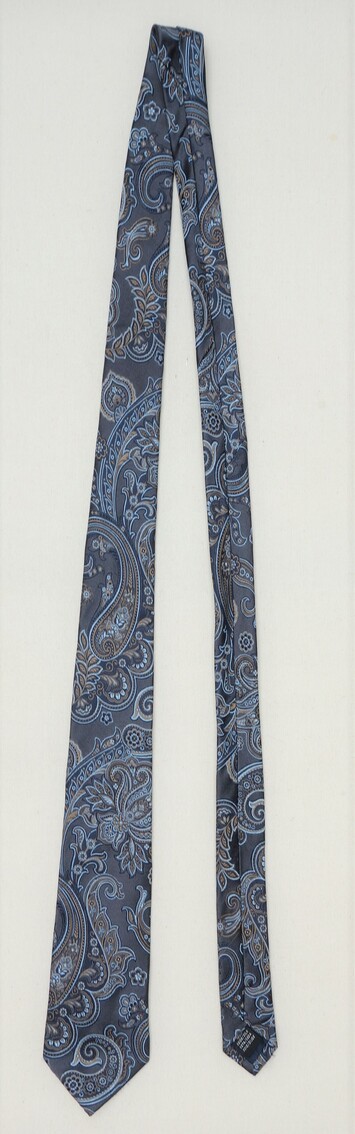
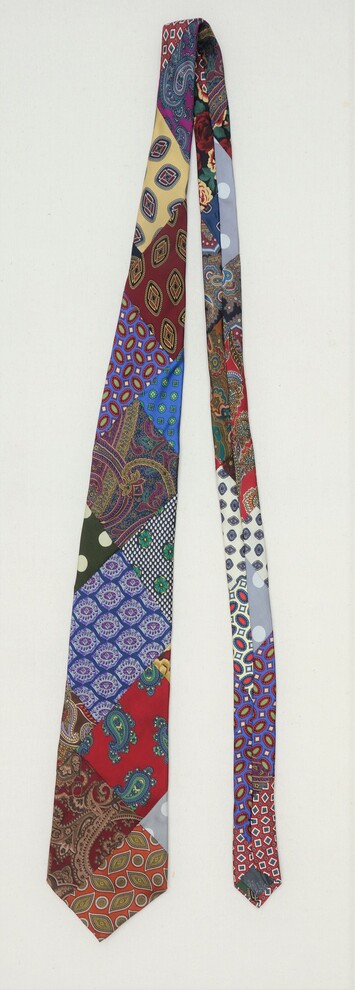
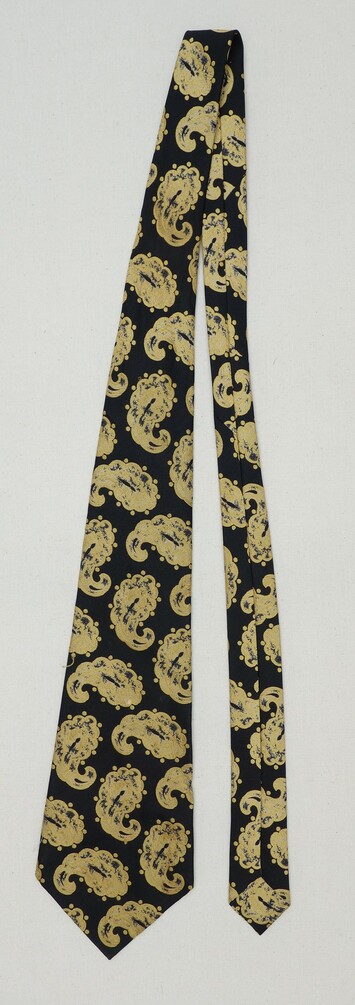
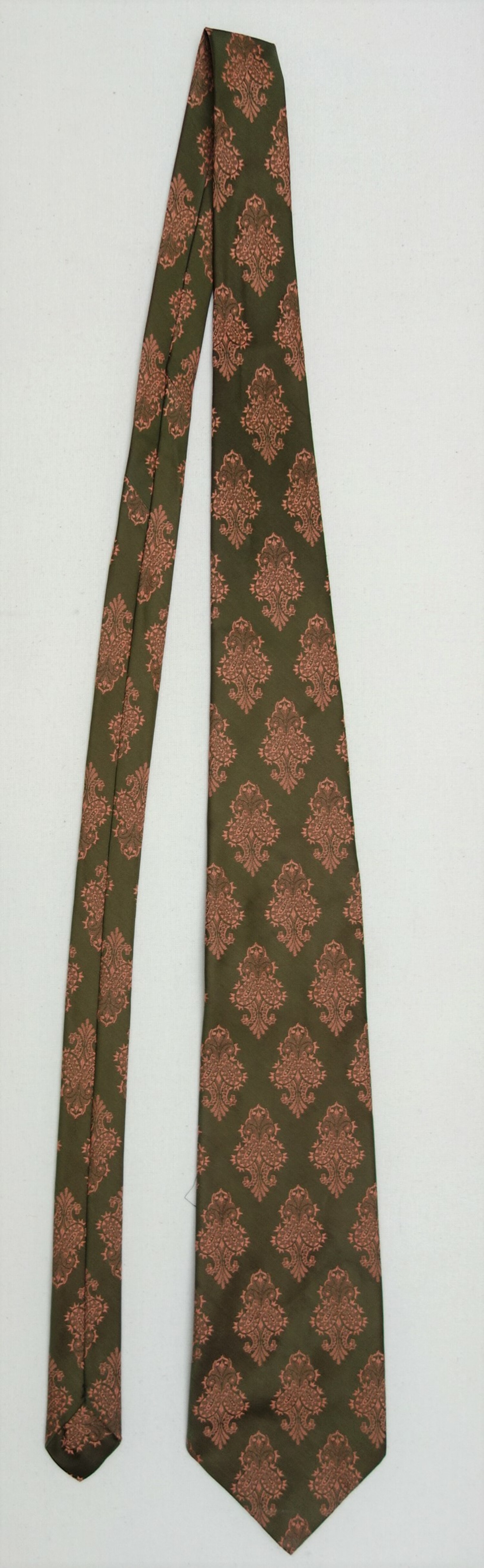
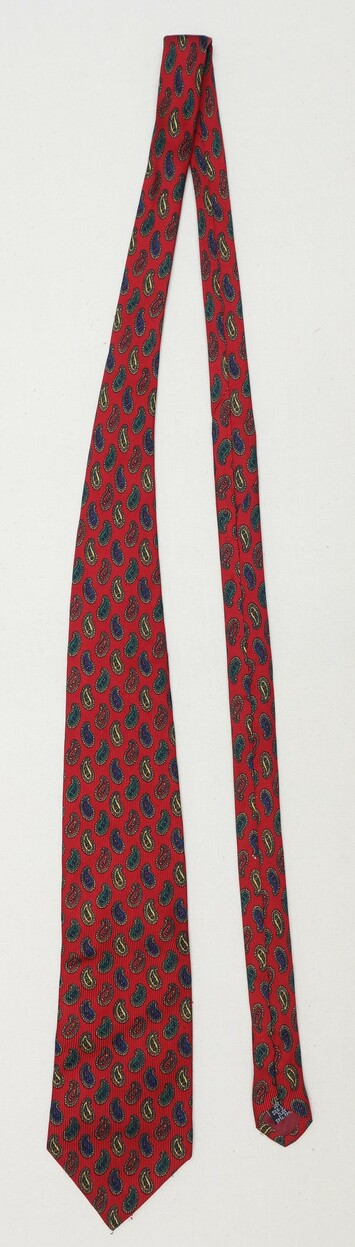
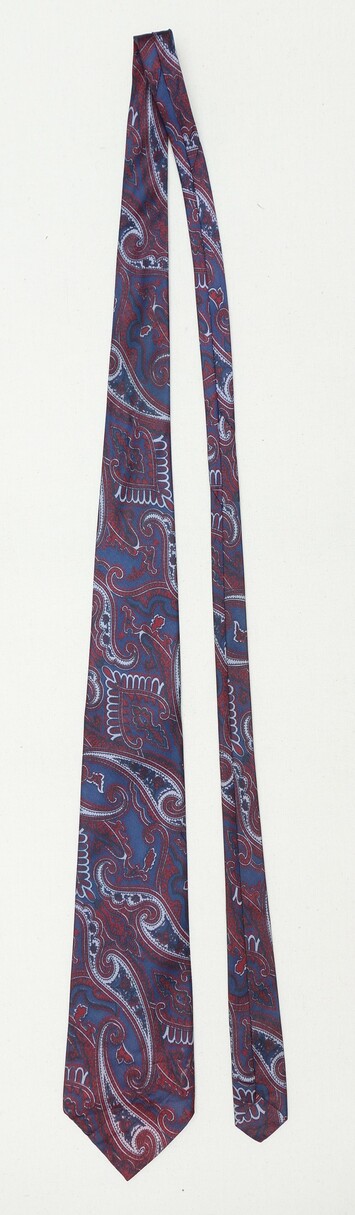
A small selection of modern gentlemen's ties with paisley motifs from the TRC collection. Please click on the image for more details.
Paisley for men
The wearing of paisley decorated garments by men literally ranges from their socks, underwear, trousers, shirts, handkerchiefs to pochettes and neckwear. Since the early 19th century, the paisley motif has appeared on scarves, cravats, ties and bowties. There are elegant forms as well as ‘loud in the face’ forms. The American businessman, Jim Thompson (1906-1967), made paisley silk ties into a feature of his silk works in Thailand and wearing a Jim Thompson tie in parts of Asia was regarded by some as a mark of wealth and connoisseurship.
A totally different form of neck- and headwear are bandanas. These are large squares of cotton cloth with a printed design of some kind. They are often associated with cowboys, but their history dates back to the late 18th century. When bandanas started to include the paisley motif is not clear, but it is likely to have been in the early 19th century when the paisley shawls were beginning to gain in popularity.
Bandanas are now also being worn by a wide variety of men and women, including country and western singers, motor bike riders (bikers), as well as gang members, with different fractions wearing, for example, red or blue paisley bandanas. Some of the bandanas include mixed paisley motifs and skulls.
 Paisley for women
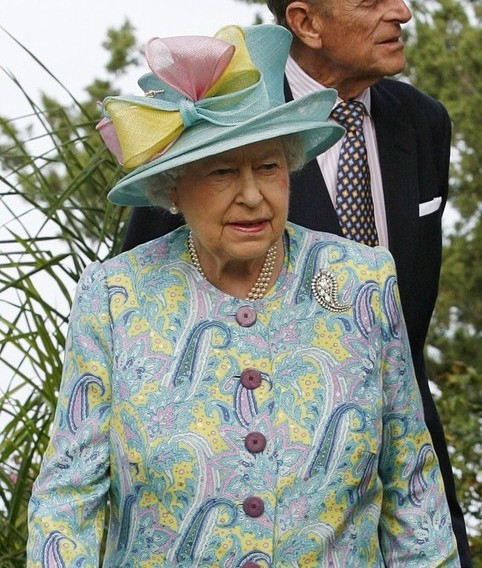
Although paisley is mostly associated with 19th century women’s shawls, the use of paisley in women’s clothing is much wider. In the 19th century, for example, woven paisley cloth was used for bodices, jackets as well as skirts and aprons. The motif also occurred on ribbons, bands and lace.
Dresses, blouses, skirts, trousers and beachwear, using cloth with paisley motifs, were popular in the 1900’s through to the present day. It also occurs on virtually everything, from underwear to stockings, as well as on accessories such as gloves, hats and shoes.
As the fashions in materials, designs, colours, style and cut of women’s dresses changed over the last century, so did the appearance of the paisley motif. There is a big difference between a 1930’s paisley dress, and one of the 1950’s and 1960’s. From the 1960’s onwards there was also a growing difference between formal and informal wear, as well as urban versus folkloristic (bohemian) styles of garments. These are trends and fashions that are reflected in the form of the paisley motif used.
Steampunk gothic
Steampunk is a ‘retrofuturistic’ fictional genre and a form of cult clothing that developed in the late 1980’s. It is based on the concept of 19th century industrial and steam powered technology, mixed in with modern science fiction and horror. The associated fashion scene is a mixture of 19th century retro-fashion and fantasy. Not surprisingly, paisley is a popular motif of this group and is worn by both men and women.
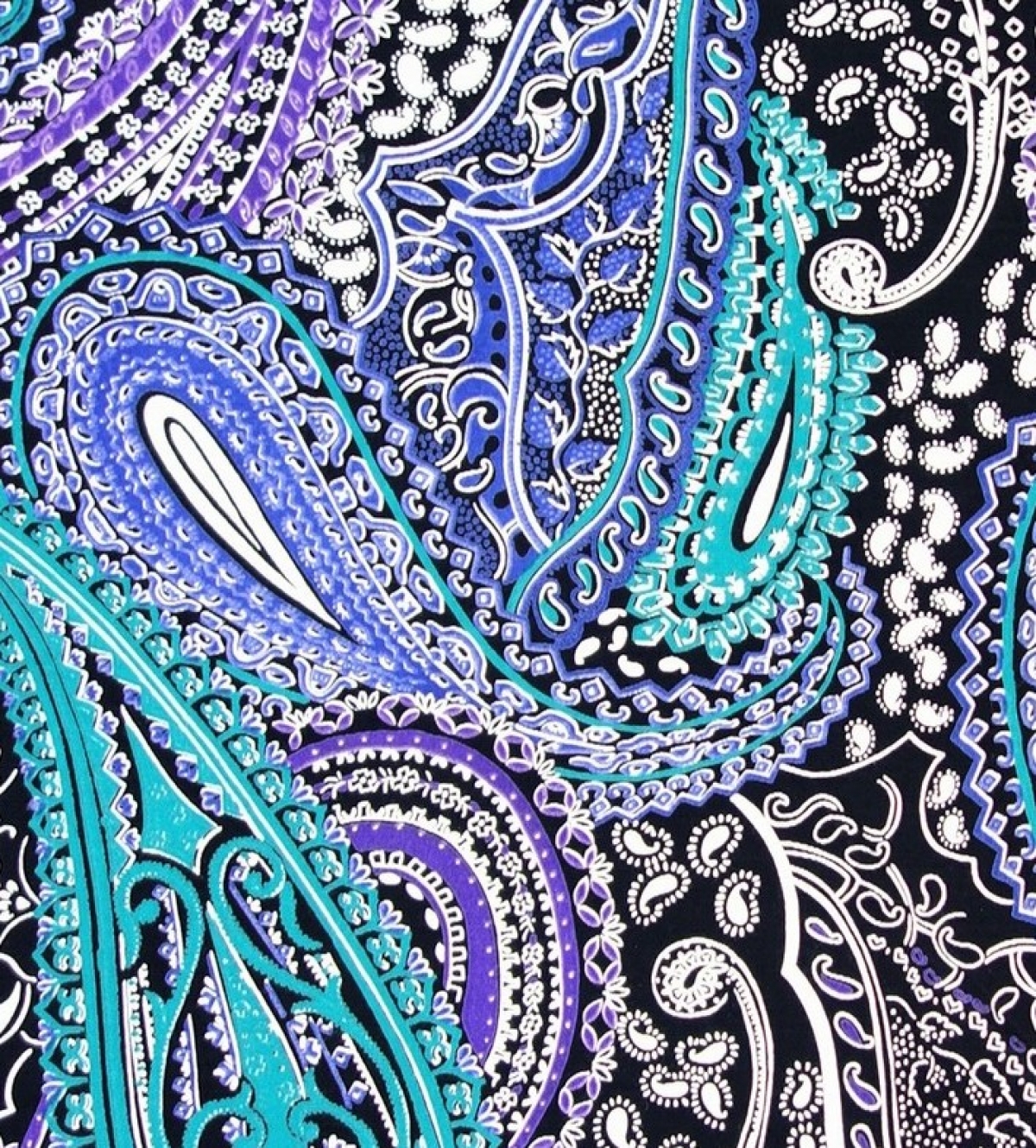
Paisley is for everyone!
7. Some Western paisley variations
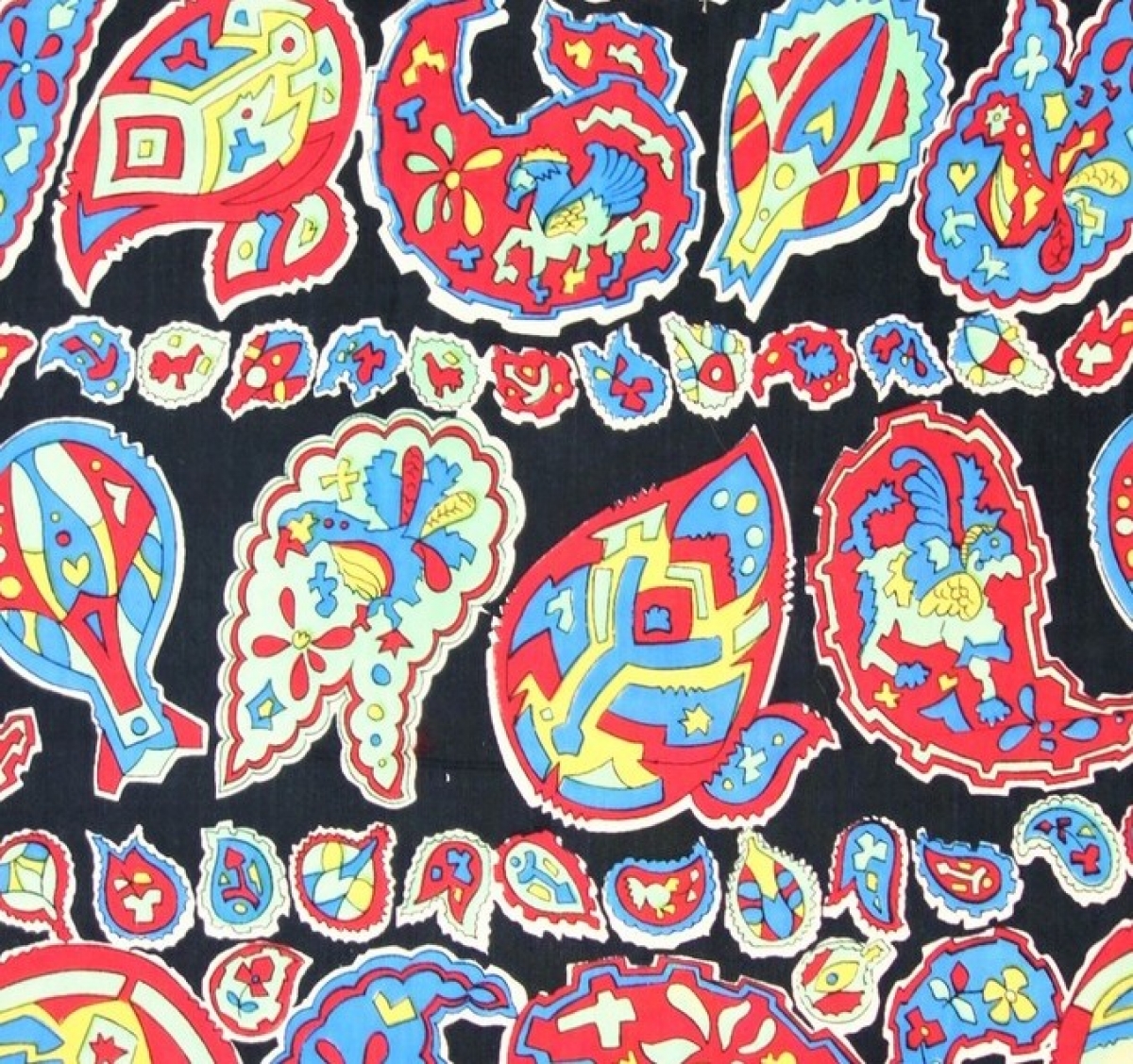
Over the centuries, various forms of the paisley motif have developed in the West. In particular throughout the 20th century, the paisley motif has been creatively transformed accordingly to the contemporary fashion and style of printing.
These patterns include small concise forms (early 19th century), large elongated versions (19th and early 20th century), floral forms (1930’s), abstract blobs (1950’s), negative shapes (1960’s), even an atomic version (1960’s) and op-art versions (1960’s-1970’s). There are also ‘animated’ versions, which include elephants or fish (1980’s). There are even designs that mix paisley motifs with rats (designed by Patrick Moriarty in c. 2017). Basically, the development of the paisley motif will continue with every change in fashion.
Indian and other motifs mistaken for paisley
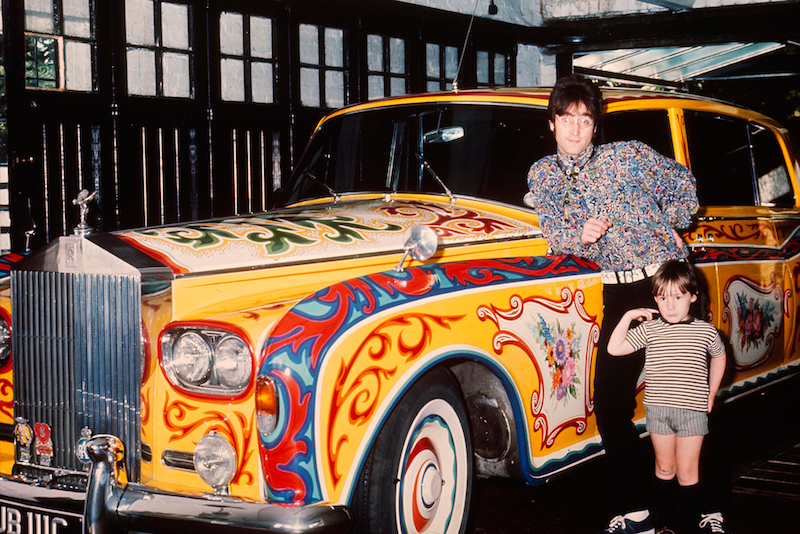 john L and his Phantom V Rolls Royce, NOT with paisley motifs.Sometimes Indian and some types of European floral designs are mis-identified as paisley motifs. This can be seen on garments such as a kaftan from Singapore, which includes a variety of ornate ‘oriental’ foliate motifs. Another classic mistake is the often cited Rolls-Royce owned by former Beatle, John Lennon, in the 1960’s, which is often said to have included paisley motifs. The car is decorated with European scrolling foliage, but not the paisley motif!
Most of the samples below are taken from the collection made by the French artist and designer, Professor Yves Cuvelier (1913-2005), part of which was donated to the TRC. For more information, see a TRC blog, 'A glimpse into the post-war Parisian textile world', 28 March 2020.