
Beyond The Chador Regional Dress From Iran

0. Cover page
Textiles tell stories. The Textile Research Centre (TRC) in Leiden has organized this online exhibition to celebrate a few of the stories of LGBTQ+ people and to explore the connection between dress, gender and identity. From rainbow flags to glittery drag costumes, T-shirts to silk ties, the textiles in the TRC collection tell stories of struggle and pride.
The way we dress reveals the communities we belong to, or aspire to belong to. Dress shows how we see ourselves and how we want others to see us. It signals gender, age, and availability for a relationship. Dress has always been a marker of identity, a way to place yourself in society—and a way you are placed by others.
For LGBTQ+ people, dress has historically been a way to maintain an identity and to identify each other in often hostile environments. Dress functioned as a code, recognized only by those in the know. The code may have involved wearing a certain colour or article of clothing, an accessory such as a flower or piece of jewellery, or clothes usually worn by another gender. All of this has been used at one time or another by LGBTQ+ people to send messages, to create community, to fight invisibility and prejudice, and often to simply proclaim “I exist”.
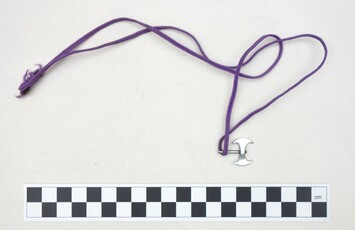 LGBTQ+ dress can use codes and symbols in order to recognize the wearer. Silver pendant, on purple cord, in shape of a double headed axe. 1983, USA (TRC 2019.1618). For more information, click on the illustration.In nineteeth century Britain, the colour green became associated with gay men. Poet and playwright Oscar Wilde (1854-1900) often wore a green carnation to signify his homosexuality. In the early 1900s in New York City a man might also signal his homosexuality by wearing a green suit or brightly coloured feathers in his hat band.
A more discrete signal was to wear a red tie (click here). Around the same time violets and the colour purple became associated with lesbians. This may have been based on the poetry of the ancient Greek poet Sappho of Lesbos (c. 630-575 BCE).
Sappho’s poetry often refers to women loving women, and also to female lovers wearing crowns of violets (Sappho’s name gave rise to words such as sapphist (lesbian) and sapphism (lesbianism) while the word lesbian comes from her birthplace, the island of Lesbos (See The Sappho Companion, by Margaret Reynolds. 2000, Chatto & Windus Random House, London). In the 1926 play La Prisonnière by Édouard Bourdet a bouquet of violets alluded to lesbian love. When the play was censored by French authorities, Parisian lesbians wore violets to protest.
 Turquoise net costume, with silver coloured braids and hand applied turquoise sequins, donated by Jennifer Hopelezz. Early 21st century, Netherlands (TRC 2019.1622). For more information, click on the illustration.Such codes are still in use today, especially in countries where same-sex relationships are criminalized. The symbols used may be very localized and change over time. In a BBC interview (February 2019) with lesbians in Burundi, the women spoke of fears of being ostracized, imprisoned or killed by families or neighbours if their sexuality became known. Many of the lesbians wore jeans and T-shirts at a monthly meeting. The T-shirts differed in style, patterns and colours, journalist Megha Mohan explained, but were important because each shirt bore the same discrete identifying mark in its design. The symbol was “an in-joke – a sign of their identity and independence. Something only they understand,” Mehan wrote. In the report the symbol is referred to as a violet, which is not actually used by any LGBTQ+ group in Burundi or elsewhere in East Africa. The violet was chosen by the journalist as it was used by lesbians in the 1900s (click here).
Many contemporary bisexuals have adopted the colour purple as a symbol, which earlier was associated with lesbians. Mezzo-soprano Jamie Barton wore a specially designed purple, pink and blue gown, the colours of the bisexual flag, to express pride during her final performance at the 2019 Last Night at the Proms in London’s prestigious Royal Albert Hall. She also waved a rainbow flag. Other sexual minorities use different symbols. A black ring, worn on the middle finger of the right hand, is increasingly used by people who identify as asexual. Called an ‘ace’ ring (from ‘asexual’), the ring is a marker of identity, as activist Emi Salida explains: “It personally reminds me that I am not alone, even if I feel alone…that I am valid, even if I don’t feel this way. It is a really reassuring symbol for me” (click here).
Colophon:
- Author: Shelley Anderson
- Web-design: Joost Koopman
- Exhibition design: Willem Vogelsang
- Publisher: TRC Leiden.
- Year of publication: 2020
- Copyright: All illustrations of objects housed in the TRC collection can be used free of charge, but please add to the caption: "Courtesy Textile Research Centre, Leiden" and the pertinent accession number of the object.
0. Preface and colophon
The online exhibition Out of Asia is based on a TRC Gallery display with the title Out of Asia: 2000 Years of Textiles. It was presented at the Textile Research Centre, Leiden, The Netherlands, from 15 July until 15 August 2019, on the occasion of the International Convention of Asia Scholars (ICAS), which was held at Leiden, between 15-19 July.
The ICAS conference, which attracted some 2300 scholars and others interested in Asian Studies and which was organised by the International Institute for Asian Studies (Leiden), had as its theme 'Asia and Europe, Asia in Europe.' The TRC exhibition Out of Asia complemented the theme with a display of textiles that all reflected on the age-old textile contacts between Asia and Europe. The exhibition at the TRC furthermore coincided with an intensive programme of practical workshops and lectures, which all attracted many participants and a large audience.
The online exhibition is separated into nine separate sections, and each section contains a gallery of objects. All of the objects form part of the TRC collection, and the illustrations give access to the TRC online catalogue for more information. Enjoy!
Colophon:
- Author: Gillian Vogelsang-Eastwood
- Web-design: Joost Koopman
- Exhibition design: Willem Vogelsang
- Publisher: TRC Leiden.
- Year of publication: 2019
- Copyright: All illustrations of objects housed in the TRC collection can be used free of charge, but please add to the caption: "Courtesy Textile Research Centre, Leiden" and the pertinent accession number of the object.

4. The island of Marken and Asian textiles
Marken is a fishing village in the Dutch province of Noord-Holland and was formerly an island in the Zuiderzee. With the building of the Afsluitdijk in 1932 the Zuiderzee was cut off from the North Sea. The water level changed and Marken became an island in what is now known as the IJsselmeer. It was later connected to the mainland with a dyke.
Marken is well-known in The Netherlands for its ‘traditional’ regional form of attire, which is still worn on a daily basis by some women, girls and very young boys (until the age of about three, boys wear similar clothing to girls, then they start to wear men’s garments).
 Postcard with two Marken girls wearing decorative chest panels, early 20th century (TRC 2018.0454). Click on the image for more information.
The outfits for women, girls and young boys include a chest piece locally called a bauw (borstlap). Those for women and girls are normally decorated with flowers and ornate motifs. Some of the cloths used for a bauw date back as far as the 18th century. In addition, many people use later copies of these early cloths, Asian-style textiles or actual Asian cloths (especially batiks from Indonesia).
The bauw for a young boy is normally in a red/white checked material with a white band down the middle, so it is easy to tell the difference between a bauw for a boy or a girl.
Young boys and girls also wear an apron (boezel, schort). The aprons for a girl are made of a plain, dark material, while those for a boy are of patterned cloth, and are often made of batik material from Indonesia or in the Indonesian style.
9. The Hippie trail and after
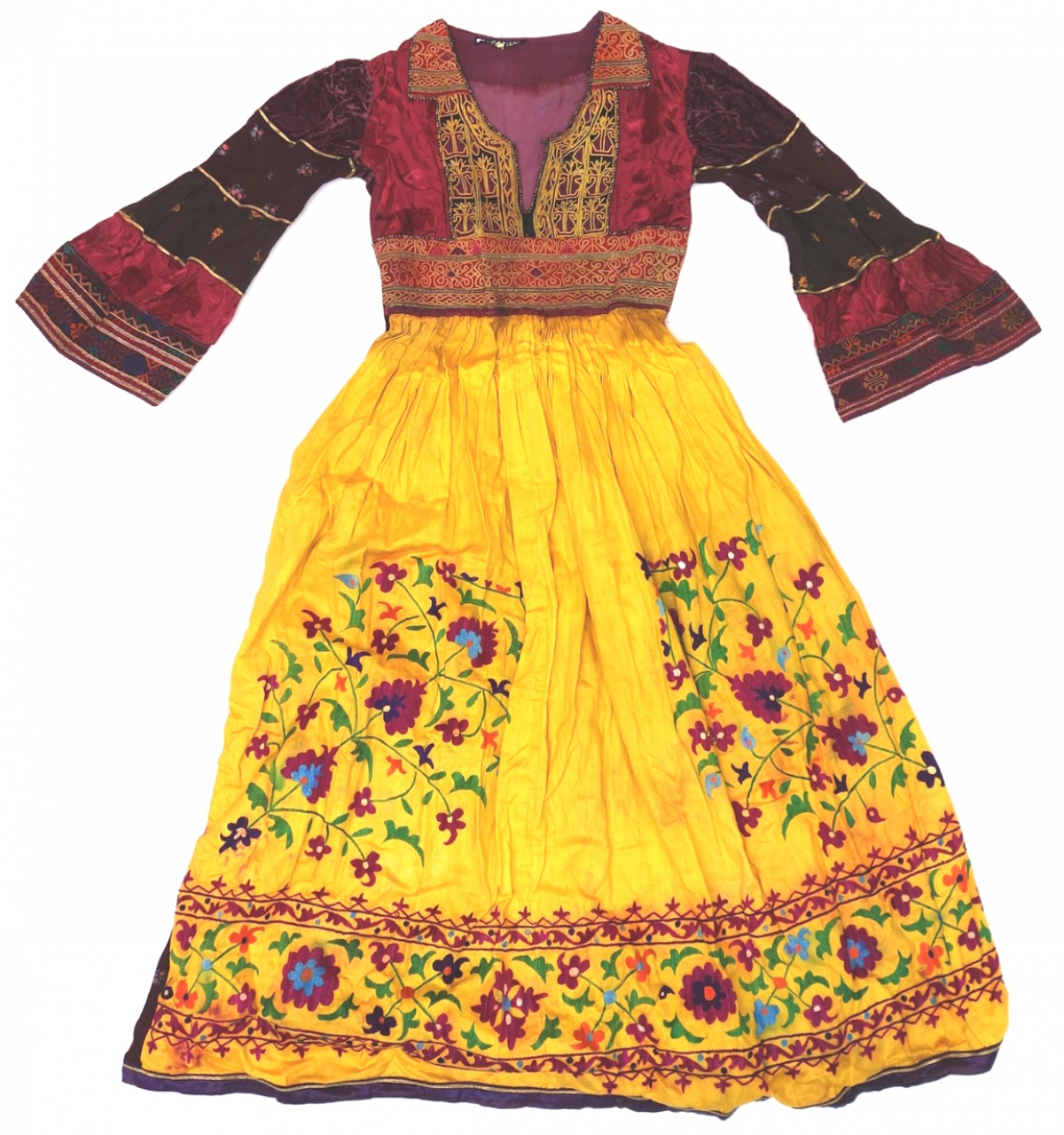
During the 1960s and the decades that followed, many young people travelled to Central Asia and the Far East in search of adventure and truth. Some discovered that it was possible to pay for their travels by buying textiles and selling them ‘back home’. Some are still in the textile business today.
As a result of this exchange, new textiles and garments found their way onto the Western markets, stimulating fashions for Oriental rugs and clothing styles. Fashion designers, such as Mary Quant and Vivien Westwood, used Eastern forms and designs as the starting points for new creations. Fashion movements such as Boho-chic (Bohemian-chic) continue a centuries-old tradition of consuming and re-interpreting the East.
Throughout the 20th and into the 21st century, European textile manufacturers, especially printing companies, produced textiles with Asian-inspired motifs and designs. Sometimes these were taken directly from Asian textiles, others were ‘inspired-by’ or were simply clichés.
 Sample with stylised Chinese heads and characters, Europe, late 20th century (TRC 2017.2789). Click on the image for more information.Not surprisingly, the degree of accuracy varies considerably, such as in the use of ‘Chinese’ characters, for example, on a cloth designed to impart a ‘flavour of the East’, even if the characters are upside down or totally made up.
There are also groups of Western textiles that are based on 18th century European textiles that in turn were inspired by Asian originals. In these cases it is hard to say where the ‘West’ ends and the ‘East’ begins.
8. VLISCO and Asian textiles
The Dutch company of Vlisco was founded in 1846 when Pieter Fentener van Vlissingen bought an existing textile printing factory in the town of Helmond. At that time the company was called P. Fentener van Vlissingen & Co. after its new owner.
The initial aim of the company was to produce and sell hand block-printed material within The Netherlands and elsewhere. Initially, they produced chintz style cloth and furnishing fabrics, as well as kerchiefs and bedspreads.
Following the invention of roller printing techniques to print designs on cloth in the late 18th century, and the further development of these techniques in the early 19th century, it became possible to reproduce a wide range of designs cheaply and in quantity.
The company soon changed from hand to machine printing and started to export imitation batiks to what was then the Dutch East Indies (now Indonesia). These textiles were much cheaper than those that were produced locally, and eventually these imitations were banned from the East Indies. The company was then obliged to look for new markets for their goods.
Since the early 19th century, Dutch trading companies had been involved in selling hand-printed textiles in West Africa (some parts of which were a Dutch colony in the 19th century), including items produced by Fentener’s company. So it was a natural development for the company to start sending their roller printed batik-style cloth to this vast market.
In addition, many West Africans had served as soldiers in the Royal Netherlands East Indies Army and so were familiar with Indonesian batiks. Returning soldiers responded enthusiastically to the appearance of Indonesian-style batik designs in their home countries and so started a new trend in some West African markets.
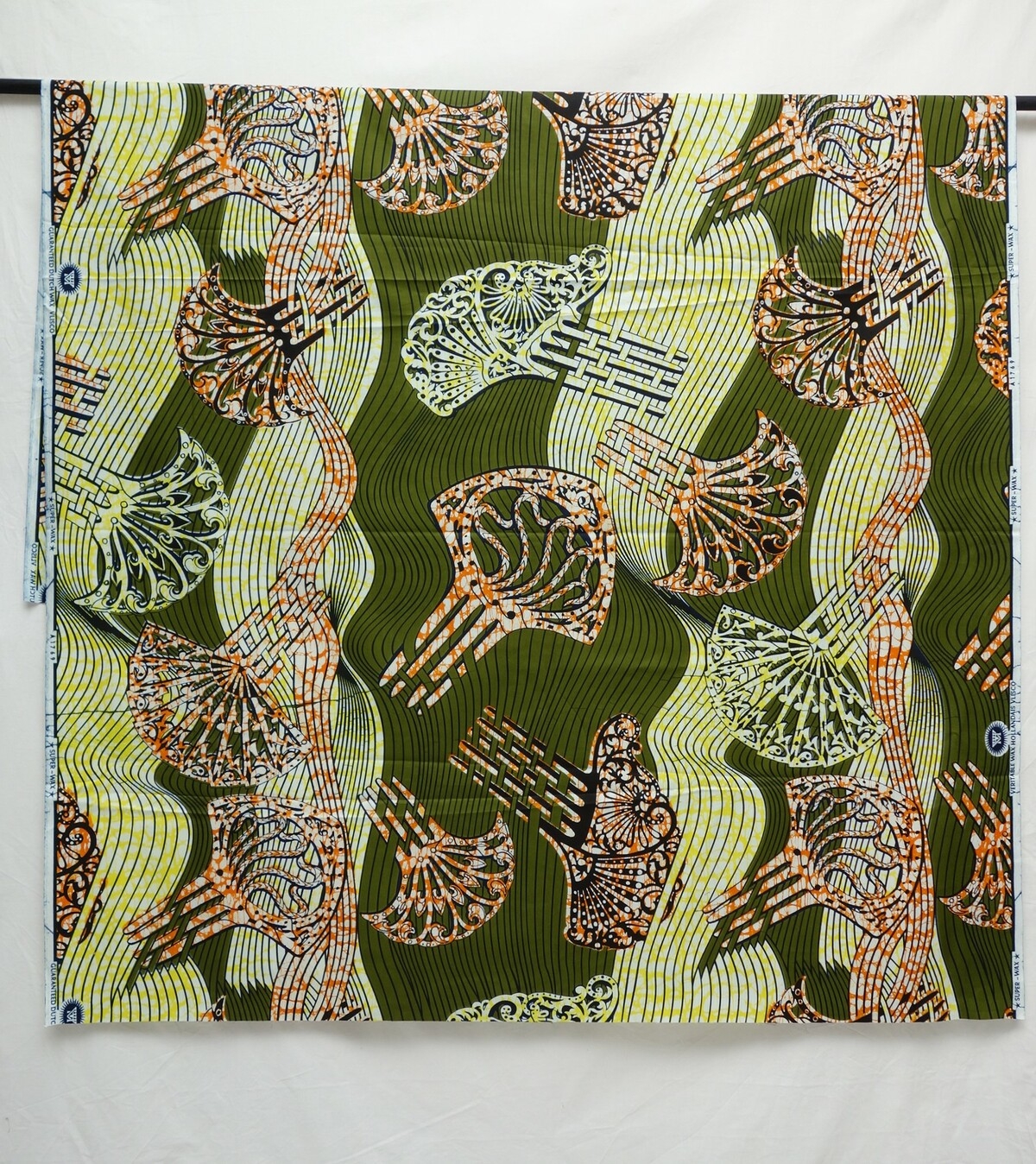
In 1927 the company changed its name to Vlisco, a contraction of Vlissingen & Co., but by this time their printed cloth had become widely known as 'Dutch Wax' or 'Wax Hollandais', and these names were also adopted.
From 1963 onwards, all Vlisco fabrics had the text 'Guaranteed Dutch Wax Vlisco' stamped on the border. The company is still based in Helmond and is still producing roller printed textiles, both for the Asian and the West African markets.

7. Some Asian influences in the 19th and 20th centuries
Japan became a major influence on northern European art and design at the end of the 19th century, when a craze for ‘all things Japanese’ (Japonism) swept across Europe. The influence of this movement can be seen in artworks by Edgar Degas, Paul Gauguin, Vincent van Gogh, James Whistler and Gustav Klimt, as well as interior design and furniture.
Garments based on Japanese kimonos became popular for fashionable women to wear at home (compare the French word 'japon' for a woman's dress). Japanese textiles designed for the Western market became popular and included items such as lingerie bags, in which ladies kept silk underwear, stockings and handkerchiefs. Many items in this exhibition reflect this continuing fascination with Japan.
Indonesian textiles were exported to The Netherlands during the period of Dutch colonial rule from the seventeenth century onwards. Some textiles arrived in the form of presents and souvenirs, others as commercial exports of household items and garments. Some textiles retained their original Indonesian forms, others were adaptations of Dutch forms produced using Indonesian techniques, such as Dutch lions and naval anchors worked in ikat.

6. The Kashmiri shawl and the ‘Paisley’ motif
The Himalayan goat grows a fine ‘under fleece’ that enables it to survive the Himalayan winters. This under-fleece (cashmere) is woven by Kashmiri weavers into beautifully fine and soft shawls, traditionally decorated with colourful supplementary weft threads or with embroidery on a white ground.
Kashmir shawls were much sought-after export items to the West. As such they were naturally copied by Western manufacturers. The first copies seem to have been woven in Edinburgh during the early 1800s, but production was sub-contracted to weavers in Paisley, near Glasgow. Paisley became the centre of the ‘Paisley Shawl’ industry, making cheaper, Jacquard-loom woven copies of Indian originals.
The Paisley shawl developed its own fashion culture. White-ground ‘kirking’ shawls were worn to church for events such as christenings. Shawls with a black ground were worn by widows and for more sombre occasions.
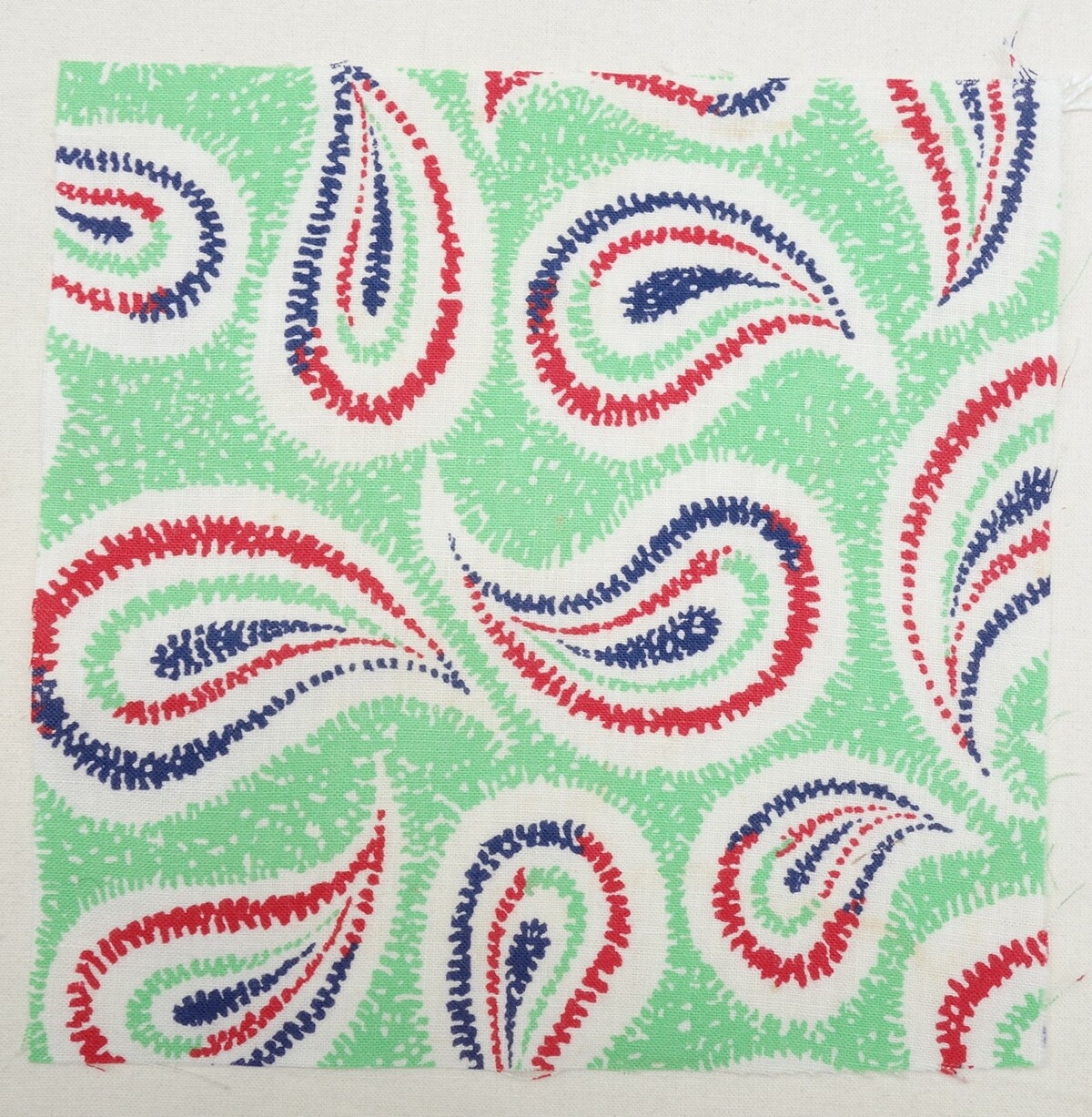
A popular motif on the original Kashmir shawl is the buteh, or tear-drop shaped motif. These can be very simple, or highly ornate. It is this motif, which may have originated in Iran, that was also copied by Scottish weavers and became widely known as the Paisley motif.
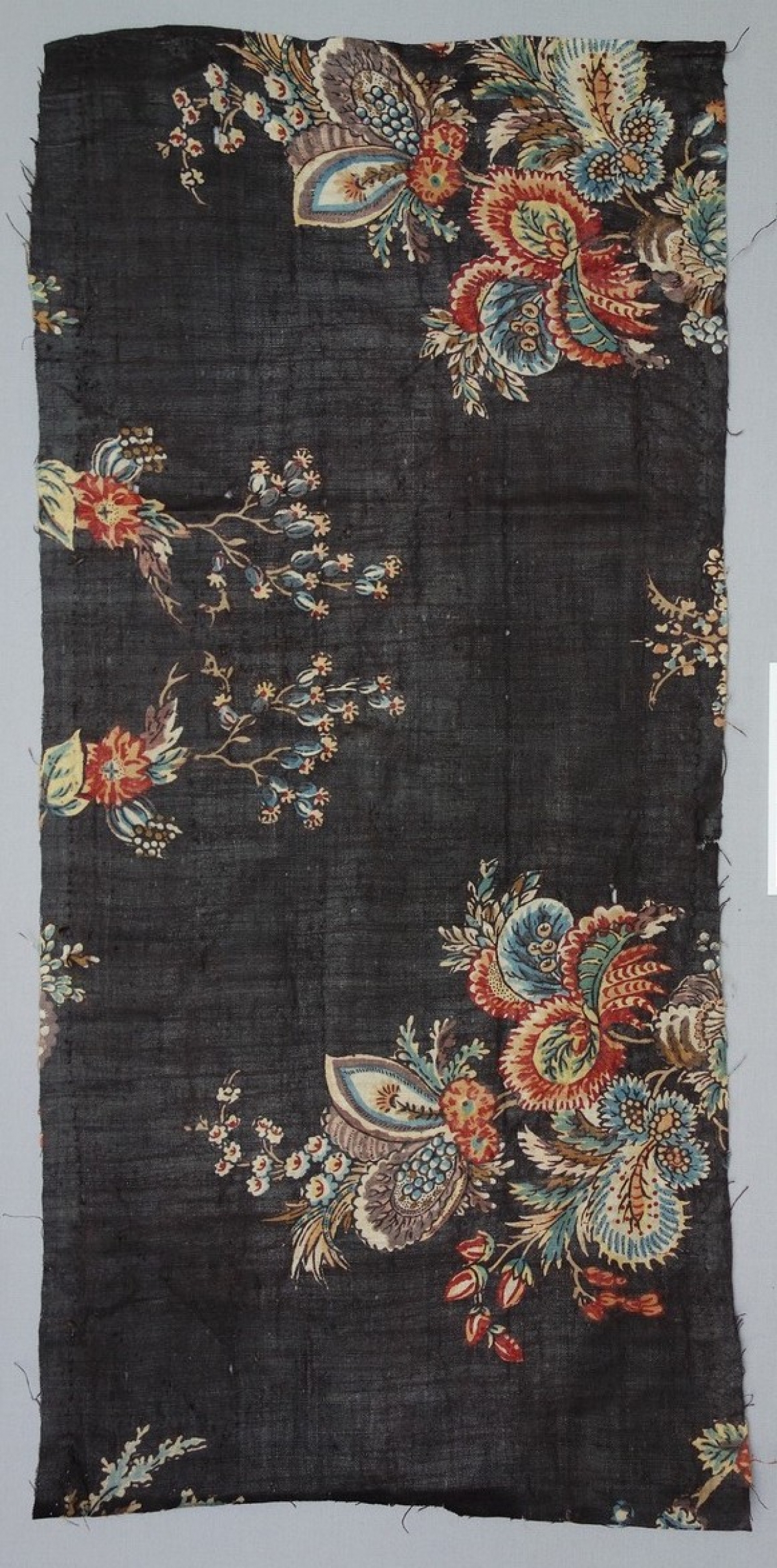
The Paisley shawl was itself imitated by other manufacturers, including Dutch companies. In The Netherlands this type of cloth is known as worteldoek (‘carrot cloth’) after the characteristic orange-red colour of the material. Many of these textiles were used well into the 20th century, especially as mantlepiece covers.
5. Chintz
Another form of painted and printed cotton textile, which was known as chintz (called sits in Dutch), became especially popular in the 17th century and was widely used for clothing, especially for dresses. ‘Chintz’ is a word with multiple meanings that embody a dialogue between East and West.
The original chintz was cotton fabric made in India and hand-painted with colourful designs on a white ground. Later the production was streamlined using block-printing of mordant-resist dyes combined with hand painting. These textiles often had a shiny finish (calendering) created by polishing the cloth. These textiles were imported from India to Europe in large quantities during the 1700s and became very popular for clothing and interior design.
Initially, European textile manufacturers found it hard to copy Indian chintz, and their frustration spilled over into attempts to ban its importation, but by the 18th century many chintzes were being exported to The Netherlands (especially Hindeloopen in Friesland) and from there re-exported to other countries, notably England and France. Later the Europeans made their own copies and re-interpretations using hand-painting and printed forms.
Eventually, the Indian designs were absorbed into European culture, appearing in altered form in wallpaper, pottery, and other media. Such were the quantities of these goods that ‘chintzy’ eventually became a derogatory term. Chintz-derived motifs are still a staple of textile design, and the production of chintz fabrics continues to this day.
3. Maritime routes
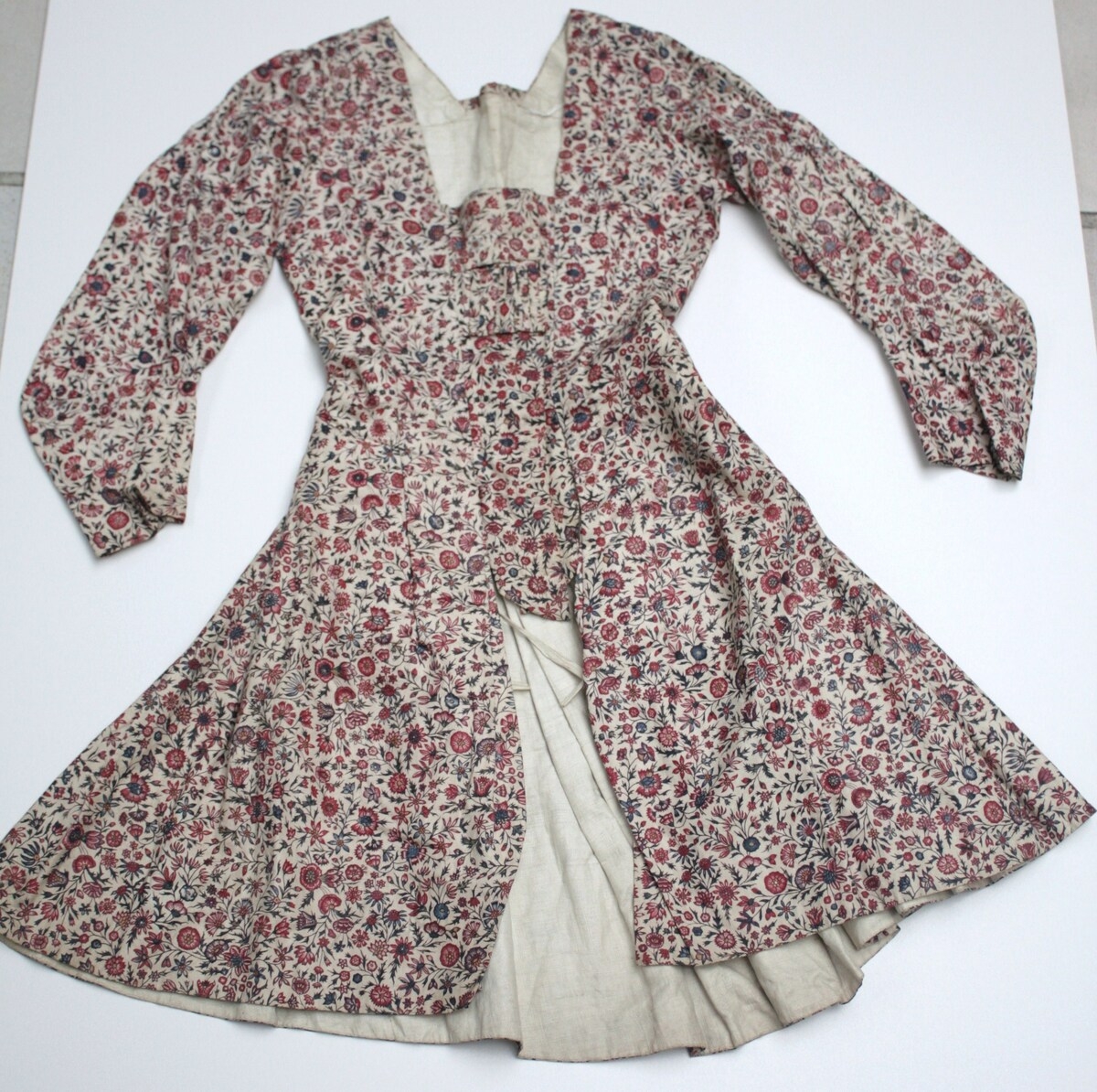
Another important element in the movement of textiles were the maritime routes centred on India that carried textiles to Indonesia, China and eventually to Japan, as well as from India via the Red Sea to the Middle East and the Mediterranean.
Many of the textiles transported to the West were made of cotton and were decorated in a variety of ways, with woven ornamentation, dyed or block printed. These textiles, which include the types known as ‘chintz’, were especially popular from the medieval period onwards. Indian printed garments can still be found today in European markets and shops.
Indian printed textiles were a major commodity for the (British) East India Company (established in 1600) and the (Dutch) Vereenigde Oostindische Compagnie (1602). These enterprises would lay the foundations for the British and Dutch colonial empires in South and Southeast Asia.
One of the earliest recorded Indian textiles (a kantha quilt) was noted in the 1601 inventory of household furnishings ordered by Bess of Hardwick, Countess of Shrewsbury (click here). The region of Bengal is particularly known for such quilts, which were traded from the sixteenth century onwards by the Portuguese (the so-called Satgaon quilts).
2. The taqueté ‘family’ of weaves
One particular group of textiles that were transported along the Silk Roads were Chinese multi-coloured silk textiles that were woven with a dominant warp, whereby the weft threads remained hidden (warp-faced compound weaves). Examples of these (Chinese) textiles have been found at various sites in the Middle East, such as at Dura Europos and Palmyra, while other fragments were discovered further east along the Silk Roads in Xinjiang, western China (compare TRC 2000.0009).
Interestingly, by the 3rd century AD weavers in Central Asia developed a new, but related technique, namely that of weft-faced compound weaves (often in wool), whereby the warp threads remained hidden. This was a more versatile and easier technique for making luxurious textiles. Examples of weft-faced compound weaves in wool were excavated at Niya in western China by Sir Aurel Stein in 1900 and 1924, at the same site where he also unearthed warp-faced examples.
Weft-faced textiles soon started to be woven in both Sassanian Persia (later Iran) and in Roman Egypt, and in the opposite direction, also in China of the Tang Dynasty (618-907). They were still being woven in these countries at the end of the 20th century, nearly two thousand years after they had first been introduced (compare TRC 2019.1870).
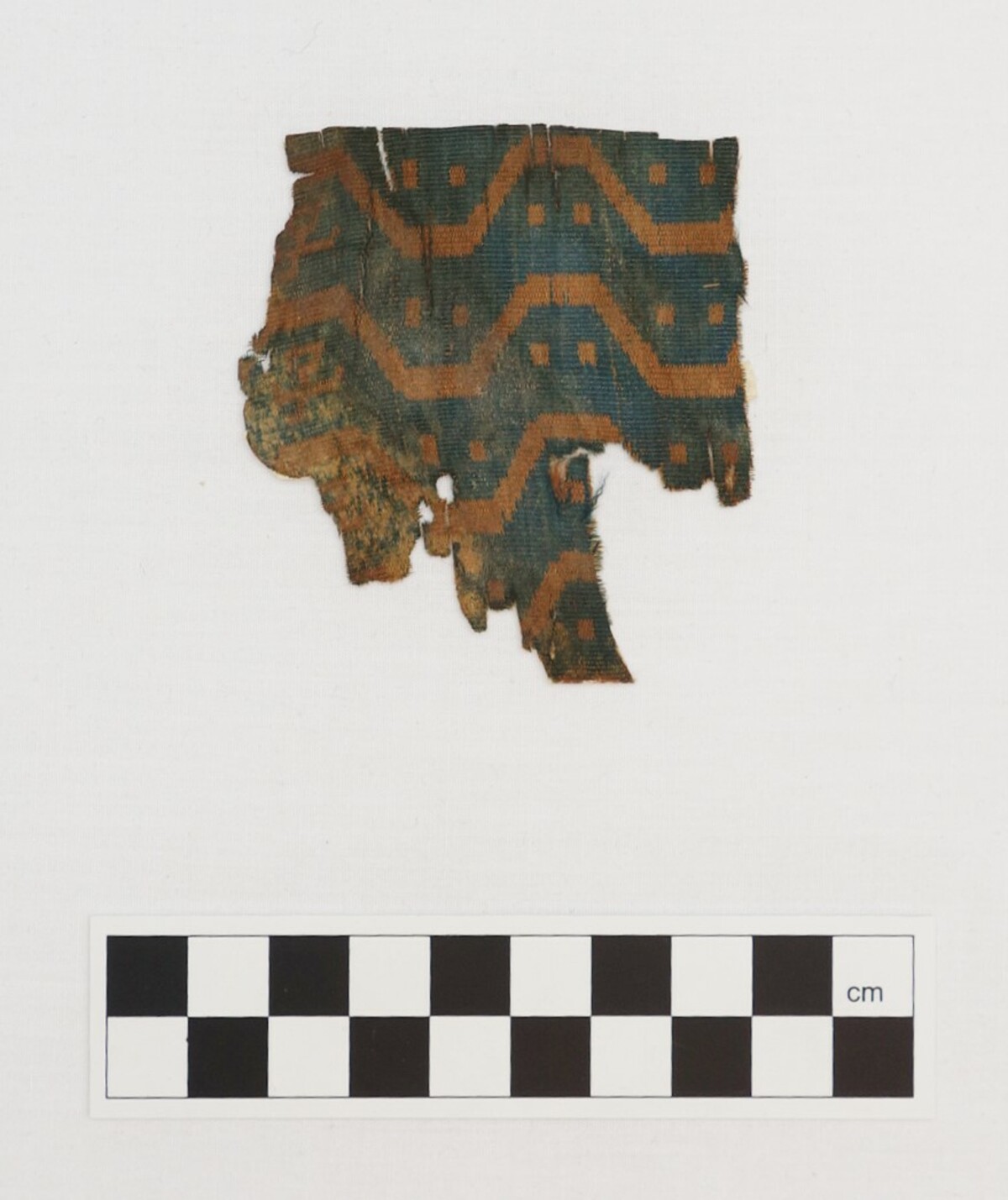 Fragment of warp-faced compound weave silk cloth from the site of Niya in western China, 2nd century AD (TRC 2000.0009). Click on the image for more information.
The earliest 'western' types of weft-faced compound weaves were made of wool and cotton (Persia), and were often used as floor coverings (zilu). In the Roman Empire and later in Egypt the textiles were made from linen with wool (curtains), and wool (mattresses, bed coverings, wall hangings, cushions). These Egyptian forms continued to be made in the medieval period, as shown by finds from the mid-13th century excavations at Quseir al-Qadim and Qasr Ibrim.
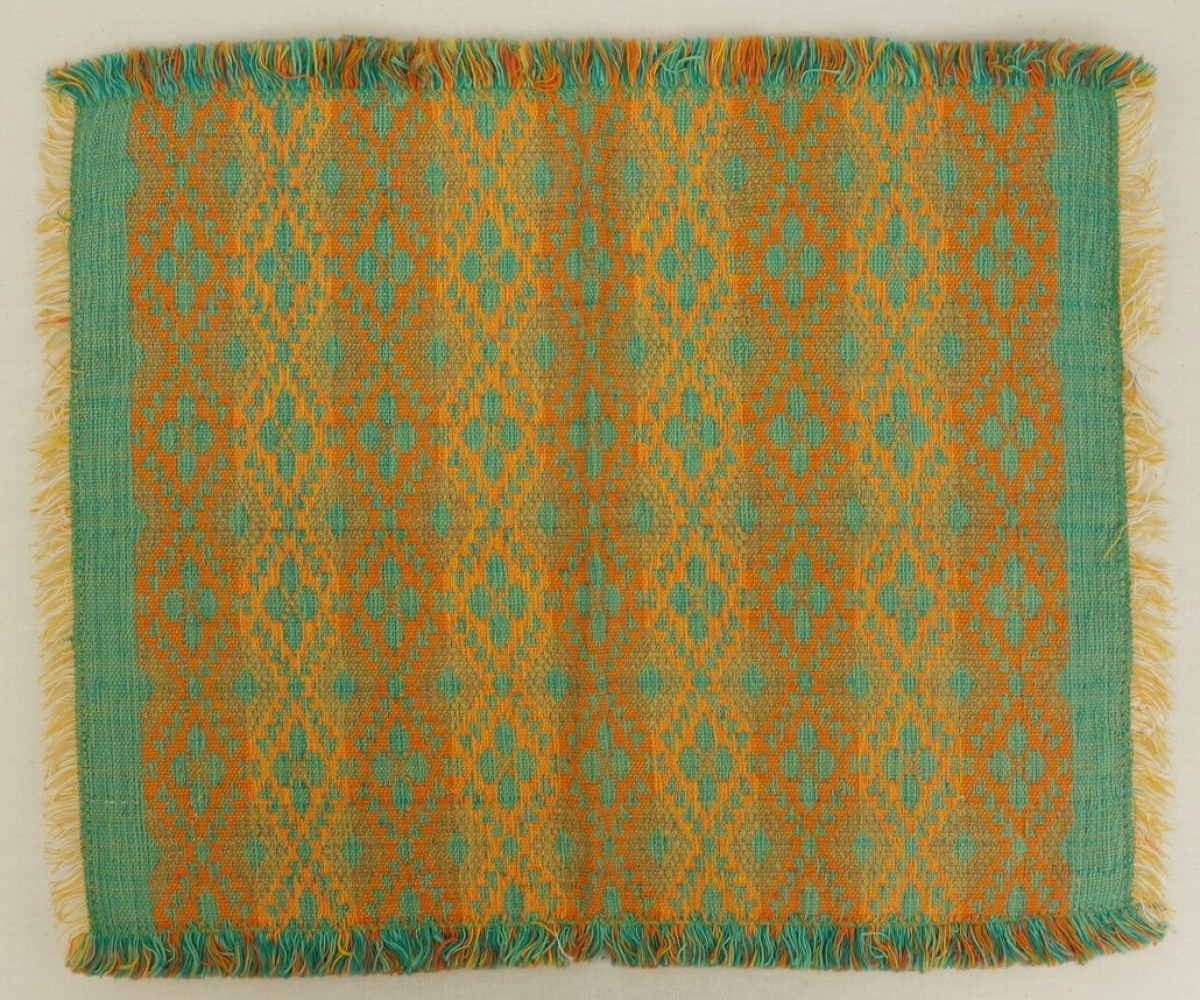
 Weft-faced compound floor covering (zilu) from Iran, c. 2000 (TRC 2019.1870). Click on the image for more information.
It is known from written accounts and discoveries of textiles that by the 13th century the Iranian and Egyptian forms were being produced on very different types of looms. The Persian cloths were made on the large upright zilu loom, while fine silks were produced in Egypt on horizontal drawlooms. Such drawlooms were also used in India (jaala looms) for weft-faced weaves. In China, related types of weft-faced silk textiles were made on Chinese drawlooms from around the 10th century onwards.
By the 19th century items made in Iran on the zilu looms were used mainly for floor coverings, especially in public places such as mosques, while the much finer, Egyptian versions were often simply used as bed and divan coverings.