• F4
  • F2
  • F1
  • F3

During our recent trip to France we spent several days with Luc Aujame and his wife, Joanne, in their lovely farmhouse just outside of Lyon. Part of the visit was social, but there was also a more serious element, namely to pick up a collection of garments and textiles that they offered to the TRC Leiden as a donation nearly three years ago – namely just before Covid hit.

Jacket made from off-white, felted woollen cloth decorated around the neck and front opening, shoulder seam and sleeve hems with brown stripes. Nuristan, Afghanistan, 1960s (TRC 2022.1942).Jacket made from off-white, felted woollen cloth decorated around the neck and front opening, shoulder seam and sleeve hems with brown stripes. Nuristan, Afghanistan, 1960s (TRC 2022.1942).

There are 69 items in the Aujame donation, which mainly come from Afghanistan, but there are also some Indian and South American items, reflecting the travels and work of the Aujame family. More specifically, the various Afghan pieces were acquired, in fact, by Luc’s parents, Roger Aujame (1922-2010) and Edith Schreiber Aujame (1919-1998), in the early 1960s. Roger Aujame was an architect and both he and his wife were for many years involved with the UN. Between 1961-1965 they were based in Kabul.
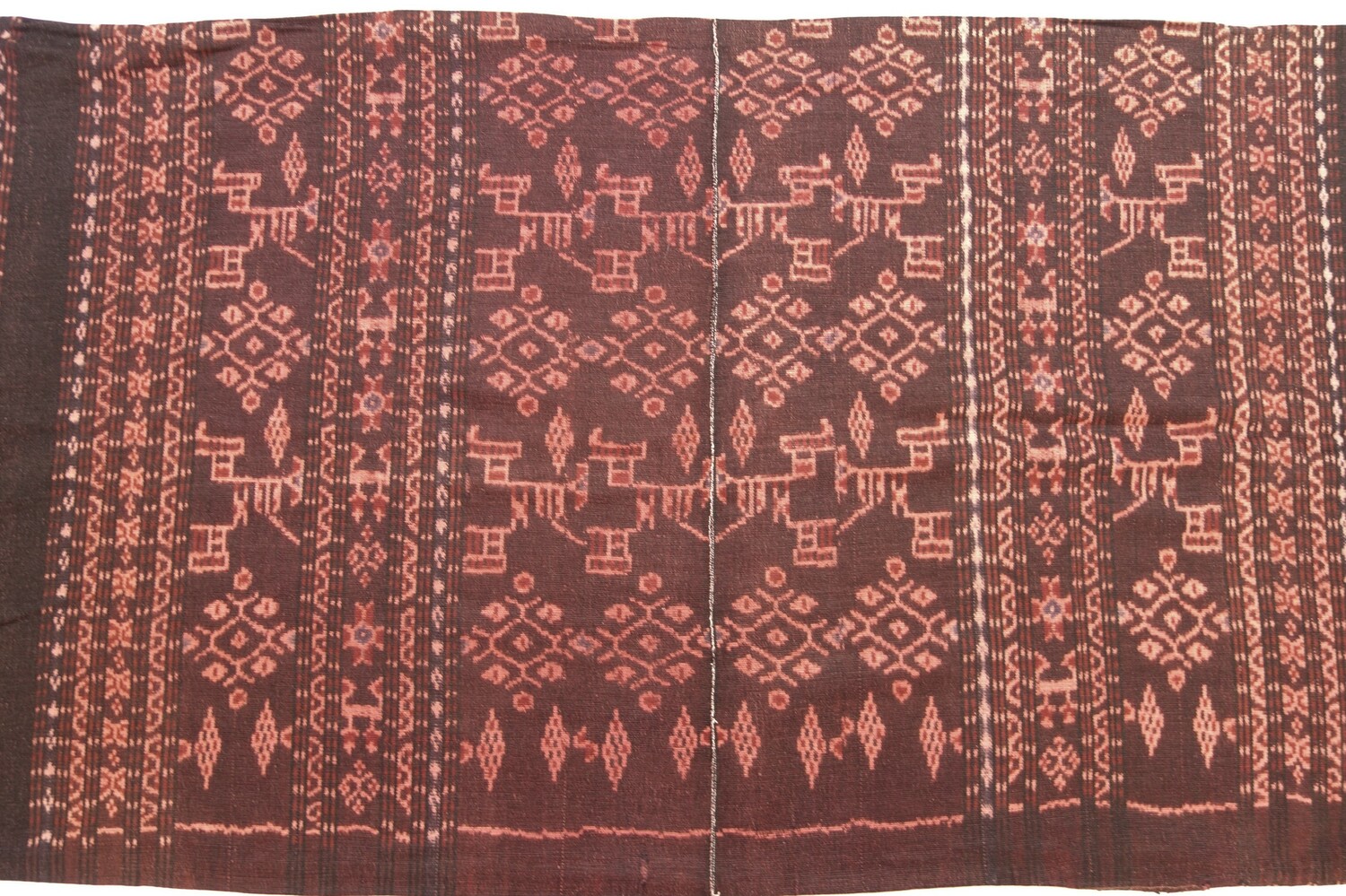
The last few months have seen various textile and garment donations to the TRC Leiden, including Indonesian and Philippine items. The Indonesian textiles are particularly fascinating because of their origins and backgrounds.

Ikat cloth from Bali (Ubud), Indonesia, 1960-1980, with stripes of varying widths, some in dark blue, others with ikat created stylised floral, foliage and abstract shapes in white, red and blue (TRC 2022.1471).Ikat cloth from Bali (Ubud), Indonesia, 1960-1980, with stripes of varying widths, some in dark blue, others with ikat created stylised floral, foliage and abstract shapes in white, red and blue (TRC 2022.1471).

Some of the pieces were purchased or given to Dutch officials and their families in the 1920s and constitute an intrinsic part of Dutch colonial history. They include the items given by the Ottow family (click here). Many of the items represent presents, household pieces, as well as clothing that a member of the family, Thecla Caspari, actually wore when she was in Indonesia with her husband, who was the Dutch assistant-resident in Atjeh, Sumatra.

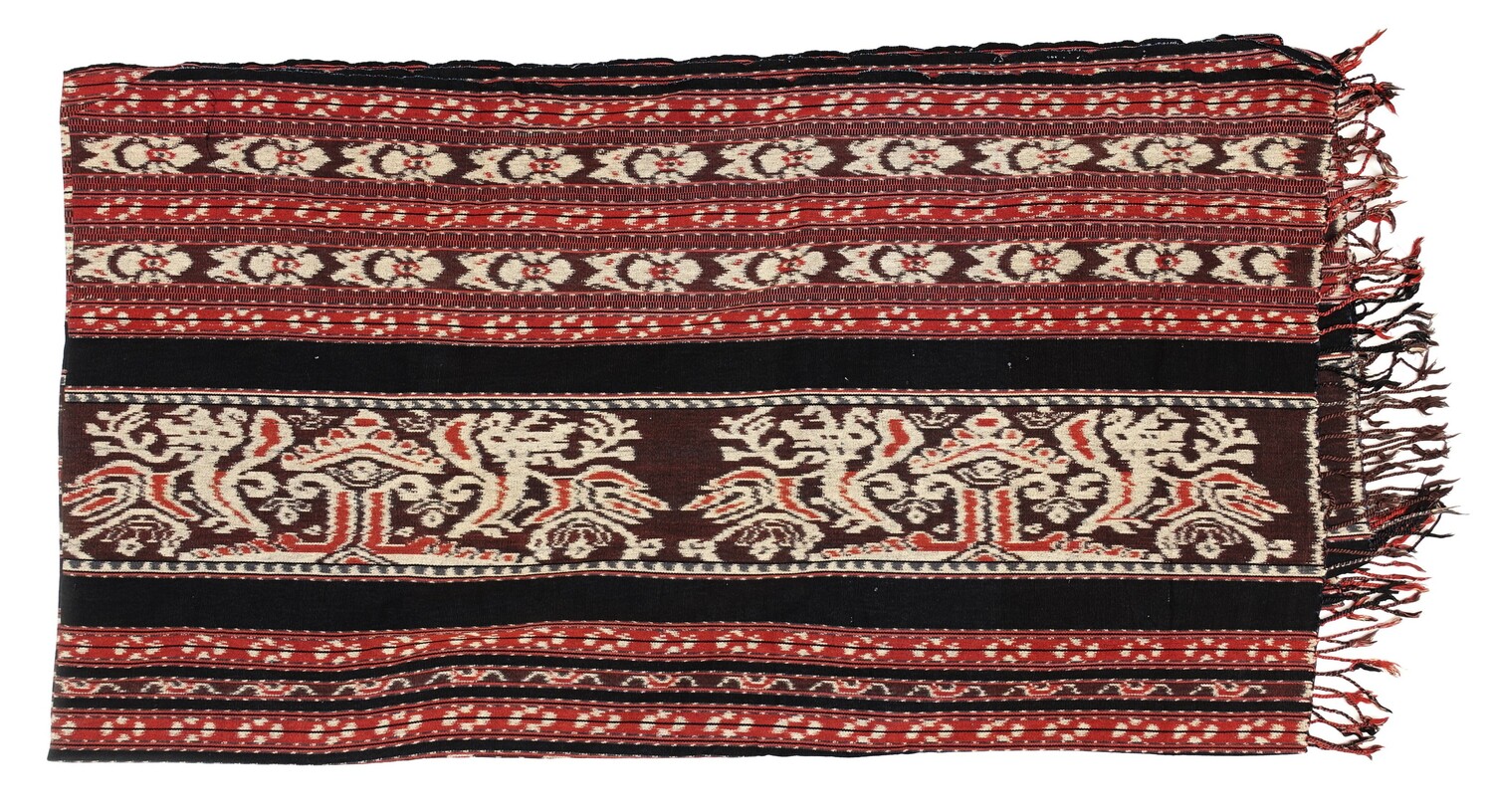
Detail of Ikat cloth that is decorated with stripes of various widths with geometric and abstract shapes in off-white, dark red and black on a black ground. Flores, Indonesia, 1950-1980 (TRC 2022.0857).Detail of Ikat cloth that is decorated with stripes of various widths with geometric and abstract shapes in off-white, dark red and black on a black ground. Flores, Indonesia, 1950-1980 (TRC 2022.0857).

In contrast, the making of deliberate collections is represented by the Zant and Spée donations, but again with two very different backgrounds and reasons. The Zant Collection was put together during the Zant family’s many trips to Indonesia, with the specific aim of personally collecting ikats from the main (and lesser known) islands of Indonesia where this type of cloth is traditionally produced. This collection will form the basis of the TRC’s Ikat reference and identification collection that is currently being developed by Kelly Wong, an Amsterdam University intern at the TRC.

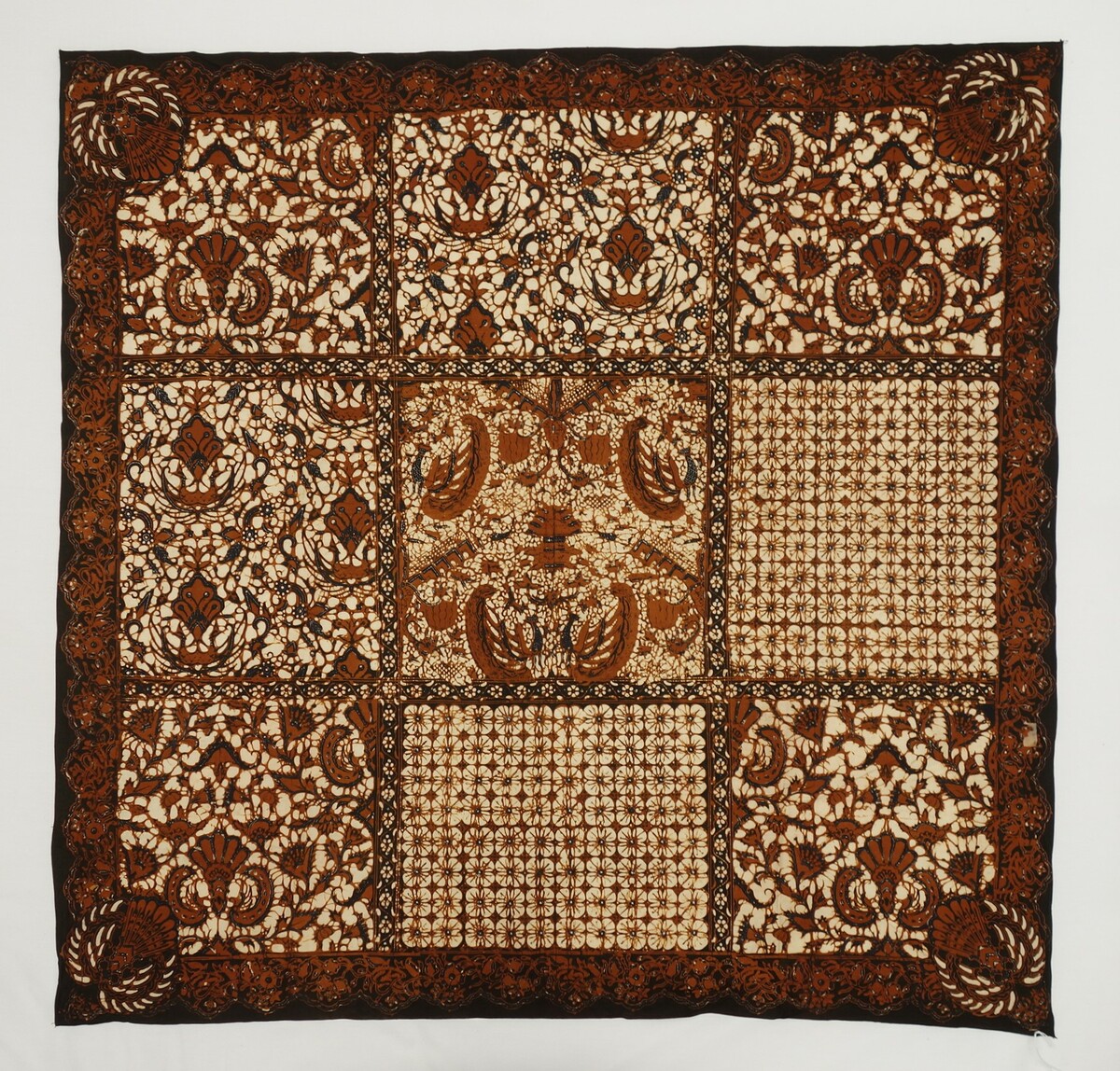
Batik cotton cloth from Java, Indonesia, mid-20th century, with a black, brown and off-white design including stylised flowers and quatrefoils (TRC 2018.2883).Batik cotton cloth from Java, Indonesia, mid-20th century, with a black, brown and off-white design including stylised flowers and quatrefoils (TRC 2018.2883).

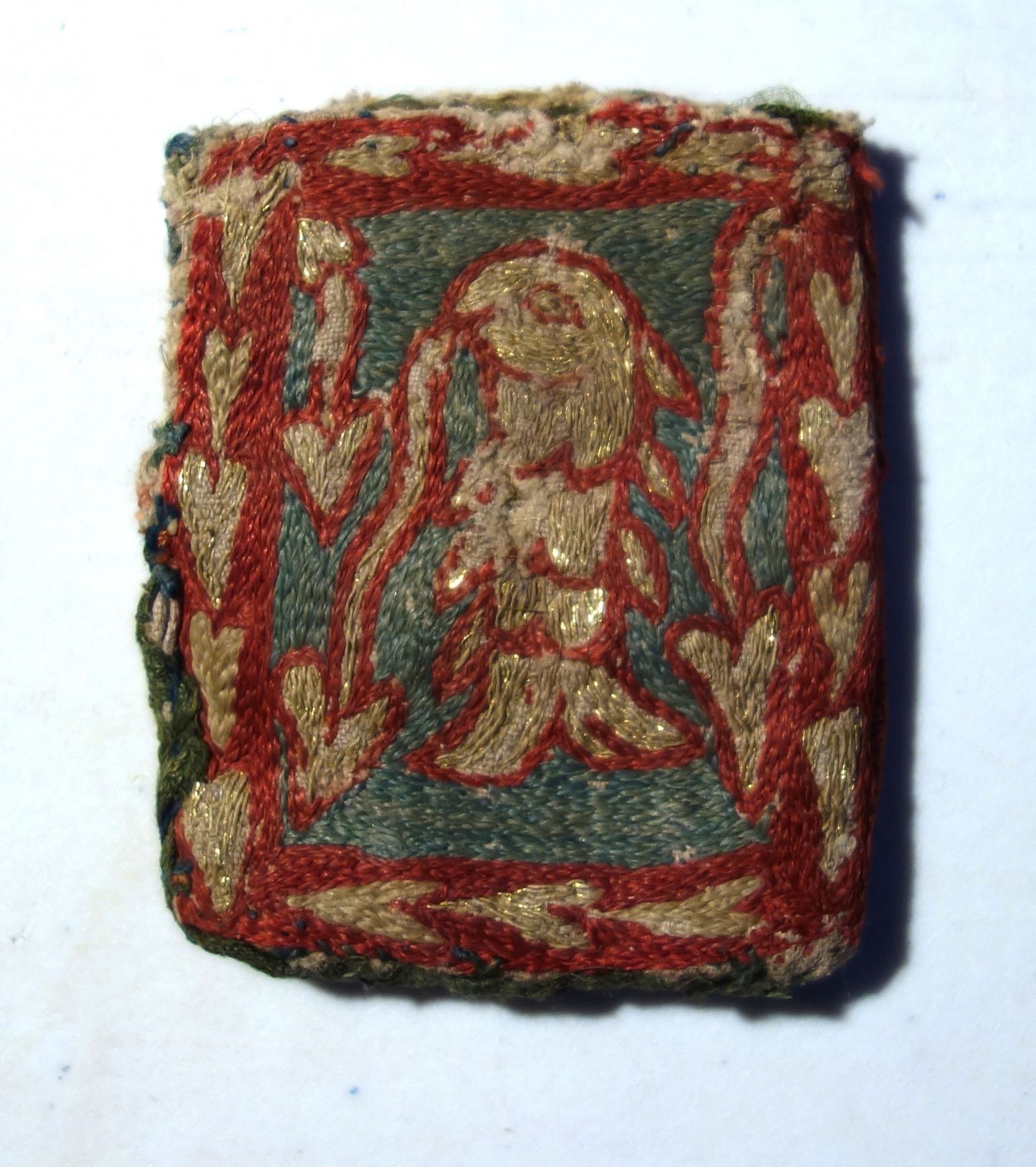
We have just had several questions as a result of our trip to Sens Museum. One was whether I could give more information about the medieval bags we saw, and the other was about how to tell the difference between a woven and embroidered textile and can the use of a Dino-lite microscope help with this? In this blog I will have a look at the bags, the weave/stitch question will come later.

Small embroidered bag with the depiction of a fish, 13th century. Sens Museum (B321).Small embroidered bag with the depiction of a fish, 13th century. Sens Museum (B321).

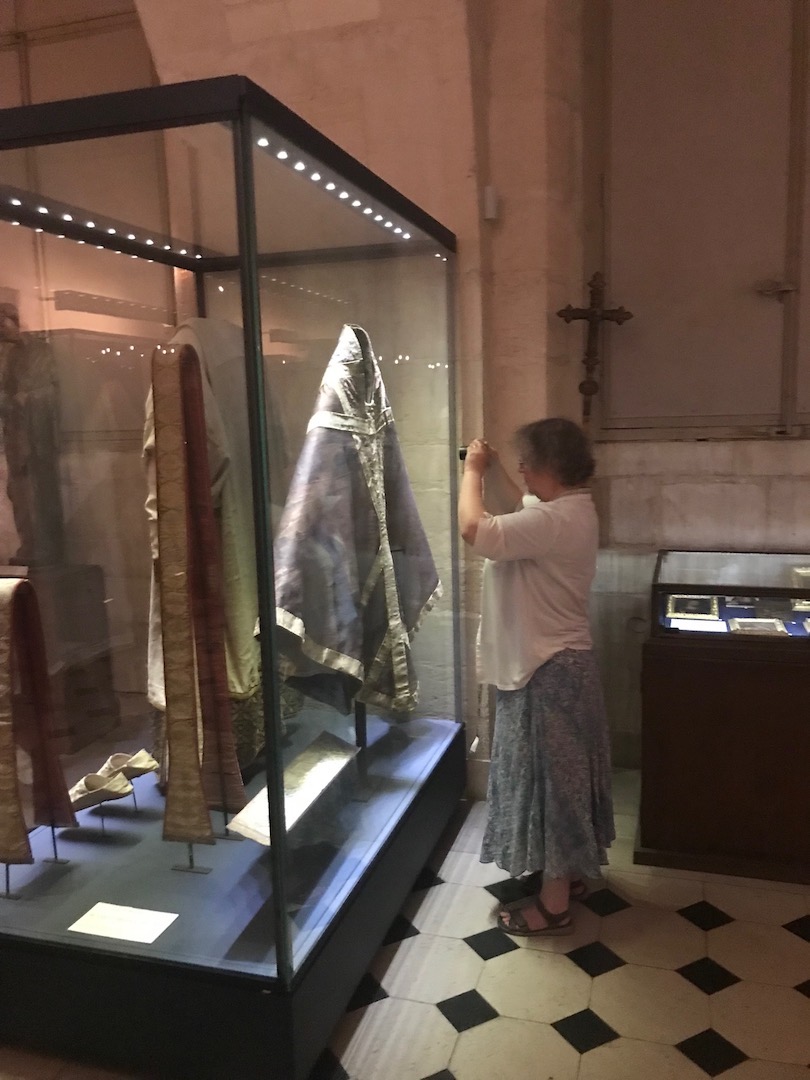
Studying the relics of St Thomas Becket in Sens Museum (photograph Willem Vogelsang).Studying the relics of St Thomas Becket in Sens Museum (photograph Willem Vogelsang).We have just spent a lovely two days in Sens, just southeast of Paris. It’s a medieval city (with Roman remains) and well worth a visit. More importantly, from my (unbiased) point of view, Sens Museum, next to the cathedral, has one of the best collections of medieval textiles in this part of Europe!

All of which is thanks to being home to many items from Sens Cathedral (the current cathedral dates from 1135, but it is built on a much older complex). They include many finds from medieval tombs inside the cathedral, such as burial shrouds, as well as other remains such as altar furnishings of various types, reliquary coverings and bags made of cloth.

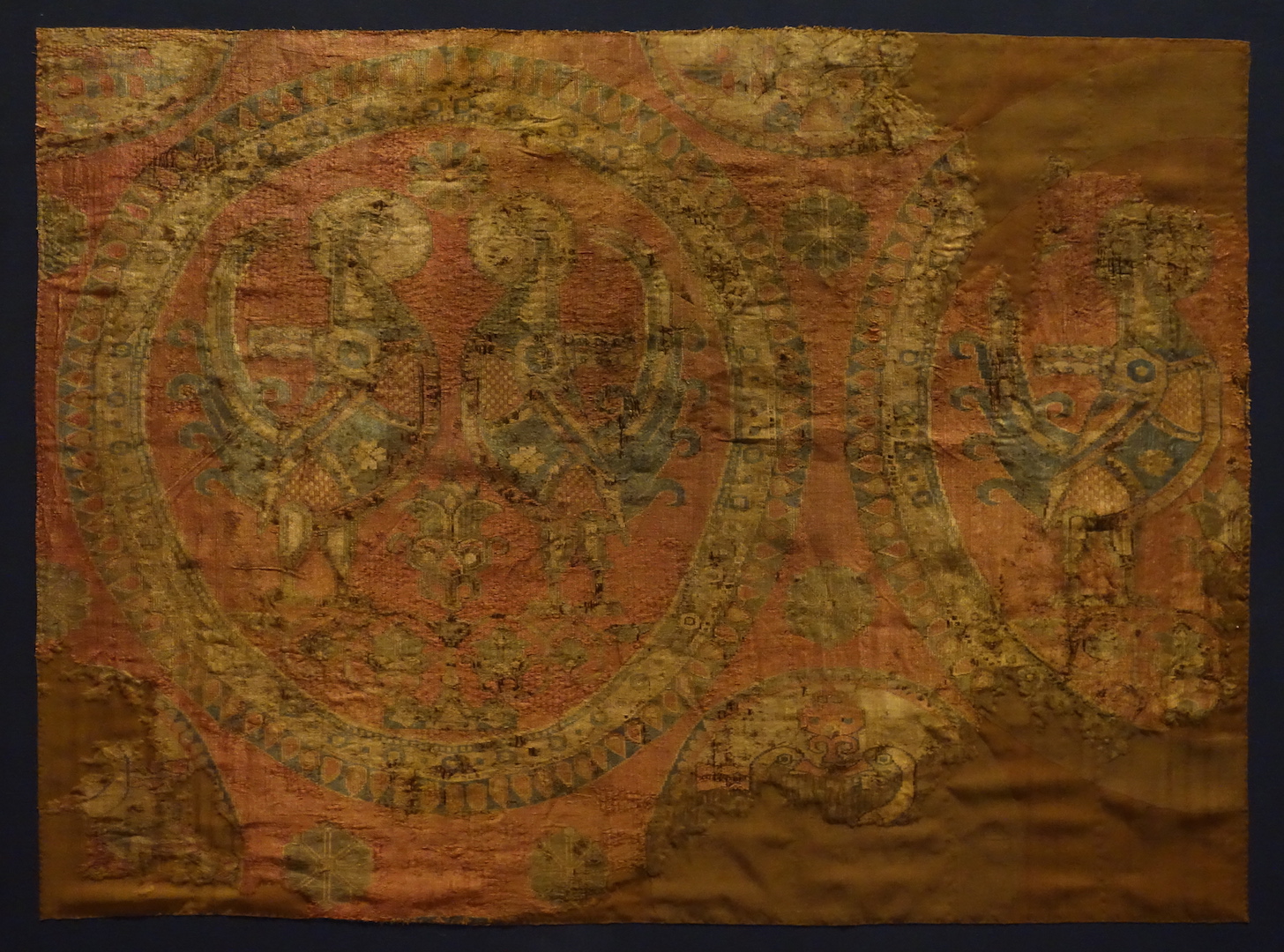
The textiles include both woven and embroidered forms from Iran, Byzantium, as well as Italy, Spain and northwestern Europe. It even houses a small, knitted bag with an Arabic text that probably dates to about the 13th century!

If you are expecting a dramatic story of war-torn Leiden, bombs and fighting, then stop reading now. This is a very much smaller tale of domestic up-cycling in an imaginative manner!

Child's little cardigan, knitted from cotton left-overs in war-torn Leiden, September 1941 (TRC 2022.1882a).Child's little cardigan, knitted from cotton left-overs in war-torn Leiden, September 1941 (TRC 2022.1882a).

At the end of February 2022 the Textile Research Centre in Leiden was contacted by Karin Scheper and Anouk Mansfeld of the University Libraries Leiden (UB), about the proposed donation of a large collection of personal letters, documents, publications, photo albums, as well as furniture, statuettes, textiles and garments. The department Bijzondere Collecties of the UB was seriously thinking about accepting many of the items, but not the textiles and garments. Was the TRC interested?

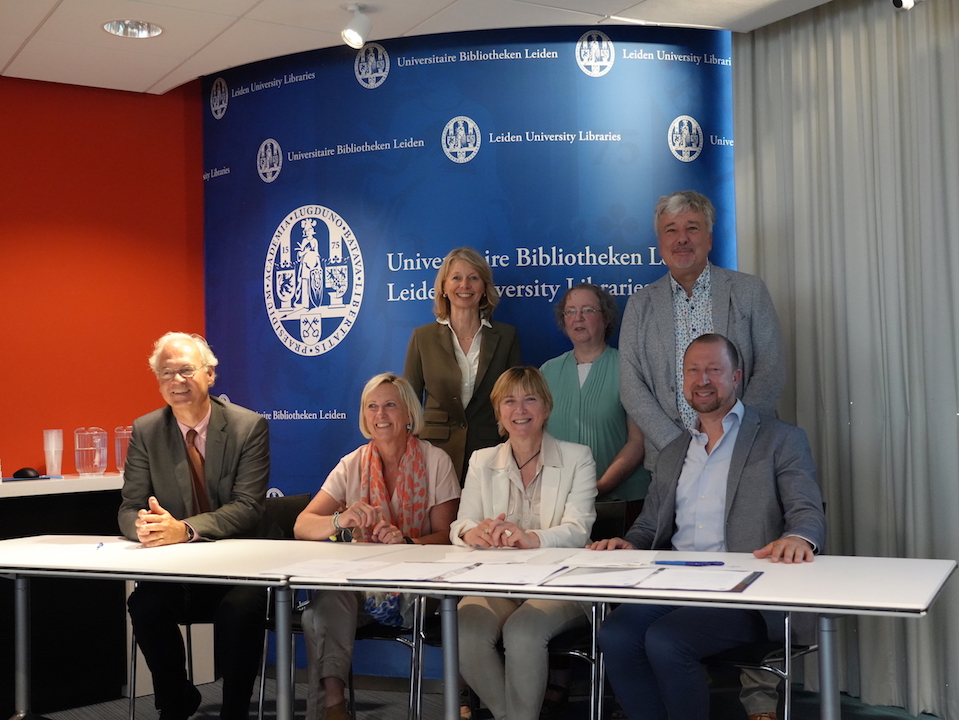
Official hand-over by the Ottow family of documents and textiles to the University Libraries and the TRC: Sitting behind the table: Prof. Annetje Ottow (Chair, Leiden University Board, second from the left), and her husband (to the far left), sister (right), and brother (far right). Standing behind them, from left to right: Dr Alette Stas-Bax (Chair Leids Universiteitsfonds), Dr Gillian Vogelsang-Eastwood (Director Textile Research Centre), and Dr Kurt De Belder (Director Leiden University Libraries). Photograph by Guus Janssen, Leiden University Libraries.Official hand-over by the Ottow family of documents and textiles to the University Libraries and the TRC: Sitting behind the table: Prof. Annetje Ottow (Chair, Leiden University Board, second from the left), and her husband (to the far left), sister (right), and brother (far right). Standing behind them, from left to right: Dr Alette Stas-Bax (Chair Leids Universiteitsfonds), Dr Gillian Vogelsang-Eastwood (Director Textile Research Centre), and Dr Kurt De Belder (Director Leiden University Libraries). Photograph by Guus Janssen, Leiden University Libraries.

I often comment  that the TRC Collection is diverse, but life at the TRC this week has been equally so! We have been working, for example, very hard on the Arizona collection (some 900 objects, mainly from southeastern Europe) and on Friday we added the last item to the catalogue. All being well, everything will have been photographed by the end of the coming week.

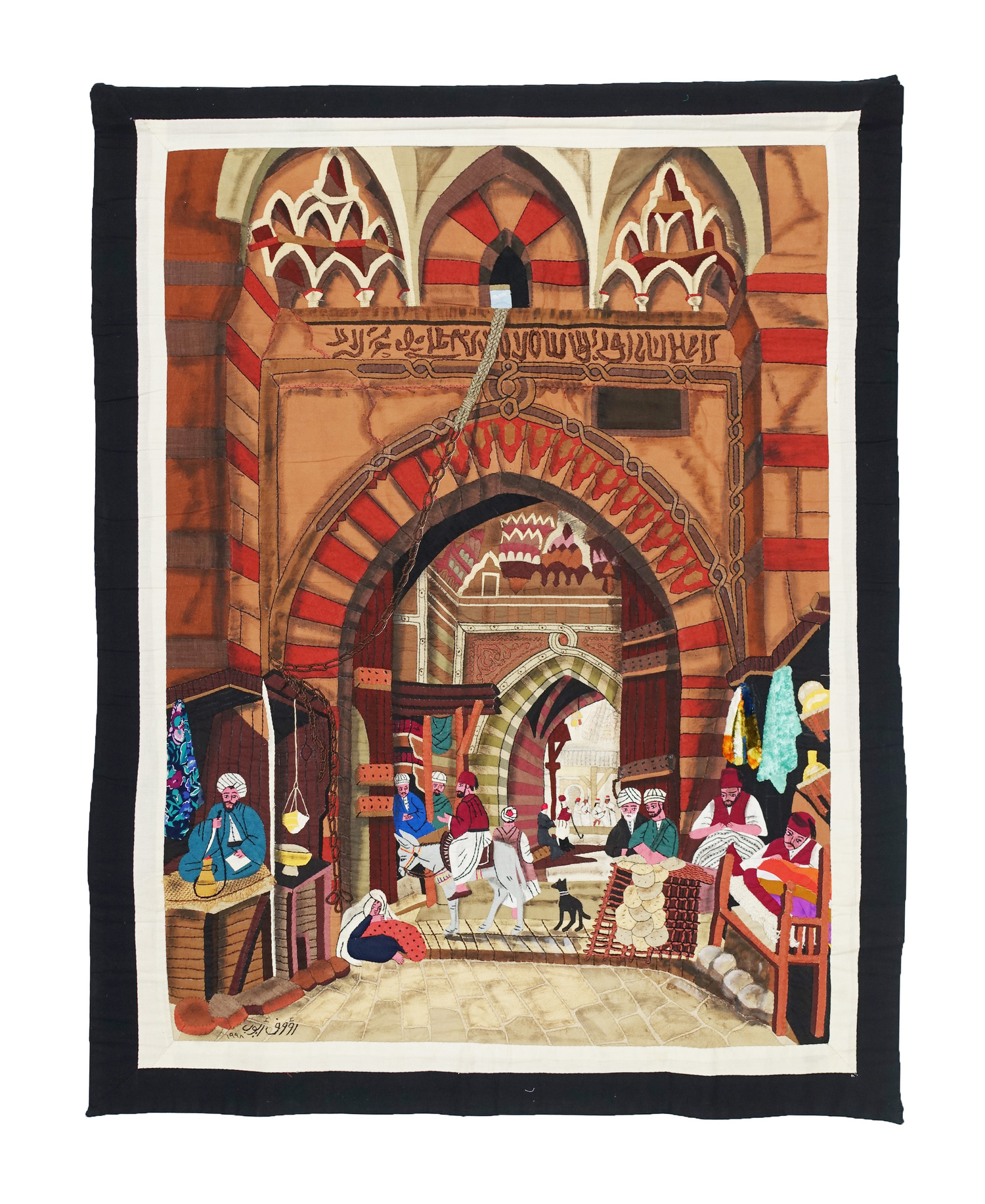
Appliqué panel from Egypt, c. 2000. Part of the so-called Arizona collection, recently acquired by the TRC (TRC 2022.1805). The scene appears to be inspired by a print by David Robert (1796-1864) called the 'Bazaar of the Silk Mercers' (c. 1846).Appliqué panel from Egypt, c. 2000. Part of the so-called Arizona collection, recently acquired by the TRC (TRC 2022.1805). The scene appears to be inspired by a print by David Robert (1796-1864) called the 'Bazaar of the Silk Mercers' (c. 1846).

The sheer range of items of three large donations, including the Arizona gift, which have come in since March is amazing. They range from Indonesian ikats (more about these below), Central Asian embroideries, Egyptian appliqués,  American First Nation items, to molas from Panama, not to forget all the textiles and garments from Central and southeastern Europe.

Zoek in TRC website

Contact

Boerhaavelaan 6
2334 EN Leiden.
Tel. +31 (0)71 5134144 (kantooruren)  
office@trcleiden.org

Het TRC is elke dag geopend tussen 10.00 en 15.00 uur.

facebook 2015 logo detail


instagram vernieuwt uiterlijk en logo


Bankrekening

NL39 INGB 0002 9823 59, t.a.v. Stichting Textile Research Centre.

Financiële giften

Het TRC is afhankelijk van project-financiering en privé-donaties. Al ons werk wordt verricht door vrijwilligers. Ter ondersteuning van de vele activiteiten van het TRC vragen wij U daarom om financiële steun:

Giften kunt U overmaken op bankrekeningnummer (IBAN) NL39 INGB 000 298 2359, t.n.v. Stichting Textile Research Centre. BIC code is: INGBNL2A

U kunt ook, heel simpel, indien u een iDEAL app heeft, de iDEAL-knop hieronder gebruiken en door een bepaald bedrag in te vullen: 


Omdat het TRC officieel is erkend als een Algemeen Nut Beogende Instelling (ANBI), en daarbij ook nog als een Culturele Instelling, zijn particuliere giften voor 125% aftrekbaar van de belasting, en voor bedrijven zelfs voor 150%. Voor meer informatie, klik hier