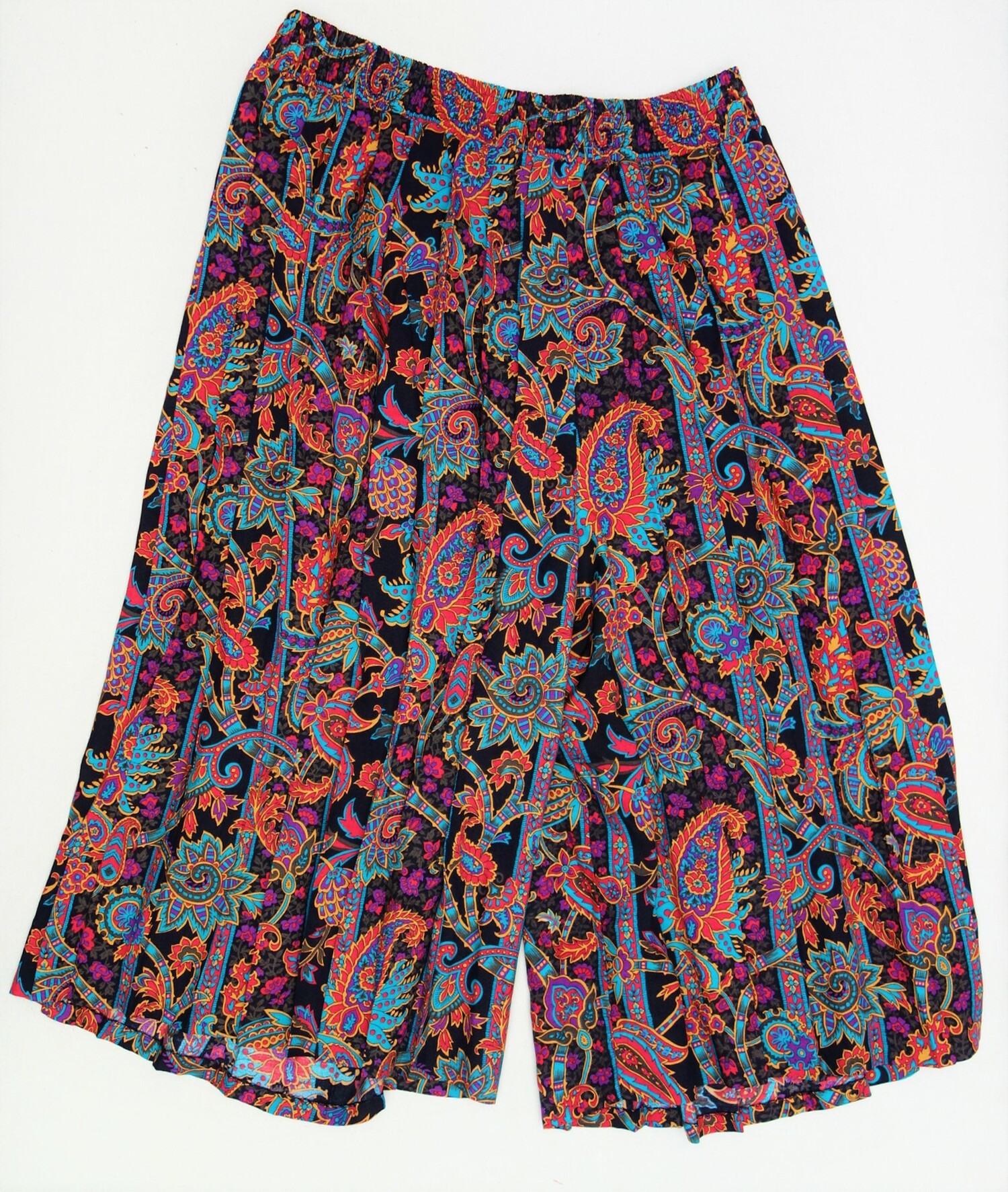
 Pair of baggy trousers with paisley motifs, USA, 1980's, marketed by the New York Clothing Company (TRC 2020.5135).There have been various developments with regards the current TRC’s paisley exhibition and related activities, which I thought you would like to know about.
Exhibition has been extended: Due to the present corona situation, it is unlikely that the TRC Leiden can open its doors to the general public until the end of June, beginning of July. So it has been decided to extend the exhibition From Buteh to Paisley: The story of a global icon to Thursday 16th December. This will give more people a chance to see this colourful and inspirational exhibition. The exhibition that was planned for the autumn will now open in February 2022 (it is an equally interesting exhibition about ikats from five continents!).
A film about the TRC’s exhibition: Thanks to the help of one of our volunteers, Augusta de Gunzbourg, there is now a film about the exhibition that can be seen at the new TRC YouTube channel.
Loan of the TRC paisley exhibition: We have had several enquiries about whether it is possible for the TRC paisley exhibition to travel to other venues. Yes, it is possible. The exhibition is available to museums and other institutes for periods of between 3-6 months at a time. Please contact me at Dit e-mailadres wordt beveiligd tegen spambots. JavaScript dient ingeschakeld te zijn om het te bekijken. if you would like further details.
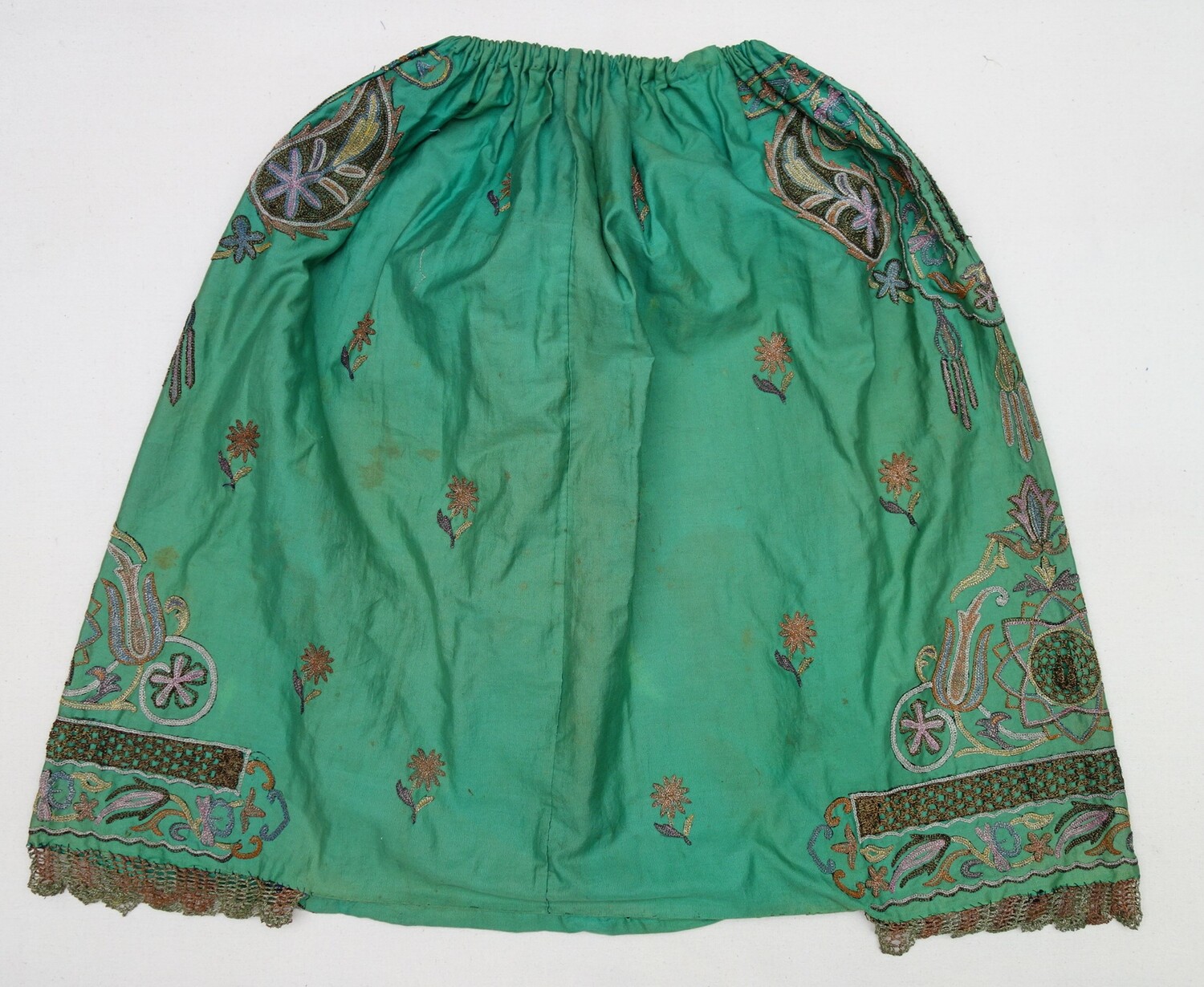 Pair of trousers with buteh/paisley motifs, for a circumcision outfit of a young Turkish boy, early 20th century (TRC 2005.0351a).TRC Paisley exhibition - online: We have also created a digital version of the TRC exhibition that follows the main line of the actual, 'on-site' exhibition. In addition, we have added a lot more items that could not be fitted into the TRC Gallery version. Click here for the online exhibition.
Online talk about paisley for the Fowler Museum, Los Angeles: I have just given an online talk to the Textile Council at the Fowler Museum, Los Angeles, about the history of the paisley motif and the TRC exhibition. The talk was enjoyed by over 100 people and has been recorded by the Museum. If you would like to hear the talk (and have a spare hour) here is the link.
Paisley book?: Several people have asked if it would be possible to have semi-popular and fully illustrated book about the paisley motif and its history, from earliest known forms to the present day. We would be more than willing to organise it if there is a publisher who would take on the financial and distribution side of the story!
Gillian Vogelsang, Director TRC, 27 March 2021
Support the TRC and its many activities! 



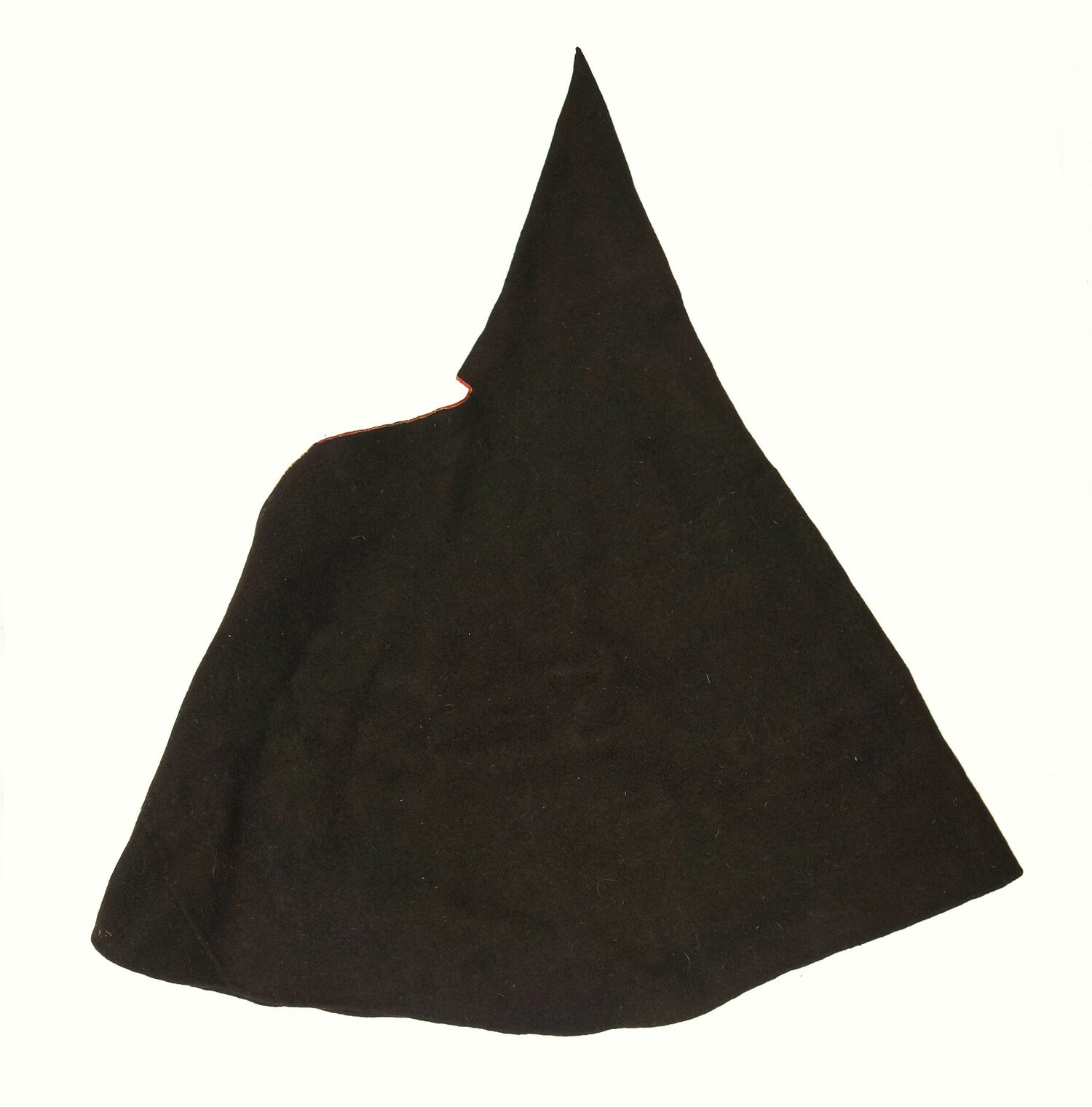 A woollen bernos from Debre Berh, central Ethiopia (TRC 2021.0814).On the 16th March 2021, I noted in a blog that: "...last Tuesday someone from Leiden came with an Ethiopian cape with, to my eyes, an unusual shape that could accommodate a rifle. A very practical garment!"