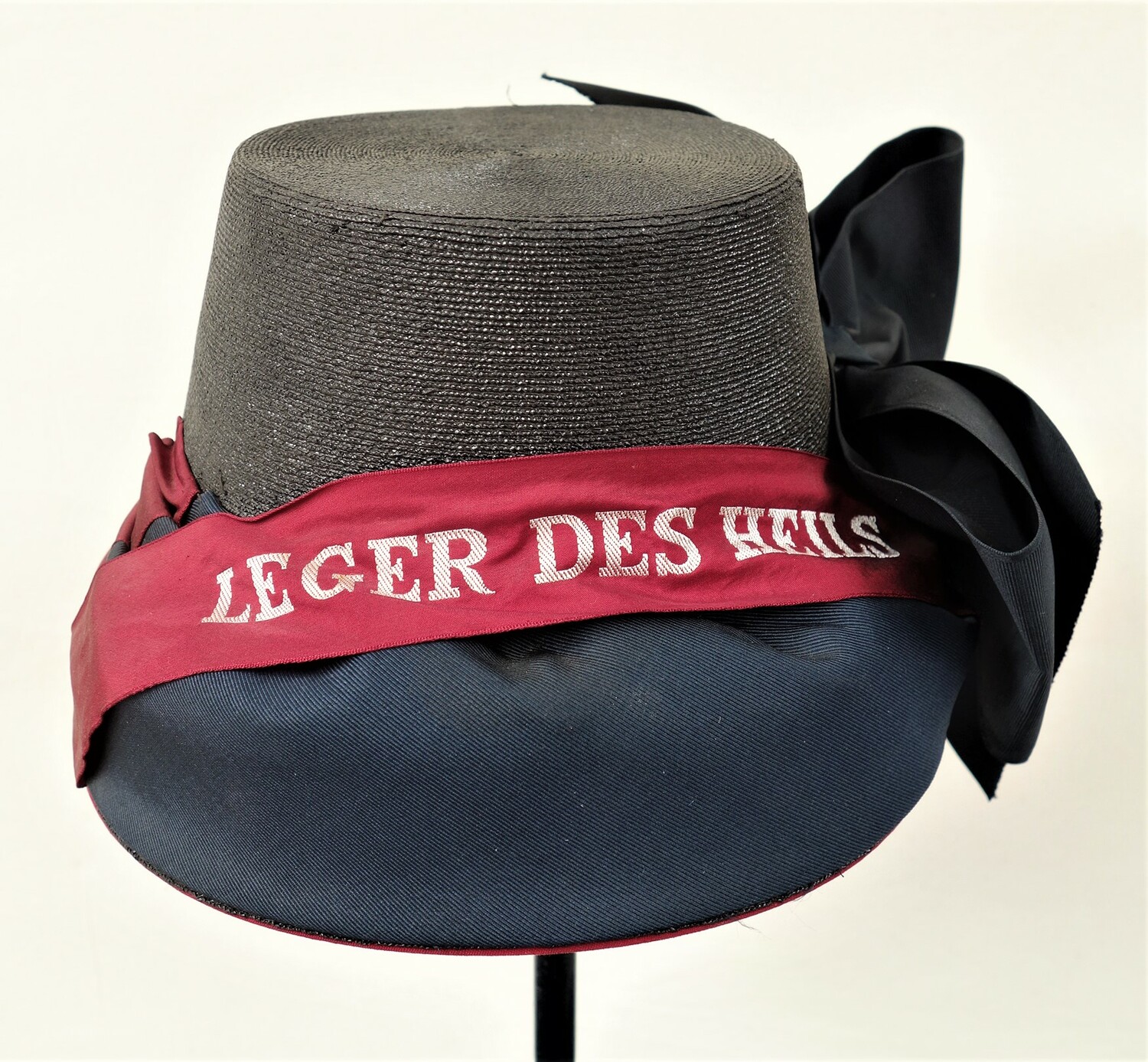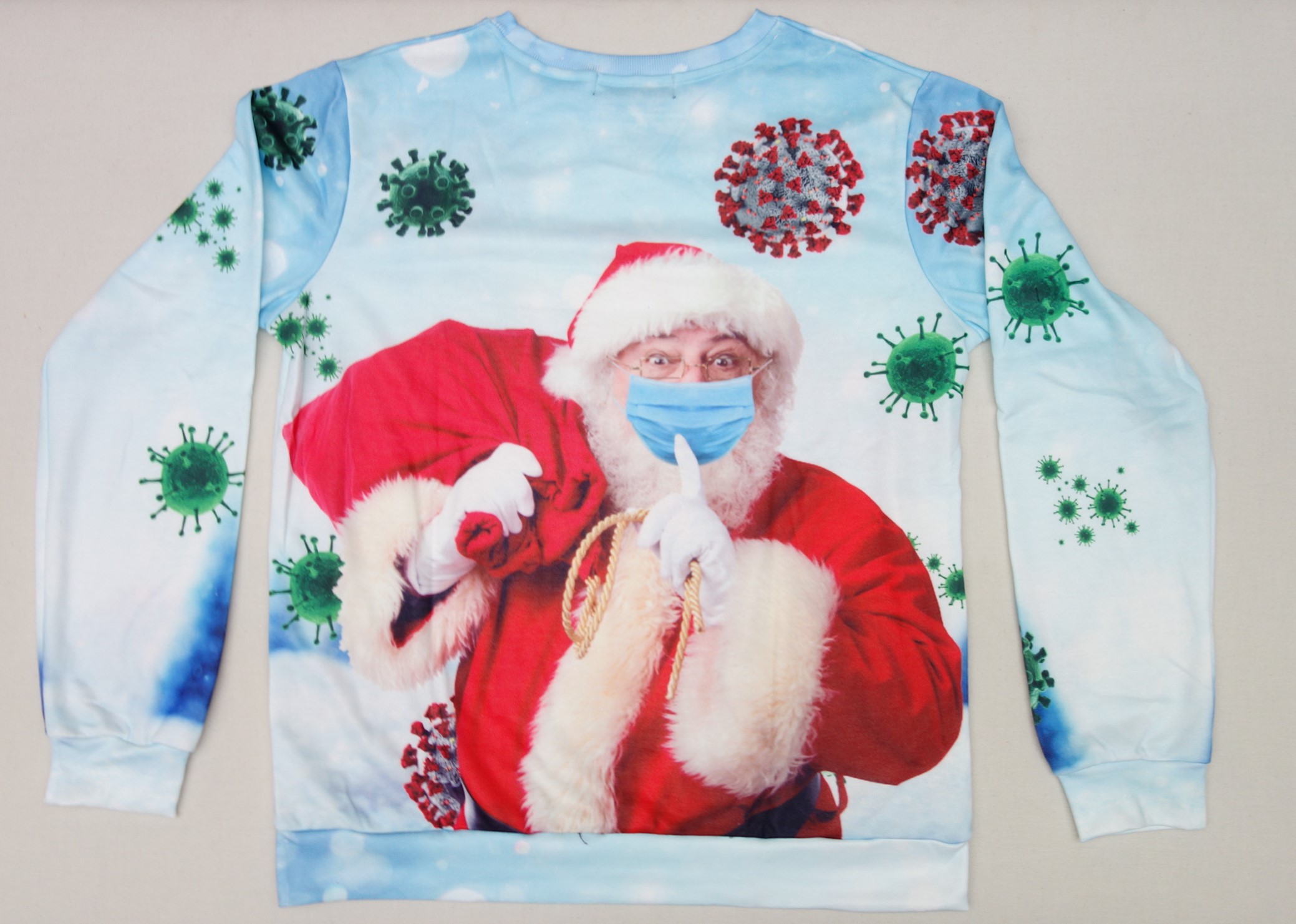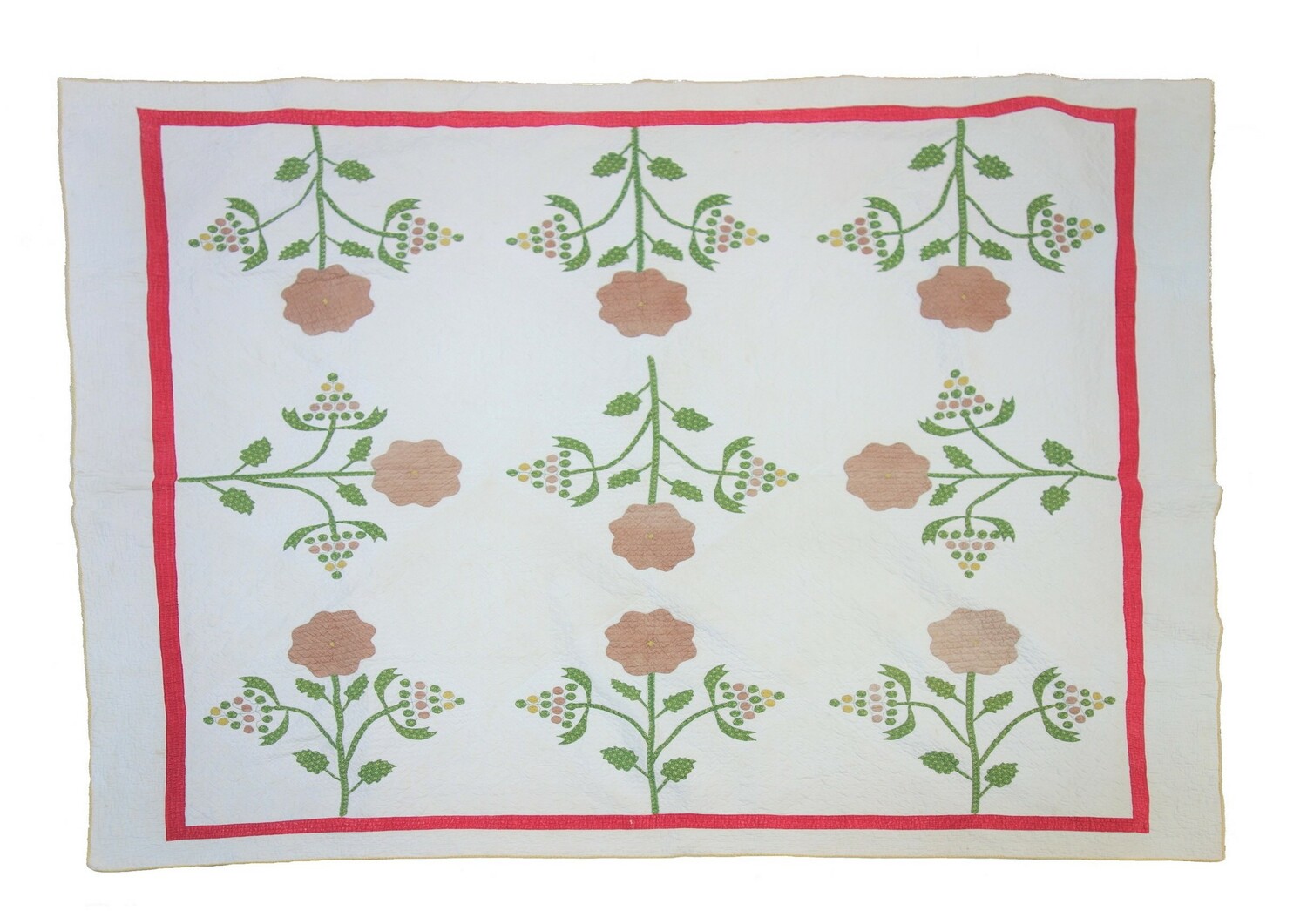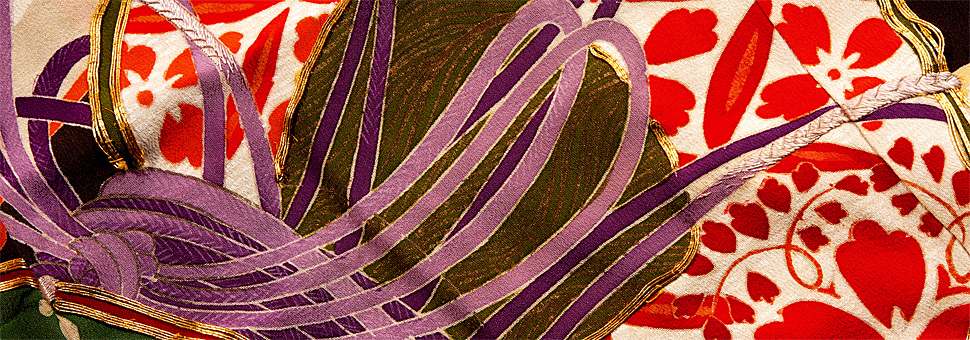
• F1
  • F3
  • F2
  • F4

Vietnamese woman wearing a garment made of lacquer silk. Photograph Augusta de Gunzbourg.Vietnamese woman wearing a garment made of lacquer silk. Photograph Augusta de Gunzbourg.Textiles have stories to tell. They bring people together when they talk about the way the textiles are made and when they discuss the history behind them. Nothing is more true than that in my own family.

Growing up in Vietnam, I recall my mother (Rose Morant) working with local artisans and craftsmen, bringing me along with her to remote areas to discover local knowledge and treasures of craftsmanship of textile manufacturing and special materials, such as lacquer.

I remember the strong smell of dye baths, the sounds of silk-weaving frames and the dye-darkened arms of the people working the fabric. One such material she worked on was a textile she named the “Lacquer Silk”. A bag recently added to the TRC collection in Leiden  (TRC 2020.4236) is made out of this beautiful material. This material is also sometimes referred to as “Leather Silk” in English and as Vai den or Vai Lanh My A in Vietnamese.

The way my mother came to work with it begins like a fairy tale: “ One day in the 1990’s, I was in Ben Thanh Market in Ho Chi Minh City and saw this woman walking away wearing a pair of trousers that shined like a black mirror in the sunlight. I simply had to know what they were made of. I ran after her to ask about it and that is when I started on the road to find out about the Lacquer Silk”.

Pair of socks with the text, "Vote by mail", USA, 2020 (TRC 2020.4198a-b).Pair of socks with the text, "Vote by mail", USA, 2020 (TRC 2020.4198a-b).Over 400 women’s marches took place in all fifty US states yesterday (17 October 2020). The marches drew hundreds of thousands of women together, both in person and virtually, to encourage other women to vote in the upcoming US presidential election, and to honour the legacy of deceased Supreme Court Justice Ruth Bader Ginsburg. Many marchers wore ‘dissent collars’ (see TRC blog 10 December 2018) and pink pussy hats.

The Textile Research Centre (TRC) in Leiden has two pussy hats (TRC 2017.0186 and TRC 2017.0187) in its collection. Pussy hats are hand-made, square-shaped caps made from wool or acrylic yarn, usually coloured pink. They can be knitted, crocheted or sewn.

After Donald Trump won the US presidential election in November 2016, American knitters campaigned to make more than one million of these hats, to be given as gifts for marchers to wear at the first 2017 Women’s March in Washington, DC. The hats became so popular that American craft shops reported running out of pink yarn. Pussy hats could be seen at Women’s Marches in Amsterdam, Rio de Janeiro and Tel Aviv.

A rangzen, a Tibetan freedom bracelet (TRC Leiden).A rangzen, a Tibetan freedom bracelet (TRC Leiden).A recent donation to the TRC reminded me of the feestrokken now on display in the TRC’s exhibit Textile Tales from the Second World War. Feestrokken were patchwork skirts made by Dutch women in the second half of the 1940s to celebrate the end of German occupation and war. The donated object is a hand woven, cotton Tibetan bracelet called a Rangzen (TRC 2020.4161).

Both objects, the Feestrok and the Rangzen, are made from scraps and both originate from akong people who were being imprisoned for their beliefs. The Feestrok idea began in 1943, when a member of the Dutch Resistance was imprisoned. Mies Boissevain-Van Lennep (1896-1965) was sent a scarf made from scraps of clothing from family and friends. This patchwork scarf was the inspiration for the idea of the patchwork Feestrok.

Early 20th century pin cushion from The Netherlands (TRC 2007.0615).Early 20th century pin cushion from The Netherlands (TRC 2007.0615).The TRC’s collection of some 31,000 objects includes not just some incredible textiles, but also textile tools. My favourites among the tools include some Japanese sewing needles (polished by hand, to insure they move easily through silk; compare TRC 2013.0432a-f) and a beautiful yellow silk and linen pin cushion (TRC 2007.0615), decorated with Tenerife lace. My pin cushion is in the shape of a more prosaic, and common, red tomato. Attached to it is a small strawberry filled with emery powder.

I like it because my mother had the same sort of pin cushion, as do hundreds of thousands of other sewers. But why a pin cushion in the shape of a tomato? According to the internet, this type of pin cushion originated in the folk belief that a tomato placed on a shelf protected a house from bad luck. If tomatoes were out of season, cloth substitutes were made.

New Look dress, late 1940's, early 1950's (TRC 2015.0030a-b).New Look dress, late 1940's, early 1950's (TRC 2015.0030a-b).The end piece of the TRC’s current exhibition “Textile Tales from the Second World War” is a beautiful, blue dress from the end of the 1940’s, early 1950's, which was made in The Netherlands (TRC 2015.0030a-b). The changes in women’s wear in the period, as impacted by the difficulties of the war and a renewed energy afterwards, are quite clear when looking at this particular garment and others on display.

Rationing and fabric shortages led women to shorten their hemlines, re-use older dresses, wear tighter skirts or to forgo pockets (and sometimes even stockings) in an attempt to save on material.

Practicality overruled what had previously been seen as propriety. Reflective of the war as well in terms of style, some women’s jackets also tended to include padding and straight lines at the shoulders in an effort to emulate a military uniform’s style.

When looking at this specific blue piece from 1948 however, one will notice the rounder shoulder lines, pleating on the shoulders, the large collar and a fuller, long skirt that make it contrast with earlier wartime fashion.

The “extravagant” use of so much more material is indeed representative of renewed availability of resources after the end of the conflict. In fact, all these attributes are also rather reminiscent of the trend instigated by Christian Dior in France with his iconic New Look in 1947. Could this dress have been inspired by it? With its rounded curves and fuller, pleated skirt it could easily be argued that it was!

Detail of an Indian shawl with the buteh motif, 20th century (TRC 2017.1351).Detail of an Indian shawl with the buteh motif, 20th century (TRC 2017.1351).A lot has been written in recent years about cultural appropriation. We published a blog about this trendy concept some years ago (13th March 2016). Cultural appropriation, in brief, refers to the borrowing of a specific aspect of one culture and deliberately using it in one's own. It is about Europeans wearing a kimono, or people in Iceland wearing a sombrero.

I cannot, and could not take this discussion, which started in the US, too seriously; borrowing from other cultures has always been going on under the general term of adopt and adapt. Humanity would be very poor if people did not look beyond their own village. And I do enjoy a pizza, although I am not Italian.

Yet, last week I was confronted with what I would call a 'real' and indeed blatant example of cultural appropriation.

Like many people during the pandemic, I miss travelling. But the on-line conference Textiles On The Move (6-9 October 2020) has satisfied that craving. Researchers, experts and curators from around the world come together to explore the movement of textiles and garments in Asia, and between Asia and the rest of the world.

Modern example of Tissu Provencal with the paisley motif, ca. 2020 (TRC 2020.3192).Modern example of Tissu Provencal with the paisley motif, ca. 2020 (TRC 2020.3192).The online programme includes a series of presentations, video documentaries, guided tours, a round table discussion, with participants using chat boxes to ask questions after each session. The documentary on Minangkabau textiles and loom highlighted traditional skills that still have a local market. It was produced by the Tracing Patterns Foundation (Berkeley, Cal.), one of the conference organisers and a TRC partner.

I learned of many new resources, including the Washington, DC-based Cotsen Textile Traces Study Collection, which comprises some 4,000 fragments of textiles from Asia, the Middle East, Africa, Europe and the Americas.

Another resource is the Javanese Batik Collection of King Chulalongkorn of Siam, currently on display at the Queen Sirikit Museum of Textiles (Thailand). This includes over 300 beautifully preserved batiks dating from the 19th to early 20th centuries, with garments worn by royalty and (even rarer) by ordinary people. Many of the pieces were from batik ateliers run by Dutch women, like the mother-daughter team of W.F. van Lawick van Pabst, who created innovative designs mixing traditional Javanese skills with 19th century European motifs. The exhibition will be on display at the World Culture Museum in Sweden in 2021.

Tartan face mask with lacing for the Gothic/Punk market, China/UK, 2020 (TRC 2020.3997).Tartan face mask with lacing for the Gothic/Punk market, China/UK, 2020 (TRC 2020.3997).A little while ago TRC volunteer, Shelley Anderson, wrote a blog about a number of corona face masks that she had donated to the TRC Leiden, and describing them within the context of different social, economic, ethnic and cultural groups. One of the masks comes from Japan and is made from kimono material (TRC 2020.3771). Another one has a pattern of black and white stripes of a zebra. This mask originates from Kenya (TRC 2020.3759). There are also several ‘Black Lives Matter’ examples from the US (TRC 2020.3769).

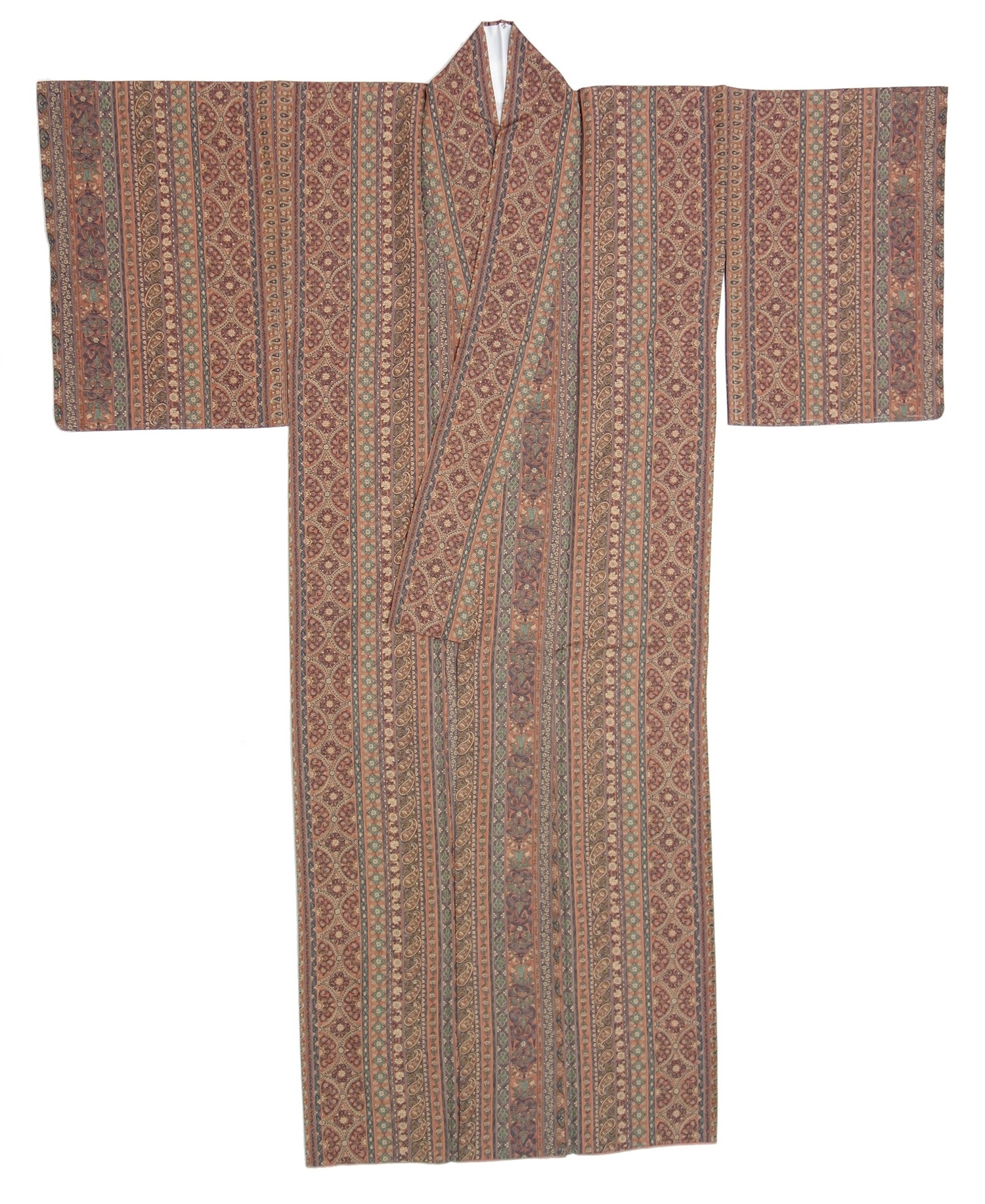
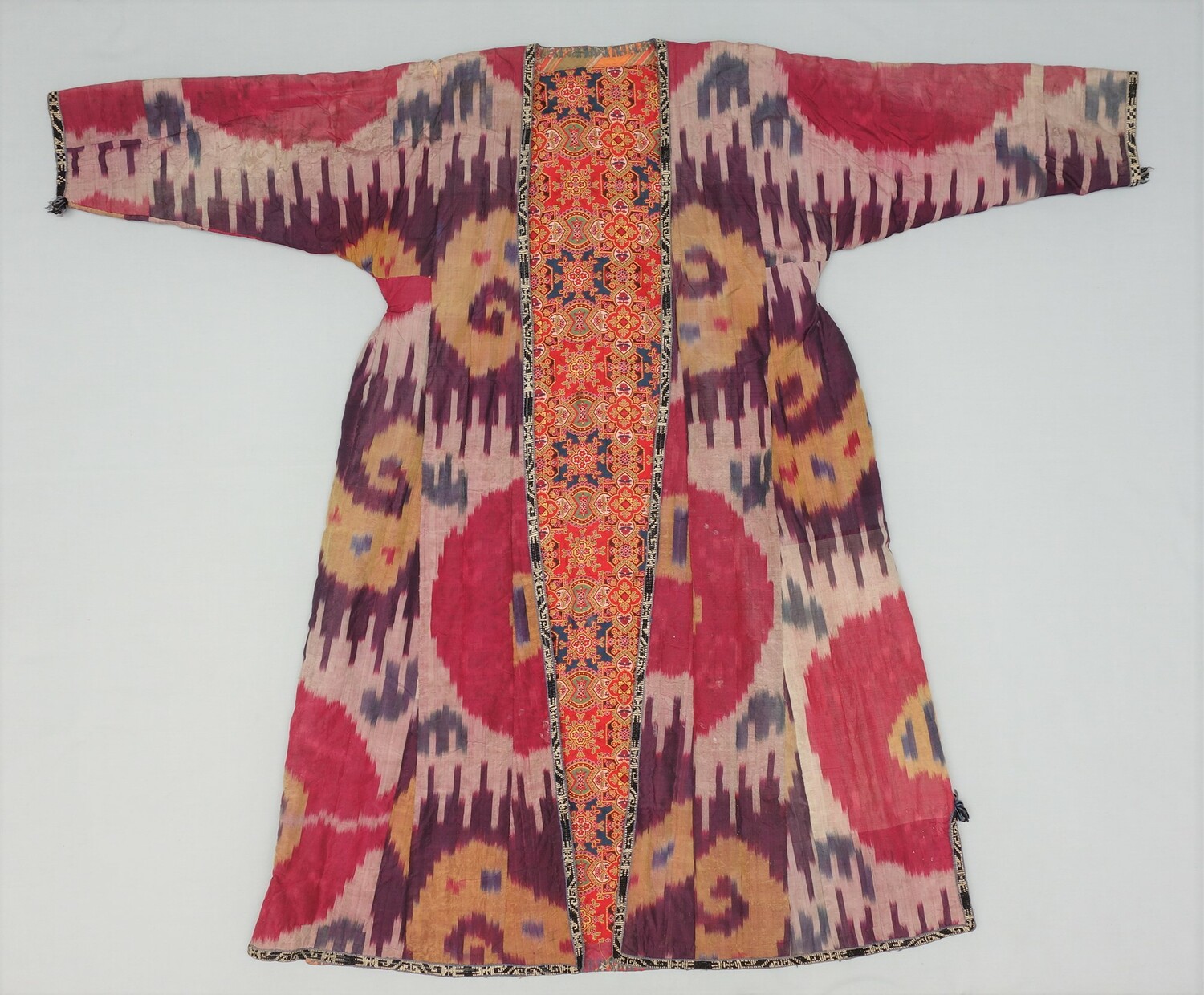
Then I wrote a blog about the forthcoming paisley motif exhibition to be held at the TRC in the spring of 2021. In particular I talked about some Steampunk garments, notably a corset, shirt and coat, which we had acquired for the exhibition. These items were made from different forms of paisley cloth.

Zoek in TRC website

Contact

Boerhaavelaan 6
2334 EN Leiden.
Tel. +31 (0)6 28830428  
office@trcleiden.org

facebook 2015 logo detail


instagram vernieuwt uiterlijk en logo


Bankrekening

NL39 INGB 0002 9823 59, t.a.v. Stichting Textile Research Centre.

Openingstijden

Het TRC is gesloten tot maandag 4 mei vanwege de verhuizing naar de Boerhaavelaan. We blijven bereikbaar via email (office@trcleiden.org) of telefoon: 06-28830428.

Financiële giften

Het TRC is afhankelijk van project-financiering en privé-donaties. Al ons werk wordt verricht door vrijwilligers. Ter ondersteuning van de vele activiteiten van het TRC vragen wij U daarom om financiële steun:

Giften kunt U overmaken op bankrekeningnummer (IBAN) NL39 INGB 000 298 2359, t.n.v. Stichting Textile Research Centre. BIC code is: INGBNL2A

U kunt ook, heel simpel, indien u een iDEAL app heeft, de iDEAL-knop hieronder gebruiken en door een bepaald bedrag in te vullen: 


Omdat het TRC officieel is erkend als een Algemeen Nut Beogende Instelling (ANBI), en daarbij ook nog als een Culturele Instelling, zijn particuliere giften voor 125% aftrekbaar van de belasting, en voor bedrijven zelfs voor 150%. Voor meer informatie, klik hier