
Beyond The Chador Regional Dress From Iran
0. Cover page
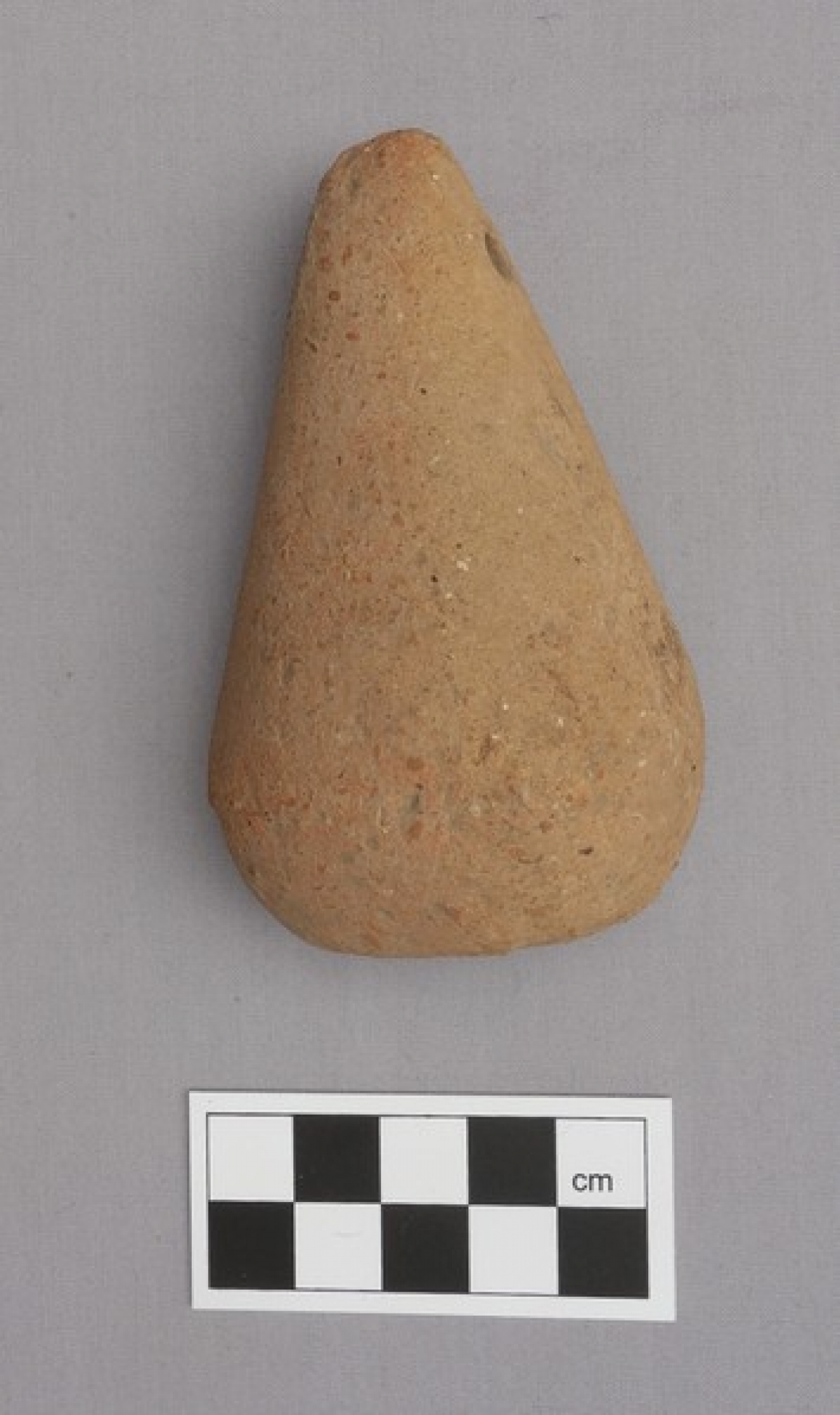
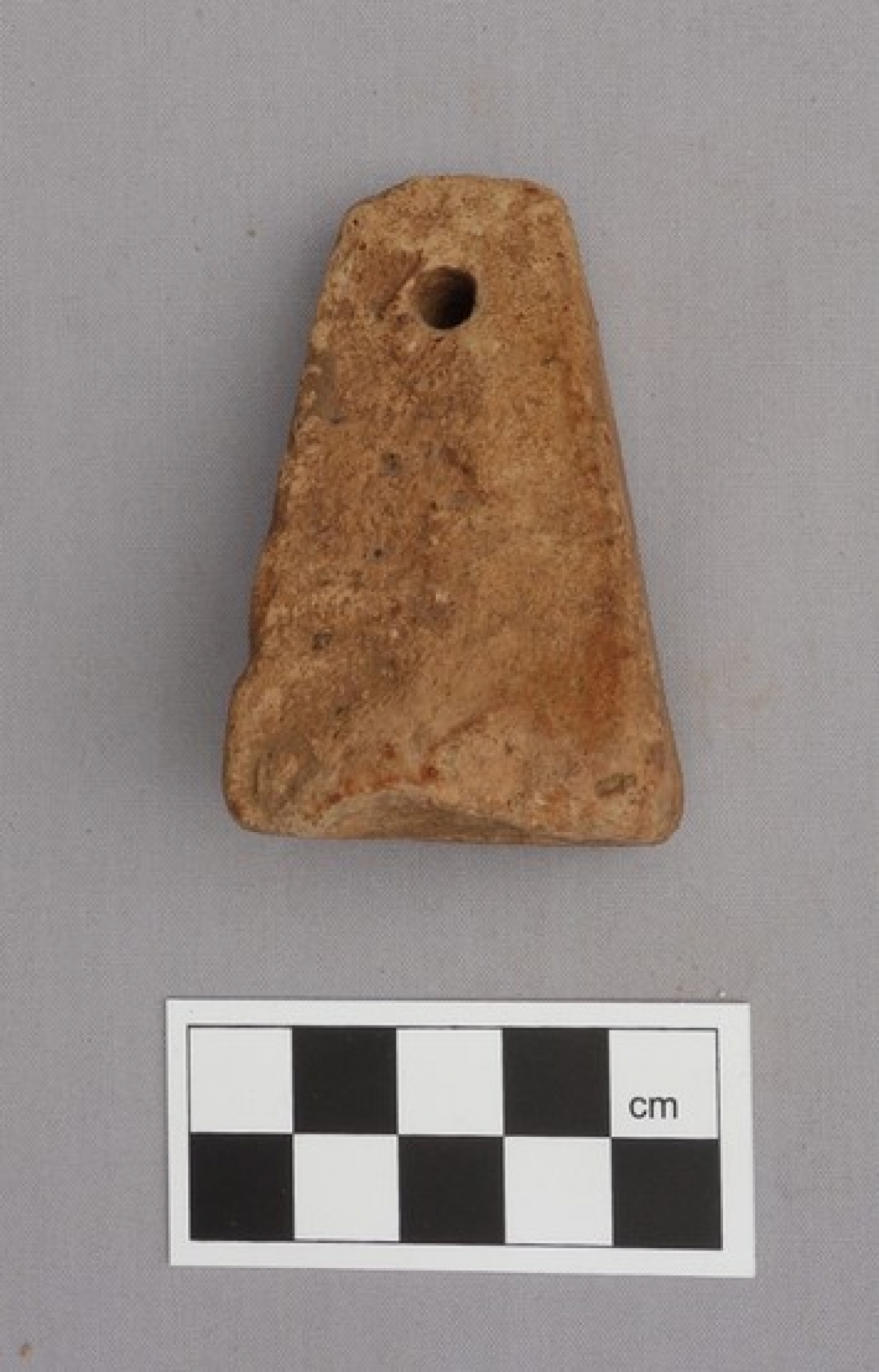
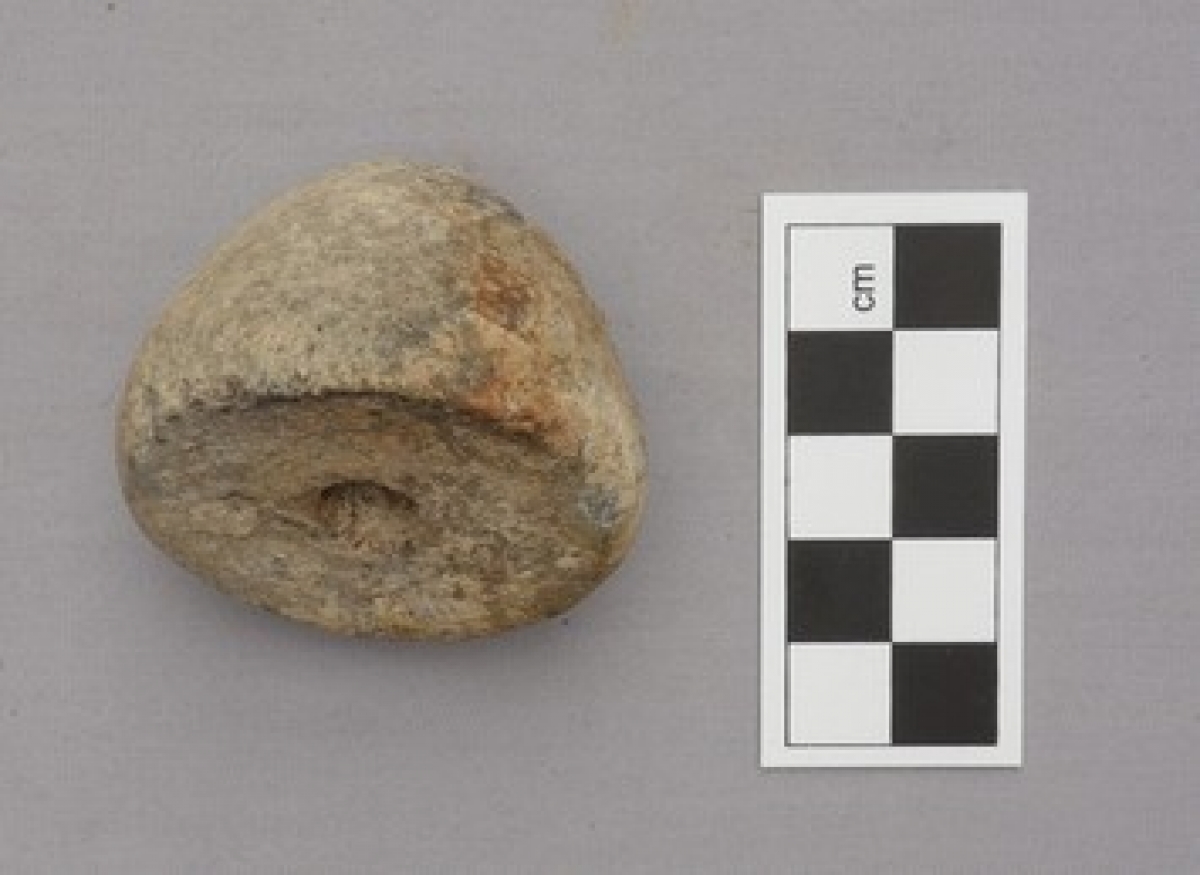
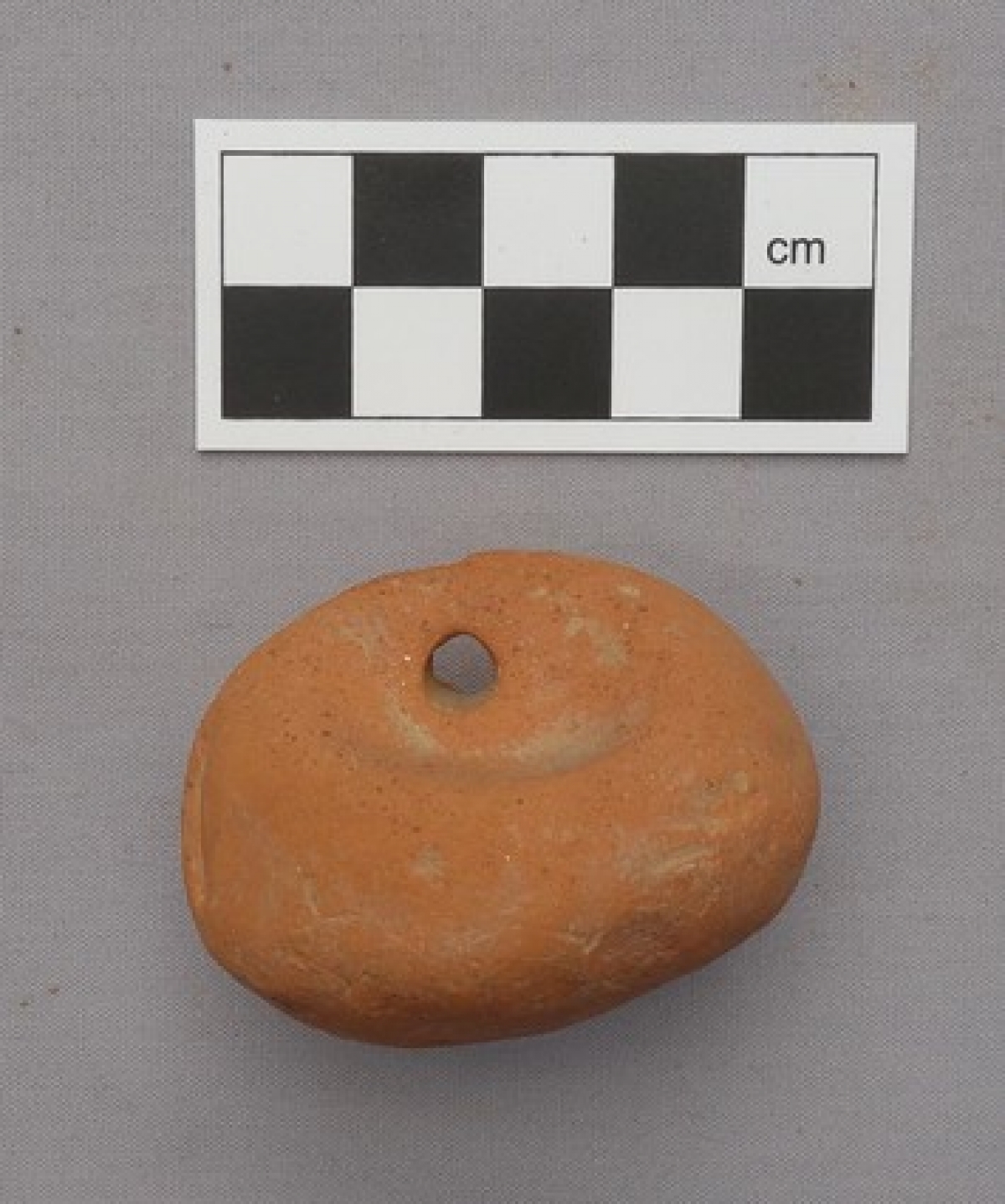
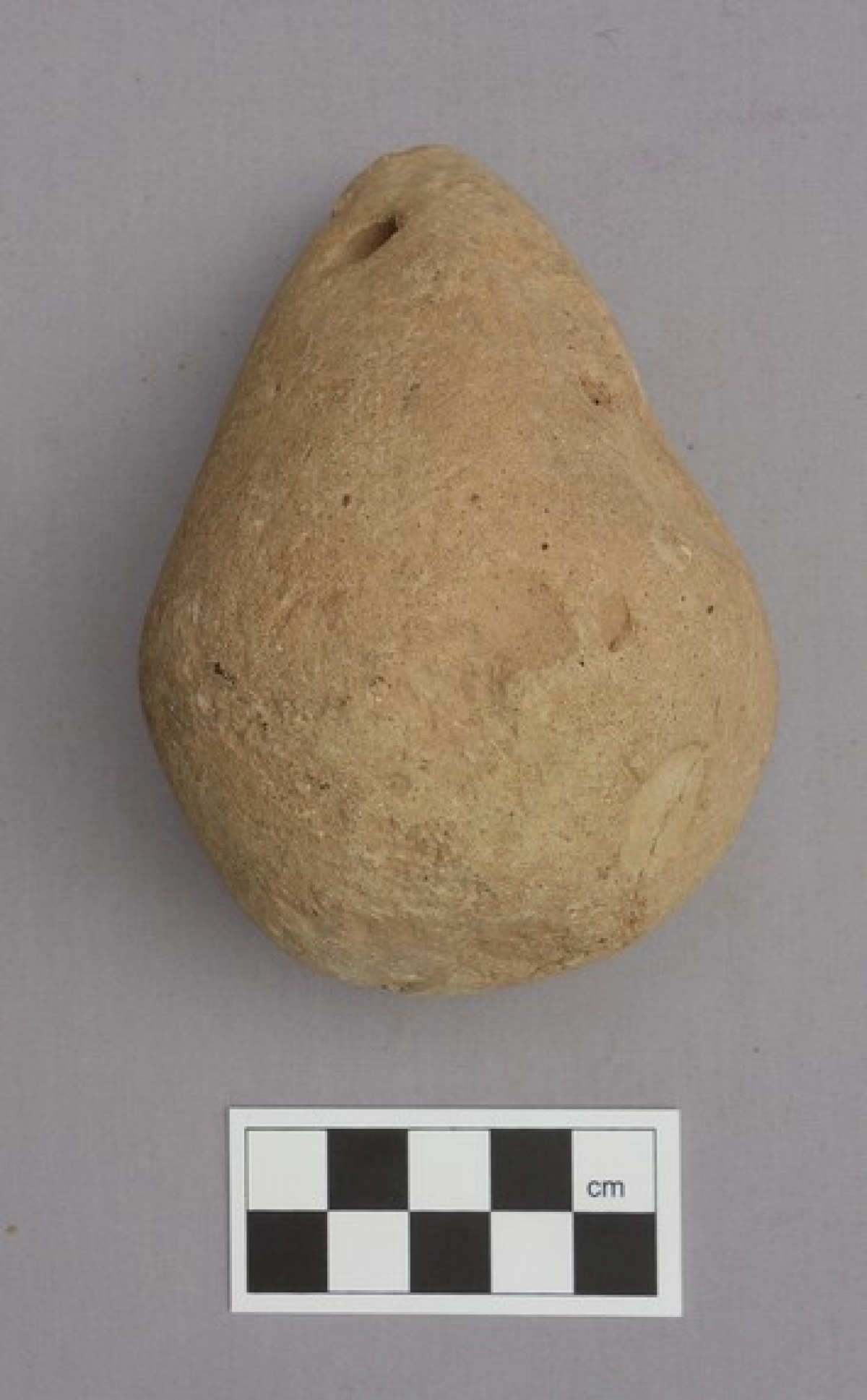
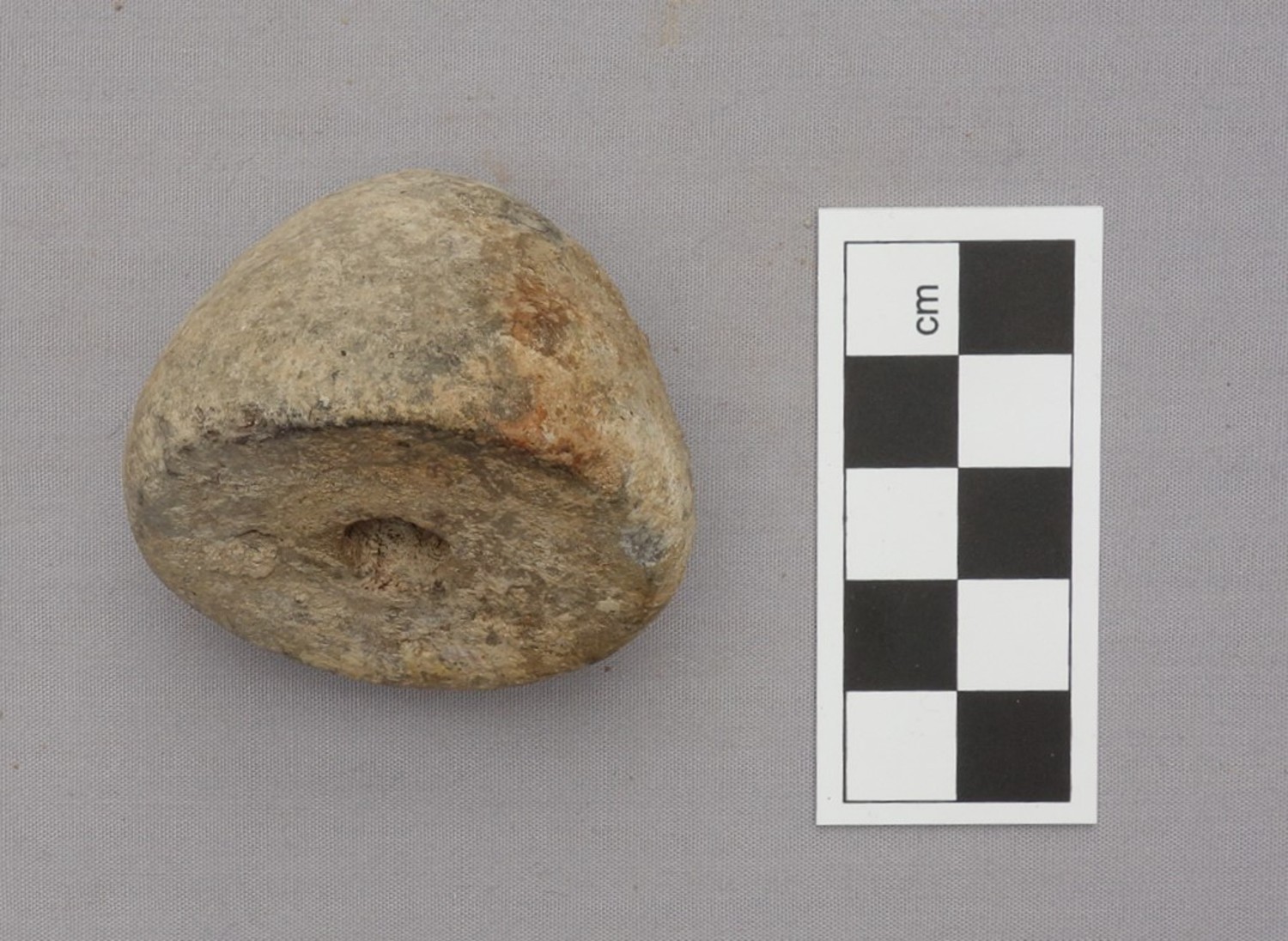
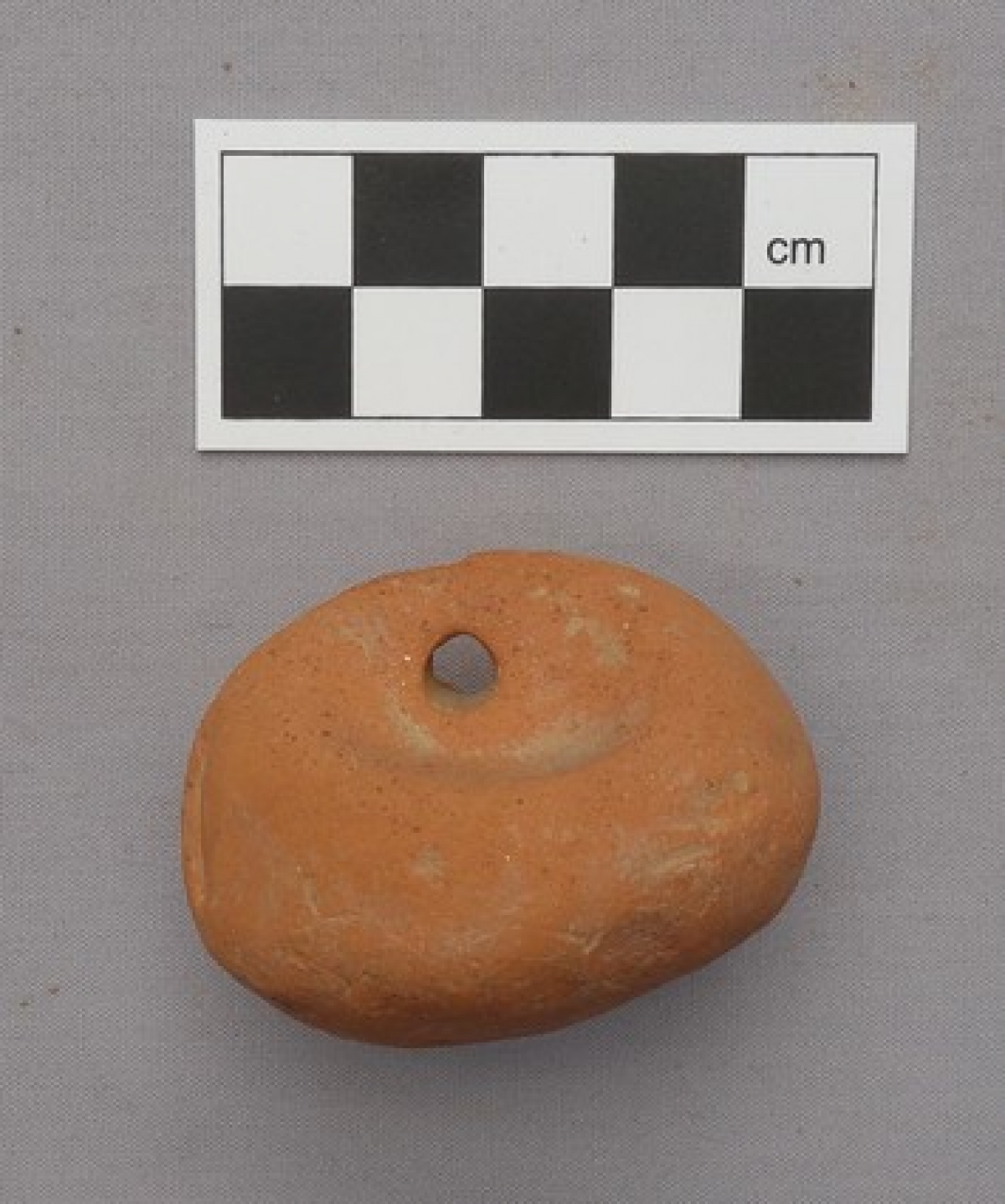
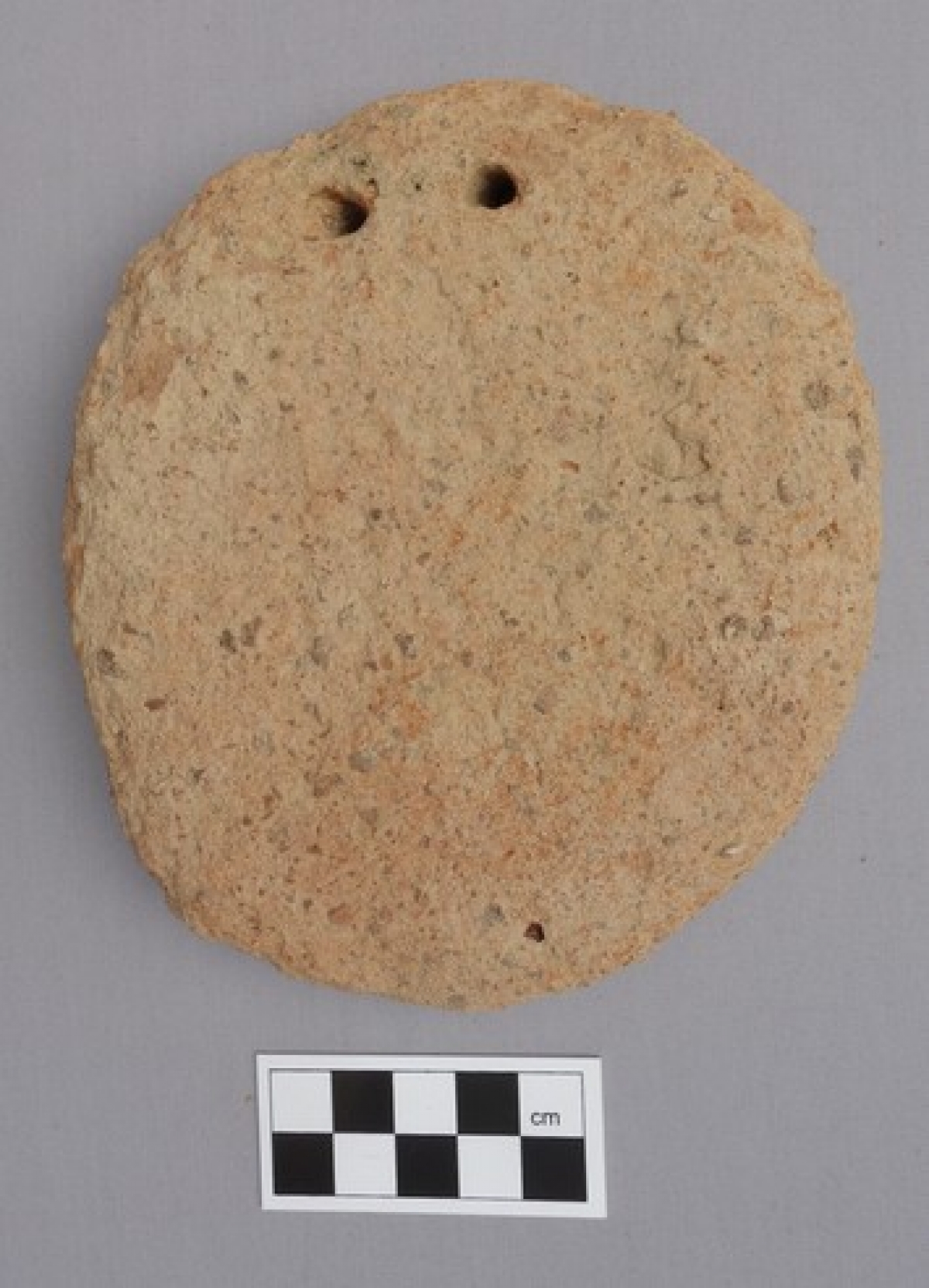
In 2014, a small collection of eleven ancient Greek loom weights was donated to the Textile Research Centre in Leiden, the Netherlands. The collection also included other textile tools, such as a bobbin (TRC 2014.0797), a bobbin fragment (TRC 2014.0798), and two spindle whorls (TRC 2014.0802 and TRC 2014.0803). All the tools are made of baked clay; the loom weights are mostly pyramidical or conical in shape with one perforation at the top. The artefacts come from different sites in Greece and range in date from the Archaic to the Classical, and perhaps Roman periods. This online exhibition will put these artefacts into context by exploring questions such as: what is a loom weight? How were they used? What can they tell us about ancient Greek textiles?
The text is by Shelley Anderson, volunteer at the TRC. A separate bibliography of the publications referred to in the text is provided below. All fifteen objects discussed in this online exhibition are grouped together in Chapter 11. Individual objects from this group, plus other illustrative material, are placed wherever relevant throughout the other chapters.
Further reading:
- Andrianou, Dimitra. “Eternal comfort: funerary textiles in late Classical and Hellenistic Greece” in Dressing the Dead in Classical Antiquity, ed. Maureen Carroll and John Peter Wild, 2012, Amberley Publishing, Stroud.
- Barber, E.J.W. Prehistoric Textiles: The Development of Cloth in the Neolithic and Bronze Ages, with Special Reference to the Aegean, 1991, p. 308. Princeton University Press, Oxford.
- Crowfoot, G.M. “Of the Warp-weighted Loom”. 1937, The Annual of the British School at Athens, 37, pp 36-47 (click here).
- Edmunds, Susan T. “Picturing Homeric Weaving”, at (click here), website of Harvard University’s Center for Hellenic Studies, Washington, DC.. Edmunds’s article includes a description, with links to images, of seventeen ancient Greek looms.
- Gromer, Karina. The Art of Prehistoric Textile Making: the Development of Craft Tradition and Clothing in Central Europe, 2016, Natural History Museum Vienna, Vienna.
- Haland, E. J. “Athena’s Peplos: Weaving as a Core Female Activity in Ancient and Modern Greece” at http://www.arch.uoa.gr/fileadmin/arch.uoa.gr/uploads/images/evy_johanne_haland/e_j_haland_cosmos_20.pdf
- Hoffman, Marta. The Warp-Weighted Loom: Studies in History and Technology of an Ancient Implement, 1964, Studia Norvegica, 14. Universitetsforlaget, Oslo.
- Mansfield, J. The Robe of Athena and the Panathenaic ‘Peplos’, 1985,PhD thesis, Ann Arbor.
- Margariti, Christina and Kinti, Maria. “The Conservation of a 5th-Century BC Excavated Textile Find from the Kerameikos Cemetery at Athens”, in Greek and Roman Textiles and Dress: An Interdisciplinary Anthology, ed. Mary Harlow and Marie-Louise Nosch, 2014, Oxbow Books, Oxford.
- Moulherat, C. and Spantidaki, Y. “Cloth from Kastelli Khania.” Arachne 3 (2009): 8-15.
- Nosch, Marie-Louise. “The Aegean Wool Economies of the Bronze Age”, at 2004 (click here). 2004.
- Rahmstorf, L. “An Introduction to the Investigation of Archaeological Textile Tools”, at https://www.academia.edu/19555832/An_introduction_to_the_investigation_of_archaeological_textile_tools Written 2006, revised 2008 and 2011.
- Thorin, Ida. Weighing the Evidence-Determining and Contrasting the Characteristics and Functionality of Loom Weights and Spindle Whorls from the Garrison at Birka. 2012, Master’s thesis, Archaeological Research Laboratory, Department of Archaeology, Stockholm University.
- Vogelsang-Eastwood, Gillian. An Introduction to Archaeological Textiles, 1993, Textile Research Centre, Leiden.
- von Hofsten, Sven. “Weaving as a Means of Preserving the Collective Memory in Archaic and Classical Greece”, in In Memoriam: Commemoration, Communal Memory and Gender Values in the ancient Graeco-Roman World, ed. Helene Whittaker, 2011, Cambridge Scholars Publishers, Newcastle upon Tyne.
For this online exhibition:
- Author: Shelley Anderson.
- Web-design: Joost Koopman
- Exhibition design: Willem Vogelsang
- Publisher: TRC Leiden.
- Year of publication: 2018.
- Copyright: All illustrations of objects housed in the TRC collection can be used free of charge, but please add to the caption: "Courtesy Textile Research Centre, Leiden" and the pertinent accession number of the object.
10. Conclusion
Weaving is only one step in the long process that results in a finished textile. In the case of wool, sheep must be bred, raised and sheared. The wool must then be cleaned, combed and/or carded to prepare it for spinning. It might be dyed or bleached before or after it is spun or woven. After spinning it is woven and embroidered. It is fulled and napped, then made into clothing. Clothing itself must be stored, cleaned and mended. Given these labour-intensive processes, textiles were highly valued and each scrap was used and re-used. Ancient Greek clothing was seldom cut out or tailored; that would be a waste of precious textiles. Both male and female clothing was draped on the body and held in place with decorative pins, ribbons, belts or sashes. It is clear that textile production took up a large amount of time for many Greeks, from shepherds to spinners, weavers to traders.
Yet clothing, too, is only one type of textile. The ancient Greeks used rugs, blankets, furniture coverings, wall hangings and cushions inside their homes, and awnings and canopies outside; ropes, halters and animal blankets on their farms; bandages to heal the sick and shrouds to bury their dead; tents, banners, linen corselets for war; sails, rigging, and fishing nets on their ships. There are many references in both Homer’s Iliad and the Odyssey to finely woven textiles such as robes or tapestries being given as diplomatic gifts. The production of all these necessary textiles must have been on an industrial scale and consumed the waking hours of large numbers of people, especially women and girls. In an Athenian list of occupations of freed slaves, women are frequently identified as ‘talasiourgoi’—women who clean, card, comb and spin wool. As Ion says to Kreusa in Euripides’s (480-406 BCE) play Ion, “Young girls do a lot of weaving.”
Textiles and their production were deeply embedded in the daily life, the economy and the religious life of ancient Greece. Loom weights were an essential part of the warp weighted loom, which was commonly used to produce these textiles. Loom weights survive in the archaeological record when the looms themselves and the textiles they produced do not. A careful study of these artefacts, which are often found in archaeological sites throughout ancient Greece and its colonies, can tell us much about ancient Greek technology, but also behaviour and beliefs.
9. Religion
Textiles also played a symbolic role in ancient Greek belief. In Plato’s Republic (circa 428-348 BCE) human life is depicted as controlled by three female Fates (Moirae). The first Fate, named Clotho, spins the thread of each individual’s life. The next, Lachesis, measures the length of the thread with her measuring rod, thus determining lifespan. The third Fate, Atropos, cuts the thread, and so ends life.
Plato’s own city, Athens, was named after and protected by the goddess Athena. One of this goddess’s most important skills was weaving. It is no wonder, then, that the culmination of the Panathenaia, a major ceremony honouring Athena, involved a textile. The Panathenaia, held every fourth year in Athens, involved a procession to the Acropolis, where a woollen peplos was draped around the cult statue of Athena in the Erechtheum. Preparations for this ceremony began months earlier when the high priestess, with the help of four specially selected girls, set up the loom to weave the peplos. The girls, between 7-11 years of age, were called the arrephoroi, and they would live a year on the Acropolis. Two other girls, called ergastinai, would weave the peplos for the goddess. The prestige and importance of this ceremony are reflected in the fact it is carved on the east frieze of the Parthenon itself.(Haland 2005).
Athens was not the only ancient Greek community with such a ritual: the goddess Hera, protector of the city of Elis (northwest Peloponnesos), was regularly presented with a new peplos, woven by sixteen carefully selected women. Rituals have also been recorded of presenting specially prepared peploi to Hera at Heraion and at Olympia; to Apollo at Amyklai; and again to Athena at Argos.
8. Women's work
Images on vases and many ancient literary references point to wool working and weaving as the work of women and girls in ancient Greece. But male weavers were not unknown (some two hundred man's names appear in Linear B tablets about weaving at Knossos); two male weavers, Helicon and Acesas, are recorded as making a sail that was presented to the goddess Athena on the Acropolis (von Hofsten 2011:18). It is possible that the weaving of specialized textiles, such as sails, was done by craftsmen. Yet weaving as a whole was seen as the women’s domain. In the Iliad, Hector explicitly tells the royal Andromache to “go to the house and busy yourself with your own tasks, the loom and the distaff, and tell your handmaids to ply their work: and war will be the concern for men…” (Book VI 490-493, Loeb translation).
Andromache is indeed described earlier as “… weaving a tapestry in the innermost part of the lofty house, a purple tapestry of double fold [in double weave], and in it she was weaving flowers of varied hue.” (Book XXII 440-441. Brackets by Susan T. Edmunds). Helen herself is also “…weaving a great purple web of double fold (in double weave])on which she was embroidering (in which she was portraying])many battles of the horse-taming Trojans and the bronze-clad Achaeans...” (Book III 121-128, with Edmunds' corrections in brackets).
Passages such as these throw light on ancient gender roles and relations. The historian Herodotus (484-425 BCE) was shocked (and doubtless shocked his Greek readers) when he wrote that in Egypt men were the weavers—and that they wove from the bottom up, not from the top down (as on a warp-weighted loom): “Not only is the Egyptian climate peculiar to their country…but the Egyptians themselves in their manners and customs seem to have reversed the ordinary practices of mankind.”
“For instance, women attend market and are employed in trade, while men stay at home and do the weaving. In weaving the normal way is to work the threads of the weft upwards, but the Egyptians work them downwards.” (Herodotus, The Histories, Book 2, chapter 35).
In his book Economics (Books 7 and 8), the historian/soldier Xenophon (died c. 354 BCE) has his character Isomakhos explain the running of the ideal household to his young wife. The ideal wife is likened to a queen bee. She is to teach slave women how to weave by standing in front of the loom herself. Likewise she must teach the women how to spin.
7. What can loom weights teach us?
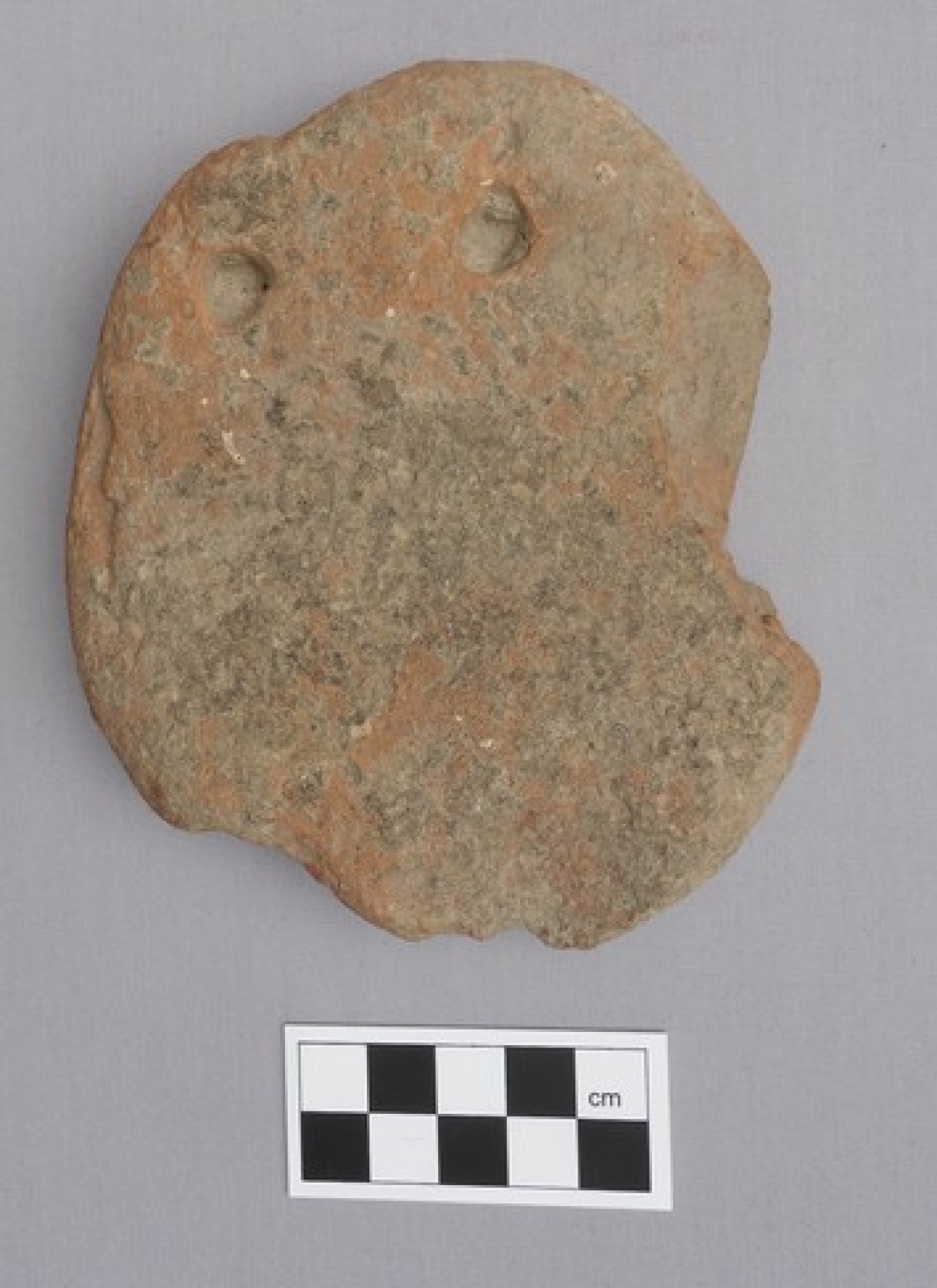
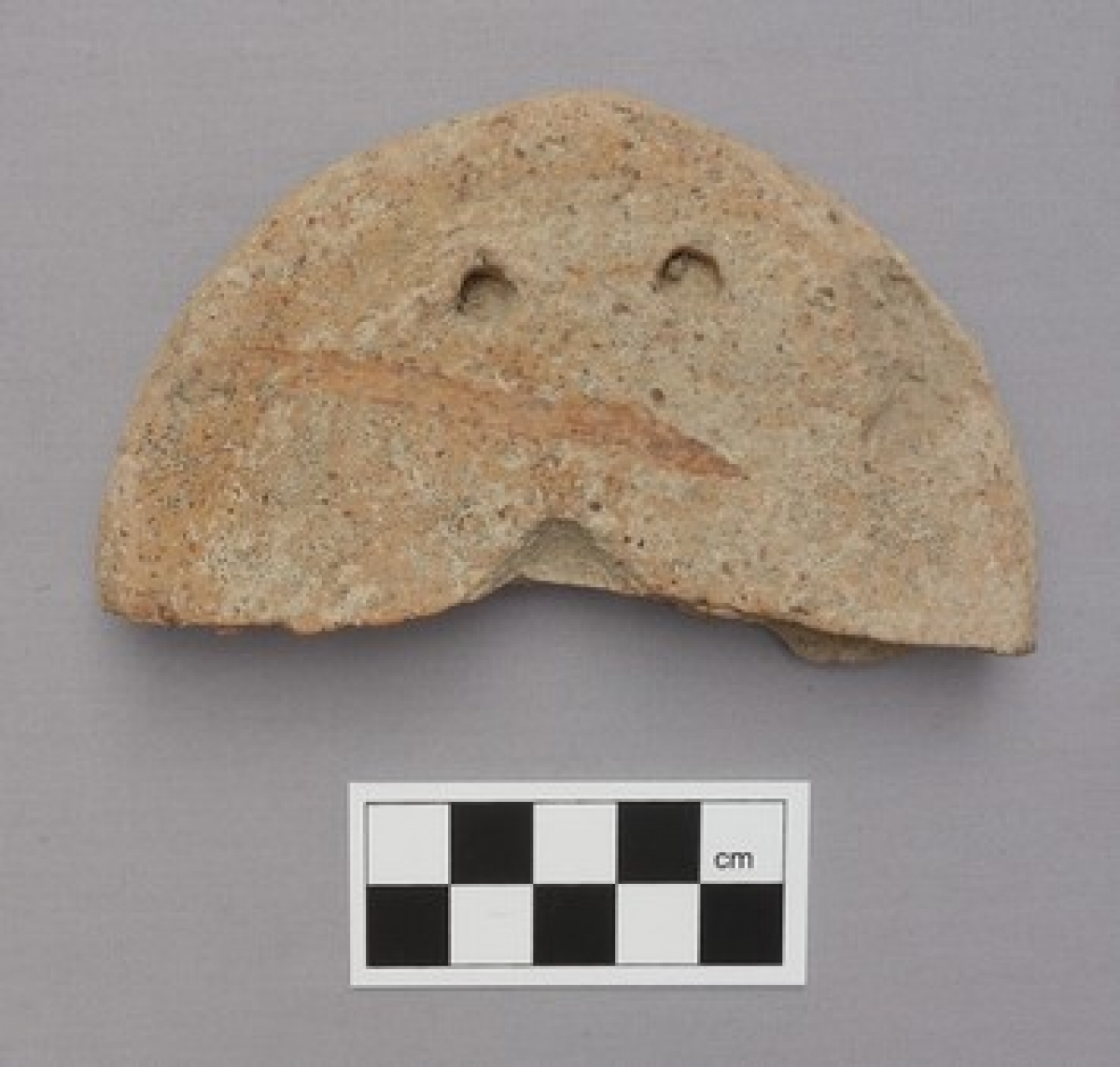
The careful study of loom weights and other textile tools can offer many insights into ancient Greek textile production. Loom weights should be examined for impressions of cloth, perhaps made when the clay was wet. Such impressions may provide clues as the weave and fineness of the textile. Fibres may also be preserved on a loom weight, especially inside or around the perforations. The width of a loom (hence the maximum width of the textile produced) might be calculated from the width of a line (or lines) of loom weights. First and foremost, loom weights provide evidence of textile technology, as shown above. But loom weights can also help to shed light on ancient economies; on migration; on gender construction and relations, and even on religious beliefs and practices.
The places where loom weights are discovered, and how the weights are grouped, can also give rise to important questions. Is the site a domestic dwelling, where textiles were produced for a household? Or is it a place where many weavers worked together? Researchers of the palace economies of the Aegean Bronze Age (Nosch 2014), where large-scale textile production was strictly organized by ruling elites, use loom weights and other archaeological finds (including Linear B inscriptions) to support their arguments.
 Ancient Greek bobbin. TRC 2014.0797.Who made these loom weights? The weaver her/himself? A specialized craftsperson? One loom weight (TRC 2014.0795) and a bobbin (TRC 2014.0797) in the TRC collection bear stamps made in the clay before it was baked. While a stamp could conceivably be the personalized mark of an individual owner or administration, it is also possible that stamps indicate an object made by a recognized artisan for sale. This hints at the economic role textiles played.
Some researchers think that changes in the shape and/or decoration of loom weights point to migration, especially of women. The origins of, and changes in words for textile tools have also been used to argue for the movements of large groups of people. Other scholars point to changes as the result of invasion or trade.
6. Ancient Greek textiles
Fragments of ancient Greek textiles have been discovered. The studies that have been made of these fragments are sometimes inconclusive or contradictory. The fragments from the Kerameikos cemetery in Athens, for example, were originally found to contain extremely rare (for Greece) silk fibres; a more recent analysis found no silk, but bast and possibly cotton fibres (Margariti and Kinti, 2014: Chapter 7).
Each textile discovery adds to our knowledge about the materials and techniques used. The discovery of the Koropi fragments showed that the ancient Greeks did employ embroidery techniques, something many scholars had doubted.. Wool and linen are the most common materials found; but there are others. At Kastelli Khania, on Crete, a small carbonized ribbon was found made of linen, goat hair and (perhaps) nettle fibres. The site was dated to the Late Bronze Age (Moulherat, C. and Spantidakii 2009: 8-15).
In 1875, textiles were found in burial mounds, called the Seven Brothers, near Kertch in the Crimea. These mounds are associated with the Greek Black Sea colony of Panticapaeum (also known as Pantikapaion). In Kurgan 6 some fifty fragments of a large woollen textile were discovered, draped over a wooden sarcophagus. This textile was made from at least eleven long bands stitched together. It was painted or resist-dyed in red, black and fawn colours, with scenes of running women, warriors, and at least two chariots drawn by horses. Some of the human figures are identified on the textile in Greek letters. The names Athena, Nike, Iocasta, Phaidra and Mopsos can be made out. It has been speculated that this textile may have been a wall hanging, perhaps in imitation of a more expensive woven tapestry, before it was used as a pall (von Hofsten, 2011:16). The textile had been carefully mended at some point.
Inside the sarcophagus, over the legs of a body, more textile fragments were found. These fragments belonged to a woollen tapestry with a design of polychrome ducks on a red background. Stags’ heads decorate the border. Based on other artefacts in the tomb, all the textiles were dated to the early 4th century BCE.
Other textiles have been found in the area. Fragments from the near-by Pavlovskij kurgan reveal a purple-reddish woollen textile. This textile was heavily embroidered in yellow-white, black and green colours, with palmettes and other plant motifs, a mounted rider and spiral waves. This textile has been dated to the mid-4th century BCE.
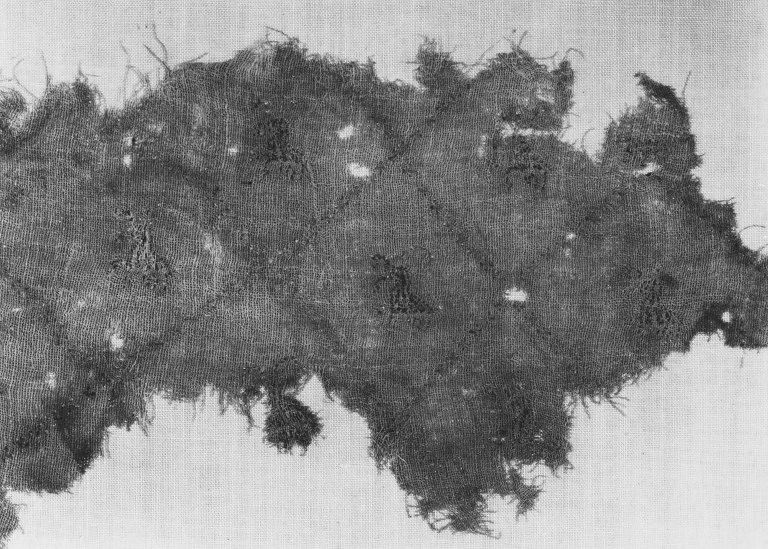 Early 5th century BC textile fragments, from Koropi, near Athens, Greece. Courtesy Victoria & Albert Museum, London, acc. nT.220 to B-1953o. On the Greek mainland, a small fragment of embroidered linen was found inside a bronze water jar at Koropi, near Athens, in Attica. The design was a diaper pattern with small lions in the centre of each lozenge. The threads were all Z-spun and the gold and silver embroidery threads had been wrapped around a fibre core (perhaps silk or linen). These fragments are now at the Victoria and Albert Museum in London (acc. T.220 to B-1953). The fragments were dyed green, with a tapestry or plain weave. They have been dated to 500-440 BCE. The fragments helped establish the fact that the ancient Greeks did have knowledge of embroidery techniques, something which had previously been doubted by scholars.
Other textiles come from a 1936 excavation of a grave (number 35 HTR 73) at the Kerameikos cemetery in Athens. A copper vessel was discovered wrapped in straw and wide purple ribbons, inside a sarcophagus. Inside the vessel were fragments of a textile decorated with stripes of purple on its corners. Some fragments were a plain weave, others weft-faced. Some fragments had selvedges and a starting edge, which indicates it was woven on an upright loom, perhaps the warp-weighted loom. The threads are single-ply with a Z-twist. As mentioned above, earlier analysis indicated the material was silk, but the latest analysis shows bast and possibly cotton fibres. The fragments are dated to between 430-400 BCE.
The most famous recent find is perhaps the 4th century BCE funerary pyre textile from the Royal Tomb II in Vergina. This tomb is associated with King Philip II of Macedonia, the father of Alexander the Great. Fragments of a tapestry woven, possibly woollen, textile were discovered in the tomb’s antechamber. In the centre of the textile is a floral design with two birds; the border has a meander motif. The textile was woven with gold and mollusk purple thread. The gold appeared to be “cut strips with no indication that they were spun around a core.” (Andrianou 2012: 46).
5. How were the loom weights used?
Loom weights are an essential part of a warp-weighted loom. In preparation for weaving, rows of loom weights are tied to bundles of warp threads in order to keep the necessary tension. Without such tension a very uneven, possibly useless piece of cloth will be produced. Loom weights used in this way also help to keep the warp threads from becoming tangled and out of order.
The weights, all of approximately the same weight for an even, consistent tension, hang at the bottom of the warp-weighted loom and keep the warp threads taut. When the weaving is finished, the weights are usually cut off, leaving a fringe of warps threads. Such a fringe is seen on the bottom of a Mycenaean warrior‘s tunic painted on the “Warrior Vase” (number 1426), made circa 1200 BCE, in the National Museum of Athens.
 Oil flask with a depiction of two women working a warp-weighted loom. Greece, c. 550 BC. Courtesy Metropolitan Museum of Art, acc. no. 31.11.10.The loom weights can be re-used. Loom weights have been found as far back as the Neolithic in Europe, the Aegean area and the Near East. They have been found, for example, at the Neolithic site of Catal Huyuk, in ancient Anatolia (modern Turkey), which dates to 7000 BCE.
4. What is a warp weighted loom?
Looms are used to weave textiles. Weaving itself “is a process of interlacing two or more sets of thread, according to a pre-defined system, to produce a cloth.” (Vogelsang-Eastwood 1993). Loom weights are the most direct evidence of the use of a specific type of loom, the warp-weighted loom (a type of vertical loom). A warp-weighted loom, at its simplest, consists of a stick or bar (called a cloth beam) at the top supported by upright poles on each side. The entire frame frequently leans against a wall. Warp threads are secured at the top bar, so that they hang down freely. Loom weights are then attached at the bottom to bundles of warp threads to keep them taut. The weaver or weavers stand in front of the loom and work with their arms raised. The shuttle with a weft thread is passed to the left and right, under and over the warp threads, in order to produce a textile. The woven material is pushed towards the top of the loom as it is produced. The width of the frame determines the maximum potential width of the textile.
This type of loom is at least 4,000 years old. Some researchers think that the warp-weighted loom originated in Central Europe and then spread east, towards the Aegean area, and through ancient Anatolia to the Near East. The exact origin and spread are, however, still debated. It is clear that the warp-weighted loom was used extensively throughout Europe and the Near East. Its structure and use are falso amiliar from ethnographic studies. In the 1950s, the Norwegian scholar Marta Hoffman, of the Norsk Folkemuseum, Oslo) found women in Lappish Norway and Finland still weaving certain textiles, and in particular heavy woollen bed spreads, on warp-weighted looms (Hoffman 1964).
 Illustration of Penelope at her loom, on a skyphos from Athens, found in an Etruscan tomb at Chiusi, From: Monumenti d. Inst. Archeologico, IX., pl. xlii.Two silent black and white films showing the use of a Norwegian warp-weighted loom are available on YouTube. Both are from the Norsk Folkemuseum, where Hoffman worked as curator. The first film (NF.Film-10517), made by Marta Hoffman in 1956, is 26.5 minutes long. The second (NF.Film-10484) dates from 1947 and is 10.11 minutes long.
There are many depictions of warp-weighted looms on ancient Greek vases. Such depictions may not be technically accurate in detail, as the vase painters were probably not weavers themselves. But representations of warp-weighted looms on vases point to the widespread use of such looms. One famous vase, a lekythos (a terracotta oil flask) attributed to the Amasis Painter, depicts five groups of women processing wool (a picture of the vase can be seen at here). One image is of a warp-weighted loom. Two black-figured women weave upwards by standing in front of this upright loom. Its warp threads are clearly separated and attached to loom weights (Edmunds 2016).. According to the weaver, Susan T. Edmunds, a loom weight shaped like that on the vase, complete with a metal ring, is now in the British Museum.(Edmunds 2016).
 Early Bronze Age spindle whorl. TRC 2014.0802.Other women on this vase are shown weighing balls of wool, filling baskets with wool, spinning, and lastly folding and stacking completed textiles. This vase (31.11.10) was made circa 550-530 BCE in the Attic region of ancient Greece. It is now in the Metropolitan Museum of Art (New York, USA). Other images of warp-weighted looms have been found on early 5th century Greek vases in Italy, such as the Chiusi vase (sometimes called the “Penelope Vase”) (see here) and the Pisticci vase (Barber 1991:111).
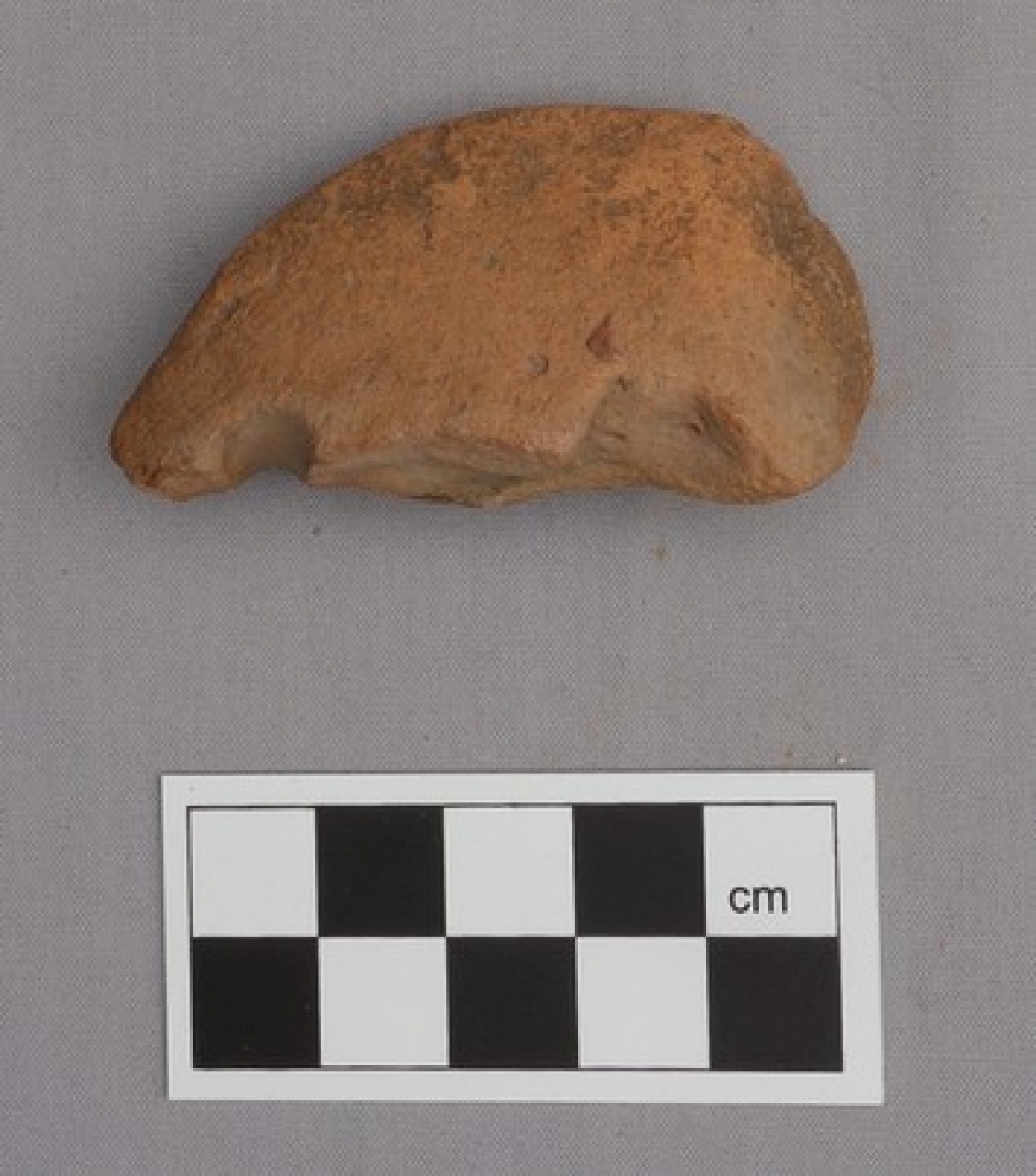
 Early Bronze Age spindle whorl. TRC 2014.0803It is important to note that the ancient Greeks may have used other types of looms, in addition to the warp-weighted loom. Narrower textiles, for example belts, sashes, straps, ribbons and decorative trims, can be woven with tablets (also called cards), and on band looms. The bobbin and bobbin fragment in the TRC collection might have been weights for a tablet loom..
Different types of looms may have been used during different periods. On mainland Greece, loom weights seem to disappear during the Middle Bronze Age, despite being found both before and after this period. Yet spindle whorls (examples from the TRC collection include numbers TRC 2014.0802 and TRC 2014.0803, which are used to produce thread, are still plentiful, indicating that textiles were still being produced. Exactly why loom weights disappeared during this period is a mystery, but it may indicate that another type of loom, one that did not need weights, was in use (Barber1991:308)
3. When is a loom weight not a loom weight?
It can be difficult at times to precisely identify an object as a loom weight. Similarly shaped stone or clay objects, with perforations, might have been used as weights for roof thatching, supports for fire spits, spindle whorls, net sinkers for fishing nets (Barber 1991:97) or bellow shields (In Scandinavian archaeology, loom weights have sometimes been misidentified as bellow shields. See Thorin 2012:4). Looking at the archaeological context of the object is important for its identification. Support for roasting spits may have fire marks, while net sinkers might be found in or near an ancient lake or river, or in the remains of a boat.
Loom weights are commonly found in clusters or in two or more parallel rows, or near post holes where the loom’s uprights were placed. There may also be characteristic wear marks or grooves that point to the object’s use as a loom weight. Other indicators might be the nearby remains of other textile tools (spindle whorls, beaters, bobbins, heddle rods, etc.) or remnants of textiles themselves. Identification depends on the excavator’s interpretation, which can be subject to human error.
Loom weights are a common archaeological find in Greece and elsewhere. The ancient Greek textile tools found in the TRC collection originated from different sites. The two spindle whorls (TRC 2014.0802 and TRC 2014.0803) were found at Perakhora; the dumb-bell shaped bobbin (TRC 2014.0797) and bobbin fragment (TRC 2014.0798) were found at Argos. Loom weights TRC 2014.0789 and TRC 2014.0794 were found at Orkhomenos. Other loom weights were found at Dikte and at Chios. Sadly the find sites for several of the other weights in the TRC collection were not recorded.
2. What is a loom weight?
Loom weights are used in a specific type of vertical loom, called a warp-weighted loom. By tying loom weights at the bottom of warp threads, the weaver creates an even tension and has greater control. Loom weights may be stones (from a field or river) of a similar shape and weight, in which case the warp threads are tied around the middle of the stones. Clusters of pebbles with a hole drilled at the top have also been discovered. Other ancient loom weights have been found in Greece were made of lead.
But loom weights were more generally made from clay (baked or unbaked), with a hole or holes punched in the top. Making loom weights from clay would give the weaver greater control over its shape, size and weight, which would improve the weaving and the final textile. Making loom weights from clay, either individually by hand or with a mould, would presumably have been less laborious than drilling holes in rocks or pebbles.
Loom weights from ancient Greece are found with and without decoration and in shapes ranging from discoid, cylindrical, pyramidical, conical, dumb-bell or doughnut-shaped. Different shapes and weights will affect the thread count of a textile. The thread count is the number of threads per centimetre in a weave. More narrow shaped disc or pyramidical weights take up less space than bulkier spherical weights (even if the weights weigh the same), allowing for a higher thread count. The higher the thread count the finer the finished textile (Gromer 2016:112).