

Suzhou Silk Museum
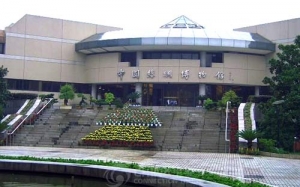
The Suzhou Silk Museum is located in Suzhou, China. It is dedicated to the history of silk production and Suzhou embroideries. The Museum was opened in 1989. There are old looms and samples of ancient silk designs. One room contains model silk worms (replacing life worms that were in the room before) and mulberry leaves.
Human hair embroidery
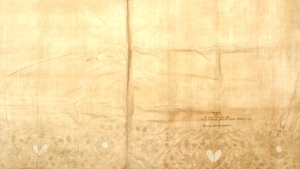
BBC News on 14 February 2022 published a short article about a bedsheet that was possibly embroidered with the hair of a decapitated man. The bedsheet is in the Museum of London and was acquired in 1934. It will be displayed at a planned exhibition in the Museum of London Docklands, to be opened in October 2022.
Yue embroidery
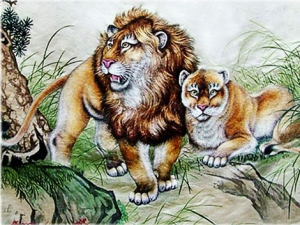
Yue xiu is also known as Guang xiu (粤绣/广秀) or Cantonese embroidery, and this form of Chinese embroidery derives from Chaozhou, in Guangdong Province. It is characterised by its complicated, but symmetrical patterns, its bright colours, variety of stitches varied stitches. It is at times reminiscent of Western paintings because of its colour combinations and the contrast between light and dark.
Shu Embroidery
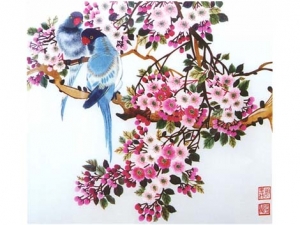
Shu xiu (蜀绣) or Sichuan embroidery originates from the area around Chengdu, in Sichuan Province. It has a centuries-old history. It is based on the use of coloured silk and satin cloth. It is marked by its even stitching and subtle colours. The general closeness of the stitches allows for embroidering intricate details. It is used to decorate pillow cases, shoes, quilt covers, garments, and screens.
Xiang Embroidery
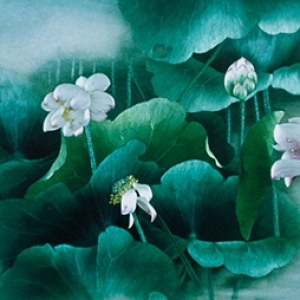
Xiang or Hunan embroidery derives from the lands around the town of Changsha, in Hunan Province. It is characterised by its dark and light colour gradations. By its emphasis on the contrast between light and dark, it provides a three-dimensional effect. It is also marked by its use of empty spaces, in this way recalling Chinese ink and wash paintings.
Suzhou Embroidery

Suzhou or Su Xiu (苏绣) embroidery is created around the city of Suzhou, Jiangsu Province, China. Embroidery has been carried out in this part of China for many centuries. Embroiderers are known for their use of many embroidery techniques and hundreds of different types of threads.
Riding a Crane over a Beautiful Terrace
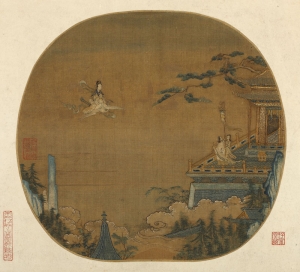
'Riding a Crane over a Beautiful Terrace' or ' Riding a Crane over Yaotai' is an embroidered picture based on a painting. It was worked during the Southern Song Dynasty (1127-1279) and used a plethora of different techniques, including consecutive stitch, darning, knot stitch, mixed straight stitch, net stitch, pine-needle stitch, random stitch, stem stitch, and couching.
Chinese embroidery
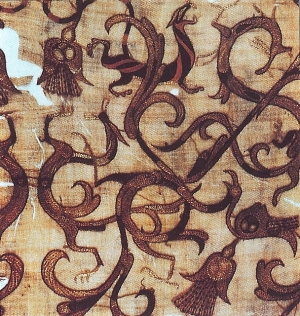
Embroidery has been popular in China for thousands of years. It is generally called xiuhua or zhahua ('making decorations with a needle'; xiu referring to embroidery itself). Most of the Chinese embroideries are made of silk. Documents from the Qin Dynasty (221-206 BC) refer to embroidered robes. In the Shujing history book, which is even older, embroidery is also being mentioned.
Kenmare Lace
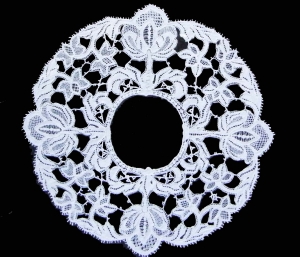
Kenmare lace is a needlepoint lace, which was developed after the Poor Clare Nuns had founded a convent in Kenmare, Ireland, in 1861. They also established a school to train the local women to learn a craft to make a bit of extra money. They were taught embroidery, woodcarving and leatherwork. They also developed and made lace, which they sold to wealthy tourists.