

Poplin, also known as popeline or tabinet/tabbinet, is a type of plain weave that produces a fine, but thick cloth. It is generally made of cotton, but the most expensive, and original poplin is made from silk with wool.
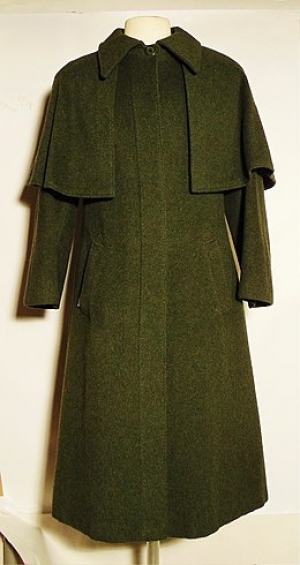
Loden is a type of woollen cloth that is made from carded fibres. The woven material is fulled (kneaded until the material is felting) after weaving. After fulling it is brushed and sheared repeatedly. Modern loden cloth is principally made from Austrian sheep, but also other fibres may be added.

Serge is a twill weave cloth with diagonal lines on both sides. The worsted woollen variety was used in Britain for military uniforms, right until the second half of the 20th century; silk serge was used for linings. Sturdy, but itchy, and absorbing huge amounts of water, which made it difficult to dry out.
Saai is the name for a type of woollen serge, produced widely in Britain and Ireland in the late Medieval and later periods. It was also produced, among others, in the Dutch city of Leiden, where it was one of thes even principal textiles industries.
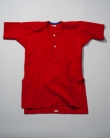
Baai is the Dutch name for a type of cloth produced, among others, from the late sixteenth century in the city of Leiden. It was made of carded wool but unlike laken (broadcloth) made mostly of locally produced wool, rather than imported, high quality wool from England and Spain.

Broadcloth is a type of cloth known in the Netherlands as laken and particularly linked to the city of Leiden, which by the late medieval period became the prime producer of this type of cloth in Europe.

Narsapur (or Narasapuram) along India's eastern coast in the state of Andhra Pradesh, is known for its (Irish) crochet work. The International Lace Trade Centre is established here, and so are PanGodavari, another handicrafts centre, and the Comprehensive Handicrafts Cluster Development Scheme.

Marasim (Hindi/Urdu for connections) is an organisation since 2014 established in New York that explores crafts and designs from isolated parts of the world and tries to connect them to Western textile industry and bridge the cultural divides. The organisation was founded and is led by Nidhi Garg Allen.

Embroidered bed hangings from Aston Hall, Birmingham, have gone on display again in August 2021 after a ten-year conservation project. The wool on linen hangings decorated a full tester bed in which, so it is sad, King Charles I slept in 1642. The hangings include two curtains, pelmets and a bed covering, and are decorated with crewel work.
More...
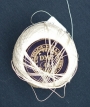
The Textile Research Centre in Leiden has some pattern slips or sheets for crochet or embroidery, which used to be rolled up in DMC balls of thread. The slips measure 22-24 x 4 cm.

From the nineteenth century Kerman embroidery is characterised by a woollen ground with a twill weave. The ground is often red, but other colours, such as black, blue or white, are also found. Designs are based on the buteh motif and stylised flowers, which are worked in bands or individually, with coloured woollen threads.

The World Crafts Council was founded in 1964 and brings together craftspeople and organisations from all over the world with a shared commitment to promoting the values of craft and artisanship. Its members are active in Europe, Asia, North America, Latin America and Africa. The WCC is committed to promoting craft and making sustainable businesses; and to sharing its knowledge and expertise to the benefit of craft.

The Crafts Council Nederland is a platform for contemporary crafts that unites art, fashion, design and heritage. It aims at preserving craft techniques by supporting individual craftsmen and women, and by presenting the field of crafts to a wider public. It is an affiliate of the World Crafts Council.